There are some writers – writers I follow, writers I respect – who have the opinion that writer’s block is a myth. These writers – writers I follow, writers I respect – can take a flying leap. There are simply times when no matter how hard you try or how much you struggle, the capacity to create simply eludes you; the juice don’t flow. Now that’s not to say that there aren’t ways AROUND it. It’s absolutely possible to write while blocked, to turn out words and pages. Sometimes simply the act of doing so will be enough to break down the block. Other times you wind up with absolutely useless pages of garbage and fluff, which some people choose to base their entire careers on. And there are other tricks that you can use to lubricate the creative engine in your brain and get it moving again. The problem is that these tricks are highly individualized and what works for one person will not necessarily work for another – hell, they might not even work for the SAME person on a different day. All of this is to say that sometimes you may want really badly to write, but somehow not just be able to mentally kick down the door and get anything useful done.
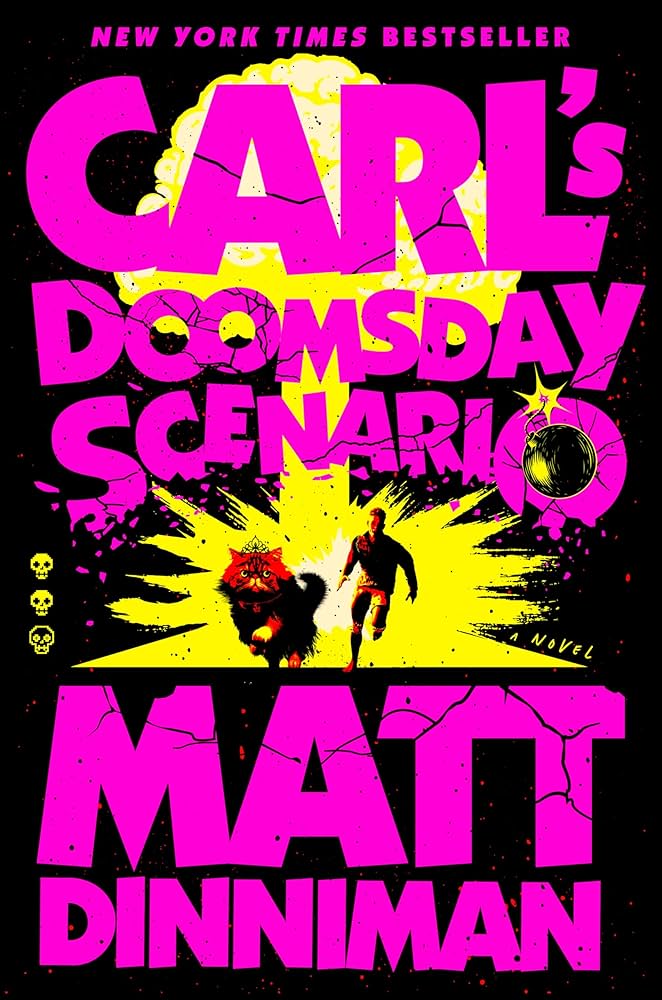
I’ve had an idea percolating for some time now that I’ve struggled to get off the ground. I’ve got a few chapters written, but at some point I became arrested, realizing I didn’t know how to get the story from the beginning I’ve written to the ending I have in mind. So I put it on the increasingly-crowded back burner as I worked on other things, such as the editing on the last two books in the Little Stars trilogy (I swear, it’s coming, people). But not long ago, something happened that triggered my backburner idea, and it kind of started – as so many things do in this Year of Our Lord 2026 – with Dungeon Crawler Carl. I’ve mentioned before how much I enjoy writer Matt Dinniman’s post-apocalyptic LitRPG comedy/sci-fi/horror/adventure series, and the fact that I took down all eight extant books in about six weeks should be an indicator of just how MUCH I enjoy them.
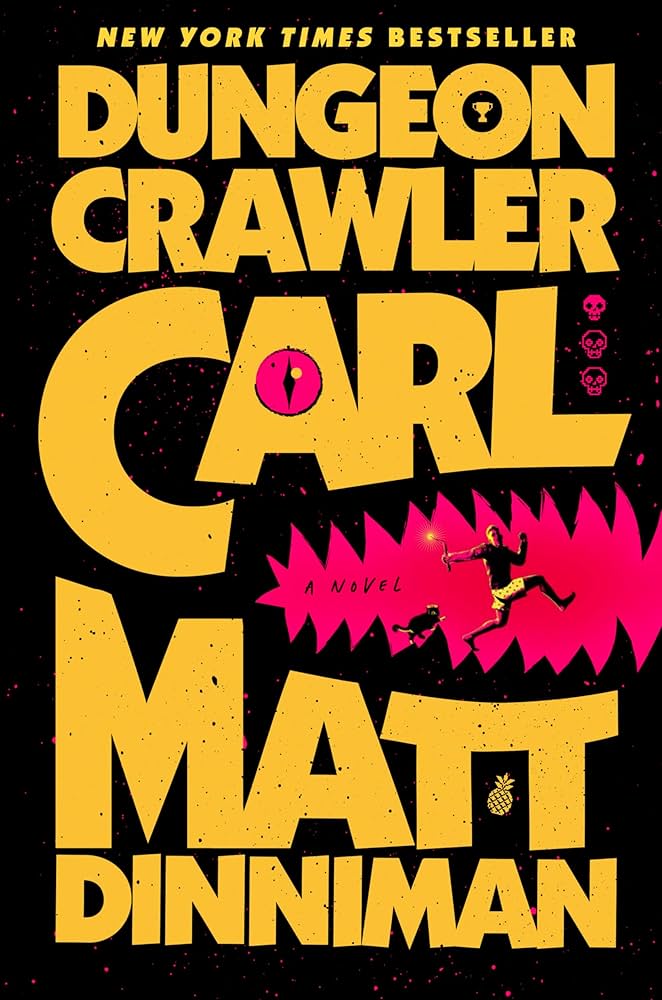
What I didn’t anticipate, though, is that reading the adventures of Carl and Donut would send me on a different literary path, one that is paying surprising dividends with my own writing project. Without giving any spoilers about the series, one of the things that I like about Dinniman’s writing is the way he balances serious situations like life-or-death battles and intense interplanetary political maneuvering with extraordinarily funny characters and commentary. The things that are happening to Carl and company would be pretty horrific if it weren’t for the fact that the ways he and his friends respond to it are so funny.
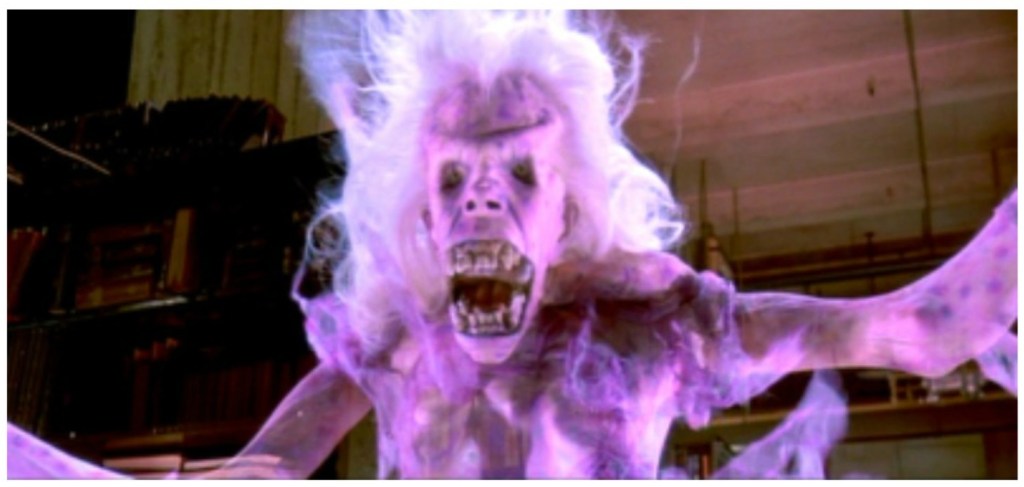
This is a balance I’ve always enjoyed. It reminds me, in a lot of ways, of movies like Ghostbusters. Think about that for a moment. If you strip it down to the bare bones of the plot, it has the skeleton of a horror movie: an ancient Sumerian deity begins raising the dead to terrorize the populace, feeding off of their terror, in a scheme to breach a portal into our reality and destroy the world. It wouldn’t be a comedy at all except that Peter Venkman is a deadpan snarker, Ray Stantz is a bit of a cloud cuckoolander, Egon Spengler is a mad scientist, and Louis Tully is a dork. I’ve written at length about the thin barrier between horror and comedy in the past. It’s one of my favorite balances in all of fiction, and it’s a balance that I often try to employ in my own writing.
When I finished the Carl books I experienced something that regular readers are very familiar with: that dreaded feeling of having completed a really good book (or series) and not knowing what to read next. I flailed about a bit, trying to find something that could scratch the itch I’d developed after nearly two months of plunging the dungeons with Carl, and I ultimately decided to go back to an old favorite: Terry Pratchett. Pratchett’s Discworld novels are a deeply humorous, satirical take on the fantasy genre – not exactly the same as Dinniman, but with a very similar tone to the kind of thing I’d been reading. This time out, I picked up the first of the novels to feature the witch Granny Weatherwax, Equal Rites, in which Granny takes under her wing a young girl with magical powers that suit her for a life of wizardry. The problem is that, by tradition, women can only become witches, and being a wizard is a job reserved for men.
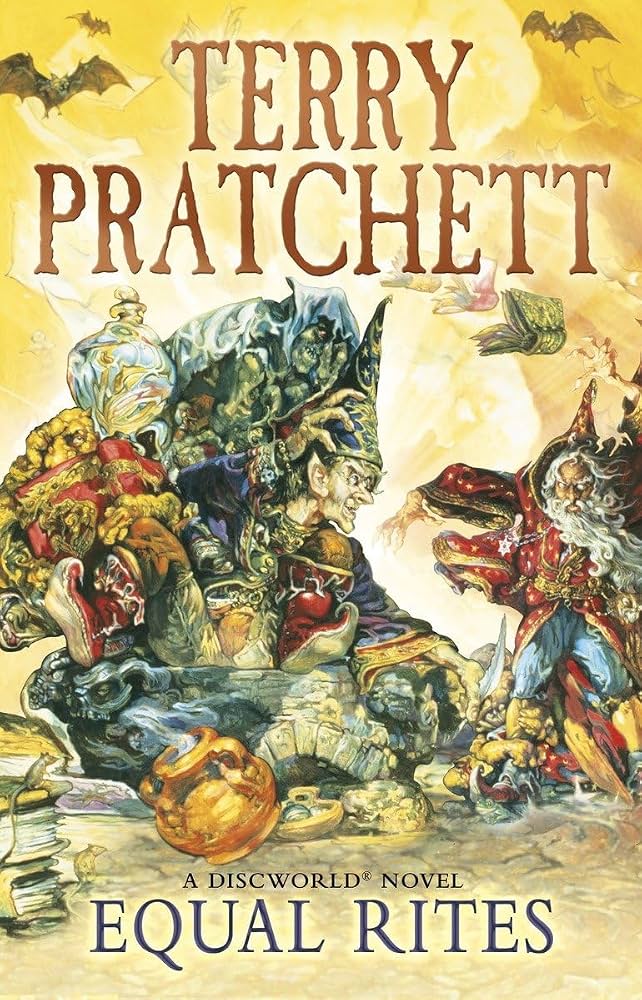
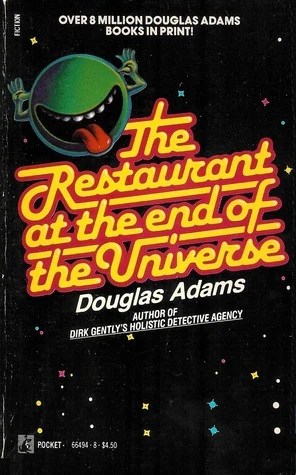
When you talk about balancing humor with speculative fiction, Pratchett was one of the greatest to ever sit down in front of a keyboard. He was to fantasy what Douglas Adams was to science fiction, with the notable exception of Pratchett being far, far more prolific. I’ve still not read all of the Discworld books, but they’re on my preposterously long list. That said, as I was reading Equal Rites this time, it flipped some sort of switch in my brain. Things that had been dwelling in my mind as I read Dinniman’s books collided with observations from Pratchett, and I began to conceive of a new concept, a new character really. Somebody I found interesting, somebody I thought would be worth exploring, should I have the proper story for her.
Then I realized she was exactly what was missing from Project Backburner.
This story that I’ve been putting aside, looking for some sort of guide to move it along, suddenly has a guide. I think I know what to do now. I think I know how to play in this world and make something of it.
The upshot of all this is that this is one of the few things I’ve found that helps combat a severe block is immersion in something similar. I don’t mean that you should read stories with the same plot or the same elements – the story I have in mind doesn’t have any dungeons or alien invaders, nor are there any witches or wizards or girls trying to crack through a magical glass ceiling. There aren’t even any ghosts. (At least…I don’t think there are.) But the tone of these stories is a good match for what I’m trying to create, and spending time in these spaces has been a great deal of help in finding the pieces I need to turn my idea into an actual story. I’ve said this many times but it’s worth repeating: ideas are easy. The average person can have dozens of ideas a day, more if they uninstall TikTok. But having an idea is worthless unless you can figure out a creative and original way to USE that idea, which is a concept that people using generative AI will simply never understand.
“Well what’s the difference between a computer generating stuff based on existing stories and a writer drawing inspiration?” these dinks will say. It’s easy, friends. An algorithm is incapable of creating something new, it only spits out an amorphous blob created from the information fed into it. A human brain, on the other hand, will absolutely be inspired by what comes before it, but has the capacity to use that inspiration to create something original. Being inspired by Adams or Pratchett doesn’t mean you’re just repeating what they did, as gen AI does. It means that you want your own ideas and your own work to hit some of the same buttons as they did – that doesn’t require you to do it the same way.
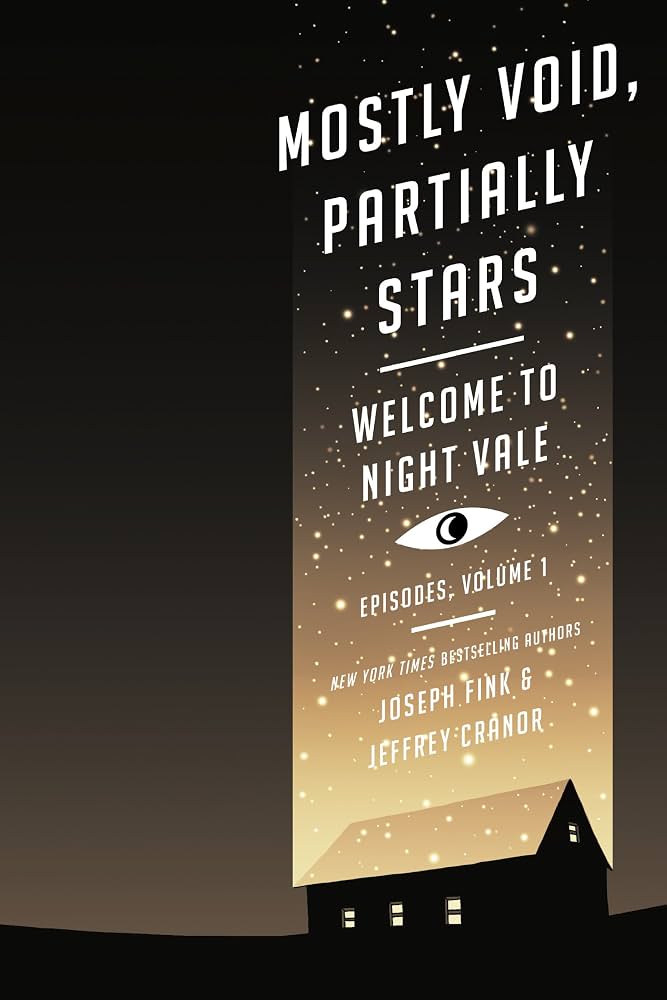
I want my immersion to continue for a little while, I want to keep my brain marinating in this sort of tone while I continue to develop this new idea. After I finished Equal Rites I turned to Mostly Void, Partially Stars, the first of several volumes collecting the scripts from the Welcome to Night Vale podcast. This show, mostly written by Joseph Fink and Jeffrey Cranor, is also a horror/comedy blend, although this one trends a bit more towards existential dread. The little town of Night Vale is a world where – in the words of the creators – “all conspiracy theories are true.” The comedy and the horror in the show come from the same basic source, namely making the mundane bizarre and making the bizarre mundane. Next up I think I’ll return to the work of Christopher Moore, author of books like Practical Demonkeeping and Bloodsucking Fiends, who takes horror tropes and treats them in much the way that Pratchett treats fantasy and Adams treats science fiction.
All of these different writers and works I’ve mentioned are good at striking that balance – taking something that is not inherently played for humor and turning into a work that is as much comedy as it is the other thing it’s trying to be, whether that’s a gothic vampire saga, a fantasy epic, a chilling ghost story, or an apocalyptic adventure. And that’s what I’m looking for now, friends.
Recommendations.
Besides those writers I’ve already mentioned, besides the Dinnimans, Pratchetts, Adamses, and Moores, I’m looking for other writers who are good at striking this balance. The doors are open – who do you think is good at balancing comedy with something else? I need names. I need works. I need more fuel for the furnace.
Hit me.
Blake M. Petit is a writer, teacher, and dad from Ama, Louisiana. His most recent writing project is the superhero adventure series Other People’s Heroes: Little Stars, volume one of which is now available on Amazon. He’s also started putting his LitReel videos on TikTok. He might feel like watching Army of Darkness again too. Or Teen Wolf.