As much as I love stories and storytelling – as much as I love books and comics and TV and movies – the truth is that the world is a busy damn place, and sometimes it can be difficult to find the time for these pursuits. It seems counter-intuitive, doesn’t it? That we should take the things that really make life fun and give them a lower priority than so many less enjoyable pursuits…but we all have jobs, our kids have sports, people get sick and thousands of other little obligations chip away at the things that we enjoy the most. Oddly enough, when there’s something I really LIKE, I find that making a challenge out of it is sometimes the way to become most productive. Just reading, writing, watching things in a vacuum…that can wait. But once you make a game out of it, those priorities shift in a productive way.
Pictured: the death of freedom.
We all do it. If you’re any kind of a reader at all, you probably participated in a summer reading challenge back in elementary school. Once school is out for the summer, kids are encouraged to read books to help prevent their brain from rotting before they make it back into the classroom. We all remember the glory age of the Pizza Hut Book It! Program, in which we read in exchange for free pizza (a game that remains dormant despite calls from, I assume, the United Nations to bring it back). While Pizza Hut may not be in the game anymore, a lot of local libraries still have their own competitions, and although those are usually for kids, there are apps that you can use even as an adult to get in on it. On the other hand, if you’re the sort to write books and not just read them, there’s National Novel Writing Month, or NaNoWriMo, the annual challenge in which writers all over the world attempt to write a 50,000-word novel in the 30 short days of November. I’ve taken part in that challenge many times myself – in fact, two of my published novels (Opening Night of the Deadand The Pyrite War) both began life as NaNoWriMo novels. Of course, so did several others that you’ve never heard of because they died on the vine, but let’s not belabor the point.
Currently, the challenge I’m engaged in is “FebNEWary.” A few years ago, some movie-loving friends of mine invited me into a Facebook group where the members attempt to spend February watching movies that they’ve never seen before. Any genre is allowed, any platform, any kind of movie, as long as you watch 26 “new to you” movies, one for every letter of the alphabet. It’s harder than it sounds. Sure, it averages out to less than a movie a day, but what about those days where you have to work late or you go to your nephew’s basketball game or you have a headache and just can’t summon up the will to watch? It’s not that simple. Despite that, I’ve taken the challenge every year since it was created in 2020, and for four years in a row, I’ve made it.
In 2023, this is what progress looked like.
This year, I’ll admit, I’m a little worried. Sure, there are 29 days in February this year, and I’ve got 20 films done, as of this writing. How hard can it be to watch six more movies in the next six days? Well, those same issues that I mentioned before still apply. Work. Kids. Kids‘s sports. A kid who wants to use the television to watch sports. Lacking the motivation. It’s a possibility that it may not happen.
But whether I cross the finish line or not, I love the game of it. Over the last five years of taking part in this challenge, I’ve found that FebNEWary has an odd influence on what movies I choose. There are so many times – don’t lie to me, I know you’ve felt it too – where you’re stuck looking for something to watch. Are you in the mood for a comedy? An action movie? Do you want to be scared? Do you want to cry? When you sit down wanting to watch SOMETHING but not having an actual idea WHAT to watch, that’s when you find yourself scrolling the Netflix catalog for three hours before giving up and watching reruns of The Big Bang Theory. But during FebNEWary, that isn’t a problem. For one month a year I’m not worried about figuring out what KIND of movie I want to watch, I’m in a position where I just need to find the most acceptable movie that starts with the letter J.
Consequently, I’ve watched several films that I may otherwise have never watched, sometimes being delightfully surprised, sometimes being utterly disgusted. But believe it or not, that’s the part of fun of it. When I watch a lousy movie in, say, June, I feel like I’ve just wasted two hours. But when I watch a bad movie in February, it’s like I’ve defeated a particularly challenging level of a video game. It actually even makes crappy movies a little more worthwhile. For example, in 2021 I watched the movie Queen Kong, a spoof from 1976 which is set in an alternate world where gender roles are (somewhat) reversed, with women holding a more dominant position over men…and then there’s a giant gorilla. The satire fails, the comedy is awful, and the gorilla suit is one of the most abominable things I’ve ever seen in my life. I never would have watched this movie if Q wasn’t one of the harder movies to tick off the list. In the five years I’ve been playing this game, this may well be the worst movie I’ve watched. Still worth it.
Then last year, Q led me to Quick Change, the 1990 heist comedy starring Bill Murray, Geena Davis, and a pre-insanity Randy Quaid. I’ve learned since that there have been reports of Murray being less than kind to Geena Davis on the set of the movie, and I mention this here only because if I don’t someone will bring it up in the comments after I say I thought the movie was actually really funny and very entertaining, and I wish I had watched it sooner.
Bad Q, better Q, best Q
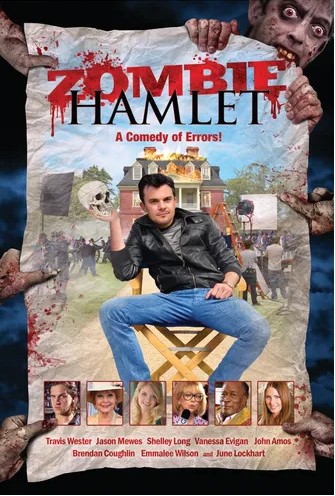
The alphabetical stipulation, obviously, is very easy for some letters, but Q, X, and Z are always tough. In five years of playing, I’m proud to say that I’ve only resorted to a zombie movie twice, and one of them (Zombie Hamlet) wasn’t even REALLY a zombie movie, but a movie about somebody MAKING a zombie movie. X, for somebody who has already seen all of the X-Men movies, is an utter nightmare. I’m still looking for suggestions for this year’s X, by the way, to keep me from my emergency plan of a three-year series of the Vin Diesel xXx franchise that I have thus far avoided. Some people in the challenge cheat a little on this one, using movies like Exit Wounds on the rationalization that it SOUNDS like “X-It.” I cast no aspersions upon these people, but thus far, I am unwilling to compromise my principles in that way.
“I know, I thought this was a Fast and Furious movie too.”
If you, like me, have a ridiculously long list of movies that you want to watch and you’re never going to get around to without some sort of motivation, gameifying your viewing is a great way to do it. I’d always heard that Arsenic and Old Lace was an excellent movie, and since I needed an A, I finally confirmed that fact in 2023. The same goes for this year’s T movie, Alfred Hitchcock’s The Trouble With Harry. If you’ve never seen this one, find a chance to do it. It’s one of the few comedies ever made by Hitchcock, but it still has his bizarre and morbid proclivities right on display. In this film a kid played by Jerry Mathers (the most notable time in his life when he was not “The Beaver”) finds a dead body in the woods. As different adults are alerted to the presence of the corpse, a small community begins to form among separate people who each believe themselves responsible for the man’s death for various reasons. The freaky thing is, everybody in the movie is treating ol’ Harry’s remains as a sort of minor inconvenience. “Welp, guess we need to get this guy buried,” is the prevailing attitude, as if they just replaced their water heater and can’t figure out how to get rid of the old one. I loved this movie, but I don’t think I can do justice with it via mere description.
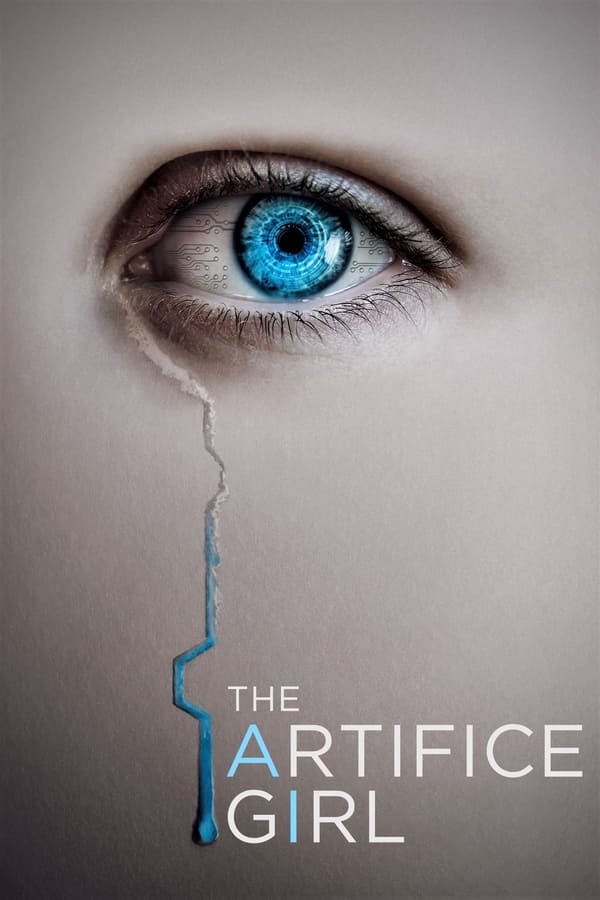
It’s also a good excuse to tick off more recent films that you missed but really wanted to see. This year, for instance, my wife and I got around to watching Godzilla Minus One (which was excellent), The Marvels(which I am happy — but not surprised — to report is a much better movie than the internet wants you to believe it is), and Elemental (which I find better than most recent Pixar movies, but not quite up to the standards of their Golden Age). It’s also a chance to find movies that you otherwise may never have watched, and are the better for it. My “A” this year was The Artifice Girl, an independent sci-fi movie from 2022 written and directed by Franklin Ritch. The movie is about a trio of people who use an artificial intelligence to bait and capture child predators online. The premise is dark, but don’t let that put you off – Ritch doesn’t wallow in the darkness of that world. The movie isn’t really ABOUT child predators, it’s about the moral and ethical use of artificial intelligence. The genius here was in giving the investigators a goal that nobody would disagree is noble (saving children), but then using that to ask the ethical questions about HOW to use AI to do it. With AI becoming such a prominent part of our lives, I expect to see more sci-fi movies that tackle this topic. I don’t expect most of them to do it this well, though, and I strongly recommend you watch this movie at your earliest convenience. If you’ve got the Hoopla app (available through many local libraries for free), it’s waiting for you there.
My occasional “Not making a joke here, just watch this movie” plea. All right, now back to the comedy.
It may seem silly to resort to a game to make myself watch movies, because I love movies and I watch them all the time. But there’s something about having a community of people doing the same thing that makes it more fun. People taking part in the challenge make a post in the Facebook group announcing each film they watch, often with their reviews. You get to see what other people are watching, and I’ve added more than a few movies to my own watchlist based on what they recommend. I’ve recruited my wife into playing the game with me, and a few other friends both online and in real life. The community aspect of the thing makes it worthwhile, and although February is often a barren month for new cinematic content, the FebNEWary game has legitimately made it the most exciting movie month of my entire year. Even when the Christmas decorations are coming down in January, I don’t feel quite as sad because mentally I’m already trying to decide what this year’s “S” movie is going to be.
If you want to see what movies – good and bad – this game has led me to watch, here are links to my Letterboxd lists of each one, and each movie has my thoughts: 2020, 2021, 2022, 2023, 2024.
And if it sounds like something you’re interested in, join the group! We’re happy to have you. There may not be enough time left for you to squeeze in 26 movies before the end of the month, but there’s always another February coming around the corner.
Blake M. Petit is a writer, teacher, and dad from Ama, Louisiana. His most recent writing project is the superhero adventure series Other People’s Heroes: Little Stars, now complete on Amazon’s Kindle Vella platform. He wasn’t kidding about taking suggestions for X movies. For Heaven’s sake, don’t make him make Vin Diesel a thing.
Not too long ago, I remember seeing a statistic that said among adults who read frequently, men are more likely to be nonfiction readers, whereas women are more likely to read fiction. When you consider just how prodigious the romance section of a bookstore can be, the idea that women read fiction makes perfect sense. (I’m not trying to indulge in gender stereotypes here, but let’s be honest, ain’t nobody marketing a Harlequin bodice-ripper to a male audience.) I’m a bit more confused about the men reading nonfiction, though. Sure, I suppose men are more likely to be into things like military history and other such subjects, but if I were single and looking to meet a woman in a bookstore, I would probably start hanging around the true crime section. And subsequently get arrested, now that I think about it. Dear God, I’m glad I’m married. Anyway, I suppose I’m a bit of an odd duck in that I very rarely read nonfiction. My shelves are stacked with novels and comic books, for the most part. And when I DO read nonfiction, it’s usually nonfiction that, in one way or another, is ABOUT fiction. In fact, my favorite nonfiction books are all about the movies.
It’s like if The Godfather were written by a sarcastic robot.
Back in 2002, Mystery Science Theater 3000 alumni Kevin Murphy (a few years before the birth of RiffTrax) released his book A Year at the Movies. I bought it, mostly, because it was written by Tom Servo and I thought that was cool, but I was amazed at how utterly engrossed I was when I opened up the book and started reading. In the years after MST3K ended its initial run, Murphy had become – understandably – a bit disenchanted with the movies. For this book, he embarked upon a quest to rediscover them. His goal was to attend a public screening of a movie every day for an entire calendar year, and this book is a memoir of his experience.
And it’s great.
First of all, it’s funny. This should come as absolutely no surprise to anybody, that a book written by Kevin Murphy has plenty of knee-slapping moments. But it’s a lot more than that. Murphy doesn’t just go down to the local megaplex 365 times. He explores the world, going to film festivals and special events. He travels to the smallest movie theater in America, visits a theater built inside an ice hotel where the movie is projected onto a wall of snow, experiences a film festival in a country where the sun doesn’t set for months at a time. He takes Mike Nelson with him to watch Corky Romano. Reading about these adventures makes me want to go and join in.
In Kevin Murphy’s Odyssey, this is Scylla AND Charybdis.
And he talks about the movies, of course. The good ones, the bad ones, the ones in-between. The book is part film critique and part travelogue. And it should be mentioned that the year mentioned in the title happens to be 2001 – so fair warning, when you get to September, something happens that obviously is of far greater significance than Kevin’s little movie watching project, but nonetheless impacts his quest.
It’s a magnificent book and I’ve often wished Murphy would write a sequel. In this age of streaming and the massive changes that have undergone the movie theater business in the last decade, I’m wondering what his findings would be if he tried to do this again. Mr. Murphy, if you’re reading this, I know you’re pretty dang busy with RiffTrax, but I read this book probably every other year and I would LOVE to intercut it with a Part II.
The fact that I do re-read this book, on average, every two years or so, brings me to my next point. Obviously, this is the kind of writing that appeals to me. So I need more. I need more books ABOUT movies. Not just the making of movies (although there are obviously some excellent books written about that very subject matter), but books by people who love movies, about WHY they love movies, about HOW they love movies. So let me tell you some of my favorites that I’ve found in the years since Kevin Murphy inadvertently set me off on my own quest, then I’ll open the floor for recommendations from the audience.
Not THAT Showgirls. Except for the one part where he talks about Showgirls.
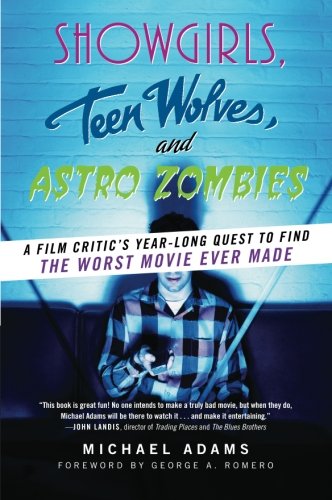
In terms of matching the flavor that Kevin Murphy brought to his project, the next best thing I’ve found is Showgirls, Teen Wolves, and Astro Zombies: A Film Critic’s Year-Long Quest to Find the Worst Movie Ever Made. Written by Michael Adams, this is a book whose subtitle lays out its premise exactly. Adams, at the time a writer for Empire magazine, was struck by the idea of trying to find the worst movie of all time. The book chronicles his journey of hunting down DVDs and old VHS tapes, categorizing them, brushing with fame, and the conclusions he has reached at the end. The amazing thing about this book – like most of the books I’m talking about here – is that even when he’s telling me how awful the movies are, Adams describes them in such a fun and charming way that I find myself adding many of them to my watchlist on Letterboxd.
Brian W. Collins had a similar project, his Horror Movie a Day blog, where he watched and reviewed a different horror movie every single day for a few years. Eventually he gave up on the “daily” aspect of the project, but he still publishes new reviews relatively often, and he put the best of them into Horror Movie a Day: The Book. In this one, Collins simply chooses some of his favorite reviews (not necessarily his favorite MOVIES) and divides them up into several categories. For horror movie fans, this is a fun way to find lots of movies you may never have heard of and get opinions on movies that you already have your own thoughts on. Collins is also a strong writer, and his style is entertaining to read in and of itself.
Of course, I don’t want to discount books about MAKING movies. There are three books by Dustin McNeill worth mentioning here, the first two co-written with Travis Mullins, all of which are about some of our favorite slasher flicks. In Taking Shape: Developing Halloween From Script to Scream, McNeill and Mullins do meticulous research and conduct lots of interviews with the principal writers, directors, actors, and other people involved in the production of the various movies in the Halloween franchise, beginning with the original in 1978 and going up to the most recent film at the time of publication, which was 2019. What I love about this book is that even though I’ve seen all of these movies time and again, there are a lot of things that went on behind the scenes that I never knew about. It’s not like some lame clickbait article with a headline like “20 things you never knew about Halloween III that turns out to be 17 things everybody knows and three things that are bullshit. This book gives serious, entertaining insight into the production of one of the most iconic horror franchises of all time.
It’s the Lord of the Rings of books about slasher movies, some of which were never actually made.
The sequel, Taking Shape II: The Lost Halloween Sequels, gives the same treatment to all the Halloween movies that were NOT made over the decades – the rejected pitches, the movies that started production but died on the vine and so forth. I liked this book even more than the first one, because it not only gives great insight into the way the movie business works, but it lands with a wealth of ideas for movies that never existed but that, in a few cases, really sounded a hell of a lot better than the movies that were actually made.
Before either of those two, though, McNeill published Slash of the Titans: The Road to Freddy Vs. Jason. It’s the same conceit as the Halloween books, but focused solely on the project that ultimately became Freddy Vs. Jason. The movie was in development for many, many years, and McNeill breaks down all of the various iterations that it went through before finally landing on the one that made it to the screen. It, too, is a fascinating read. McNeill has several other similar books on his bibliography that I haven’t gotten around to reading yet, but I want to, including another Mullins collaboration, Reign of Chucky, and a book co-written with J. Michael Roddy called Adventures in Amity: Tales From the Jaws Ride that sounds pretty darn interesting.
All of these books are well worth reading if you’re a fan of the movies in question or even just a fan of movies in general. I am, however, always in search of more. My question for you, guys, is simple: what are your favorite books ABOUT movies? Books that are similar to the ones I listed above, books that aren’t at all like any of them, I am open to all suggestions. Movies are one of the greatest forms of storytelling, and stories about that form of storytelling – be it from the perspective of an insider or an outsider – absolutely fascinate me. Hit me up with your favorite picks, and maybe in a few months I’ll come back and do a follow-up to this column evaluating what you guys recommend.
Blake M. Petit is a writer, teacher, and dad from Ama, Louisiana. His most recent writing project is the superhero adventure series Other People’s Heroes: Little Stars, now complete on Amazon’s Kindle Vella platform. Has anyone ever written anything about that Star Wars movie? Seems like that would have been chronicled somewhere by now, right?
In the first week of January, 2023, I was in a funk. You see, I realized that I’m happier – in general – when I’m spending time talking about those things I enjoy, an itch I used to be able to scratch through various online outlets. But the rise of Facebook had strangled the forum-based websites I used to write for, the demands of parenting had forced a retirement of my podcast, and none of the alternatives I had tried since then seemed to stick. Then, like a miracle, a voice from above spoke to me:
Hey, dumbass, you have a blog.
So I challenged myself to spend 2023 writing a new piece once a week about something in the world of pop culture that I loved: comic books, movies, television and more. And I’m proud to say that as of this week, Geek Punditry #52, I will have successfully met that goal. And I enjoy doing it, and I have every intention of continuing it in 2024. But the question, then, was how to tie off my first year of blogging about those things I enjoy? The answer was obvious. I’d end the year by talking about my favorites from that year. So this week, my friends, get ready for the inaugural edition of the PUNDIE AWARDS!
Yeeeeeas, that’s right, the Pundie Awards, my hopefully-annual review of those things in pop culture that brought me the most joy over the past 12 months. The categories are entirely decided by what will allow me to talk about what I want to talk about. The winners are determined by a democratically-administered voting process including an electoral body consisting of myself. This ain’t fair or unbiased – this is just me talking about the things that came out in 2023 that I loved the most.
Ready? Let’s do movies first!
Blake’s Favorite Superhero Movie: Spider-Man: Across the Spider-Verse
As much as I loved Into the Spider-Verse, I couldn’t believe how much better the sequel turned out to be. An incredible team of writers, animators, and performers managed to elevate the story of Miles Morales by opening up the multiverse concept from the first film to incorporate not just a handful of Spider-people, but hundreds of them from remarkably disparate worlds. Not only that, but the different worlds often had wildly different animation styles from one another, all of which somehow managed to mesh perfectly.
None of that would have mattered, however, if the movie didn’t have a worthwhile story to go with it. Miles Morales has been somewhat lonely since his last adventure with the Spiders of other worlds, and when he encounters them again it seems as though his dreams are being answered, but the discoveries he makes in this film call into question his entire role in the Spider-Verse. There’s serious character drama mixed up with the superhero action in this movie, and it’s all as compelling as anything I saw on the screen this year. The tragedy is that the writer and actor strikes delayed production on the third film in the trilogy, Beyond the Spider-Verse, and we’re all left dangling from the film’s cliffhanger with no idea how long it’ll be before it is resolved.
Blake’s Favorite Horror Movie: No One Will Save You
I’ve gotta preface this by saying there are several horror movies that I wanted to see this year that I haven’t gotten around to yet, including Evil Dead Rise, The Boogeyman, Saw X, and several others. Out of those I have seen, however, No One Will Save You takes the top spot for the innovative way writer/director Brian Duffield told his story. The movie (a Hulu original, if you haven’t seen it) stars Kaitlyn Dever in a home invasion film where the invaders turn out to be from another world. What makes the film stand out though, is that it is told with almost no dialogue. The film relies on the visuals and the performances of the actors – Dever in particular – to tell the story, including unraveling the secret of why she is separated from the town in which she lives. The reveals in this movie are handled really well, and the ending is one of those conclusions that seriously screws with your brain. If that’s the kind of movie you’re looking for, look no further.
Blake’s Favorite Comedy: Renfield
Some may argue that this should have been included in the “horror” category, but my response to this would be that it’s honestly NOT that scary, it’s VERY funny, and these are MY awards, you jackass, and if you don’t like it, go write your own blog.
Anyway, Renfield. Future Lex Luthor Nicholas Hoult plays the titular character, long-suffering assistant to the king of darkness, Dracula himself (played by Nicolas Cage in a performance that chews so much scenery they must have had to reinforce the walls in the set). The concept of making a comedy about Dracula’s human minion set in modern-day New Orleans is funny in and of itself, but what elevates it is the way it handles the material. The script – written by Ryan Ridley and Walking Dead creator Robert Kirkman – takes the story of Dracula and Renfield and uses it as a metaphor for people trapped in an abusive relationship. Not to say that abusive relationships are funny, of course, but it’s one of those stories that uses humor to shed light on a serious situation by making it seem absurd. Looking at the dynamic between Renfield and Dracula is actually helpful in exploring how someone may need to deal with their abusers, and perhaps help the audience find their way to sympathize with victims of such a situation.
I feel like I’m not making it clear how funny this movie is. Trust me. It’s really funny. It just has a serious point to make in-between the laughs and the vampire shenanigans.
Blake’s Favorite Drama: The Holdovers
Paul Giamatti plays a teacher at a prestigious boys school in 1970. Stuck on the wrong side of the headmaster, Giamatti is forced to spend Christmas with a group of “holdovers” – students who, for one reason or another, are unable to return home during Christmas break. The movie turns into a pretty deep character study between three leads. Giamatti plays a bitter and heavily-disliked teacher, Dominic Sessa is one of the students that is justifiably outraged at being left behind so his mother and her new husband can take an unexpected honeymoon, and Da’Vine Joy Randolph is the school’s head cook, a grieving mother who herself is spending Christmas alone.
Each of these three, at the beginning of the film, seems to be a fairly stock character: the nasty teacher, the troubled student, the above-the-nonsense side character. But the forced proximity between the three of them slowly reveals depths to each, and by the time the movie ends we’re left feeling like we have watched three real, fully-developed people. Each of them is flawed, each of them has problems, but we understand them in a way that is undeniable and makes us love each of them just a little bit. Each of the three actors I mentioned here give a master’s performance in this movie, and it’s absolutely something worth watching.
The Most Delightful Surprise of 2023: Dungeons and Dragons: Honor Among Thieves.
This is the fourth attempt at a live-action Dungeons and Dragons film, and the problem with the previous three efforts is that they have all – and here I’m going to use a term from the Book of Leviticus – blown chunks. There was no real reason to expect Take Four to be any different.
And yet…damned if it wasn’t a really fun movie. Chris Pine plays the same kind of charming but slightly rough edged character he usually does, although this time it’s a new character instead of James T. Kirk or Steve Trevor, and he leads a group of ne’er-do-wells including Michelle Rodriguez, Justice Smith, and Sophia Lillis in a quest to steal an ancient and powerful relic. If you’ve ever played Dungeons and Dragons (which I have, although it has been a very long time since I was in a campaign), the plot feels pretty standard. What makes the movie work, though, is the humor, the characters, and the way they react to the fantasy situations that surround them. Their behavior, frankly, feels very authentic to the way that people playing the game would really behave in those situations, and while the movie doesn’t really go meta in the way that description may imply, it still delivers on pretty much every level. I wouldn’t necessarily place this on any “best of 2023” lists, but in terms of expectation versus reality, there’s not a single movie this year that over-delivered more than this one.
Let’s shift gears a bit now and talk about some of my favorite comic books of the year. I know that not everybody reading this is necessarily into comics, but y’know, maybe pay attention anyway. You might find something worth looking into. And if not, skip down to the bottom where I talk about television, by which I mean a lot of Star Trek.
Blake’s Favorite Ongoing DC Comic: Batman/Superman: World’s Finest
Written by Mark Waid with art by Dan Mora (who I said last week is probably the best Superman artist working in comic books right now), this is the most entertaining ongoing series DC is putting out, and they’ve been on a pretty big upswing this year. Set in the early days of the characters’ friendship, this story explores not only Batman and Superman themselves, but also the characters that surround them. Over the course of this year we’ve seen Superman lose a sidekick we never knew about, a murder mystery in which the primary suspect was Bruce Wayne himself, a return to the world of Waid’s classic Kingdom Come, and a fantastically entertaining one-off story about the original Robin (Dick Grayson) going on a date with Supergirl and pretty much everything going wrong.
The book is often funny, always entertaining, and takes characters we have loved for decades and makes them fresh and fun again. And that’s just Waid’s writing. The artwork is also top-notch, with Mora handling most issues and drawing the characters in a way that feels classic and powerful. I keep harping on his Superman, but there’s a reason for that: it’s so damned good. When you see a Superman by Dan Mora, you see a guy that you would find equally believable going toe-to-toe with Darkseid and then turning around and getting a cat unstuck from a tree.
It’s already spun off another book, World’s Finest: Teen Titans, featuring the early days of Robin’s own superhero team, and also written by Waid. This is a brand that DC absolutely needs to run with, because it’s as good as it gets.
But like I said, DC has really upped their game this year, so without getting into detail, I also wanna hand out some honorable mentions. Also worth reading this year from DC are Shazam! (another Waid book), Superman, Nightwing, Green Lantern, Titans, and the recently-rebooted Wonder Woman.
Blake’s Favorite Ongoing Marvel Comic: Fantastic Four
Admittedly, I am biased here. Everybody knows that the Thing is my favorite Marvel character and my second-favorite superhero of them all, right after Superman, so any book with him in it gets at least another two points on a scale of one to ten automatically. So with his bonus two points, Ryan North’s run on Fantastic Four gets, roughly, an eleven.
North’s run began in November of 2022, so most of his story came out in 2023. In the first few issues of the book, we see a Fantastic Four that has been run out of New York City and dispersed to the four winds (pun intended), and perhaps most horrifyingly of all, are without their children. The book launches with a mystery; we are not told immediately what happened to place them in this situation. But unlike certain other Marvel comics I could mention (I’m callin’ you out, Amazing Spider-Man) the mystery was revealed in issue FOUR, and was done in a way that was very satisfying and very in-character. Without getting into any spoilers, I want to say that the reason the FF left New York and the reason the kids are all missing makes perfect sense (unlike another certain book where the long-delayed revelation went against not only years of characterization but also just common freaking sense). At the same time, it changed the status quo in a way that is inherently temporary, but still paved the way for a year of very old-school sci-fi adventures. In other words, Ryan North found a way to take the FF back to the kind of crazy stories the book featured in the early days without getting rid of the modern trappings entirely or invalidating the feelings of the fans who enjoy those trappings. And now that we’re at a point where that storyline is being resolved, I’m really anxious and excited to see what North has planned next.
Blake’s Favorite Ongoing Image Comic: Radiant Black
This isn’t the first time this year I’ve mentioned how much I love Radiant Black, written by Kyle Higgins with art by Marcelo Costa. The title that launched Image’s “Massive-Verse” line (which also includes entertaining books such as Rogue Sun, No/One, and The Dead Lucky) is a superhero story about a young man, Nathan, who finds an alien artifact that gives him incredible power…until he’s hurt and put into a coma, with his best friend Marshall taking over. When Nathan wakes up, the two friends share the power until they’re forced to choose which of them gets to keep it.
Aside from just being a well-written comic with great art, Higgins and Costa do really interesting and innovative things with how the story is told. In one issue, in which Radiant Black encounters a crew making a fanfilm about him, we’re given a QR code that takes us to YouTube and shows us the actual film. Issue #25 though, the issue in which Nathan and Marshall are given their choice is the one that really elevates things when the readers are instructed to vote for which of the two of them becomes the permanent Radiant Black. The BIG shock, however, came when fans walked into comic shops to pick up issue #26 only to find two different versions: one in which Nathan took over and one in which Marshall got the job. During the currently-running “Catalyst War” storyline, there are two versions of the story, and it’s NOT just a case of penciling in a different face for each version. The two of them are different people, make different choices, and have different consequences, and it’s not until the story ends that the result of the fan vote will be revealed and one of the two timelines will be declared the “real” one.
I like good art and I love great writing, but if you REALLY want to make me go to bat for your comic book, pull some risky moves with how you tell the story and you’ll have me on your side for life.
Blake’s Favorite Comic Book Reboot: Skybound’s Energon Universe
Robert Kirkman, mentioned back in the Renfield entry, loves to surprise his audience. He didn’t announce ahead of time that issue #193 of The Walking Dead would be the last issue of the series. He didn’t tell anyone that there would be an Atom Eve special for his Invincible cartoon until it appeared on Prime Video. And earlier this year he launched a new comic, a sci-fi space opera, called Void Rivals. Nobody was really talking about this book much until the day the first issue reached the stands and, towards the end, fans were shocked to find an appearance by the Autobot Jetfire. This is how we learned that Void Rivals was not merely a new series, but the launch for a new shared universe including Void Rivals and the two classic Hasbro properties TransFormers and G.I. Joe.
There have been a lot of crossovers between TransFormers and G.I. Joe over the years, and the previous license holder IDW Publishing even tried to create a shared universe including those two and other Hasbro properties like M.A.S.K., ROM, and Micronauts. None of those efforts have ever really worked, though, because once these properties are already established, it’s too difficult to mesh them together. If the G.I. Joe team has already been around for 75 issues, why the hell have they never before referenced the giant robots that turn into oil tankers that have been fighting in downtown Las Vegas? You can’t explain it. What Kirkman and his team have done is the only real way to make a shared universe from these properties: tie them together from the inception.
So Void Rivals launched this “Energon Universe,” and it’s exploring space and some of the other alien races classic to the TransFormers franchise. The line continued with a new TransFormers book by Daniel Warren Johnson, which begins the story of how the war between the Autobots and Decepticons first spills over onto Earth. This is being followed up by two miniseries written by Joshua Williamson, Duke and Cobra Commander, which show the origins of the respective hero and villain teams of the G.I. Joe corner of the universe, and link those origins to the appearance of robot aliens on planet Earth. Void Rivals is pretty good, but TransFormers has been great, and the first issue of Duke – which came out this week – really blew me away. I’m totally on board for this universe, and I’m so happy with what Kirkman has put together.
Side note: Kirkman also gets bonus points for continuing Larry Hama’s G.I. Joe: A Real American Hero, the original series that was started by Marvel Comics back in the 80s and resurrected by IDW. It’s the classic G.I. Joe continuity, still in the hands of the man who basically created the incarnation of the franchise that we all grew up with, and I couldn’t be happier that it’s still out there.
Well that was a fun dip into the world of comic books. Let’s wrap up this look back at 2023 by discussing some of my favorite TV shows of the year, shall we?
Blake’s Favorite Star Trek Series: Lower Decks
I have made no secret of my love of Star Trek: Lower Decks. I wrote a whole column about it not too long ago, so I don’t want to spend a lot of space rehashing what I said then, but it would be disingenuous of me to write about my favorites of the year and NOT bring it up again. You can go back and look at that previous column if you want details, but it’s a show that is not only outrageously funny, but incredibly clever and truly loving towards the history behind the franchise. If you’re a fan of any incarnation of Trek and you haven’t been watching it, you’re making a mistake.
Blake’s Favorite Star Trek Series that isn’t Lower Decks: Picard, Season Three
With all due respect to Strange New Worlds – which had a phenomenal second season – the final season of Star Trek: Picard told a story we’ve been waiting to see for two decades now. The first two seasons of that show were no great shakes, it’s true, but the last season brought back the entire main crew from Star Trek: The Next Generation and gave them one last, grand adventure together, which they never really had. The finale of the TV show was never intended as their final story, since they were immediately rolling into production of the movies. The last movie in that franchise was not intended to be the last movie, and so it didn’t really give us closure either. But this story brought back everybody we loved and told a story that was exciting, heartfelt, and absolutely engaging from the first episode to the last. What’s more, it also laid the groundwork for a new generation of Trek, bringing in a new crew with a mixture of familiar and brand-new characters that fans warmly embraced. The executives at Paramount are absolute fools if they don’t capitalize on this and bring this crew back together again for more adventures.
Blake’s Favorite Comedy Series that isn’t Lower Decks: Abbott Elementary
Sometimes I need to remind myself that there are TV shows with live actors that aren’t set in outer space. Abbott Elementary is a wonderful way to do so – it’s a fantastically funny show that, at the same time, is really down-to-Earth and realistic in certain ways. The quick pitch behind this show is to call it “The Office, but in an elementary school.” It carries over the same sort of mockumentary style, and a lot of the characters seem to fit similar templates, such as the ridiculously inept boss (the principal, played by Ava Coleman), the hardass veteran (fantastically played by Barbara Howard) and the young, adorkable “will they/won’t they” couple (played by Tyler James Williams and show creator Quinta Brunson).
The thing about this show is that, while it IS very funny and the characters ARE very compelling, it also works very well as a look into the working of a real elementary school. Not ALL of it, of course – it’s a comedy and like many comedies it will often sacrifice realism for the sake of a joke. But the show deals with issues that, as a teacher, I see every day: funding difficulties, student behavior issues, intrusive parents and so forth. There are a lot of movies and TV shows set in schools, but this is the first time I’ve ever watched a show about a school that actually makes me believe that someone in the writing room might actually have been a teacher at one point.
It’s a great show with no weak links, and every time I hear about it getting an award in writing, directing, acting, or anything else, I just nod and say, “Yep. Nailed it.”
Blake’s Favorite Horror Series: Fall of the House of Usher
Writer/director Mike Flanagan has produced several films and TV shows for Netflix, and he finished up his contract this year with a miniseries kinda-sorta based on the works of Edgar Allan Poe. Kinda-sorta. Truth be told, when I watched Fall of the House of Usher, I described it to people as “Mike Flanagan bought all of the Edgar Allan Poe LEGO kits, threw away the instructions, and then built his own brand new thing out of all the pieces.”
This is not a criticism. The show is great.
The framing sequence features Bruce Greenwood as Roderick Usher, telling inspector C. Auguste Dupin (another Poe character played by Carl Lumbly) about the tragic deaths of his adult children, all of which happened in the past few weeks. What follows is a long, winding, generational tragedy, beginning in Usher’s childhood and leading up to the moments before the series actually begins. The cast is amazing, including several of Flangan’s usual troupe of actors like Carla Guigno, Henry Thomas, Kyliegh Curran, and Kate Siegel, and giving Mark Hamill perhaps the best dramatic turn of his entire career. The stories that unfold also tie into not just “Fall of the House of Usher,” but several other works of Poe as well. Episode titles, to give you an idea of what I’m talking about, include “The Masque of the Red Death,” “Murder in the Rue Morgue,” “The Tell-Tale Heart,” and “The Raven.”
If you go into this show expecting a faithful adaptation of the works of Edgar Allan Poe, you’re going to be disappointed. But if you look at it as someone using Poe as inspiration to create something entirely new, it’s a fantastic, engaging, and really disturbing series that goes right up there with the best horror on TV.
Flanagan is currently working on an adaptation of Stephen King’s epic The Dark Tower series, which previously fell flat in a movie in 2017. If there’s anyone out there who I feel has the skill and vision to make that book series – one of my favorites of all time – into a SUCCESSFUL show, it’s Mike Flanagan.
And that’s about all, guys. Out of all the new stories I read or watched in 2023, these are the ones I enjoyed the most. This isn’t comprehensive, of course: there are hundreds of movies, TV shows, and comic books that I never got around to this year. So if one of your favorites wasn’t included in this little retrospective, just comfort yourself by saying, “Well, Blake obviously didn’t watch Oppenheimer yet, so he couldn’t include it.” Because it’s either that or I DID see it and I didn’t like it as much as you, which is especially the case if your favorite movie of the year was Flamin’ Hot. Ugh.
I hope you’ve enjoyed this glimpse back at 2023, and furthermore, I hope you’ve enjoyed spending a year with me talking about the stories and storytelling that I love. That’s what Geek Punditry has really been about since day one, a chance for me to get out there and talk about these things again. And while I may not have TMZ knocking down my door begging to do commentary for them, writing this column every week has made me feel good and I’ve enjoyed doing it. So come back on the first Friday in January, and we’ll begin Geek Punditry Year Two.
Blake M. Petit is a writer, teacher, and dad from Ama, Louisiana. His current writing project is the superhero adventure series Other People’s Heroes: Little Stars, a new episode of which is available every Wednesday on Amazon’s Kindle Vella platform. He’s trying to remember: in “Year Two,” is that the one where he finally tracks down the mugger who killed his parents in an alley, or is he thinking of something else?
Without getting into the politics of it all, no one can deny that the COVID lockdowns changed things in many aspects of our lives, and by “many aspects,” I mean movies. Streaming services like Netflix and Disney+ were already ascendant, but the inability of fans to go to movie theaters to watch new films drove movies earmarked for theaters right to digital, and for many people, there’s been no looking back. In fact, as theaters everywhere are struggling, it’s becoming a cause for celebration when ANY movie convinces audiences to put down the remote and drive to the theater. Last year’s golden calf was the long-gestating and often-delayed Top Gun: Maverick, a movie any cinemagoer could be forgiven for dismissing as a cheap money grab, but which wound up garnering both audience and critical acclaim. In fact, no less a personage than Steven Spielberg made a video for Tom Cruise thanking him for “saving Hollywood’s ass.”
“Got the Spielberg call! BOO-YAH!”
But it’s been a minute since Top Gun, and this summer’s “blockbuster” season has proven to be anything but. Tentpole movies have collapsed as families choose to skip the theater and wait for streaming, as the erratic behavior of certain stars turn off audiences, and as people in a dismal economy look for excuses to cut corners. To put it simply, movies need their ass saved again already.
Is it possible that this salvation may come in the unlikely team-up of Robert Oppenheimer and Barbara Millicent Roberts?
Let’s pretend for a minute that you know nothing about movies so I can explain “counter programming” to you. This is when one studio, network, or content provider puts out some form of content (a movie, a TV show, a licensed breakfast cereal) and their competitor – realizing they are unlikely to sway the audience for that work – instead schedule a work intended to appeal to a totally different audience at the same time. It’s the reason they do things like the Puppy Bowl on Super Bowl Sunday, or why Vegans hold a Sproutfest every time McDonald’s brings back the McRib.
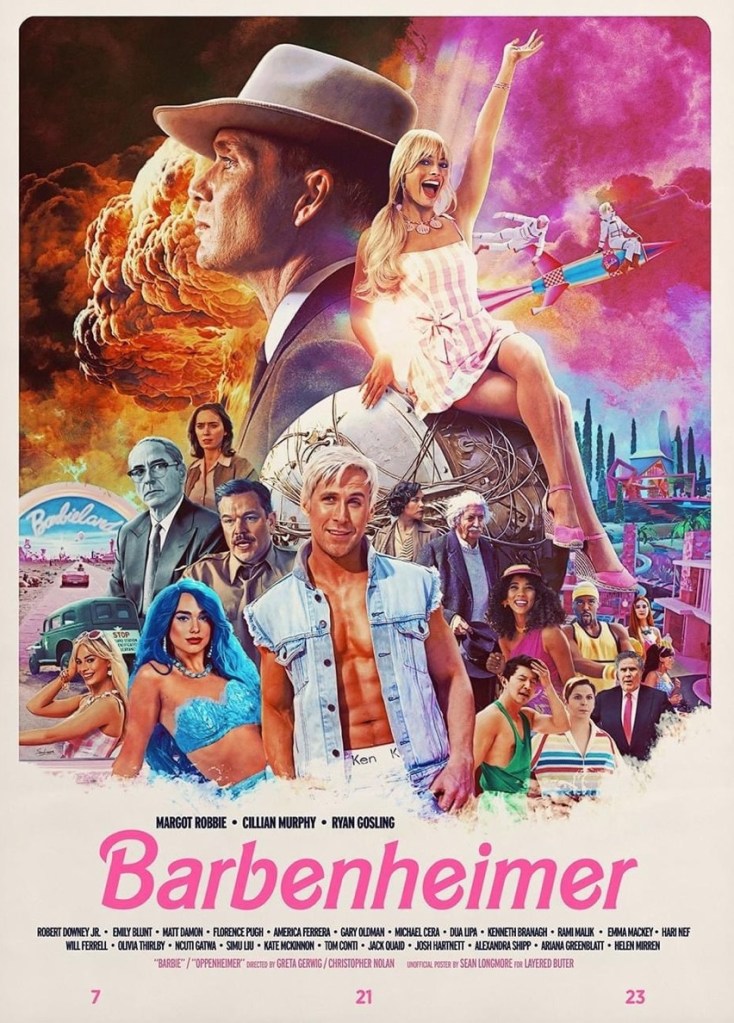
While counter programming is a normal business practice and happens all the time, every so often the two properties are so diametrically opposed to one another that they become oddly, bafflingly, intrinsically intertwined. Hence the Barbenheimer phenomenon. Universal Studios scheduled the release of Oppenheimer, Christopher Nolan’s grim film about the creation of the atomic bomb, for July 21st, which the more astute among you will recognize as being today. Warner Bros. looked at this and thought, “You know what? Ain’t nobody who goes to see Oppenheimer is gonna be interested in Greta Gerwig’s surrealist comedy Barbie adaptation. Let’s do it on the same day.”
Together again.
(There is also a theory that Warner Bros. may have chosen the date intentionally to stick it to Nolan, who – ironically – left the studio over frustrations with how they were treating their films in terms of theatrical versus streaming presentation, and jumped to Universal. I can neither confirm nor deny these rumors, but I bring them up now before some smarty-pants does so in the comments.)
On the surface, these films could not possibly be more different. One is a harrowing, bleak story about a chilling technology that, if placed in the wrong hands, has the potential to end all life on Earth, and the other stars Cillian Murphy. And once the release dates were announced, people on the internet did what people on the internet always do and tried to turn it into a stupid pissing contest. The question, as presented, became one of “Which movie are YOU going to see?” There is a loud and moronic contingent of social media who views literally every interaction as an opportunity to rank something as better than something else, to transform the entire world into a competition, and who are incapable of drawing joy from anything unless it means something else is being declared a failure. The French, with their beautiful and elegant command of language, have a word that perfectly describes people like this: buttwads.
But to everyone’s surprise, something glorious happened. Rather than drawing lines in the sand and choosing one film over the other, the internet as a whole looked Les Buttwads directly in the eye and said, “Why not both?”
It’s only a mild exaggeration to say that “Barbenheimer” has become a an actual movement. People are making memes, t-shirts, and posters mashing the two films together, sharing them online, and building an unlikely but delightfully wholesome community. Perhaps most importantly, people are also buying tickets. Gerwig and Barbie herself, Margot Robbie, have shared a picture of their tickets to see Oppenheimer, and Cillian Murphy has said he absolutely intends to see Barbie in the theater, encouraging people to do both films in the same day, adding, “Spend a whole day in the cinema — what’s better than that?”
This Barbie hits all four quadrants.
Most interesting to me, though, is that AMC Theaters has announced that over 40,000 of their “Stubs” members have bought tickets for both movies. Rather than being a question of which movie you’re going to see, the question has become which one do you see first. (The consensus, by the way, seems to be that you go with Oppenheimer first, then see Barbie as a sort of emotional therapy.)
I couldn’t agree more with what Murphy said. I’ve spoken before about how much I love the experience of going to the movies, and every time I see a story about theaters being in trouble it gets me anxious. (Don’t feel too special, Movies, “anxious” is my default mode. They recently redesigned the box for Velveeta Shells and Cheese and I’m struggling with it.) Something like this, though, is an EVENT. It’s something that makes people WANT to go to a movie theater. This is EXACTLY the kind of double feature I would have done back in the days before I had a five-year-old child and limited babysitting options. Both movies, independent of one another, looked interesting. This phenomenon has made it look like so. Much. Fun.
And ultimately, it’s fun that has to save movie theaters. Barbenheimer won’t do it alone, it would be naive to really believe that it could, but finding ways to make going to the movies FUN again ABSOLUTELY WILL. Turn movies into EVENTS, meaning an experience, rather than “something that costs $50 before you even get to the concession stand.” Have costume contests or trivia nights. Make theater exclusive giveaways and collectibles. Don’t just show us a clip of Nicole Kidman thanking us for choosing to go to a theater, give us a REASON TO MAKE THAT CHOICE, something that can’t be duplicated by a streamer.
The best movie experiences of my life have all revolved around events. When Avengers: Infinity War came out, I saw it at a special screening hosted by my local comic shop. Everyone got a poster, a comic grab bag, and a lapel pin of the Infinity Gauntlet, which was cool, but most importantly you were seeing the film with a packed room full of like-minded people. When Batman and Robin came out…well, the movie was dismal. But I’ll never forget how the theater had a temporary art installation in the lobby shared by a local collector who spent decades commissioning artwork of Batman from the greatest artists in comics. There were interpretations of the Dark Knight by everyone from legends like Neal Adams and George Perez to wacky contributors like Sergio Aragones. As much as I hated that movie, I loved that mini-event.
Hey, studios. I know you all want theaters to survive. So do I. So this is what you do:
Step 1: Pay your damn writers and artists what they deserve and kill the AI debacle so you can get back to making things.
Step 2: Make good movies.
Step 3: Look at what the fans have done for Barbenheimer WITHOUT your help, and find ways to make going to a theater fun again.
Sure, it’ll cost a little money to do so, but how much is it going to cost – both monetarily and culturally – if the entire movie theater experience collapses and disappears forever?
Come back some other time and I’ll tell you how to fix streaming. Spoiler: it involves paying your writers and actors what they deserve.
Blake M. Petit is a writer, teacher, and dad from Ama, Louisiana. His current writing project is the superhero adventure series Other People’s Heroes: Little Stars, a new episode of which is available every Wednesday on Amazon’s Kindle Vella platform. He’s sadly probably going to have to wait for both Barbie and Oppenheimer to hit VOD before he can do the double feature, so nobody spoil them for him.
Just a few weeks ago, I wrote about experimental storytelling, looking for movies, books, or other media that found a new, innovative way to tell a story. As tends to happen, shortly after I wrote that column, I stumbled across something that absolutely would have been under discussion had I been aware of it at the time. It’s kind of like getting home from the supermarket and realizing you forgot an essential ingredient for the cake you’re making for my wife’s birthday, and I better haul ass back over there before she gets home. As a purely hypothetical example.
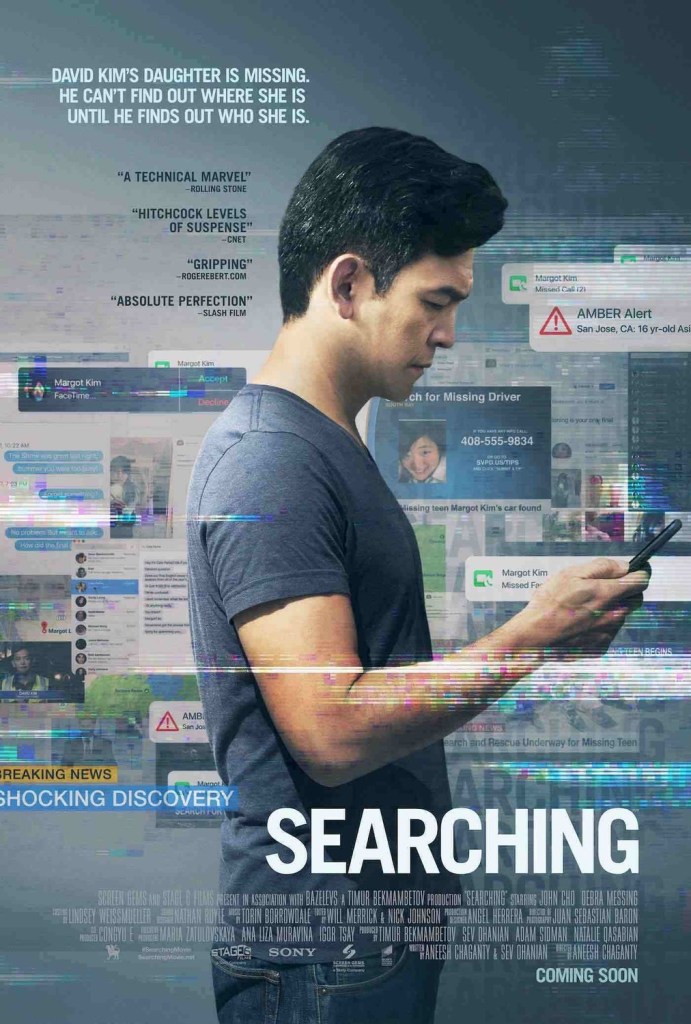
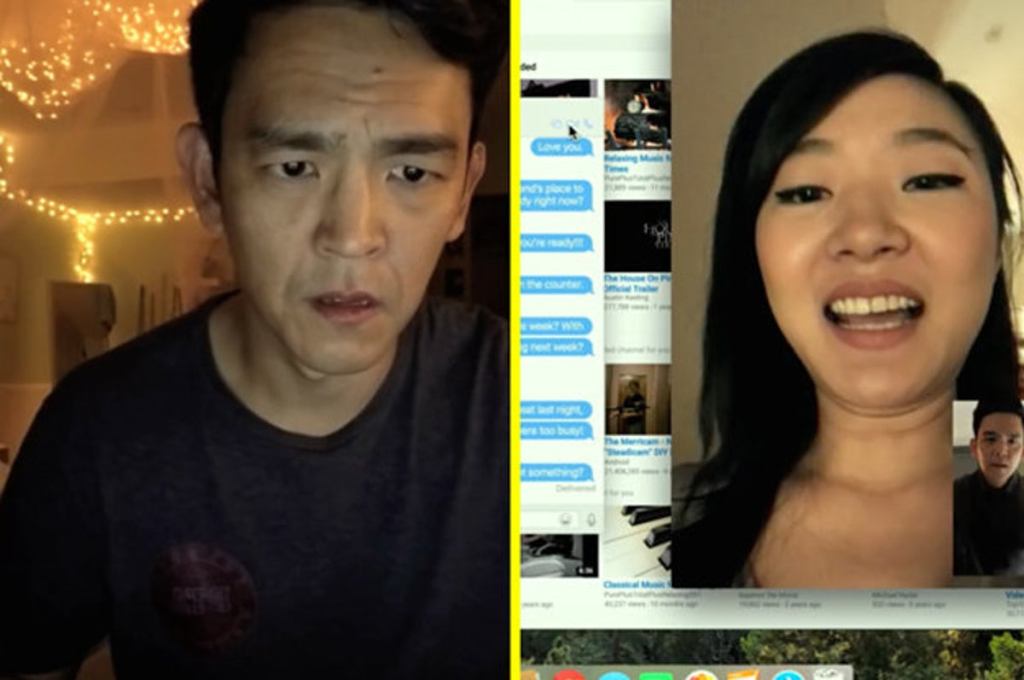
Last week I watched Searching, a 2018 film starring John Cho and Debra Messing, directed by Aneesh Chaganty, and written by Chaganty and Sev Ohanian. The film is a mystery and thriller about a father (Cho) whose teenage daughter (Michelle La) disappears, and the only clues he can find to her disappearance are those he can plumb from the depths of her laptop computer. Fortunately, despite the setup, they resisted the urge to do a Taken knock-off. The interesting thing about Searching is that the entire story is told through the screens of phones and computers. All you – as the audience – ever see is what appears on that screen.
John Cho checks his Reddit upvotes: THRILLER!
This isn’t the first movie to use that conceit, of course. I can think of at least three movies from the past decade told via computer screens: Open Windows (2014), Unfriended (2014), and Host (2020). Those three movies all have far more in common with each other than Searching, though. First of all, those are all horror movies. Second, the things we see on the screen in those films are mostly open Windows for Skype, Zoom, or other such teleconferencing aps. Although there is some playing with the format, in many ways they’re an evolution of the found footage craze.
Searching is different. We still see the actors on screen fairly frequently (there’s a lot of Facetime happening in this movie, plus security footage, TV news broadcasts, and other justifications to put them on camera), but that’s not the usually compelling part of the film. The interesting thing is seeing Cho’s character using the information on his daughter’s laptop to track her down: old vlogs, emails, and different social media and other accounts that, over the course of the film, paint a picture of the girl he raised. It helps the audience to understand her, and from a storytelling standpoint, it also helps Cho to realize he no longer really knows his daughter the way he believed he did. The mystery is good. It’s compelling. But the format is what I really want to talk about today.
Although some of those earlier movies I mentioned do some of the things we see in Searching, it’s the way the movie uses the digital space that makes it stand out. We’re watching this mystery solved as the different elements are revealed to Cho. It’s not exactly realtime, there are jumps and lapses and the whole film takes place over the course of about a week, but it almost feels like realtime. We get to see things from Cho’s perspective – a text message he types then deletes unsent, for example – that reveal things about the character. In a conventional movie, this is all the stuff that happens before the scene where the detective shows up and says, “I found some information about your daughter, Mr. Kim.” In this movie, that stuff is the story. You wouldn’t think a scene focused on someone trying to change their Gmail password would be tense and compelling, but I’ll be damned if Chaganty didn’t make it work.
The face of every parent checking out their teenager’s browser history.
At least part of it, I think, is that it feels so relatable. We’ve all used social media, we’ve all done Google searches…we actually know what it is that Cho’s character is doing throughout the film, so we’re anxious to see the result. Occasionally, our familiarity with the language of computers clues us in to information that may not be immediately obvious to the detective himself if he’s not looking at the right area of the screen. And most importantly, in this digital age we live in, it seems very possible that REAL mysteries are solved this way now. All of this together made it a film that was fun to watch.
This raised a question, though. Did I like Searching because it was a good story, or did I like it just because it was an original gimmick? There are a lot of storytelling gimmicks that are cool the first time you see them, but get stale quickly. 3-D is the best example I can think of. Sure, there’s a visceral thrill to seeing a 3-D movie…or at least, there was the first 500 times it was done. But I have yet to see a movie in which 3-D actually improved the story, and that’s what it will take to convert me. I call it the “Wizard of Oz” moment. That was the movie that demonstrated that color could be used to make a story better than it would be in black and white. I haven’t seen 3-D’s Wizard of Oz moment.
And that’s what I needed to answer about the way Searching was told. Was this “on-screen” narrative technique something that could add new elements to the vocabulary of cinema, or was it just a one-off trick that would grow stale if repeated? There’s no way to answer that without trying it again.
And so they did.
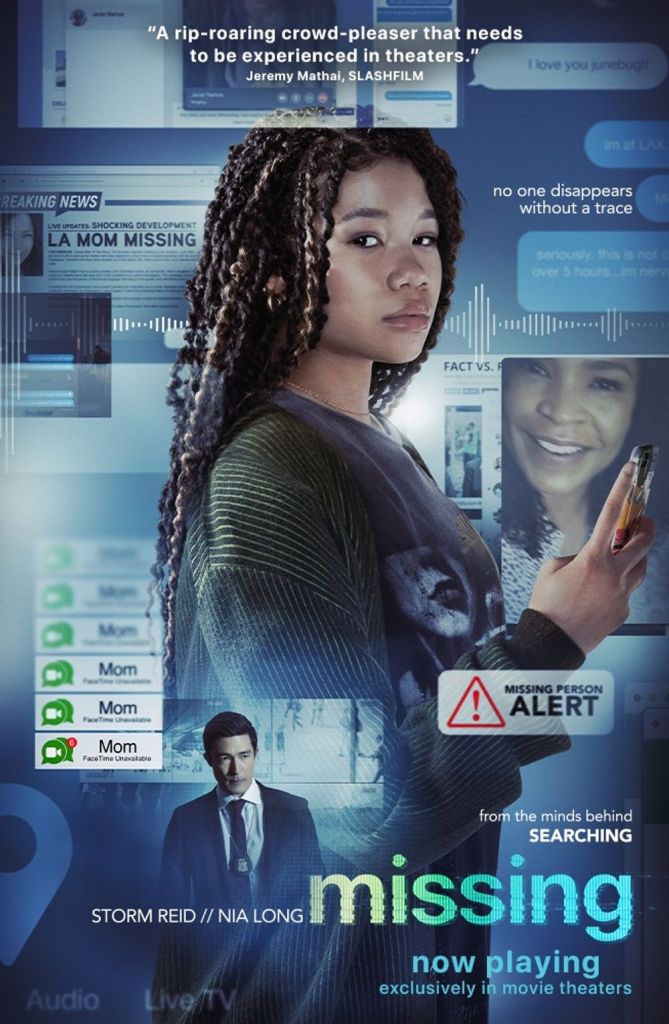
Earlier this year we got Missing, a sort-of sequel to Searching written and directed by Nicholas D. Johnson and Will Merrick. I say “sort of” because, although it continues the use of the on-screen narrative, the stories really aren’t connected in any way. It’s a new cast, a new mystery, and except for a few times where the characters reference a Netflix “true crime” series they watch that (in-universe) depicts the events of the first movie, there’s no connection between the two whatsoever. In Missing we follow the efforts of a daughter (Storm Reid) trying to track down her mother (Mia Long), who never comes home from a vacation in Columbia with her boyfriend (the terribly-underutilized Ken Leung).
Storm Reid checks her Reddit upv — what, they can reuse the poster but I can’t reuse the joke?
Okay, so it’s another missing person movie. But complaining about that would be like going to see a Chucky movie and complaining that they’re using that talking doll again. It’s just the conceit of the franchise. The question is whether the sequel can tell a satisfying story, now that the audience has seen and is used to the trick of following the events on the computer screen. And from my perspective, at least, the answer was yes.
Except for the missing person angle, Missing really doesn’t borrow from Searching in the plot department. First of all, using the teenager as the protagonist (and, for purposes of the story, the main detective) makes us approach the story in a different way. Her resources weren’t quite as vast as those of an adult, and she was less likely than an adult may be to sit back and wait for the police to take care of matters happening in another country. This leads to an unlikely friendship between Reid’s character and Joaquim de Almeida, who she contacts using an app to hire someone for minor chores and turns him into her man on the ground in the country where her mother disappeared, but she can’t follow. The way the two of them work together from thousands of miles apart to unlock clues is entertaining and leads to some touching moments.
There are, admittedly, a few times where it seems like the filmmakers are aping Searching a little too closely, but they wind up using those as opportunities for plot twists and surprises. Without getting into spoiler territory for either film, I feel like anyone who has seen Searching will have certain expectations that make it almost impossible to identify the villain of Missing until the reveal. Storm Reid’s character and circumstances are different enough from those of John Cho that it doesn’t feel any more derivative than any other two missing person movies you might watch.
Like all sequels, there is an imperative to escalate the story. The scope is broader – the movie goes international this time – and the climax is told more through security camera footage, making it a bit more traditionally “cinematic” than the first film. Even then, though, the story manages to use the concept and the characters to their advantage, providing a key piece of information that would have been a little dull if they tried the same trick in a conventional movie. The important thing here is that, once again, the style worked. And if it works twice, that’s a good indicator that it may not just be a gimmick, it may be a legitimately new way to tell a story.
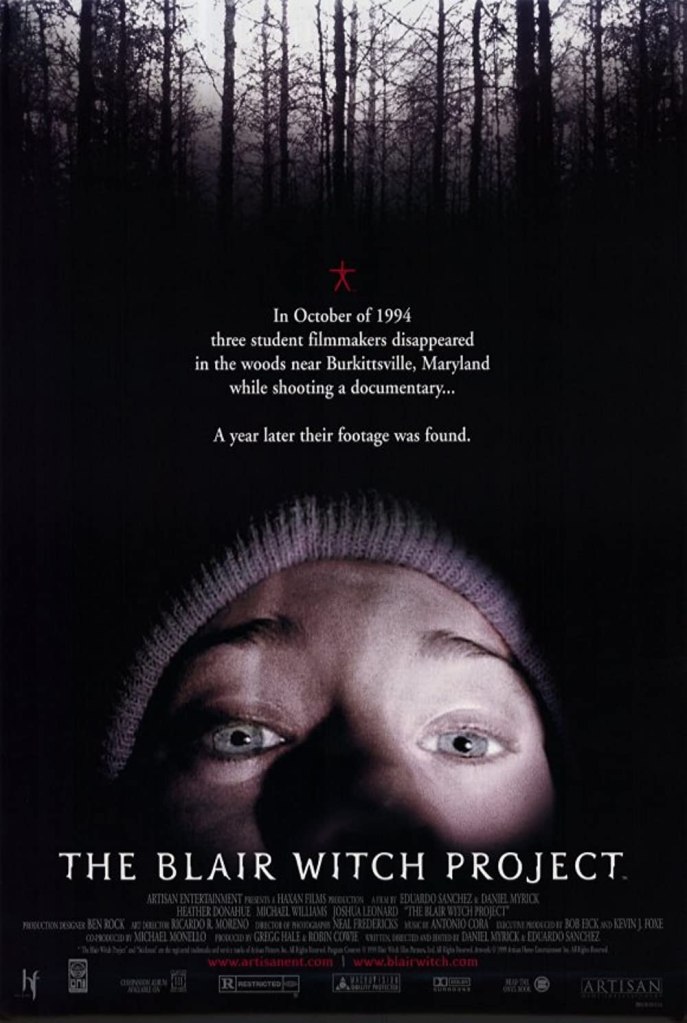
I think, to me at least, that’s the difference between a gimmick and a new storytelling technique: repeatability. The aforementioned found footage movies are a perfect example. The Blair Witch Project wasn’t the first found footage movie, but it catapulted the concept into the mainstream. Several years later Paranormal Activity brought it back. Both of them inspired dozens of imitators that were found wanting, but that doesn’t mean found footage itself can’t work. It just needs to be applied to the right project. Although there have been found footage films in numerous genres, the most popular and successful examples have usually been horror movies, which lend themselves to that format very well. Similarly, this “on-screen” narrative works very well for a mystery, because what you’re really watching is somebody trying to piece together a puzzle. Do I want to watch a thousand crappy mystery movies about someone using their kid’s laptop to track them down? No. But now that the format is out there and proven, I am very interested to see what other kinds of stories can be told this way.
She was actually crying in this scene because they made her watch the sequel.
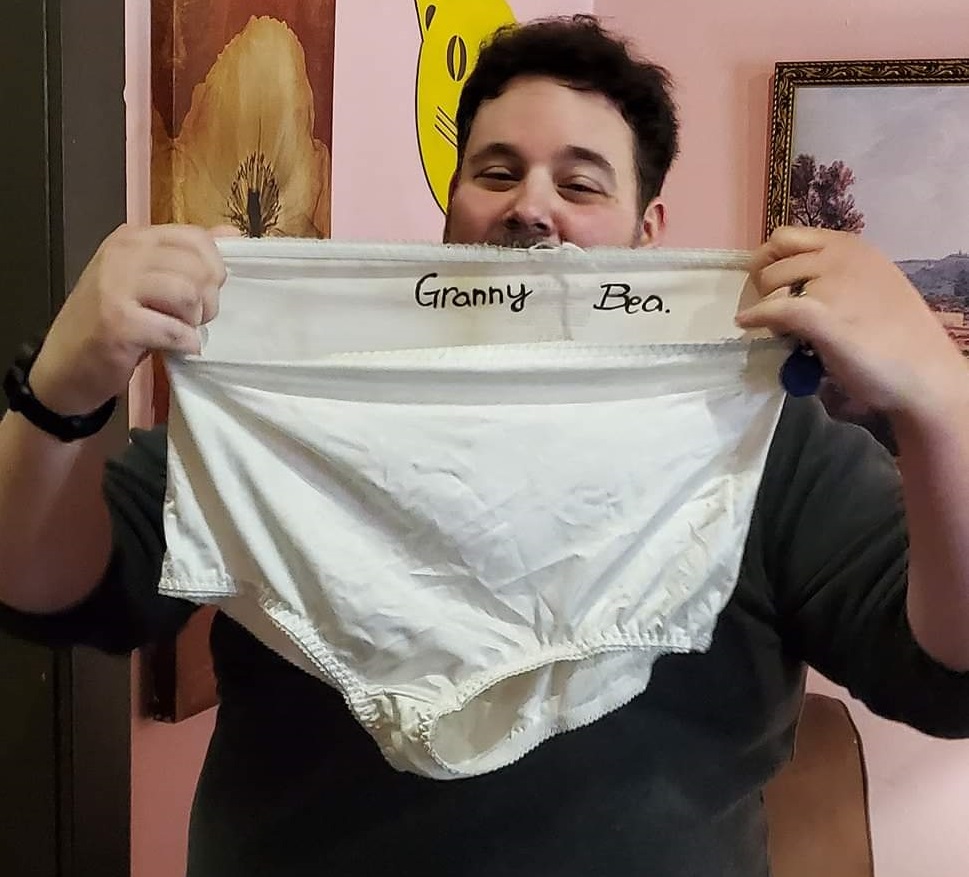
And that doesn’t just mean in movies, either. The more I think about this setup, the more I think it could make for a very compelling video game. It would be a sort of digital equivalent to an escape room. In fact, it reminded me of the last time I played an escape room on a family vacation to Hot Springs. In the game, we used a deceased relative’s computer to sift through documents and emails to figure out where in the room to look for clues. For my nieces and nephew, the high point of the game was when I retrieved a hidden clue tied to a pair of ancient granny panties from an air duct, but for me I really enjoyed the way the game was put together, which I think would translate digitally very well.
This photograph is the reason I can never run for political office outside of Chicago.
I can imagine a game where the player takes the role of the detective, similar to John Cho and Storm Reid in their respective films, and has to crack some sort of mystery. As the game begins you are presented with a laptop interface with a video clip that you’re instructed to play to set up the story, then you use the information on the computer to crack the case. This would, admittedly, be a pretty substantial undertaking. The game would have to come preloaded with documents, files, video and audio clips, emails, social media platforms…it’d be a task to plan the whole thing out and produce all of the clues necessary, not to mention figure out a way to guide the player through it in a way that creates a satisfying experience, but I honestly think it would be a lot of fun.
I should mention here that I am not a gamer, I haven’t owned a video game console since my parents got a Sega Genesis I shared with my brother and sister, so it’s entirely possible that what I just described already exists. If it does, I don’t know about it, but I would be very interested if you could point me in that direction. In fact, I imagine at least three of you have already posted an angry response to point out my ignorance of some game that fits the pattern exactly. (“Clearly you’ve never played Leisure Suit Larry 19: Larry’s Hard Drive.”) If so, just send me a gentle notification, will you? Especially if it’s a mobile game.
I’m happy to find something that I hadn’t encountered before. Storytelling is one of my favorite things in the world (it comes #3 after my family and the return of the McRib), so any time someone can show me a way to do it that I haven’t seen before, I’m fascinated. I’m just crossing my fingers that the storytellers who see Searching and Missing and think “I can do that” learn the right lessons instead of just hitting copy and paste.
Blake M. Petit is a writer, teacher, and dad from Ama, Louisiana. His current writing project is the superhero adventure series Other People’s Heroes: Little Stars, a new episode of which is available every Wednesday on Amazon’s Kindle Vella platform. It’s kind of amazing how much better the security was on John Cho’s kid’s laptop than in the entire Louisiana Office of Motor Vehicles.
A little over a year ago, in an effort to get people on Facebook to talk about something positive rather than simply despising each other as loudly as possible, I asked the following question: “What are some movies (sequels notwithstanding) that are virtually flawless in all respects, that there is no way you can imagine them possibly being improved upon, and that any discussion of remaking them would be the purest hubris?”
The goal behind this was simply to get some good-natured conversation going for a change, to get people talking about “perfect” movies that they love, but I was quickly amazed by the variety of answers I started to receive. It was also telling to me how widely spread the responses were. Plenty of classic movies got mentioned, as well as a lot of modern popular hits, but then there were the obscure movies like the Japanese drama An Autumn Afternoon or the pre-blockbuster Eddie Murphy action movie 48 Hrs. Now when I say a “perfect” movie, to me that means that there is no legitimate criticism or room for improvement, that everything about the movie is as good as it could possibly have been in the time and place in which it was made. This is, of course, inherently subjective, but that’s the point. I can give the definition to anyone, but it’s seeing what movies they think qualify that really became intriguing to me.
So I wound up doing what I usually do when I’m talking about movies and I get caught up in it: I went to Letterboxd and made a list. (Side note: I love Letterboxd. It’s one of my favorite places on the internet. It’s a social media platform where movie lovers can write reviews, share lists, and talk about movies. It’s a wonderful place for movie fans. It’s what Goodreads should be for books, if Goodreads wasn’t owned by Amazon now and every other click on the site didn’t attempt to divert you to spend money.) I listed every movie that someone suggested as being “perfect,” according to their own criteria, and I ranked them based on how many people suggested each one. I thought today it would be fun to walk through the list of suggestions I’ve collected since last year, talk about them a little, and then throw open the door for more. This list is a never-ending work in progress, so I’m always happy to hear what you think deserves a place here.
“It’s flawless.” “But doesn’t his own mom hit on–“ “FLAWLESS.”
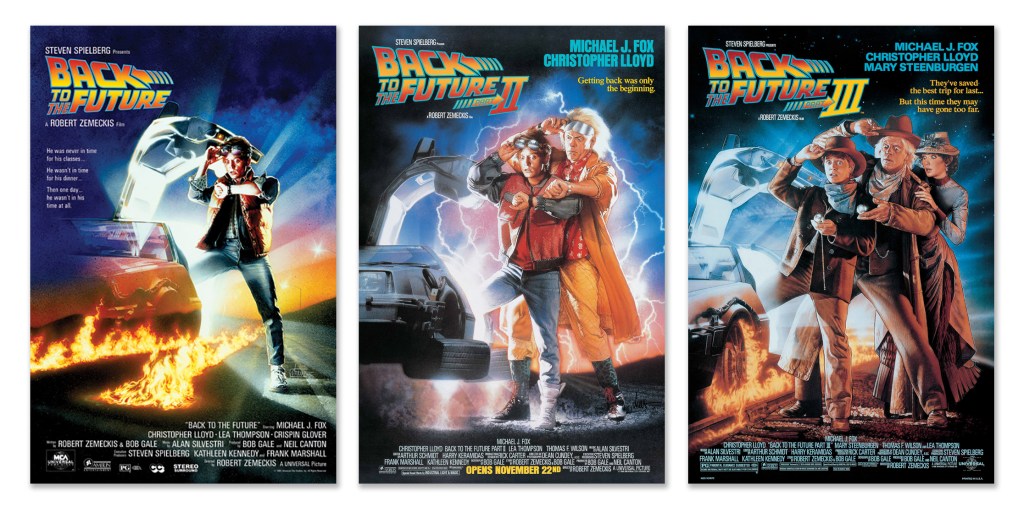
So far, 339 separate movies have been suggested by at least one person. Of those, I’ve seen 237 of them, and although I definitely don’t agree with all of them, that’s okay. The point is to see what SOMEbody thinks is perfect, not EVERYbody. The top choices, however, are pretty tough to argue with. The #1 choice, “nominated” by 12 separate people (myself included) is Back to the Future. The last time I mentioned Marty McFly and the Doc in this column, it was when I talked about Pop Culture Comfort Food – the whole trilogy is something I can throw on to make myself feel better on a bad day, but there’s something about that first movie that’s practically sorcery. Writer Bob Gale and director Robert Zemeckis found a way to weave together sci-fi time travel gobbledygook with a story that’s funny and uplifting, with a musical score by Alan Silvestri that I’d put among the top five of all time. I don’t want to get too deep into what makes this movie perfect because, let’s be honest here, you probably already know. I don’t think I’ve ever met anybody who doesn’t love the original Back to the Future, and if I did, I don’t think I could trust them.
The only reason that anyone uses the phrase “as you wish” anymore.
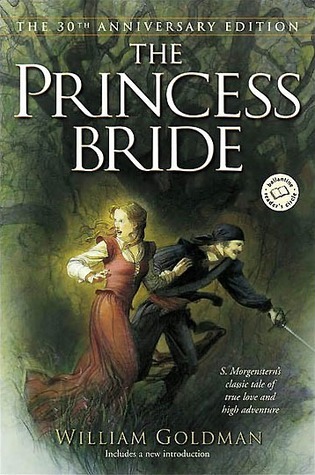
The second movie on my ranked list is also one of my comfort films (although when I wrote about it before I was talking more about the book than the film): Rob Reiner’s adaptation of William Goldman’s The Princess Bride. Eleven people suggested this one – a romantic comedy that’s full of classic quotes and unforgettable characters. It’s a fairy tale that makes everyone believe in love without making it seem like something that can only exist in fairy tales. It’s the reason people who aren’t wrestling fans know who Andre the Giant was. And sure, there are some bits about it that crack a little under scrutiny: in the fight between Westley and Inigo, for example, it’s horribly obvious when Cary Elwes is replaced by a stunt double to do flips on a bar, and the edges of the hidden mat are clearly visible when he lands a few seconds later. But I wouldn’t change those if I could – even those things are part of the film’s charm. Even the things that aren’t perfect IN The Princess Bride are perfect FOR The Princess Bride. It’s pretty telling that among the very few things that people on the internet can agree about is that NOBODY wants to see a remake of this movie.
Moving down the list from this point, a modern psychologist or anthropologist could really start to paint a portrait of the kind of people I associate with on social media, because The Shawshank Redemption and The Big Lebowski got seven votes each. These are two films that are enormously popular among people my age, movies that came out during those high school and college years in which many of us formally adopt the pop culture influences that become permanent parts of our identities. Shawshank is one of my personal favorite films, a film that takes the setting of a brutal New England prison and weaves a story about undying hope that is, in its own way, as inspiring as The Princess Bride itself. It’s a little hobby of mine to tell people who don’t already know that it’s based on a book by Stephen King, especially if they don’t like horror and they think that’s all he can write.
Add in The Matrix and you’ve got 74 percent of college dorm walls circa 1999.
The Big Lebowski was my generation’s Rebel Without a Cause, a movie that was elevated to a lofty position based on the Rule of Cool. People saw in Jeff Bridges’s character a sort of carefree slacker god. “The Dude” became a role model, and while the lifestyle he enjoys in the film isn’t really something that works in the real world, that doesn’t particularly matter when it comes to making us fall in love with a movie, does it?
There are two kinds of people: people who love The Iron Giant and people who…I don’t know…probably murder kittens in their sleep.
The Iron Giant got six mentions, and if there’s any movie that deserves more it’s this one. The story, about an alien robot who falls to Earth and learns what it means to be human, resonated with me instantly. It’s the best Superman movie without Superman in it that you’ve ever seen, and it’s easily the most animated performance Vin Diesel has ever given.
Next up, we get clumps of movies with the same number of votes. Five people each voted for Alien (the original), Clue, The Godfather, and Groundhog’s Day, and I would not argue with any of them. Four votes each go to Casablanca, Heathers, Labyrinth, The Lord of the Rings: The Fellowship of the Ring, Raiders of the Lost Ark, and my wife Erin’s favorite movie, Jaws. Again, there’s nothing here that I would really disagree with, except to say that I think some of those deserve a higher rating (which you, dear reader, are invited to provide if you’re so inclined).
Two movies made perfect by way of subtraction.
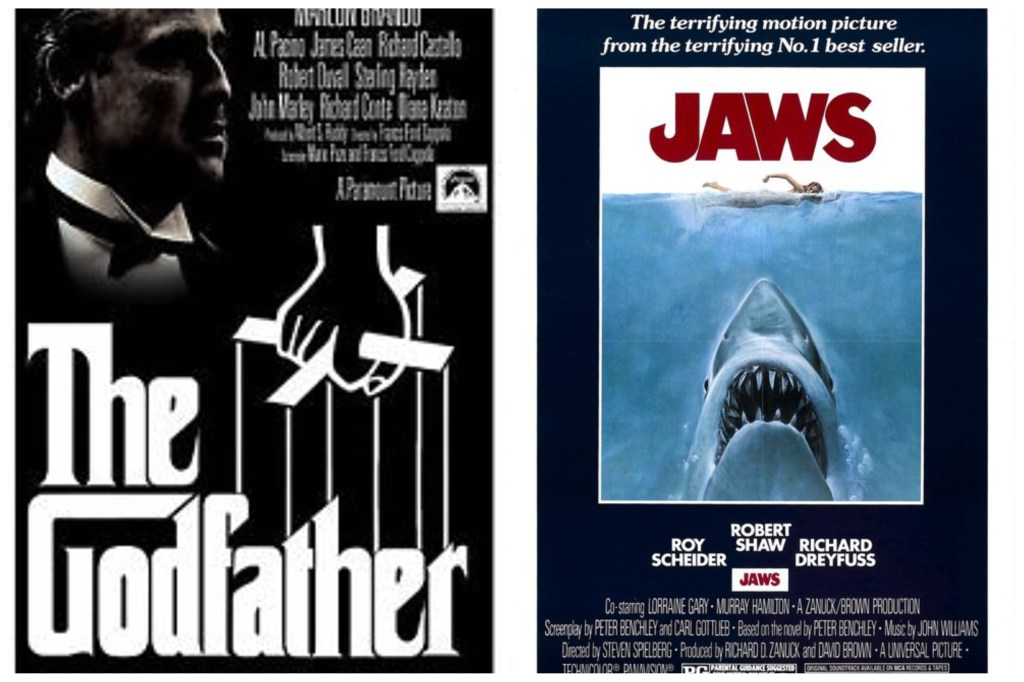
I do want to point out here that The Godfather and Jaws both occupy places on a very small but important list: movies that are better than the book they’re based on. The standard argument is that the book is better, and I agree that it’s usually true, but these two pretty darn perfect movies both got that way by jettisoning parts of the respective books that would have hurt the films. In the case of The Godfather, a long and rather uncomfortable subplot about Johnny Fontaine and his sexual conquests is reduced to little more than a cameo for the character in the film. The subplot is unpleasant to read and really has nothing to do with the story of the Corleone family, which is what the story is really about. In the case of Jaws, there’s a subplot about Ellen Brody having an affair with Matt Hooper, which is obviously the sort of shenanigans that the wife of the police chief worried about a killer shark and the marine biologist who has been called in to help capture said shark are going to get down to in between measuring the bite radius on the remains of the victims. I don’t know, maybe it had something to do with the 70s, the idea of throwing in unnecessary storylines about people gettin’ down, but thank goodness the filmmakers had the good sense to leave those parts out of the respective films. Had they gone in intact, I don’t know that I could support either of those movies being on this list.
I’m not going to go through the entire list here – there are still over 300 movies that I haven’t mentioned yet. But I invite you to read the list yourself and let me know if you agree or disagree. The list is a work in progress. I’ve added several movies myself since I first drafted it (Everything Everywhere All at Once being the most recent film that I’ve seen to make the cut) and I’ve periodically asked for more suggestions. Now I’m asking you. Are you irritated that your favorite movie didn’t get mentioned? Hey, mention it yourself! You think a movie that’s down at position #187 deserves to be higher? Give it a nomination and it’ll move up. You’re angry because you don’t think #163 deserves to be on the list at all? Well, sorry to say it, but that’s not going to change. Even if you don’t like it – even if I don’t like it – somebody called it perfect, and that’s all it takes to get on the list.
You can make suggestions here on the blog, on the Letterboxd list itself, or on whatever social media platform you used to follow the link. And remember the ground rules: first, no “joke” suggestions. Sarcasm doesn’t always translate that well on the internet, and if I think you’re suggesting something ironically, I’m just going to throw it out. Second, no BULK suggestions. Don’t just say, for instance, “all the James Bond” movies, because there are 26 of them and if you say “all of them” I’m going to question your critical thinking skills. And finally, be specific. Some stories have been told more than once, some titles have been used multiple times. Don’t just say Hamlet, tell me WHICH Hamlet – preferably the year of release, but at least tell me who the actors are so I know which version you’re voting for.
If nothing else, it’s a chance to see what movies people love, what movies matter to people, and to make your voice heard at least a little. And for the chance to talk about what people enjoy, I think that’s worth the few moments of thought.
Blake M. Petit is a writer, teacher, and dad from Ama, Louisiana. His current writing project is the superhero adventure series Other People’s Heroes: Little Stars, a new episode of which is available every Wednesday on Amazon’s Kindle Vella platform. TV shows don’t count for this experiment, unfortunately, or else his son would no doubt have forced a thousand episodes of Paw Patrol onto the list.
No matter what your particular fandom is, there are many different strains of Geekery – the Viewer just watches the movies or shows, the Shipper is obsessed with who is (or should be) hooking up with who, the Collector wants the merch, the Debater just likes to argue – and all of them are perfectly valid. One of the more difficult ones to be, though, is the Completionist. The Completionist is someone who wants to read, watch, or play every incarnation of their favorite franchise, no matter what. (When you cross this with the Collector, you wind up with someone who can open a museum.) Being a Completionist can be time-consuming or all-encompassing if you allow it to be, which is why I try to restrain myself, because I definitely have Completionist tendencies. I can refrain from reading every Star Trek novel ever written, but I definitely want to watch every movie and TV series in the franchise, even the one I don’t like. (Yes, that’s singular.)
Completionism is more difficult with some properties than others, of course. Fans of modern franchises like Game of Thrones or Harry Potter have it relatively easy – the number of books, movies, and TV shows is comparatively small and all of them are easily available for anyone who wants them. A George R.R. Martin Completionist’s fear is that the series will never be finished, not that they won’t be able to find it. But it gets much more difficult if you’re a Completionist for an older property, especially one that has lapsed into the public domain. For example, I’m a big fan of L. Frank Baum’s Land of Oz, and if I really wanted to, I could spend the rest of my life trying to complete my experience in that world and never have a chance of success. When Oz is mentioned, the average person usually thinks of The Wizard of Oz, the 1939 film starring Judy Garland and absolutely zero suicidal Munchkins, no matter what Freddy Campbell told you in sixth grade. The movie is, of course, a legitimate classic, and everybody has seen it. Fewer people have read the novel it’s based on, The Wonderful Wizard of Oz, although most people are probably at least vaguely aware that it exists. What even fewer people understand, though, is just HOW MUCH Oz content exists in the wild.
Wait a second, I think Google Image Search may have screwed something up here…
Baum himself wrote 14 novels about Oz, plus assorted short stories, some stage plays, and even a couple of silent movies. After he passed away, his position of “Royal Historian of Oz” was passed on by the publisher to Ruth Plumly Thompson, who wrote even more books than Baum before the title got passed along again. All in all, the “original” Oz series consisted of FORTY different books by seven different authors before it was retired in 1963. Not that the authors retired, though. Many of them wrote other Oz books later in life, although those are not usually counted among the “Famous Forty,” as they are known to Ozites.
But this is only the beginning. In addition to the seven official “Royal Historians,” other people started to put out their own versions of Oz, even before the earliest books started to slip into the public domain. W.W. Denslow, the illustrator of the original Wizard of Oz, tried doing his own Oz stories without Baum after the two had a falling-out, although they didn’t enjoy the staying power of his collaborator. Some of Baum’s own children wrote Oz books that wound up getting squelched when they were sued by their father’s publisher for violating their copyright. But once the Baum books went into Public Domain, things exploded.
A quick explanation of Public Domain, just in case there’s anyone who doesn’t know what that means: when someone makes a creative work, they (or their employer, if it’s a work-for-hire) automatically own the copyright to that work. Copyright can be sold, transferred, or licensed, but only the copyright owner has the legal right to profit off that specific work in any way. Eventually, some time after the creator’s death, copyright expires and these creative works lapse into what is called Public Domain, which means that nobody owns the rights any longer and anybody is free to create their own derivative work based upon it. It’s the reason why so many people do their own versions of Shakespeare’s plays and why there are ten billion different versions of Charles Dickens’s A Christmas Carol – you don’t have to pay anybody to use the story, but you still get to trade on the public opinion of the name to build your audience. Copyright laws have changed over the years, mostly due to the efforts of the lobbyists working for the major IP holders (Disney in particular) trying to get it extended over and over again, but eventually it does end. It’s going to be really interesting to see what happens when Steamboat Willie, the first Mickey Mouse cartoon, finally enters public domain next year.
Another masterpiece brought to you courtesy of Public Domain.
Having said that: a work can be in public domain, but the derivative works can still be copyrighted. The Baum Oz novels are in public domain, but the MGM movie is not, so you cannot use any elements specific to the film in your own work without paying up. The best example of this came with Return to Oz, the 1985 Disney film that you may remember as giving you nightmares when you were seven years old. The movie was based on the second and third Baum books, The Marvelous Land of Oz and Ozma of Oz, and they were free to use those elements, but they also wanted one of the most iconic symbols of Oz: the Ruby Slippers. The problem is that in Baum’s books, Dorothy’s magic shoes were silver. MGM changed them to Ruby to better show off their Technicolor process, and they still owned the copyright on Ruby Slippers, so Disney had to pay them for the right to use Ruby Slippers in the film. Crazy, right?
This one shot cost Disney seven times your annual income.
Anyway, once the copyright finally ended on the earliest Oz books, the ones by Baum, it became legal for anybody to tell their own versions of or use elements from that story as they wished. From SyFy’s Tin Man miniseries to the classic musical The Wiz, the public domain nature of Oz has led to hundreds if not thousands of derivative works. And here’s where it gets hard to be a completionist: not only is there simply too much stuff out there to read or watch it all, it’s almost impossible to even create a comprehensive list.
A while back, I decided to try to compile a list of Oz books and short stories, but even with the help of websites like The Royal Timeline of Oz or their sister website, Wikipedia, it became apparent that the sheer volume of what I was attempting to do made it nearly impossible. I started putting together a Google Sheet with all of the different Oz books I could find, a list that as of this writing is breezing past 400 different works and still going. That’s to say nothing of the hundreds of Oz comic books (a few of them are on my Sheet, but not nearly all) or countless movies and shorts that have been built around Baum’s universe. By the way, I invite anyone interested to take a look at my sheet and let me know what I’m missing – I may never finish the list but I’ll never stop adding to it either. It’s the Completionist in me.
You see, in addition to the “official” works, dozens of other publishers have taken it upon themselves to continue the stories, both in ways that are faithful to Baum’s original works and others in ways that Baum may never have considered or even approved of. That’s another aspect of Public Domain: the fact that anybody can make a derivative work can often draw upon people who are doing so not out of love for the original property, but in an attempt to subvert it. Earlier this year, for example, we saw the release of the film Winnie the Pooh: Blood and Honey, which takes A.A. Milne’s beloved icons of childhood joy and innocence and turns them into bloodthirsty horror movie slashers. Give me a break.
Oh, bother.
Look, I like horror movies. I like slasher movies. I like goofy slasher movies. But I don’t care for people who take a crap on precious childhood memories. Characters like Pooh and Tigger are beloved by children all over the world – do they really need to see Pooh gutting somebody with a chainsaw? Full disclaimer here: I have not seen Blood and Honey, nor do I intend to, because it’s the concept itself I dislike. (Quick note to mention that it’s the original Milne books that are in public domain, not the more well-known Disney version of Winnie the Pooh. Man, it always seems to come back to Disney, doesn’t it?)
That doesn’t mean that there’s no room for a dark derivative of an old story, of course. Let’s run down the Yellow Brick Road again to Gregory Maguire’s Wicked, a novel of Oz that tells the life story of the Wicked Witch of the West. Like the original Wizard of Oz, Wicked is a fine novel that has been somewhat overshadowed by its own musical adaptation, but no matter which version of the story of Elphaba you’re enjoying, it’s definitely a more mature version of Oz than Baum ever wrote. With Wicked, though, Gregory Maguire was using Baum’s backdrop to tell an intriguing story, something with interesting social commentary, something that had a point. I have no problem with that whatsoever. What bothers me is when someone twists an icon of childhood without a good reason to do so, when somebody creates something shocking just for the sake of being shocking. I don’t care for that. I don’t respect it. And everything I’ve seen of Blood and Honey makes me feel like that’s what the movie does. If I’m wrong, by all means, let me know.
Anyway, the point is that with all of the Oz out there, it seems impossible that I’ll ever get through it all. I’ve read all of the Oz books Baum himself wrote, but I haven’t made it through the rest of the Famous Forty yet. I’ve enjoyed Eric Shanower’s original graphic novels and I loved the adaptations of the Baum originals he did with Skottie Young for Marvel Comics, but Zenescope Comics’ Grimm Fairy Tales has a whole Oz spinoff line that I’ve barely touched upon. I’ve still got three out of four Wicked Years books to read, and I’ve only begun to scratch the surface of the series by later authors like March Laumer or Baum’s own great-grandson Roger S. Baum. And this is to say nothing of the “official” productions that are still coming out! The International Wizard of Oz club produces an annual magazine, Oziana, which always includes new short stories (and sometimes even short novels) set in Baum’s world. And as they had the utter temerity to begin publishing Oziana back in 1971, before I was even born, it seems quite unlikely that I’ll ever be able to track down every piece of Oz media that exists.
Slow down! I’ve got twelve decades of IP to catch up on!
But that isn’t going to stop me from trying, is it?
Completionism is a fool’s game, my friends, and it’s a game that most of us are doomed to lose. But even so, it can still be an awful lot of fun to play.
Blake M. Petit is a writer, teacher, and dad from Ama, Louisiana. His current writing project is the superhero adventure series Other People’s Heroes: Little Stars, a new episode of which is available every Wednesday on Amazon’s Kindle Vella platform. He is most definitely not writing this column just to give people ideas for what to get him for Father’s Day, his Birthday, Christmas, or International Oz Completionist Day.
Reportedly, there are studies that indicate people like rewatching old TV shows and movies because there is comfort to be found in familiarity. I don’t have those particular studies in front of me because I don’t feel like looking them up at the moment (this is a highly scientific approach), but I completely believe it. When the world is starting to be too much, I often find myself going back to movies, books, or comics that I have enjoyed before. There’s something about returning to old stories that makes it feel like you’re reconnecting with a friend. There’s an ease and a comfort that can be desperately needed when there’s a weight on your shoulders, when the anxiety begins sending the pins and needles across your skin, when every text or phone call makes you worry that the worst has happened. I go back to these things a lot, is what I’m saying.
And since I know I’m not alone in this, I thought that this week I would share with you some of my storytelling comfort food. I’m going to tell you one example from each of my preferred forms of media (movies, TV, books, and comics) that I can and have returned to more times than I can count, stories I know as well as the walk from my car to the front door, characters who are as close to me as family. When I’m feeling down or beat up or that nothing is going to be okay, these are the places I turn to so that I can be reminded…sometimes it can be.
Movies: Back to the Future
A series that never fails to take you back in time.
In the interest of clarity, I guess I should say the Back to the Future trilogy, because heaven knows I can never stop with one. The first movie came out when I was 8 years old, and I distinctly remember sitting down in front of the fireplace after my parents rented it and put the VHS tape in. I remember how quickly and deeply I fell in love with the film and how we went to the movies together to see Part II, and how we went out during a storm while out of town on a family vacation on the opening weekend of Part III to see just how the saga concluded. I even remember my father commenting on the weather and saying that anybody who went out in it to see the movie must have been a die hard fan. Which, of course, I was.
I know I don’t have to explain to anyone why these films are so great, and I’m certainly not going to waste any time on a recap, but I’m going to tell you what it is about them that makes me feel better. Part of it, like with all of the things I’m going to share with you, are the characters. There’s something about the unorthodox friendship between Doc Brown and Marty McFly that resonated with me even as a child. I had already spent years dreaming of being picked up by a tornado and thrown to Oz or finding a closet door with a passage to Narnia, but even at eight it was starting to seem like either of those would be a stretch. Finding an eccentric mentor who would bring me along on grand adventures seemed much more plausible. Even now, at a stage in life where I find myself relating more to Doc than Marty, that relationship seems pure and genuine. (Ironically, I think that’s part of the reason Rick and Morty became so popular so fast – it’s a parody of the Doc/Marty relationship, but that parody wouldn’t have worked as well if there was something foul or sordid about the original.)
Then there’s the basic fantasy of time travel, of being able to hop into a machine that can whisk you away to another place. The idea of seeing the past and the future is tantalizing, and I would be lying if I said I wouldn’t be tempted to use Gray’s Sports Almanac the same way Marty intended to.
The other thing, which people may perhaps not think of immediately but I consider of utmost importance, is the music. The best movies often have memorable scores, but Alan Silvestri’s composition is one of the all-time greats. The sweeping tones automatically bring to mind the film, hit those triggers in your memory and pull you into the world of Hill Valley, and charge your heart with anticipation. The music moves from exciting to thrilling to, ultimately, triumphant. When you hear Alan Silvestri’s score to Back to the Future, you find yourself capable of believing that even when things are tough, like they were for Marty McFly, there is a solution that will make everything turn out okay in the end.
And c’mon. The car is really cool.
Television: Cheers
Where people know troubles are all the same.
Bet you expected me to say Star Trek, didn’t you? Yeah, I know, Trek is my jam, but sometimes you wanna go where everybody knows your name.
Cheers, the sitcom about a little bar in Boston, has two distinct stages, and I love them both…but not equally, if I’m being honest. In the early years, the show was mostly a workplace romcom about Sam and Diane, with the rest of the characters there to add flavor. It was a fine show, it was a funny show, but I was a fairly young child at the time and, although my parents watched it, I didn’t really start paying attention to the series until I got older. This may be part of the reason that – although I would never skip the Diane years when doing a rewatch – it’s the Rebecca years that leave the most indelible mark on my memory.
But my relative age isn’t the only reason the second life of Cheers is my preferred era. Like I said, during the Shelley Long years, the show centered around Sam and Diane’s relationship. This was good. This made for some excellent television. But after Long left to become a major movie star (I recently watched her performance in 2012’s Zombie Hamlet, and I highly recommend it), they replaced her with the recently-deceased Kirstie Alley, and although there were the occasional flirtations with making her couple off with Sam like they did with Diane, the writers wisely realized that the same chemistry wasn’t there, and shifted the focus from a romcom to more of an ensemble comedy. The other characters grew in prominence, Rebecca Howe found a different niche to fill than the one vacated by Diane Chambers, and the show blossomed yet again.
While the likes of Woody, Cliff, Carla, and Norm all had their moments in the pre-Rebecca days, post-Diane they had far more episodes in the spotlight. Frasier Crane was a Diane castoff who stuck around, but it was in the Rebecca era that he bloomed to one of the stars of the show, eventually spinning off into his own series (also a comfort watch for me), with a revival of the latter currently in the works. I’m not saying that the early years of Cheers weren’t GOOD, please don’t misunderstand me. It was a remarkable comedy, the character of Coach was sorely missed for the rest of the series, and the episode guest-starring John Cleese is perhaps one of the funniest half-hours of television ever put to film. It’s just that the pure love I feel for the series, the way I have affection for these characters as if they were personal friends of mine, the fact that I remember that Frasier’s first wife “Nanny G”’s phone number was 555-6792…that’s all a product of the Kirstie Alley years, and I’m fine with that.
Boy, I deserve some sort of trophy for THAT deep cut.
Book: The Princess Bride by William Goldman.
Skipping this would be inconceivable.
I may be cheating a little bit here, since much of what is wonderful about this novel is also applicable to the movie, which I also love and watch as comfort on many an occasion. But this is probably the novel I have read more times than any other (a feat which I insist is more impressive than the movie you’ve watched most often). It is the book I pick up when I’m sad. It’s the story I turn to when I’m depressed. It’s the tale I want to hear again when I feel like there is nothing good and beautiful in the world. I need this story at those times, because if it were true that there is nothing good and beautiful in the world, then how could a novel such as this even exist?
I know you’ve seen the movie, so I won’t bother to retell you the story. Instead, I’ll tell you about the elements unique to the book so that you can understand why it resonates with me so deeply.
First of all the framing sequence. In the film, the tale of Westley and Buttercup is being read by a grandfather to his sick grandson. In the book, Goldman creates a metatextual story (this was before metatextual stories) about his own family, in which his father read the story to him as a child. It was not until adulthood that he tried reading it himself to his own son (a fictional son, by the way, as the real William Goldman had only daughters) and realized his dad skipped all the boring bits and just read him “the good parts.” The book is presented as adult Goldman abridging a classic novel by getting rid of all the flowery muck and bits of Elizabethan satire that modern audiences wouldn’t give a crap about. It’s a really funny conceit, and it’s executed so perfectly that a lot of people reading the book for the first time don’t realize the framing sequence is fiction as well. (It’s me. I’m a lot of people. I didn’t get it the first time.)
Second, the writing is simply marvelous. A lot of the great bits of dialogue made it into the film, which isn’t a surprise since Goldman wrote the screenplay himself, but there simply wasn’t room for everything, and many of those pieces left on the floor are absolutely priceless. For instance, the movie largely ignores Buttercup’s parents and their unending bickering, for which they keep score. It skips over the history of Fezzik entirely and leaves out all but the most essential parts of Inigo’s backstory, which makes an already amazing character so much richer. There’s more time spent with Humperdink, more time devoted to Vizzini, and much more to Westley and Buttercup’s burgeoning romance. Because yeah, it is a kissing book.
I don’t begrudge Goldman any of the cuts, of course. The very premise of the novel is that sometimes parts of a story don’t translate from medium to medium. But if you’ve only seen the movie you haven’t experienced the whole story.
The last thing about this book is perhaps the most important: the message. In the framing sequence, Goldman discusses a conversation with an old neighborhood woman who served as something of a mentor to him. This segment concludes with the child Goldman learning that life isn’t fair. Rather than being angry or hurt at the realization, though, he is utterly jubilant to hear the news, because once you accept that life ISN’T fair, isn’t SUPPOSED to be fair, then a lot of the crap the world throws around suddenly makes a LOT more sense. This is, I think, a very important message, and the great thing about it is how it is presented in a way that is joyful and positive rather than dour and depressing.
The point I’m getting at is that if you haven’t read this book, you should, and I’m envious that you’re going to get to experience it for the first time, which I will never have the chance to do again. But hey, that’s all right, because life isn’t fair.
Comics: The Triangle Era Superman.
This was MY Golden Age
Okay, this paragraph is just for the uber-nerds like myself who already know all about the “Triangle Era” of Superman. The rest of you can skip to the next paragraph. Ahem. I’m about to give a super-condensed history of the era. I know I’m leaving out a bunch of stuff. Like William Goldman, I choose to focus on the good parts rather than telling everybody the intricacies of comic book numbering and whatnot. Please don’t send me corrective emails.
In 1986, DC Comics hired writer/artist John Byrne to revitalize the Superman character. He took over both Superman and Action Comics, the two titles that starred the hero, and they added a third book to the line as well, Adventures of Superman, which was usually done by other creators such as Marv Wolfman. After a while, Byrne left the character in the hands of other writers and artists, and while he had done good work in his time, it was after his departure that a certain kind of alchemy began to happen. With Superman starring in three comic books a month, the writers and artists would have to collaborate to make sure they weren’t contradicting or causing problems for each other. This collaboration began to grow more intricate, and in time, the three different titles began to function almost as one. Stories that began in Adventures of Superman one week would continue in Action Comics the week after. Before long a fourth title was added, Superman: The Man of Steel, so that there were four monthly Superman books that worked almost as a single weekly title. Then someone noticed that 4×12=48, but there were 52 weeks in a year, so a fifth title (Superman: The Man of Tomorrow) was added to fill in the extra gaps. At some point, DC started to put a triangle on the cover of each issue demonstrating which week of the year it was to help readers keep track of what order the books went in, thus the “Triangle Era” was born.
The weekly nature of the serial was a great concept. Knowing that there would be a new chapter of an ongoing storyline each and every week forged hardcore loyalty and created a devoted fanbase that still exists today. What’s more, although the main story was ongoing, each individual series had its own subplots that made it stand out. Adventures, for example, was more often going to deal with the mad scientists of Project: Cadmus, while Man of Steel devoted time to a story about an orphanage and a young child who would eventually be adopted by Perry White. The books were part of a larger whole, but still had their own flavor and identity.
The Triangle Era lasted over ten years, but those early days happened just as I started reading the books and featured many of the writers, artists, and storylines that are still most dear to me: Lois learning Clark’s double identity, their engagement and marriage, the somewhat vindicated-by-history era of Superman Blue/Superman Red, the classic “Panic in the Sky” storyline, and of course, the legendary Death and Return of Superman were all products of the Triangle Era. Like all comfort media, part of my love for these books is no doubt because these were the comics I read in my formative years. But there’s also the fact that, for a very long time, these comic books were just really good. The world of Superman, which had not-undeservedly been called stale and out of date a decade earlier, was suddenly energetic, exciting, and full of new characters, concepts, heroes, and villains. Many people have made Superman comics over the years, but Dan Jurgens, Brett Breeding, Roger Stern, Bob McCleod, Jerry Ordway, Tom Grummett, Louise Simonson, and Jon Bogdanove remain the gold standard in my mind.
As the song goes, these are a few of my favorite things. These are stories, characters, and worlds that I never grow tired of. These are the things that mean something to me, things I flat-out refuse to let go of, things that come together and help make me who I am.
The digital revolution has made it easier than ever for people to make movies and TV shows. You can do virtually every job that’s absolutely necessary to make a film with nothing more than a smartphone and the right apps, and people have begun to do so. This does nothing to increase the talent of the people involved, of course. Even that doesn’t seem to be a hard obstacle, though, if the YouTuber my son watches called “Granny” is any indication. (She’s a nutcase who puts on a wig and a muumuu and rides an adult tricycle to fast food joints and orders food in a horrifically cloying voice. Although I do not advocate this behavior, I guarantee you she’s gotten a lot of saliva in her food.) What’s more, there are thousands of avenues to share the content – dozens of streaming services, almost as many social media platforms. For an entire generation, consuming media in bite-sized tidbits on your phone is not only the norm, it’s the preferred method of being entertained.
God, do I hate that.
Pictured: Evil.
I know I’m going to sound like a crotchety old man, but there’s a good reason for that: I am a crotchety old man. I don’t like watching stuff on my phone, not when I’ve got a perfectly good television. And I don’t like 30-second bursts of “content.” I’m a storyteller, and when I watch something I want to watch a story. And while telling a satisfying story in 30 seconds is certainly not impossible, it is tremendously difficult, and there are very few people on TikTok who have proven themselves up to the task. No, while my students may swarm around a clip of someone sending a pizza to the wrong house and giggle as though there’s something clever about that, I’d rather watch ten episodes of a science fiction epic telling a serialized story that gives time to develop character, theme, and an entertaining arc.
Even a television is not the optimal way of viewing a story, though, although that’s how I do most of my viewing. It’s fine, don’t get me wrong, especially in this day and age when your home system can have an amazing picture and stereophonic 4-D quantum sound, if you’re the kind of person who has the sort of money to burn on such a system. But that doesn’t do it for me – nothing does it for me – like sitting in a movie theater.
Optimally with these guys.
I know all the arguments against going to the movies, of course. Yes, it’s expensive (and just getting moreso, with AMC’s recently-announced scheme to charge more for better seats). Yes, the concessions are overpriced. There are frequently rude people in the theater as well: people who talk during the movie, people who come in late or trip over you while spilling their popcorn, people who (and this should be a criminal offense) turn on their phones, the glare blinding you at a critical moment of the narrative. And damn it, you can’t pause it to go to the bathroom. There are dozens of very solid arguments in favor of watching movies at home instead of in a movie theater.
My point is: I don’t care.
All of those complaints are true, valid, and they annoy me as much as anyone else, but the long and short of it is that when I’m excited to see a motion picture, there is no better environment in which to do it than in a darkened room with minimal distractions surrounded by other like-minded people who are there for the same thing. The first movie houses were just vacant vaudeville theaters with a screen put into place, but from the very beginning they found the perfect way to experience a film. When you watch a movie at home, it’s far too easy to get pulled out of the world of the story. The sun is coming in through the window, you’re getting Facebook notifications and text messages, your child keeps handing you his magna doodle and telling you to draw a picture of the Burger King logo. Those things don’t happen in a movie theater – or at least they shouldn’t, if you turned your phone to “do not disturb” like a civilized human being.
What’s more, no matter how great the home theater experience becomes, the “home” part will never be able to match the thrill of being in a theater with hundreds of other people who are there for the same thing as you. Think about the first time you saw Avengers: Endgame. When Thor’s hammer lay on the battlefield and was picked up by a mysterious figure, the room grew silent. Moments later, when it smashed Thanos in the face and returned to Captain America’s hand, the theater exploded. I have never experienced a simultaneous eruption of joy in a movie theater to rival that moment, and I don’t know that I ever will again.
A moment this awesome cannot be replicated at home.
Think about Attack of the Clones. It is, if I’m being honest, my least favorite Star Wars movie, but I will always treasure the memory of the midnight screening I attended and how the fans roared when Yoda took out his lightsaber for the first time. Even bad movies are made more fun with an audience. Nobody is going to argue that the Green Lantern movie was great cinema, but there was a load of fun to be had in my New Orleans-area screening because the movie was filmed in our area, and we all laughed together as we saw familiar streets and landmarks that they tried to pass off as being in California.
I’ve seen a lot of great movies in my life, and I’ve seen a lot of them at home. But every great movie experience I can remember happened in a theater. It’s like being in a more benign version of Plato’s cave, a magic candle shining excitement on the screen. You can’t do that at your house.
Movies serve as landmarks in my memory, too. I remember, as a child, going to the movies with my parents, my brother and sister, and each time considering it a treat. I know that I saw Ernest Goes to Camp, Santa Claus: The Movie, Batteries Not Included and Masters of the Universe that way. I remember seeing Forrest Gump with my dad in a sadly-defunct dollar theater the week before I graduated high school. I wish I knew what the first movie I ever saw in a theater was, but unfortunately my memory isn’t that good.
I got older and my friend Jason and I started going to the movies almost every weekend, sometimes two or three movies a week. Jason ran a video store back when those still existed, so it was market research for him, but we both just loved the experience of going, of watching, of holding out our thumbs to indicate approval or disapproval for the trailers that flickered across the screen. It was with Jason, watching the wrestling movie Ready to Rumble, that I started to think about superheroes being run like the WWE, a germ of an idea that eventually led to my first novel, Other People’s Heroes. Thanks, awful movie!
If you love my writing, thank this movie. If you hate my writing, blame this movie. I do.
I know the first movie Jason and I saw at the local Palace Theater the weekend it opened (The Lost World: Jurassic Park.) I know the first movie I saw with my girlfriend Erin (Madagascar), the movie we saw the night before I asked her to marry me (Skyfall), the last movie we saw before our son was born (The Dark Tower) and the first movie we left Eddie with a babysitter to watch (It Chapter One – my history with Erin is inexorably tangled with the works of Stephen King, a story which will probably be its own column at some point).
All of this is to say that on Tuesday I added another memory to the cinematic roadmap of my life: the first movie we took our child to see in a theater.
I need to explain a few things to help you understand just how significant this is to my family. I don’t know that I ever really believed I would get to be a father. It just wasn’t something that I thought was in the cards for me, and I’ve never been happier to be wrong. Being Eddie’s dad is the greatest thing in my entire life. But it hasn’t been free of challenges. Some time after Eddie turned one year old and he still wasn’t talking, we started to get concerned, and we eventually managed to confirm that he’s on the autism spectrum. Any child comes with challenges, but his were different from many others. He started reading early and he’s terribly smart (this is not just a proud parent talking, we’ve been told this by numerous doctors and teachers), but he also tends to fixate on things like logos and clocks. His obsession with time in particular is perplexing to me. And of course, there was the talking, which for the longest time he simply was not interested in doing.
He talks now, he virtually never stops talking now, but there are a lot of milestones in his life that have come later than usual. It’s terribly difficult to get him to sit still, he has trouble with disruption to his routines, and sometimes he has trouble with extreme stimuli. When he was two years old, for instance, we took him to my niece’s Christmas pageant at school. As soon as the audience applauded at the end of the first number, he began to scream in terror. I had to take him out in the lobby and sit with him there until the show was over. (Jason was actually there too, keeping us company, as his wife was one of the teachers at that school.)
So we were nervous. I was worried that he wouldn’t be able to deal with crowds and the stimulation of a movie screen, which would have made me terribly sad. Like I said last week, I don’t want to force my fandoms on the boy, but from the moment I knew we were going to be parents I wanted to share the things I loved with him.The idea that it might not be possible was heartbreaking.
But he’s older now, and he’s dealing with things better than he used to. He’s no longer scared of fireworks, for example, and this school year we brought him to another Christmas pageant and a band concert with no problems. So this week, with Eddie and I both out of school for Mardi Gras and assuming it wouldn’t be too crowded, we decided to finally try our hand at taking him to a movie theater.
The only kid-appropriate movie playing was Puss in Boots: The Last Wish, so we got our tickets, which with my Stubs membership and the “discount Tuesday” promotion meant the three of us got to go to the matinee for less than $20. This, Erin said, made it easier to accept the fact that if Eddie wanted to leave, we’d have to just eat the ticket cost. What bothered me, though, was less the ticket price and more the fact that I have never walked out of a movie in my life. No matter how atrocious the film may be, I soldier on so that I can sound informed when I call it a piece of crap. It’s a matter of honor.
But for my son, I would take that risk.
Eddie’s first theater experience.
Anyway, we got to the theater, we bought the boy some Sour Patch Kids and an apple juice, got a bucket of popcorn for the family, took our seats, and crossed our fingers.
I haven’t seen all of the movies in the “Shrek Cinematic Universe,” but The Last Wish is far and away the best of those I have seen. I never would have expected it from this movie, but the film turned out to be a serious meditation on aging and mortality with a positive and uplifting message about the importance of family and living life to the fullest. It was deep and meaningful, but without sacrificing moments of genuine comedy. The animation was gorgeous as well. Rather than giving us the plastic CGI that early Dreamworks movies sported, Erin pointed out that director Joe Crawford was borrowing visual cues from Spider-Man: Into the Spider-Verse, with the same sort of staccato motion and faux-painted look to the imagery. It was lovely to look at and fun to watch.
More importantly than any of this, though, is that Eddie watched the whole thing.
He doesn’t always “watch” things at home. We’ll put on his cartoons and he’ll laugh and dance with the music, and his ability to pick up on a tune is wicked sharp, but he is easily distracted (even without text messages coming in) and wanders around the room, bouncing from one toy or activity to another, often oblivious to the entertainment on the screen. Here, with the lack of distractions, he kept his eyes on the film most of the time. He laughed at some of the funnier bits. He smiled a lot (I know this because I was watching him as much as the screen). And yes, he got a little antsy, looking at my watch frequently, although that is as much because of his obsession with clocks and time as it is anything else. He did ask “How much is left on the timer?” three times, but he never complained.
It’s warming my heart. Because again, I don’t want to force him to do things he doesn’t want to do, but if he enjoys going to the movies, I’m going to take him as often as I can. Sure, not as much as I went to the movies back in the day, I mean…I’m not going to take him to see Scream VI no matter HOW big a fan he is of Courtney Cox. But when there’s a movie for him, I want to bring him. He seemed into the trailer for The Super Mario Bros. Movie, coming in April. Pixar’s entry this summer, Elemental, looks cute. Heck, by the time Spider-Man: Across the Spider-Verse hits this fall, he may even be ready for that.
These were the things that went through my head as we watched the movie, of course. The real litmus test would be how he felt after the movie was over.
After we walked out of the theater, I asked him if he had fun. He said he did. I asked if he liked the movie with the cats. He said he did. He often agrees with random things, though, so I wasn’t sure if he was happy about it until later when asked to recap his day.
“What did you do today, Eddie?” we asked him.
His face beamed like it was washed with the light of that magic candle and he proudly proclaimed “I went to AMC Palace! I went to the movies!”
“That’s so great! What did you see at the movies?”
“Cats!”
Okay, so he’s still got some learning to do.
Blake M. Petit is a writer, teacher, and dad from Ama, Louisiana. His current writing project is the superhero adventure series Other People’s Heroes: Little Stars, a new episode of which is available every Wednesday on Amazon’s Kindle Vella platform. He promises that this column won’t be about his kid EVERY week, but…hell, it’s gonna be about his kid whenever it feels appropriate. It’s his blog, after all.
I set a goal for myself about a month ago, to use this new Geek Punditry column to get back to writing about the movies, books, TV shows, and comics that I love. I felt like spending time on those things that bring me joy would reignite my writing chops and, just a month in, I feel like I’ve been successful. I’m looking forward to writing this each week. I’m excited to write this each week. But as early as week 3, my focus began to shift. What started as a celebration of things I love has already evolved, with the past two installments focusing on problems that I think need to be addressed. I bring this up because I’m going to do the same thing this week. I’m going to point out a problem that I think is perhaps the most insidious in all of pop culture. I mean, of course, fandom.
The Antichrist, according to Reddit User u/DeeSeeBlows42069
Earlier this week, James Gunn released a video announcing the new plans for the reinvention of the DC Universe in movies and television, and when I heard the news, that’s what I thought I would be writing about today. I figured I’d give you my feelings on what he has in the works for Superman, for Green Lantern, for Booster Gold (Booster freakin’ Gold!) and tell you why I’m excited and optimistic about it. But within hours, the excitement I felt was already being chipped away by people who, if you asked them to their face, would claim to love the very things they had begun whining about. But for people who say they’re acting out of love, their words painted another picture – venomous, vitriolic, and sometimes just plain nasty. Fans can be great, but every time a new movie is released, a new comic book creative team is announced, a new television series premieres, it becomes more and more clear that fandom can be absolutely toxic.
I’m not saying that criticism is bad. In times past, criticism itself was a legitimate form of literary discourse. But that was reasoned criticism, informed criticism. What we get today is a knee-jerk reaction that declares everything is terrible before it even sees the light of day, souring the joy for everybody. One need only look on any social media outlet, any of hundreds of Reddit pages, and one will find post after post, meme after meme, of people railing in anger against something they have not even seen. In fact, for the most part it’s criticism of things that do not yet exist. And while it’s true that the other extreme also exists – people who are happy about things they have not seen – that other extreme is a minority, and seems to me to be far healthier and joyful (or at the very least less pessimistic) and therefore is the side I would prefer to join.
Not pictured: A film that should be used as a medieval torture device.
Social media allows for no nuance, though. Everything is either the greatest thing ever made or (far more often) the worst thing ever made, with no degrees in-between. Last year’s Morbius movie is a good example of this. The film underperformed badly at the box office, even after a meme-inspired rerelease, and it has become a punchline. But this damage was not done by people who had watched the movie. The internet declared the film a failure long before its release – online hatred of Jared Leto combined with several COVID-related delays seemed to doom it before a single frame was released to the public. When I finally watched the movie, my response was, “That was okay.” It isn’t great, mind you, but it’s okay. Jared Leto is all right, Matt Smith seems to be having fun playing the bad guy, and the vampire effects – I’ll say it – were actually pretty impressive. But if you mention the title on Facebook you’ll get an avalanche of “IT’S MORBIN’ TIME!” posts and people slandering the movie, most of whom have never even watched it.
People who delight in someone else’s failure are nothing new, of course. It’s good old-fashioned schadenfreude (and thank the Germans for having an appropriate word for this), it’s as old as civilization itself, but the internet has given it voice that it didn’t have in ages past. The insidious thing is that this voice is not simply celebrating failure, but generating it. What’s worse, as the louder voices on the internet start to pretend that volume is consensus, too many people are starting to accept consensus as fact. I’m reminded of a conversation I overheard a few months ago between two of my high school students about the most recent Halloween movie. One student was declaring, in much the same voice you or I might use to declare that the bathroom is down the hall to the left, “It sucks. He’s barely in it.”
“Have you seen it?”
“No, but everyone says so.”
You’re not allowed to shout at your high school students for their opinions about movies. I looked it up.
Full disclosure: I didn’t particularly care for Halloween Ends, but A) my issues with it had nothing to do with the number of minutes Michael Myers appeared on screen, and B) I formed that opinion after watching the movie myself.
This phenomenon is perpetuated online thanks to sites like Rotten Tomatoes, which is a brilliant example of a good idea gone horribly wrong. Rotten Tomatoes gives a movie two scores: a percentage based on film critic scores and the percentage based on viewer scores. The site has no authority, no personal judgment inherent in its functionality, but people have begun using that algorithm-generated number as if it were some sort of benchmark of quality. I can’t say this often enough, my friends: consensus does not equal quality.
How many movie trailers have you seen declaring a movie’s Rotten Tomatoes score the way they used to tell us that Siskel and Ebert gave a movie two thumbs up? The difference is that Gene and Roger were actual critics, people who watched a movie first and then gave intelligent, nuanced critiques of the film. If they gave a movie a thumbs-down, they could explain to you why they disliked it. But if a movie gets a 35 percent on Rotten Tomatoes, all that means is that only 35 percent of the trolls on the internet had something positive to say. When I hear that number, the only response that makes sense to me is, “SO WHAT?” I accept the numbers as a consensus of the people who have posted to Rotten Tomatoes, but why in the hell should I care what they have to say? I disagree with random people all the time. I disagree with professional critics even more. Why should I accept their numbers instead of forming my own opinion? When they started to tease the upcoming announcement of a film’s Rotten Tomatoes score, I thought my brain was going to explode and squirt out of my ears like a Looney Tunes character, who would then get anxiety over its own upcoming Rotten Tomatoes score.
I’m telling you, it’s okay with me if you like this movie.
And you know, I wanted to like Halloween Ends. I’ve never understood the concept of “hate-watching.” There are so many things I want to watch that I know it’ll be impossible to get to them all – why should I waste time watching something I expect to dislike? Will it happen sometimes? Of course. But that’s not my goal. And more importantly, if I decide not to watch something because I expect to dislike it, I don’t declare it bad, I declare it unseen. For instance: I didn’t care for the first James Cameron Avatar movie. (Yes, I know, it made all the money. I don’t care. Consensus does not equal quality, remember?) Because I didn’t care for the first one, I haven’t watched the second. So here’s a pop quiz: when someone asks me about Avatar: The Way of Water, what is the correct way for me to reply?
A: It sucks, James Cameron sucks, water sucks, everyone sucks.
B: I haven’t seen it.
If you answered “A,” please disconnect all of your devices from the internet immediately and never talk to anyone again.
The other thing that stokes this particular flame is an “us vs. them” mentality that pervades the internet. It’s as though if you’re a fan of Property A, you are beholden via blood oath to despise everything associated with Property B. You must hate the movies, you must hate the books, you must hate the fans, and if an actor happens to jump from one to the other they are a traitor and must be dealt with possibly with bamboo shoots no later than Tuesday afternoon.
My God, is there any attitude in fandom stupider than that one?
Superman is my favorite superhero. He’s a DC character. Somehow that means I’m not allowed to say how great Spider-Man: No Way Home is? If I love Star Trek, is it a betrayal to express joy for The Mandalorian? If I’m a fan of Lord of the Rings, I have to hate Wheel of Time?
Shut up.
Pictured: Fandom
Storytelling isn’t sports. When I’m watching the New Orleans Saints play the Atlanta Falcons, the nature of sports means that I want one team to win and one team to lose. This is normal. But that same rule does not apply to movies, to TV shows, to books, to comics. In sports, somebody is gonna lose, but in storytelling, everyone can win. When I say that I want James Gunn’s Superman: Legacy to be a blockbuster movie, that is not the same thing as saying I hope Captain America: New World Order is a disaster. I firmly believe that great art of any kind will inspire great art from others, and that when one franchise I love is enjoying success it’s not an obstacle to anybody else. If anything, it’s a carrot to lure them to be better themselves. I think the people who make these properties understand this. It’s very common to see actors, directors, writers, or artists jump back and forth between publishers and studios and IPs and have positive things to say about all of them. It’s only the fans that view it as a competition. (Well, the fans and the corporate executives, but that’s a whole other conversation.)
This is not to say I’m blameless in this, of course. I certainly shared my criticisms of the original Avatar online, and lord knows I posted a “Morbin’ Time” meme or two, but as fandom has grown more toxic I’ve made a deliberate effort to pull back on that sort of thing. I’ve never been the sort of person who would get on Twitter and threaten an actor because I didn’t like a movie they were in, but I realize now that in the current internet climate even well-meaning criticism may sometimes give fuel to that sort of horrific person, and I don’t want to do that. The point of Geek Punditry is to talk about things I love, not things I hate.
I’m not saying not to criticize. I’m just asking that criticism be informed, that it be based on the work itself and not because you hate somebody’s previous movie or because you’ve chosen lines in a meaningless civil war. And most importantly, that it be respectful, both to the people you disagree with and to those whose work you are criticizing. Nobody intentionally makes a bad movie, with the possible exception of the Sharknado franchise, so even if you don’t like the work, give credit for the effort that went into it. The only people who lose when you speak respectfully are the people who refuse to speak respectfully.
And go ahead and be respectful to them, too.
Drives ‘em crazy.
Blake M. Petit is a writer, teacher, and dad from Ama, Louisiana. His current writing project is the superhero adventure seriesOther People’s Heroes: Little Stars, a new episode of which is available every Wednesday on Amazon’s Kindle Vella platform. If, at any point during this column, you thought to yourself, “Blake is talking about THOSE people,” that probably means he’s talking about YOU.