I’m sitting here two weeks after the debut of James Gunn’s Superman movie and I’m quite happy. As of the time I write this, it’s sitting at almost $260 million domestically and nearly $433 million worldwide, which in this post-COVID era is nothing to sneeze at. It’s already the top-grossing superhero movie of the year so far, and most importantly, it’s been embraced by the public. The critics love it, the fans love it, and people are still talking about it two weeks later, something you can’t really say for some of the other summer movies like Jurassic World: Rebirth. Lines like “Maybe being kind is the real punk rock” have achieved meme status, and not in a mocking way like that CEO at the Coldplay concert. Most importantly, it has gotten people reenergized. Sure, there are some people who don’t like it, and it’s fair to not like something, but if the REASON you don’t like something is because Superman believes in goodness, has a sense of humor, or wants to protect the life of even the smallest creature, then I’ll be frank: your opinion does not matter to me.
My face when I think about the bit with the squirrel.
With this movie doing well, eyes are now turning to the rest of James Gunn’s new DC Universe. When he and producer Peter Safran took over as co-heads of DC Studios a few years ago, they announced a slew of projects, but Gunn has also been very clear that he’s not going to move forward with anything until the script is ready, so several of those projects are on the back burner. The ones that are definitely on the schedule are – in order of release – season two of the Peacemaker TV series next month, the Lanterns series for early next year, the new Supergirl movie next summer, and a Clayface movie next fall. (Clayface, by the way, is the most indicative of the fact that Gunn is not married to a roadmap – it was not part of the initial announcement and Gunn said the character wasn’t even on the radar for a solo film, but writer Mike Flanagan pitched him a story that was so good they put it on the fast track.)
The hero we didn’t know we needed.
Movies in the works but not yet on the schedule are a Brave and the Bold movie (featuring Batman and the Damian Wayne Robin), The Authority, Swamp Thing, and Sgt. Rock. On TV, they’re working on live-action shows including Paradise Island, Waller, and Booster Gold, and in animation, they’re working on Blue Beetle, Mr. Miracle, and a second season of Creature Commandos. Other things have been tossed around, including a movie featuring Bane and Deathstroke, and Supergirl screenwriter Ana Nogueira has reportedly turned in a script for a Teen Titans movie AND has been hired to do a script for Wonder Woman. Following the success of Superman, rumors are flying about shows starring Edi Gathegi’s Mr. Terrific and Skyler Gisando as Jimmy Olsen. There are other series and films in the works as well, but the ones I haven’t mentioned thus far (such as the sequel to Matt Reeves’ The Batman or an animated Starfire series for children) are mostly intended to be part of DC Studios’ “Elseworlds” imprint and not part of the DCU proper.
So obviously, there’s a LOT to look forward to in the next several years. But what is it I always say about fans? What do fans want above all else?
That’s right. Fans want MORE.
So today I want to talk about my Three Wishes for the new DCU. What are three projects that I would love to see? If I had a chance to sit down with James Gunn and convince him to add three of my dream projects to the schedule, what would they be? Let’s do one live-action series, one animated series, and one movie, just to cover all the bases that this DCU is touching. I’m also going to try to incorporate some themes or genres that the other projects haven’t gotten around to yet.
Live action series: Legion of Super-Heroes
Call the casting department and tell them to put a pot of coffee on.
My love for the Legion of Super-Heroes is no secret. I think it’s one of DC’s greatest franchises: the heroes of the 31st century, who have modeled themselves after the greatest heroes of our time. Dozens of heroes from different worlds, cultures, and species, allowing for any number of different characters and character dynamics. The series presents an opportunity to do science fiction and superheroes at the same time, and as Gunn has made it clear that he wants the different DC projects to each have a different feeling, this would fill a niche that isn’t there yet. (Okay, technically I suppose the Lanterns TV series will have a science fiction element to it, but from all the descriptions it seems like that show is going to be more of a military mystery/drama. That’s great, but I want a real space opera.)
But this would have to be a TV series. The Legion of Super-Heroes is, frankly, just too big for a movie. There are literally dozens of characters in the group, and even if you were to narrow down the focus to a core group of, say, seven or eight, you need time to explore who each of them are and how they relate to one another. You couldn’t do justice to the Legion in two hours.
The next thing is that I believe that the Legion is strongest as a spin-off of Superman. It’s how the characters were first introduced back in 1958, as kids who loved the legend of Clark Kent and travelled back in time to recruit him to join their club when he was just a teenager. It creates something of a stable time loop: the Legion models itself after Superman, but the Legion also taught Clark Kent to be a superhero in the first place. So I would use the early 2000s Legion of Super-Heroes animated series as my inspiration, casting someone to play a teenage Clark Kent and having him as a regular member of the cast. This would also open the door to have David Corenswet do a cameo as adult Clark at some point, probably in the last episode.
I don’t know if Corenswet is a jewelry guy, but I think this ring would look pretty good on him.
What’s more, although the Legion is set 1000 years in the future, that doesn’t mean that it can’t still be used to establish things for the contemporary stories. Alien races like the Khund or the Dominators, who could easily show up in other DC projects, could be introduced there. And the series could be used to give sneak peaks as to what will happen in the other movies and shows. (“Hey, why does the woman in this old photo have a golden lasso?” “Don’t worry, Clark, you’ll find out soon enough.”)
Is the reason I’m suggesting this series just because I love the Legion and I want other people to love it too? I’m not gonna lie, that’s probably at least 75 percent of my reasoning here. But that doesn’t make it a bad idea. I think this show could be great.
Animated Series: Deadman
With Clayface playing in the realm of body horror (it has been compared, tonally, to David Cronenberg’s The Fly), the supernatural corner of the DC Universe is waiting for some exploration. Deadman is the answer. If you’re unfamiliar with the character, Boston Brand was a circus performer who was murdered in the middle of his act. Rather than going to the great beyond, though, he was sent back to Earth as a ghost to solve his own murder. With the ability to possess the bodies of other people, Deadman has had a long and bizarre career as a superhero that most people (even in the DC Universe) don’t even know exists.
And you thought YOUR Monday sucked.
By the very nature of who the character is, Deadman has been used plenty of times to delve into the world of horror stories. He is, of course, a literal ghost, so haunted houses and poltergeists and all manner of demonic foes are par for the course for him. And he also regularly runs across other DC characters who are mired in this world of magic and the supernatural, like the Spectre, the Phantom Stranger, and Zatanna, giving a series of this nature an opportunity to open up the world even further.
As for why it would be best as an animated project – there’s a certain creative freedom in animation. It allows you to do things that would stretch credulity in live action, even with the best special effects. Have you ever noticed that the animated Star Trek series are far more likely to bring in characters who are not, strictly, humanoid? Creatures with three arms or body types that you could never fit a human actor into? That’s because in animation you don’t have to pay for huge animatronics, make actors spend days in the makeup chair applying heavy or even painful prosthetics, or worry about sketchy CGI that just doesn’t mesh against the human actors standing in front of a green screen. Animation would give them the freedom to really explore the afterlife, plunge into the depths of Hell, or put Deadman through extreme transformations like the nearly-skeletal Kelley Jones version of the character without having to torture the performers.
Very few actresses would be willing to have their torso removed to do this scene justice.
It could be groundbreaking in another sense as well. Animation is finally starting to crack free from the decades-old bias that it’s only intended for children, but it’s still rare to see adult-oriented animated projects that aren’t comedies. Even Creature Commandos, which was basically an action movie with monsters, leaned heavily on dark humor. Any humor in Deadman would likely come from Boston himself cracking wise, as the situations he plunges into would be deadly serious…no pun intended.
Movie: Firestorm
With page-rippin’ power!
Firestorm is one of DC’s perennial B-listers. The character inspires incredible amounts of devotion from his fans, but the NUMBER of fans just isn’t big enough to crack him into the mainstream. This could finally be a chance to fix that. Although several characters over the years have shared the name and the powers, the crux is usually that two people (originally scientist Martin Stein and high school student Ronnie Raymond) are fused into a single super-powerful being as the result of a nuclear accident. One of the two – Stein in the original – is dormant in the fused Firestorm persona, only able to offer advice to the one who’s steering the ship. This allows for a sort of “odd couple” dynamic, putting together two characters who don’t necessarily belong together and forcing them to literally work as one for the greater good.
Writer Gerry Conway, who co-created the character, had done a long run on Marvel’s Spider-Man and was attempting to recreate the dynamic of a younger hero, which DC didn’t really have at the time. Their heroes were all older, the younger ones were all sidekicks, so putting a teenager in the driver’s seat was different for them, and the character quickly became beloved, even becoming the youngest person to ever join the Justice League (at the time at least). But after 100 issues of his solo series, the doors were shuttered way back in 1990 and, despite several strong attempts to give him a resurgence, he’s struggled to really become big again ever since.
For the movie, I would make Martin Stein sort of the “man in the chair,” the person inadvertently responsible for Firestorm, but not part of Firestorm himself. I’d keep the part of Ronnie’s origin where he gets suckered into joining a group of “protestors” to impress a girl, only to find out that they’re actually eco-terrorists. But when the accident happens, rather than fuse with Stein, I’d have him fuse with the second Firestorm, Jason Rusch, who I would make Stein’s lab assistant.
“Fusion Confusion” was my nickname when I worked at that restaurant making sushi burritos.
The dynamic we’d have here would be Jason believing Ronnie’s a dumb jock while Ronnie sees Jason as a stuck-up egghead, and the two would slowly and begrudgingly learn to respect each other – the old “together we are more than the sum of our parts” routine. The eco-terrorists would be linked to a bigger bad, of course, who is targeting different scientific institutions in the DCU such as S.T.A.R.Labs, and giving us an opportunity to include other science-based heroes such as Captain Atom, Hourman, Stargirl, or the Flash – who has been oddly absent from all official conversation about the current DCU. There’d even be a clear opportunity to bring in Edi Gathegi as Mr. Terrific again, because when you have a science problem, who better to call than the smartest man in the world? I kind of like the idea of Stein being one of Mr. Terrific’s former professors who now finds himself running to his old student for help.
Okay, James Gunn, the ball is in your court now. You’re doing a great job so far, don’t get me wrong, but there’s always room to bring in even more goodness. Here are my suggestions.
Now I’ve got to get back to finishing up season one of Peacemaker before season two drops.
Blake M. Petit is a writer, teacher, and dad from Ama, Louisiana. His most recent writing project is the superhero adventure series Other People’s Heroes: Little Stars, volume one of which is now available on Amazon. You can subscribe to his newsletter by clicking right here. He’s also started putting his LitReel videos on TikTok. Come back to him in a month, he’ll probably have three totally different suggestions.
I never had any real doubt that James Gunn would make a good movie. After three Guardians of the Galaxy films, plus the holiday special, The Suicide Squad, Peacemaker, and even the little-remembered (but worth watching) film Super with Rainn Wilson, he’s proven he knows how to tell a superhero story. But the question, when it came to SuperMAN, is whether he truly understood the character and what we wanted from him.
James Gunn, I am thrilled to say, understood the assignment.
You might want to go get a snack before you read this review. We’re gonna be here a minute.
The launch film for the new DC Universe is everything I could have hoped for – exciting, thrilling, fun to watch, full of humor, full of heart, and – most importantly – carries its overt optimism like a torch leading the rest of the superhero universe in its direction. It’s like a calling card: superheroes can be fun and still mean something. And Superman, more than any other hero, should be the primary example of that.
This new DCU, we are told in the opening seconds of the film, is a world where metahumans have existed for three centuries. Superman has been active as a hero for about three years, and although he has garnered a great deal of goodwill in that time, a recent incursion into a hostile territory in Europe is causing international furor as some people question whether an alien should involve himself in human affairs. Lex Luthor, of course, leaps at the opportunity to use Superman’s actions to foment trouble, and it is the conflict between these two (who, at the beginning of the film, have yet to meet in person) that forms the core of the movie. It’s a solid foundation from which to explore the themes most important to Superman, specifically what it actually means to be human.
The main plot also leaves room for exploration in the relationships that Superman and Clark Kent enjoy – with Lois Lane, Jimmy Olsen, the three members of the “Justice Gang,” and of course, with Lex Luthor himself. Each of these characters has an important role to play in the movie, nobody feels superfluous and all of them feel like they’ve been served incredibly well by James Gunn’s script.
Krypto, of course, steals the show.
I want to talk in more detail about the characters and the actors who portray them, and I don’t know that I can do that without lapsing into spoiler territory, so consider this your warning. If you haven’t seen the movie yet, stop here, secure in the knowledge that I loved every moment of this movie and I can’t wait to see it again and again. This is the best Lois Lane we’ve ever had on screen. The best Jimmy Olsen. The best Lex Luthor. The best…
…damn, I love Christopher Reeve so much. Can I REALLY declare David Corenswet the best?
He’s definitely in the top two.
Spoilers begin after the graphic.
I’m going to go through this a character at a time, starting, of course, with David Corenswet as Clark Kent and Superman. Prior to this film, the only thing I’ve ever seen him in was Pearl, a violent slasher film in which he played a philandering movie projectionist – not exactly the sort of thing that automatically makes you think of Superman. (Thanks to Rachael Pearce for correcting me — I originally said Corenswet was in X, the film Pearl is a prequel to.) But from the first moment clips of this film started come out, he won me over. As Superman, he carries himself with strength and power, but not at the expense of his inherent humanity. He has moments as Superman where he feels weakened, and it never feels false. He expresses pain after being beaten by the Hammer of Boravia, moaning as his robots use solar rays to knit his broken bones. He crumbles in agony when exposed to Kryptonite. He takes punches during the climactic battle that you believe COULD kill him if they aren’t stopped. But far more importantly, he shows the kind of emotional vulnerability that we need in a role model. When public perception begins to go against him, his face shows the weight that comes with that. When Luthor murders an innocent man for the crime of believing in Superman, we see every ounce of the pain on Superman’s face.
That face.
And when he’s not doing that, he has a sweetness and a kindness to him. It’s no mistake that this movie goes out of its way to show us Superman saving lives even in the midst of chaos. When a kaiju is on a rampage, we see him protecting a little girl from a shockwave. He pauses in front of a series of shattered windows to make sure the people inside are okay. We even see him swoop down and rescue a squirrel – a moment that easily could have come across as silly, but in the context of the Superman we’re watching, feels perfectly in keeping with the kind of hero he is. His priority is life – all life – and he’ll not sacrifice a single one if he can help it.
Of the few faults I can find with this movie, most of them are in the category of wanting MORE. When it comes to Corenswet, I wish we had gotten a little more of him as Clark interacting with people who don’t know his dual identity. We get a few short scenes of him at the Planet office, scenes typically full of innuendo-laden conversation that only a fool would fail to pick up on (more on that later), but the rest of the time he’s either Superman or he’s around people who know his secret, such as Lois and his parents. In the few scenes where Corenswet puts on the glasses he’s so good at crafting his second identity that I wish we’d seen more of it.
The last journalist in America who remembers what integrity is.
I’d never watched anything with Rachel Brosnahan until I heard she’d been cast in this movie, at which point I decided to check out her TV series, The Marvelous Mrs. Maisel. By the end of the first episode, I was sold. Miriam Maisel is a force to be reckoned with in a time and place when women weren’t necessarily welcome, and the grit she showed in that series was exactly what I wanted in a Lois Lane. When this movie started, she carried all of that fire with her.
Brosnahan’s Lois Lane is tough and fearless, never backing down from anything except, perhaps, the potential of a relationship she doesn’t believe she’s capable of having. The full version of the interview scene (the one from the trailer) is perhaps the single best scene of Lois as a reporter in the entire canon of live-action Superman media. Despite the fact that she’s interviewing her (kinda) boyfriend and, even more impressively, Superman, she doesn’t blink for a second. She hammers him with the kind of questions a reporter should use in a situation like this, and when the inevitable conflict between Lois and Clark comes up as a result, it doesn’t feel forced. Clark is upset because to him it is SO OBVIOUS that he’s done the right thing, and it frustrates him that others don’t see it that way. Lois has a reporter’s point of view – more nuanced, less black and white, thus the two of them come to a verbal sparring match that serves their relationship well. When they eventually reconcile, it comes about because he realizes she was doing her job correctly, but at the same time, Lois can appreciate the fact that sometimes right is simply right, and understands why Clark did what he did.
Llllllllllllllllllllladies.
Jimmy Olsen, as a character, has rarely been served well – and I don’t just mean in movies. Nothing against Marc McClure, who did his best in the 70s and 80s, but how many stories actually give Jimmy something to DO? Even when he had his own long-running comic book series in the Silver Age, the stories often involved him needing Superman’s help or doing something ridiculous that happened to work out in the end. Skyler Gisondo’s Jimmy, on the other hand, is funny and capable. He’s a legitimate reporter, and while he may not have the gravitas around the Planet office that Lois and Clark have, he’s good at what he does. There’s also a great running gag about Jimmy being, inexplicably, kind of a ladies’ man. We see several moments of girls checking him out and his desk is ornamented with photographs of him with women who, let’s be honest here, seem way out of his league. (No offense, Skyler Gisondo.) This joke gets a tremendous payoff when we find out that Eve Teschmacher, Lex Luthor’s girlfriend, is actually Jimmy’s EX and she wants him back.
Honestly, I give them all the credit in the world for avoiding duckface in this poster.
Speaking of doing more with a character, let’s talk about Eve. Sara Sampaio plays Eve Teschmacher as a ditzy, selfie-obsessed product of a social media society. But the story completely redeems her when we learn that the avalanche of selfies she’s taken have been carefully done to capture evidence against Lex in the background – maps and charts that document his scheme and can be used to bring him down. The portrayal we get of the character fits well – she IS kind of ditzy and a little oblivious to the fact that Jimmy isn’t as into her as she is into him, but she is nowhere near as stupid as she pretends to be. That trope, of a character hiding their true intelligence until just the right moment, is one that I always enjoy, and Sampaio sells it hard.
STILL don’t call him “chief.”
Back to the Daily Planet for a minute – we also don’t get as much Perry White as I’d like, but from what we do see, Wendell Pierce nails the role. He’s got a sort of fatherly air to him, but also a dedication to doing his job. The best bit with him, though, comes right after the final battle, when Lois goes off to “interview” Superman. Perry just looks at Jimmy and asks “How long have they been hooking up?” I love the ambiguity of this scene and how it plays to the intelligence of the characters. Just before this, Perry was on a wild ride in the T-Craft with Lois and Jimmy, who broke the Luthor story. Then he brings along Cat Grant (the gossip columnist), Steve Lombard (the sports guy) and Ron Troupe (who I assume is a reporter but, as far as I can tell, never got an actual line in the movie). But at NO point does he look around and say “Where the hell is KENT?”
The only way this works is if you read that final scene the way I do: Jimmy and Perry not only know that Lois is hooking up with Superman, but they’ve figured out that Superman is Clark Kent. Hypno-glasses or not, they’re too smart not to have pieced it together. Plus, as we see elsewhere, this Clark is perhaps a little too loosey-goosey with guarding his secret – not only does he share it with Guy Gardner, of all people, but as I mentioned before, Lois and Clark keep having conversations that REALLY seem to hint at the fact that they’re hiding something. She may chastise him for not hiding his identity well enough, but if we’re being fair, she isn’t helping matters. If that is, in fact, what James Gunn intended, I love this shade for the characters. I love seeing them played to the height of their intelligence.
So bald…so evil…
Let’s move on to the villain of the piece here: Nicholas Hoult as Lex Luthor. We’ve seen a lot of Lexes over the years, from Gene Hackman’s long-suffering rogue surrounded by incompetents to Jesse Eisenberg’s thinly-disguised Mark Zuckerberg impression. But this is the first Lex we’ve ever seen that I thought felt truly UNHINGED. He’s obsessed with Superman, as Lex Luthors often are, but Hoult’s interpretation takes it to the next level. Hoult’s Luthor is as petty and bitter as he is brilliant, his entire motivation boiling down to the fact that he cannot stand the fact that the world prefers Superman to him. To his credit, he’s not unaware: he knows perfectly well that he’s obsessed and bitter, but that doesn’t change anything. When his rage actually boils over, as it so often does, he can be legitimately frightening. He is, in fact, the perfect foil for Superman. Where Superman represents all of the goodness and nobility inherent in the human race – and, in fact, has specifically chosen to do so – Luthor is a perfect representative of all of our negative qualities: fear, anger, envy. I can only imagine how hard James Gunn must have been laughing when he wrote the scene in which we find out that the trolls who have been slamming Superman on social media are literally monkeys being mind-controlled by Luthor. It’s such a perfect picture of the people who live only to dispense hate online that you have to wonder if it’s even a fantasy.
Meet the gang.
Then there are the other heroes in this film. Edi Gathegi’s Mr. Terrific gets the most screen time, joining Lois in the rescue mission once Superman is caught in Luthor’s pocket dimension and fighting with Superman in Metropolis at the finale. He also comes across as the smartest (which is kind of his whole thing), most mature, and most responsible of the “Justice Gang.” He’s a leader and a man of conviction, although he does have a wry sense of humor and little patience for fools, which makes you wonder how he survives being on a team with Guy Gardner. Of all the gang, he’s the one I feel could most handily star in a movie of his own.
Speaking of Gardner, Nathan Fillion just KILLS it as our resident Green Lantern – funny, arrogant, and self-centered, but at the same time, absolutely fearless (which is one of the job requirements) and dedicated to doing what he thinks is right. It may not always be pretty, but Guy Gardner gets the job done. Isabela Merced’s Hawkgirl has the least to do out of the three of them, but even she manages to make a name for herself, showing just how tough she is and getting some really good moments, especially at the end.
How could you not fall in love with that face?
Although not technically a member of the “Justice Gang” until the very end, I effusively loved Anthony Carrigan’s Metamorpho. Introduced in a sort of antagonistic role, with Lex having him make Kryptonite to torture Superman in his pocket dimension prison, it quickly becomes clear that he’s doing it against his will. Luthor has his son, and if bombarding the world’s greatest superhero with toxic radiation was the only way to keep MY kid safe from a psychopathic billionaire, I have to admit I’d probably do the same thing. But when Superman convinces him that there’s a way out, he turns very quickly and becomes a valuable ally. In the final fight on the Boravian front, he quickly proves his value and his worth, and becomes a character that you root for wholeheartedly.
Krypto?
Krypto is a very good boy.
The last thing I want to talk about is the world that Gunn is building. He is quite adamant that each DCU project be able to stand on its own, and this movie absolutely does that, but at the same time he’s laid enough seeds to have fans farming for months. For example, the opening narration tells us that in this universe, metahumans have been known to exist for 300 years. That’s a REALLY specific number. In most iterations of DC Comics, there have been larger-than-life figures throughout history: the Viking Prince, the Shining Knight, western heroes like Jonah Hex and so forth. But the modern metahuman usually doesn’t become a thing until roughly the World War II era. So why 300 years ago? Did something specific happen at that point that kicked off metahumans on the DCU Earth? Is it when the Starheart fell to Earth, does it have something to do with Nabu or the wizard Shazam? There isn’t nearly enough information to come up with an informed theory, but that’s not about to stop us from guessing.
We also get enough Easter Eggs to make me itch for the Blu-Ray release of this movie so I can pause it and peruse certain moments. The scene in the Hall of Justice, for example, has a mural of what appears to be the Justice Society of America in the background. I noticed Wildcat specifically, but I need to go back and see who else made the cut. I also feel like a careful examination of the people in the cells of Lex Luthor’s pocket prison will reveal certain things about who (or what) exists in this world.
The final scene has two wonderful moments – one is a quick cameo by Supergirl (Milly Alcock) which is a BLATANT set-up for her own movie, especially if you’ve read Woman of Tomorrow. The second part is a lovely character moment for Clark. Early in the movie, when his robots healed him, they showed him the recorded message from Jor-El and Lara to “soothe” him. In the end, having learned that his Kryptonian parents weren’t quite who he thought they were and understanding that he has chosen to be human, he instead is soothed by the memories of his life with Jonathan and Martha Kent.
Every dad wants this moment.
The scene that made me most emotional in the entire film is the one where Pruitt Taylor Vance as Jonathan tells Clark that it’s his choices that make a person who he is, and then breaks down telling his son how proud he is of him. This hit me right in the Dad Place (that’d be the heart), and the fact that my own seven-year-old boy was sitting in the chair next to me no doubt was a contributing factor to how I had to scramble to see if there were any napkins left from the popcorn. People will want to pick apart this movie and apply their own messages and agenda to it, which is a stupid, tiresome pastime I never have any patience for. Here’s the message I took from it, and I don’t think this one requires any mental gymnastics to make it fit:
You are who you choose to be.
Superman is the best of us, not because of his powers and not because of what he CAN do. He’s the best because he chooses to do good. He’s a hero because he wants to help people. And this movie shows time and again how he inspires others to do the same, from the children raising flags on the battlefield to the way Guy and Hawkgirl change their minds and join in the final fight – and perhaps most importantly, in the form of a food truck vendor who spends his life trying to protect his hero. Superman raises up ordinary people, and if Lex could get out of his own damned head, he could do the same.
It’s a message we all could stand to remember.
You know, I’m worried I might have missed something. I think I need to see this movie again.
We’re getting down to it, friends. As I write this, on July 2nd, the new Superman movie is a mere nine days away, and in case you haven’t noticed over the last six months, I’m kind of excited about it. So how, in this Year of Superman blog, do I commemorate this upcoming momentous occasion? Here’s what I’ve done: I’ve made myself a list of the stories that James Gunn has confirmed were used as inspiration for the new film. I’ve added a few other stories that I personally think are especially significant to demonstrating what kind of man Clark Kent is. And I’ve got a couple of surprises. But from now until July 11th, there’s gonna be no filler. For the next nine days I’ll be reading and watching some of the most important building blocks in making the Man of Steel.
Graphic Novel:Superman For All Seasons (Collects issues #1-4)
Notes: In 1998, hot off the heels of their character-defining maxi-series Batman: The Long Halloween, writer Jeph Loeb and artist Tim Sale were given four prestige format issues to tell their quintessential Superman story. For All Seasons isn’t exactly an origin story, it’s not exactly the story of Superman coming to Metropolis, it’s not exactly anything but what it is: a glimpse of the Man of Steel. Rather than crafting an intricate mystery as they did with The Long Halloween or a high-octane thrill ride like Loeb would later do on the Superman/Batman ongoing, For All Seasons is like looking through a viewfinder at scenes of Superman, each of them capturing in a perfect crystalline moment just who Earth’s greatest hero actually is.
The first issue, “Spring,” focuses on young Clark Kent in Smallville. He’s different from his friends and he knows it, and we see a sort of struggle to maintain the balance between the idyllic small-town life he lives (Loeb even cribs a moment from the movie It’s a Wonderful Life, just in case we didn’t get the message that Smallville is the perfect little town) and the amazing, world-changing things he can do. He overhears his parents discussing his powers, he confides them to Lana, and in the end, the small-town boy decides to go to Metropolis. One of the last pages in this first issue, in fact, has become an iconic Superman moment, just as much as Krypton exploding or Superman catching Lois Lane falling from a building. It’s one of the sweetest, most Superman things I’ve ever seen on a comic book page:
Issue two, “Summer,” is narrated by Lois Lane early in Superman’s career, and she asks the question that I think makes the character so compelling: “He can do anything he wants to, and he decides to do what? Be a hero? Why?” Whenever someone tells me that they think Superman is boring or unrealistic, my response boils down to this same question. What kind of person would actually choose to use this kind of power for good? It’s crazy. It’s absurd. It doesn’t make sense.
That is, until you meet Clark Kent. And when you see who he is, that’s when you get it.
Superman saves Lois from a terrorist (in a glorious moment where Lois, rather than begging Superman to save her, instead asks him to make the obnoxious guy with a gun to her head SHUT UP because he’s getting on her nerves), but in so doing leaves Lex Luthor feeling somewhat impotent, something that Lex just can’t stomach.
My favorite part of issue two, though, is a return to Smallville. Clark catches up with Pete Ross, is dismayed to learn that Lana Lang has left town, and spends time with his parents merely because he’s lonely. This is another reason I love Lois Lane’s character – the responsibility of being Superman seems so gargantuan…he needs – even deserves – to have someone who can help him shoulder it. We’re not there yet in this issue, but Lois’s infatuation with Superman is already clear.
Issue three is “Fall.” It begins with Lex Luthor being arrested for some unspecified crime (although if you want to try to put it in context, this issue slots neatly after issue #4 of John Byrne’s Man of Steel series). Luthor quickly uses his influence to free himself, but his ire has grown even more. The people of Metropolis – beginning with the staff of the Daily Planet – suddenly fall ill and collapse, the victims of some mysterious viral agent. Although Superman is certain Luthor is responsible, he turns to him and asks him to use his resources to help. Fortunately, Lex already has a solution – he’s taken Jenny Vaughn, a woman Superman saved in issue two, and used her biochemical expertise to create an antidote. All Superman has to do is take her into the skies to seed the clouds above the city. She does so, and the people of Metropolis begin to wake up. But Jenny suddenly collapses and dies in Superman’s arms – overexposure to the very disease she had cured. Clark, broken, returns to his parents in Smallville, uncertain if he’ll ever come back.
“Winter” ends the series beautifully. Still in Smallville, in hiding, Clark reconnects with Lana Lang. Lana and his parents can see the pain he’s carrying with him, but rather than feed it, they remind him of who he is, what kind of a man they’ve known all his life. And when a flood threatens Smallville, Clark finds himself ready to put his uniform back on again.
There are so many amazing things about this series. It shows very clearly that the soul of Superman is not the city of Metropolis, but Smallville, Kansas. It’s where he begins, it’s where he returns in every issue. It is his home, it is the place that grounds him. When Superman needs help, he returns to the farm where he grew up and the people who know him better than anyone. Luthor, meanwhile, is never technically “defeated.” His scheme is built on his ego, his compulsion to hurt Superman, and he does it far more effectively than he ever could with Kryptonite or a red sun projector – he strikes not at his Kryptonian power but at his all-too-human heart. But in the end, Superman triumphs simply by returning to Metropolis, by deciding to move on. The best way for Superman to defeat Lex Luthor is by continuing to be Superman.
There are a lot of great Superman stories. I’ve read many of them this year, and I’ve got several more of the best lined up for the next nine days. But if you’re looking for the simplest, truest, purest expression of who Superman is at his core, I think Superman For All Seasons may just be the greatest of them all.
Notes: Next up on my tour of Superman’s greatest hits is this magnificent series from 2005 to 2008. DC announced their “All-Star” line as a chance for some of comics’ greatest creators to tell stories unhindered by continuity, their ideal versions of the character. To this day I don’t know what happened, really, but only two comics ever materialized from this effort, this one and All-Star Batman and Robin, the Boy Wonder by Frank Miller and Jim Lee, and that series was never even finished.
But Morrison and Quitely finished their story, and in the years since it has become acclaimed as one of the greatest Superman stories of all time. In a nutshell: while saving a scientific expedition in distress on the surface of the sun, Superman’s cells become overcharged with energy. Although he suddenly finds himself more powerful than ever, it is only a temporary boost – his cells are dying, and all the science in the world can’t save him. Knowing that his days are numbered, Superman sets out on an Odyssey to save the world as much as he possibly can before time runs out. A time-traveler tells him of 12 impossible tasks he will accomplish before his death, and he sets out to do them – while all the while being watched by a Lex Luthor who is sitting on Death Row.
What Morrison and Quitely do with this book is nothing short of miraculous. Morrison mines Superman’s entire history to pull out characters and pieces to play with: a rivalry with Samson and Hercules for the hand of Lois Lane, the mysterious “Unknown Superman” of the future, and even characters from one of Morrison’s own epics, the DC One Million crossover. Over the course of twelve issues, Superman spends time with several people of great significance to him, with spotlight stories on Lois Lane, Jimmy Olsen, Jonathan Kent, Bizarro, and Lex Luthor himself.
But the amazing thing is that none of these characters are exactly what this series is about. There are a great many good stories about what Superman means to other people. For All Seasons, for instance, had chapters narrated by Jonathan Kent, Lois Lane, Lex Luthor, and Lana Lang. We’ve seen how everyone feels about him, from Perry White to Batman to some random kid he pulled out of a school bus that was going over a bridge. But All-Star Superman is really about what SUPERMAN thinks it means to be Superman. And what that means is a relentless, unstoppable thirst to be better. Even when faced with his own certain death, Superman’s every breath is dedicated to making the world a better place, to bringing happiness to his friends, to saving as many people as he possibly can. There’s a famous single-page vignette – you likely have seen it online even if you haven’t read the comic book – of Superman talking someone out of jumping from a ledge. It’s a single page, removing it from the graphic novel would not impact the story in any way, but it is the perfect, crystalline embodiment of who Superman is.
At the end of the story (and here’s a spoiler, in case you haven’t read it), Luthor finds a way to temporarily give himself Superman’s powers. And Superman finds a way to weaponize that, manipulating Luthor’s enhanced senses to force him to perceive the fabric of the universe the way Superman does. Suddenly forced to change his perspective, Luthor has an absolute breakdown as he sees the connectedness of all things in a way that he’s never considered, making the most egotistical man on the planet realize the depths and futility of his own selfishness.
Despite such a dark premise, this story (like Superman himself) never falls to despair. It is quietly uplifting, awe-inspiring, and full of hope. It shows us how Superman sees himself, and how he wishes for the rest of us to see him as well. And if the movie is half as capable of depicting that feeling as the graphic novel, it will be magnificent.
Fri., July 4
Comic: Action Comics #775
Notes: It’s the Fourth of July and, of course, for those of us in the United States it’s our Independence Day. I’ll be spending most of the day at a family barbecue – it’s always been my favorite day of the summer, after all. But that doesn’t mean I can skip my Year of Superman obligations, and I can’t think of a better story to read today than Joe Kelly and Doug Mahnke’s classic “What’s So Funny About Truth, Justice, and the American Way?”
In this legendary tale, Superman is stunned by a new team of heroes who prove to be anything but. Calling themselves “The Elite,” this new squad bursts onto the scene and dispatches those they see as villains quickly, violently, and terminally. Superman is horrified when public opinion starts to tilt in favor of the Elite and their leader, the telekinetic menace called Manchester Black. Children want to be the Elite, saying that Superman is played out, others wish that the Elite would take steps like killing the Joker…and all the while, Clark finds the changing tide shocking and disturbing.
After Black calls him out, Superman agrees to face the Elite in battle. They take the fight to the surface of Jupiter’s moon, Io, where the Elite proceeds to pound Superman seemingly into oblivion. With nothing left but his cape, they think victory is in their grasp – until they hear Superman’s voice coldly “thanking” them for showing him the way. In seconds, Superman seems to kill all of Black’s associates one by one, and when an enraged and hysterical Black tries to force a final confrontation, Superman uses his heat vision to cut out the part of his brain that gives Black his powers without the man even feeling it. Weeping in despair, Black says that Superman has proven them right, that he’s no better than they are.
Except that he is. Because he’s Superman. The Elite are alive – beaten, incapacitated, but none permanently injured. Even Black’s powers will return after he heals from the concussion Superman gave him. But Superman had to show WHY he never takes the steps the Elite have taken – that it would be too easy, too ugly, too terrifying to give in to the temptation to kill, and once that step is taken, there is no going back.
Black has spent the issue telling Superman that he’s naive, that his perspective on the world is just a dream, a worthless ideal that holds the world back from progress. On the last page, Superman gives his perfect rebuttal to that stance:
“Dreams save us,” he tells Black. “Dreams transform us. And on my soul, I swear…until my dream of a world where dignity, honor, and justice becomes the reality we all share, I’ll never stop fighting. Ever.”
How good is this comic? How many other single-issue comic book stories have been adapted into a feature-length film? And even fewer have done it well. This is the one-book response to everybody who claims that Superman should be dark, should use his powers to shape the world as he sees fit, should take care of his adversaries permanently. This is not the world that Superman sees, and thank God that it’s not. In the few pages where Superman cuts loose and makes it clear that he COULD kill the Elite with minimal effort, he becomes absolutely terrifying. So at the end, when he reverts back to type and you realize it’s all been a ruse, the relief is tangible.
Kelly reportedly wrote this story as a response to the popularity of Wildstorm Comics’ The Authority, in which thinly-veiled expies of the Justice League decide to use their power in just this way, taking on threats to the world in a violent and permanent manner. (There is an irony to the fact that the Authority is now part of the DC Universe and that one of its members, the Engineer, is going to be among the antagonists of the new movie I’ll be sitting down to watch with my family exactly one week from today.) Those stories are fine for the likes of the Authority because – although obviously created to imitate the Justice League – they are NOT the Justice League. Apollo is their version of Superman, but he’s NOT Superman. These are stories that work as a deconstruction of our heroes, but don’t work as stories of the heroes themselves. In less than 40 pages, Joe Kelly and Doug Mahnke show us that the ideals that Superman stands for not only aren’t out of date, they’re more important than ever before.
What’s so funny about truth, justice, and the American way?
Nothing at all.
Sat., July 5
Movie: To Kill a Mockingbird (1962)
Notes: Some of you are scratching your heads right now. Some of you have no idea why I would choose To Kill a Mockingbird as an entry in the Year of Superman, especially in THIS week, which is about the stories that most make Superman who he is. But there’s actually a very simple explanation, friends: To Kill a Mockingbird is Clark Kent’s favorite movie. In fact, it was even the key phrase that Superman used when he returned from the dead to convince Lois Lane that he was the genuine article and not yet another imposter.
In and of itself, though, that wouldn’t be enough for me to include the movie. If Clark’s favorite movie was something like Caddyshack, Godzilla, or Dude, Where’s My Car?, it wouldn’t make the cut. But I believe very staunchly that the things a person loves can tell us an awful lot about a person, and in this case, that’s particularly profound. In the Marvel Cinematic Universe, Tom Holland’s Spider-Man is a big fan of what he calls “really old” movies like Aliens and Empire Strikes Back. In his case, they chose those movies for two reasons: to make a joke about what people of different generations consider “old” and to demonstrate that this Peter Parker is a geek like us. And it works for that character. But in the case of Superman, when Dan Jurgens declared To Kill a Mockingbird to be Clark’s favorite movie (or whoever – I assume that it was Dan Jurgens because he wrote the comics where I first saw it referenced), he could have picked anything. He chose a movie with a compelling and powerful message about justice, and when the film ends, it’s easy to see Atticus Finch as a cinematic mentor for Clark Kent.
In case you’ve never watched it (or, even better, read the book), To Kill a Mockingbird is the tale of a family in Alabama during the height of the Great Depression. Gregory Peck plays Atticus Finch, an attorney appointed by the court to defend a black man named Tom Robinson who has been accused of beating and raping a white woman. Although Tom maintains his innocence, in this time and this place, the mere fact of the color of the accused and the accuser is enough to make most people in town declare his guilt without even the benefit of a trial. But despite the town turning against him, Atticus stands firm in his conviction to do the right thing and defend the innocent – no matter the personal cost that he will have to pay.
Come on, people, do I have to spell it out for you? That’s who Superman is every day. Defender of the defenseless, protector of the innocent, willing to give even his own life for somebody else, and refusing to back down in the face of what he knows is right, no matter what anybody else says.
The Tom Robinson plot is the main story, but there are also several subplots and side moments that you can easily view as contributing to the development of Clark Kent’s moral core. One of the biggest is Boo Radley, son of Atticus’s neighbor. Atticus’s children Jem and Scout (the latter of whom narrates the story) are afraid of the mysterious Boo, who never leaves the house, leading to a lesson about making assumptions about people. Another scene features Scout learning to understand how to treat the less fortunate during an awkward dinner. A few minutes later, Atticus is forced – despite having no desire to do so – to put down a rabid dog to protect his family, shocking his son Jem when he realizes his dad is a crack shot.
The lessons permeate the story itself, too. One night, Atticus gets wind that a mob is planning to storm the jail and lynch Tom, so he sits outside the jail to wait for them. Jem, Scout, and their friend Dill sneak out of the house and arrive just as the mob is about to turn on Atticus, and although he tells them to go back home, the children refuse. Instead, as Scout asks the men in the mob – neighbors she’s known her entire life – how they’re doing, the men are shamed into retreating. It’s a beautiful moment of heroism for the little girl, and you see how Atticus has shaped his children in a time where society was working against him.
The funny thing to me is that Superman was created in 1938. To Kill a Mockingbird came out in 1962, a full 24 years later, and the novel it was based on was released only two years earlier than that. It’s more than likely that Harper Lee (born in 1926) had read Superman comics when she was young before writing the book. In comic book time, it doesn’t matter. Even in 1992, when Jurgens first mentioned that it was Clark’s favorite movie, it would have been 30 years old and easily could have been a movie that Clark watched when it was released during his childhood. Today (and I’m just realizing that more time has passed since that comic was published than had elapsed between that comic and the movie’s release – somehow this stings more than Tom Holland calling Alien “really old”) it would be a movie he saw on cable. A few years from now he’ll mention having caught it as a kid on Netflix. But it doesn’t really matter how old the movie is or what era little Clark first would have watched it in – the meaning is timeless and has never lost its relevance. It is the perfect choice for a film that shaped a Superman.
In 2003, the American Film Institute conducted a survey of its members where they voted for the 100 greatest heroes and villains in cinematic history. Christopher Reeve’s Superman made the heroes list at #26. Gregory Peck’s Atticus Finch? He was number ONE.
And I doubt that Clark Kent would have any issue with that.
Comics: Secret Six Vol. 5 #4 (Super-Son), Justice League: The Atom Project #6 (Cameo)
Sun., July 6
Graphic Novel: Superman: Up in the Sky (Collects issues #1-6)
Notes: Tom King and Andy Kubert’s Up in the Sky was not – to my knowledge – specifically listed amongst James Gunn’s inspirations for the new movie. However, King is working with Gunn – he’s one of the executive producers for the Lanterns series that’s in the works and, of course, his Supergirl: Woman of Tomorrow is the inspiration for HER upcoming movie – so it’s reasonable to assume that Gunn has read this book. And if he hasn’t, he should, because it’s one of those stories that cuts right to the heart of who Superman is.
Batman summons Superman to Gotham where he’s told of the murder of a pair of foster parents by what seems to be an alien presence, and the abduction of one of their children. The girl is named Alice, he learns, and she loves Superman. Everyone is put on alert – even the entire Green Lantern Corps is looking for Alice, but as Hal Jordan tells Superman, “it’s a big universe.” Although he is reluctant to leave Earth, worried that something will require him in his absence, Superman cannot allow this child to remain lost, waiting for him to save her, and know he’s done nothing. He takes off into space, determined to find her.
This story was originally serialized in 12 parts, in the Superman Giant series that was released through Walmart several years ago. It was repackaged as a six-issue series through comic shops, and now the graphic novel format we enjoy today. In these 12 parts, we watch Superman go to the end of the universe to find Alice. Each chapter, although part of the quest, is relatively self-contained. Superman goes into a boxing match with an alien stronger than him, but who can give him a clue to Alice’s location. A time anomaly tosses him to meet Sgt. Rock in World War II. Another anomaly splits Superman and Clark Kent into two people on a frozen alien planet. So forth. One chapter is even a story from Alice’s perspective, as she narrates the story of the one Superman/Flash race that Superman legitimately won. Remember waaaay back in Superman Vs. the Flash week, when I mentioned there was one other race I skipped? This is the one. And the reason Superman wins that race is…well, it’s not because he’s faster than the Flash. It’s because someone needed him.
That’s what this story, this entire, amazing, incredible epic, boils down to. Everything Superman does – everything he EVER does – is because somebody needs him. Lost in time? He’s got to get back to save Alice. Stuck in a stupid, alien bureaucracy for hours trying to get a call back home to hear Lois’s voice? A brief pit stop, because Alice needs him. Making a deal with Darkseid to violate one of his own sacred vows? He has no choice – Alice is still out there. Even in the chapter where Superman and Clark are two different people, it seems at first that we’re going to get the standard dichotomy of the human Clark and the cold, stoic Superman, which we’ve seen so many times. But as the story goes on, we realize that – although Clark is, of course, the soul of Superman – even without Clark there he’s STILL Superman and, illogical as it may be, he cannot fly away when somebody needs him. And Alice needs him.
The final chapter of this story is one of the most emotional, beautiful pieces of Superman storytelling you’ll ever read. We see him backtrack, revisiting some of the dangers he faced along the way, and we get added context to certain things. Most importantly, we see how Alice sees Superman, and we see why her faith in him – her belief that he would save her – never wavered, no matter how foolish or hopeless his quest might have seemed. I can’t imagine anyone who loves Superman being capable of reading this book without feeling a stirring in their chest. Despite its galactic scale, this is one of the most deeply personal Superman stories I’ve ever read, a story about a man who is incapable of giving up when someone else needs help. It’s about a man for whom saving just one child matters just as much as saving the entire universe.
It’s about Superman in his truest, purest form. It’s about Superman.
Mon. July 7
Graphic Novel: Luthor (originally published as Lex Luthor: Man of Steel #1-5).
Notes: This isn’t the first time Brian Azzarello’s name has come up in the Year of Superman, but you may recall I didn’t particularly care for his collaboration with Jim Lee on For Tomorrow. However, his and Lee Bermejo’s Lex Luthor: Man of Steel miniseries from 2005 was a different matter entirely. In this story, we see a Lex Luthor who is motivated not purely by arrogance or a thirst for power, but also by fear. Luthor is afraid that Superman – an alien – will undermine humanity, and decides to fight back by creating his own superhero, a woman he dubs “Hope.” In his game of chess against Superman, though, is Hope a pawn, or a queen?
They say that, in real life, nobody thinks of themself as a villain. After all, a villain is a bad guy, and if you think something is genuinely bad, you don’t do it. So the villains in the real world have justifications, moral and ethical gymnastics that they use to convince themselves that what they’re doing isn’t bad – “I deserve what I’m taking,” “the world isn’t fair, so I don’t need to play fair,” “I have to get him before he can get me,” and maybe most sadly, “God told me to do it.” That’s why it never quite made sense that, in the early days of the X-Men, Magneto called his group the Brotherhood of Evil Mutants. In Luthor’s case, he has convinced himself that Superman is a genuine threat against humankind, therefore anything he does – including murder – is justified in that his end goal is to save the world. Azzarello isn’t the first person to posit this characterization of Luthor, but he certainly is among the best to put it on the page.
The story is told exclusively through Luthor’s point of view. Although Superman is a constant presence in the tale, his appearances are brief and sparse, and he never speaks on-panel. (His one spoken line, a slap to the face of Luthor’s moralizing, comes at the very end, and is delivered from off-panel.) Instead, we have Lee Bermejo painting a Superman the way that Luthor sees him – cold, distant, with an anger in his eyes that an objective look at the Man of Steel would never show. In the end, we have a Luthor whose distrust and hatred of Superman is so great that he’s willing to cut out his own heart (metaphorically speaking) in the hopes of gaining the upper hand. It’s a harsh portrayal of the character and, although he is still brilliant and terrifying, you can’t help but feel pity for him.
Supposedly, this version of Lex Luthor was drawn on for Nicholas Hoult’s portrayal of the character in the movie, and I honestly can’t think of a better story to use to shape a Luthor that’s both chilling and entertaining. In the end, he’s the most dangerous kind of villain of all: the one convinced he’s right.
The story has been presented a few times: both under its original title of Lex Luthor: Man of Steel, and in a collected edition called simply Luthor, making it a sort of companion piece to Azzarello and Bermejo’s highly-acclaimed Joker original graphic novel that gives a similar portrayal to the Clown Prince of Crime. Both books are worth reading. But let’s be honest – you only need to read this one before Friday.
Special Presentation: Superman World Premiere
Notes: I’m breaking a lot of new ground here in the Year of Superman. Tonight I’m watching something I’ve never watched before: the livestream of a movie premiere. DC is streaming the world premiere of Superman on all the socials, so I’ve got it fired up on YouTube. I have also turned off the comments on YouTube, because good lord, people on the internet are morons.
The stream starts with clips from the various fan events that they’ve been holding over the last few weeks. I’ve already seen most of the footage on social media, but Eddie hasn’t, and he (being a child who loves logos) got particularly excited when he saw a group of fans standing in the shape of the Superman S-shield. Even now, after months of hyping it up, I’m get a little nervous about taking Eddie to see what is technically going to be his first “grown-up” movie in theaters (defined as “not a cartoon”). But his anticipation has been growing. He talks about going to the movie several times a day. And as the livestream begins, he plops down in front of the TV and watches in glee as we see clips of the fans in cosplay, the drone shows, the decorations, and the crowds that have come to celebrate the Man of Steel. He actually doesn’t turn away and go back to playing games on his tablet until we return to the two guys who are hosting the show as they try to vamp until someone shows up on the carpet. I can’t really blame him.
I can’t pretend the premiere event was particularly revelatory. Most of it was brief interviews with the cast who all said pretty much the same thing: “The movie is great, the cast is great, James Gunn is great, you’re all going to love it.” Gunn himself, I think, had the quote of the evening when he urged people to see the movie on the “biggest screen possible” so that they can catch all of the “Crazy-Clark-Kaiju-robot-flying-dog action you can get.” I mean, I was planning to do that anyway, but if I hadn’t been that would convince anyone.
I don’t begrudge them for sounding like hype men, of course – this is simply what you say and do during a red carpet event. Despite that, though, despite the repetitive nature of the conversation and the clips that we’ve already seen from the trailers 1000 times, I still had fun watching this. I guess I’m just that psyched – every little scrap of content pertaining to this movie is enough to energize me at this point. And I wouldn’t have it any other way.
Tues., July 8
Graphic Novel: Superman: Whatever Happened to the Man of Tomorrow? (Collects Superman #423 and Action Comics #583).
Notes: Let’s talk again about the John Byrne Man of Steel reboot. You’ve heard of it, right? Well, with the knowledge that the Superman books were about to be restarted and given a clean slate, it was decided to end the current run with one last “Imaginary Story,” the Silver Age term for comics that were out of continuity. Written by Alan Moore with art by perhaps the most iconic Superman artist of the age, Curt Swan, this two-part story is the culmination of everything Superman was in the Silver and Bronze ages of comics. It begins in the future of 1997, where a retired Lois Elliott (née Lane) is being interviewed by a reporter for the Daily Planet about her experiences in the last days of Superman’s life. Lois recounts how, a decade prior, Superman’s enemies suddenly returned, much more violent and brutal than before. Bizarro goes on a killing spree before taking his own life with Blue Kryptonite, then the Toyman and Prankster torture and murdere Pete Ross, getting from him the secret of Superman’s dual identity. They are captured by Superman, but not before revealing that he is really Clark Kent to the entire world. Scared for the rest of his friends, Superman gathers those closest to him and takes them to the Fortress of Solitude in the Arctic, unaware that Brainiac has taken the body of Lex Luthor as his own, and is marching towards the Fortress with deadly purpose.
I have a complicated relationship with the work of Alan Moore. Without question, he’s responsible for some of the greatest comic books in the history of the medium: Watchmen, Swamp Thing, this one…all masterpieces. But in recent years I feel like he’s sort of started to buy into his own hype and taken on a sort of self-absorbed attitude, showing public disdain for comics in general. And when the creator of Lost Girls has the audacity to complain about other people touching his characters, it kind of drains my respect.
But separating the art from the artist here: this book is a phenomenal capstone for the nearly 50 years of Superman continuity that existed at that point. Moore uses an intriguing blend of Silver and Bronze age elements. From the latter, Clark Kent is a TV reporter whose identity is exposed on-the air thanks to the Prankster and Toyman. Supergirl is dead in this timeline, following Crisis on Infinite Earths, so for her cameo she visits with the time-travelling Legion of Super-Heroes. Even Kristin Wells, the mostly forgotten Superwoman of the 80s, makes a brief appearance in this story. But a lot of the bits and pieces come from the Silver Age – Lana and Jimmy both evoke some of the sillier stories in which they got super powers, this time weaponizing them on Superman’s behalf. The Legion we see is drawn to resemble the earliest days of the characters – young, with their original uniforms – but they also quite clearly know that they’re in a time period in which their teammate Supergirl is already dead and in which Superman’s days are numbered.
There’s a lot of tying off the old loose ends that Superman accumulated over the years, especially in terms of the Superman/Lois/Lana love triangle. For years, it appeared in the comics as though Superman was unable to decide which of the women he loved the most. In this issue, Moore deftly reveals that he’s known the obvious choice along, but has a suitably self-torturing reason for never acting upon it. It’s the kind of motivation that fits in perfectly with a Silver Age mindset, but it works well in the context of this “final” story, helping to bring closure to elements that had been around for decades.
That said, there’s plenty of Alan Moore’s signature deconstruction going on in this story. The reveal of the true villain of the piece is exactly the sort of thing he’s known for – taking an element that may have seemed silly or childish when originally conceived, but finding a way to make it terrifying. Other moments are simply heartbreaking – Superman trying to avoid letting the time-travelling Supergirl know that she’s dead in this time period, for example. Then there are the three friends of Superman who try to step up and fight alongside him, each of them showing a core of courage and love that makes you want to weep. As Lana Lang tells Jimmy Olsen at one point, “We’re only second-stringers, Jimmy, but we’ll show ’em. Nobody loved him better than us.” You even feel pity for Lex Luthor in this one, as his body is manipulated by Brainiac. The implications of that, the idea of having someone else invade your physical form, using your muscles, controlling your vocal chords as you are forced to watch and do nothing…not even Lex Luthor deserves that.
Having Curt Swan illustrate this story was a perfect choice for two reasons. First, it was just a fitting tribute for one of the greatest and most influential Superman artists of all time. Second, his pencils evoke a simpler, brighter time period, which makes for a harsh juxtaposition with the extremely dark story.
But dark as it is, the story ends – as befits Superman – with a symbol of hope. Not an S-Shield this time, but rather, a wink. The story has aged somewhat. A lot of the things that Moore draws upon have been evolved or removed to the point that someone who is only familiar with the post-Crisis incarnations of Superman would feel very confused, if not terminally shut out of understanding what’s happening. But if you have a love for the Superman who existed before John Byrne’s era, this story feels like the perfect ending, the ultimate culmination of that Superman. It’s a grand farewell to this version of the character. There will never truly be a “last” Superman story – the character will live on no matter what. As an attempt to end the legend, this is a good one.
But I still think there’s one better.
I’ll get to that today, as you read this…but I guess you’ll get my thoughts on it next week.
I woke up early on June 11th, friends. It’s summer vacation, there is no reason for me to get up early, but I was wide awake at 6 am and refreshing the AMC Theaters app, looking every few minutes to see if it had begun yet. Today, you see, was the day that Superman tickets officially went on sale.
At noon, it turns out. I found that out later.
But I was too excited to get back to sleep, and when the app finally opened up and allowed advance ticket sales to begin, I got the first three seats in an early screening for one month from today, July 11th. I showed the tickets to Eddie, and I told him how excited I am not just to see the movie, but specifically to watch it with him.
That’s more important to me than anything else, really. Taking my son to see a new Superman movie. It’s something I never thought would happen, especially after Justice League sloughed through theaters when Eddie was only three months old. Now? I couldn’t possibly be more excited.
But that’s still a whole month away. Time for a fairly random week in the Year of Superman.
Iron Munro’s dad was bulletproof. Mine is hard of hearing. He wins.
Notes: The first comic I’m going to discuss this week is a surprise, even to me. I’ve mentioned before that – although I’m only writing about Superman comics here – there are lots of other comics that I’m reading, and as I made my way through a bundle of Roy Thomas’s Young All-Stars from the 80s, issue #10 stopped me in my tracks. Young All-Stars was Thomas’s attempt to rebuild the Golden Age of DC history post-Crisis, in a world in which the likes of Wonder Woman, Batman, and – yes – Superman had not yet existed. And Thomas was uniquely suited to that task, having a love for the Golden Age that I maintain is unsurpassed among any comic book creator that wasn’t actually working during that era.
One of the members of that team was Arnold “Iron” Munro – a young man of incredible strength, speed, and resilience who kind of filled the “Superman” role in the team. Munro’s first appearance was in issue one of this title, and after a few adventures, he managed to get his hands on the diary of his late father. In this issue he sits down and reads it – the diary of one Hugo Danner.
I’ve read ABOUT this before in my vast studies of the DC Universe, but this was the first time I actually read this issue, the issue in which it was revealed that Iron Munro was the son of the main character of Philip Wylie’s novel Gladiator, which if you remember from the very first week of this Year of Superman project is believed by some to be at least partially where Jerry Siegel and Joe Shuster drew their inspiration for Superman. The issue is a straight-up adaptation of that novel, run through the frame story of Iron Munro reading the main narrative in his father’s diary. Thomas hits all the major beats, although he condenses the story greatly, and for the most part only makes minor changes.
There is one BIG change, though, and a necessary one. In the novel, Hugo Danner’s own father (whose experiments gave him his powers) informs Hugo that his process is not an inheritable trait, and that should Hugo ever have children they would not possess his power. In the comic, Dr. Danner says that he doesn’t KNOW if the process will be inherited, and Hugo replies that he always assumed he was infertile, else he’d have dropped litters of little Gladiators all over the world. (It was 1988 and Young All-Stars was a direct market title: I wonder if that comment would have snuck through if it had been made to adhere to the Comics Code.) The story of Iron Munro’s own birth is absent from this issue, and in fact, the way the diary ends it seem quite possible that Hugo didn’t know that he had successfully fathered a child before his own death, but with this completely unexpected Superman connection, I’m more excited than ever to continue reading this great series from the 80s.
TV Episodes: Superman: The Animated Series Season 1, Episode 1-3, “The Last Son of Krypton” Parts 1-3
Up, up, and Animate!
Notes: With just a month to go before the big movie, I’m going to be ramping up how much Superman I share with my son, Eddie. My wife suggested that today we watch the pilot of Superman: The Animated Series together, a three-parter that was also released on DVD as the movie Superman: The Last Son of Krypton. I’ve seen this several times over the years, and I seem to find something else to appreciate about it every time. For example, this time around, we see Jor-El pleading with the Kryptonian Council that they have to put the entire population of the planet into the Phantom Zone before the planet is destroyed (a good idea that I’m surprised more versions of this story haven’t addressed). But the Council doesn’t listen, this time not out of pure hubris, but because the planet’s massive Brainiac computer is assuring them that Jor-El is mistaken and the planet is safe.
Keep that in mind, people: in the DC Animated Universe, the entire population of Krypton died because people trusted an evil A.I. It’s the lesson we ALL need to learn from this.
Although it isn’t as noticeable if you watch the movie version, the entire first episode of this series takes place on Krypton, with Jor-El first trying to convince the council, then turning against the ruling Brainiac computer before having to steal his own rocket prototype to send Kal-El to Earth. It’s kind of brave, really, to have an entire episode without any of the regular performers or characters, save for baby Kal-El himself, especially on a story that – even by 1996 – was pretty darn well known. But this was in an era where TV shows HAD to have a “proper” pilot episode to set everything up, and the creators brought the same love and attention to detail to the show that they did Batman: The Animated Series, so it’s hard to complain.
Episode 2 begins with Kal-El’s rocket landing in Kansas and being found by the Kents. Martha, as usual, loves him right away, and after some minor persuasion, Jonathan agrees to take the starchild in. We get a timeskip to teenage Clark, who is excelling at school, but struggles to fit in, finally confessing to his best friend, Lana Lang, that he has incredible powers and abilities beyond those of mortal men. After he rescues a child from an explosion, Jonathan and Martha show him the rocket that brought him to Earth, where a message from Jor-El tells him about his origins. After a quick flight around Smallville, another time skip brings us to Metropolis, where people are reporting a “guardian angel” with red wings whisking around the city saving people from near-disasters. At the Daily Planet, Lois Lane is asked to take new hire Clark Kent to a LexCorp press conference unveiling a new military exosuit – a conference interrupted by a terrorist attack. As villains swarm LexCorp to steal the suit, Clark slips away and changes to his OWN special suit – Superman makes his debut, appropriately enough, saving Lois Lane.
Back in Lois Lane week, I wrote about how good Dana Delany is as Lois Lane, and I want to reiterate it today. She’s brash, a little self-important, and utterly dumbfounded at how Clark manages to make it to LexCorp before her after she ditches him. It’s no wonder he falls in love with her. Tim Daly, meanwhile, makes his debut in this episode as well, and I’ve always liked his Superman. There’s a sort of quiet strength in his voice. He’s powerful, but confident, and he gives you the impression that being Earth’s greatest hero is effortless most of the time. These two, along with the deliciously oily Clancy Brown as Lex Luthor, were a real power trio in this show.
Part three picks up right where part two ended, with Clark trying to save an airplane in the fallout of the terrorist attack. The Planet dubs him “Superman” and, after some advice from Jonathan and Martha (“I don’t want anybody thinking you’re like that nut in Gotham City,” she says), he swoops in to Lois to give her an interview. Later, as Clark, he tells Lois his theory that Luthor was behind the theft of his own exosuit in order to reap a windfall from the government building a better version, as well as selling the original suit to an enemy power. Lois being Lois, she tries to investigate on her own, only to get caught by the terrorists. Fortunately, in what will become quite the habit, Superman shows up in the nick of time. After cleaning up the bad guys and throwing Luthor a warning, Metropolis cheers for its new Man of Steel.
Meanwhile, in deep space, an alien craft picks up a probe with a familiar pattern – Brainiac lives.
Ah, what a great way to end the first episode of this new Superman. Even Eddie watched some of it, which is pretty good for a him. I’m going to be sharing more and more with him as we work our way up to July 11th.
Thur., June 12
Movies: Superman/Batman: Public Enemies, Superman/Batman: Apocalypse
Notes: I didn’t necessarily plan for there to be an animated theme this week, but when it happens on its own, who am I to argue? Today I rewatched the two animated films that adapted the first two story arcs from Jeph Loeb’s Superman/Batman series, Public Enemies and Apocalypse.
Public enemies, but private besties.
In Public Enemies, after Lex Luthor has risen to the presidency, he drums up false charges against Superman and Batman, sending a task force of heroes (and Major Force) led by Captain Atom to take them down. The world’s finest team has to go on the run, prove their innocence, and defeat President Lex. Apocalypse, the sequel, is a pretty solid adaptation of the “Supergirl From Krypton” story arc I wrote about back in Supergirl Week.
It’s so great to see Tim Daly, Kevin Conroy, and Clancy Brown reprising their roles from the DC Animated Universe, and this movie is full of great little moments, such a conversation between Superman and Batman after the former has been shot by a Kryptonite bullet and Bruce is trying to bring him to the Batcave for medical attention. Out of nowhere, Clark starts talking about Magpie, the first villain the two of them ever faced together. It’s a great little bit that serves no purpose other than to indicate that these two are, in fact, friends…which is how it should always be.
When Kara started shopping at Hot Topic, Clark knew something was wrong.
The sequel, Apocalypse, is a little jarring at first. The animation style changes dramatically between the two movies, as each is trying to imitate the original artist – Ed McGuinnes for Public Enemies and Michael Turner for Apocalypse), but the continuity of having Daly and Conroy back helps. The story follows the comic book pretty closely, adding Summer Glau as Supergirl and Susan Eisenberg as Wonder Woman to round out our cast of heroes.
As a whole, the film is a pretty straightforward adaptation of the comic book, from Kara’s discovery, to her training on Themiscyra, her abduction to Apokalips, her recovery in Smallville, and the final confrontation with Darkseid. It doesn’t tread any new ground, it just tells the story. Which is actually kind of refreshing, after you think of the way some of the more recent Batman animated movies have felt the need to change the ending (Hush, A Long Halloween, and Gotham By Gaslight all suffered from this remarkably stupid choice). While it’s true that SOME measure of change is almost always necessary to successfully adapt a story from print to film, there are too many films that seem to make the changes for no reason, and I love the fact that this one avoided that trap.
Comics: Nightwing Vol. 4 #126 (Cameo)
Fri., June 13
Magazine: DC Comics Presents Superman
I never thought about it before, but I betcha in the DC Universe, it’s GREEN cars that have the highest insurance rates.
Notes: Last week my family stopped at Barnes & Noble for my wife’s birthday. After we had checked out, as we were walking towards the door, Erin suddenly perked up and rushed to the magazine rack. There she plucked the special edition I’d been hearing people online talking about: DC Comics Presents Superman. I knew it was out there, and I had to pick it up.
The magazine is on newsstands across America, there to serve as a sort of gateway for people who don’t read comics all the time but are interested in the movie. It reprints the first issues of three of the miniseries that James Gunn drew inspiration from for the new movie, specifically All-Star Superman by Grant Morrison and Frank Quitely, Superman For All Seasons by Jeph Loeb and Tim Sale, and Lex Luthor: Man of Steel by Brian Azzarello and Lee Bermejo. It’s also peppered with bits and pieces of Superman trivia, and some commentary by Gunn on each of the three stories and how they helped influence the movie.
Now let’s be clear here: if you’re a Superman superfan such as myself, there’s pretty much nothing new for this magazine to offer. I’ve read all three of the comics contained herein before. I knew almost all of the trivia tidbits. I’ve already got a DC Universe Infinite subscription, so the offer for a 30-day free trial on the back cover (so you can read the REST of the three miniseries that this magazine only samples) is useless to me. Even the cover – Dan Mora’s recreation of Action Comics #1 featuring the David Corenswet costume – isn’t new, as the same artwork was used on an Action #1 facsimile edition that came out last month. But there was absolutely no way I could let this book sit on the rack without swooping right back to the same Barnes and Noble clerk who had just checked me out and picking it up.
I’m not going to get in-depth on the stories here, since I intend to read and discuss each of those three miniseries in the near future. I was, however, a little surprised to see the inclusion of the Lex Luthor issue. I’ve heard the other two mentioned often as being part of the inspiration for the movie, but I hadn’t heard about the Azzarello/Bermejo series before. Gunn’s commentary mentions that Nicholas Hoult’s Lex is going to be smarter and more menacing than the Luthors we’ve seen on the screen before, and with all due respect to the late Gene Hackman, I think it’s about time. It also helps to underline a point that Gunn has made on social media: that the core of the movie is going to be the three characters of Clark, Lois, and Lex Luthor.
Simply as a Superman superfan, I’m glad to add this magazine to the collection. Functionally, the most important thing is that this alerts me that I need to move Lex Luthor: Man of Steel up in my planned reading order for the rest of this year. And for those of you who maybe AREN’T walking Superman encyclopedias such as myself, it’s a cool primer before the movie.
Sat. June 14
TV Episodes: Superman and Lois Season 2, Eps. 12-15.
“OW. OW. OW. OW. OW. OW. OW. OW. OW.”
Notes: After getting some writing done on an unrelated project, I decided to burn the rest of season two of Superman and Lois this afternoon. Here’s the quick synopsis of all four of them: We pick up right as Clark tells Lana his big secret, a shock that drives a schism between the Kents and Lana’s family. Lana gets over her anger, but her fear of putting her own family in danger and the stress of keeping the secret wears on her. Clark and Tal manage to destroy the pendant that Ally Alston plans to use to merge people with their Bizarro-world counterparts, but a battle with Clark leaves him powerless. Before he can recover – a process he is warned may take years, Ally makes her next move, bringing a square Bizarro sun into orbit around Earth, flooding the world with red sunlight. Newly-minted Smallville mayor Lana tells the people about what’s going on, as John Henry and Natasha prepare his armor to continue the fight in Superman’s absence, but John is soon missing in action. Jordan has to reveal his powers to protect Lana and Sarah, and Sarah immediately figures out that her mother has been hiding the secret as well, proving that she’s the smart one in the family. And then, as if all that wasn’t bad enough, Earth and Bizarro World begin to flicker and merge, with Ally serving as a nexus between the two.
The season finale begins with Chrissy Beppo of the Smallville Gazette announcing to the world that the planet is merging with its counterpart, everyone is screwed, and Superman isn’t around to save them. I guess the New York Times was reporting on the Met Gala that day. Tal hooks up again with the family to stand with them as Lois and Sam get bounced to Bizarro Earth and Bizarro Lois comes to ours. Tal tries to fight Ally in space, but his powers are drained as easily as Clark’s were, and he has to be saved by Jordan. Clark decides that the only thing to do is for Tal to throw him into the sun to jumpstart his powers and give him a fighting chance. Natasha puts together her own armor and heads to space, where she finds her father, but the odds of either of them making it home seem slim. Tal throws Clark into the sun. The plan works, and supercharged Superman races to Earth to face down Ally Alston. Knocking her from the sky, he flies around the two worlds to build up enough energy to – I am not making this up – PUNCH THEM APART.
Of course it works. It might be absurd, but it’s still Superman.
After the chaos ends, Jordan and Sarah have a heart-to-heart and mend fences. Then, in the most baffling moment of a TV series in which people have a conversation on the surface of the sun and a super-punch breaks apart two planets that are fusing together, Lois tells her boss Chrissy that Clark is Superman, because she’s tired of keeping secrets from her friend. Tal somehow winds up on Bizarro World and, even stranger, sends Jonathan and Jordan trucks. I…I don’t get it either. Clark takes the family out to the ocean to recreate a new Fortress of Solitude, this time for all of them and not just himself. And in a sequel hook for next season, John Henry gets evidence that Bruno Mannheim, head of Intergang, is the man who murdered his counterpart in this universe.
Plenty of interesting things to talk about in this block of episodes. Let’s start with Tal – the bad guy of season one, as seems to be the trend in these CW shows, slowly creeps towards a redemption arc this season. He’s not a good guy, per se, but he doesn’t want to merge with his Bizarro self any more than anyone else, so he pitches in. That seems to be how these things always go, and while I usually enjoy a good redemption, sometimes it seems like the producers want to keep a good actor around after the logical course of his story is over, and this is the best way they can think of to do it. It’s also kind of weird that, considering the global consequences of this story, the only stuff we see outside of Smallville are some establishing shots of cities around the world. Yeah, it’s where the characters live and it’s kind of the home base of the series, but you’d think that maybe it would be important to impart this kind of information on to, say, the president, as opposed to the mayor of Smallville.
Clark’s plan, meanwhile, is absurd on the face of it. Even if being chucked into the sun IS good enough to recharge his powers, there’s nothing that indicates that Ally wouldn’t be able to just steal them again when he goes back to face her. I mean, she DOESN’T, although there’s no explanation as to WHY. It’s a dumb idea and it seems idiotic to even try, but when he tells the boys that they have to hold onto hope…well damn if Tyler Hoechlin doesn’t sell that. He really is great in this role.
The Chrissy stuff is the hardest for me to deal with, though. Telling Lana Superman’s secret makes sense. The truth filtering down to Sarah works from a storytelling standpoint. But telling Chrissy just seems intended to include a comedy beat that’s pretty nonsensical and doesn’t feel earned in any way.
There are good character moments throughout the episodes, especially the last one. Jordan and Jonathan get into a fight because Jordan is terrified their father will die, while Jonathan refuses to accept the possibility – a nice beat that’s indicative of both of them. There’s an even better moment a second later as Sam Lane, the guy who’s an antagonist half the time, gives them a speech about how lucky the world is to have their father – to have Superman. We even get to see a tearful reunion between Kyle, Lana, and the girls, that leaves me touched. And the John/Natasha stuff is just fantastic. There’s also a nice Easter Egg at the end, where the celebration of Superman’s triumph is dubbed “Miracle Monday,” which happens to be the title of a Superman novel by Elliot S! Maggin.
The best thing about the second half of this season, though, is the greater emphasis on family. John and Natasha, by the end of the season, really do feel like members of the Kent family. Tal and Lucy both wind up closer to their respective siblings than they were when the season began. Even cluing Lana and Lucy in on the Big Secret all feels like an effort to create a true Superman family in this series. It may be CALLED Superman and Lois, but it’s becoming much more of an ensemble than I think anyone would have expected.
The first half of this season wasn’t really my bag, but the second half – despite some moments in the finale – really brings it around. I’m feeling better about how it’s going and I’m looking forward to season three.
Sun., June 15
Happy Father’s Day!
It’s Father’s Day here in the US, and boy, did my wife understand the assignment. This morning she and my son presented me with a Superbundle that started the day off right: the miniature figures from the new Superman movie, a DVD set of all the LEGO DC movies, a great Superman and Krypto shirt, and the best pajamas I’ve ever owned. I hope all the dads out there had a great one.
Comic: Action Comics #600
They made a statue of that like me once, but it just said “Commemorating 37 years of inventing brand-new neuroses.”
Notes: I’m reading this book for a specific purpose a little outside of the ordinary. I was invited to sit in on the excellent Back to the Bins podcast, where host Paul Sparato invites various geek pundits like myself to and discuss older comics. I’ve done the show a few times now, and I always have fun. When Paul asked me what I wanted to talk about, I just said “Something Superman-related,” because I kind of have a theme going right now. I settled on one of the books on my still-massive list of comics I hope to tackle before the end of the year, Action Comics #600, the conclusion of John Byrne’s run on this series. We’re set to record tomorrow morning, so I’m reading my pick today.
The main story here picks up right where the previous issue left off – Superman has encountered Wonder Woman, and the two of them are engaging in a liplock that has her looking as surprised as the reader. The two first met a few months prior, during DC’s Legends crossover, and Superman has been harboring an attraction to Diana ever since. (Can you blame him?) But their “first date” is interrupted when Diana receives a distress call from Hermes on Mount Olympus. Superman goes with her to investigate, only to find that the home of the gods has been conquered by Darkseid. Although he tries to trick them into fighting each other, Superman and Wonder Woman are too clever to fall for it, and not only bring the fight to Darkseid, but show that his attempt at conquest, as Olympus is currently deserted.
None of that is why I like this story so much, good as it is. What I really like is the end, where Superman and Wonder Woman mutually realize that they’re better off as friends than lovers. To Superman, the visit to Olympus makes him realize that their worlds are simply too different to mesh, whereas Diana feels their personal philosophies are too different.
All of this is true, but that’s not the reason I prefer Clark and Diana as friends. It’s not even because Lois and Clark are made for each other. But as I mentioned several weeks ago, Diana is, in many ways, the only person that Clark can truly relate to on this level – someone who understands the burden of his power and his struggle to do good with it. Very few people are ON his level, and most of the others are either villains or people who look up to Clark as a father figure. Diana gives him a confidant that he sorely needs, and I feel like this story kind of sets that up.
There are also a few back-up stories, also written by Byrne, starring Wonder Woman, Lex Luthor, Jimmy Olsen, and – bizarrely – Man-Bat. Although none of these are quite as memorable as the main story, there’s some important stuff here, particularly Lex’s discovery that the Kryptonite ring he’s been wearing is making him sick, and a moment that we may be able to pinpoint as the scene where Lois’s affections start to swivel from Superman to Clark Kent, before she knew they were the same person. The Jimmy and Man-Bat stories, on the other hand, lead into a nice Mike Mignola story that I should read soon just because I remember it and I remember it being really good.
Movie: LEGO Batman: DC Super-Heroes Unite
They’re finally animated what’s been going on in my imagination since I was nine.
Notes: After I finished reading the Action Comics issue, Eddie and I spent the afternoon watching the first of the films in the boxed set they gave me, LEGO Batman: DC Super-Heroes Unite, which happens to co-star Superman. In this one, the Joker teams up with Lex Luthor to carry out his latest nefarious scheme. Batman is determined to stop the villains on his own, despite the fact that Superman keeps popping up and trying to help him. This movie set up a whole LEGO DC Universe that ran for about a decade, with several other shorts and films that all stem from this first story, where Superman has to teach Batman that it’s okay to have friends.
It also has the great fun of LEGO movies. There are a lot of silly moments, some great comedy, buoyed by the fact that they got Clancy Brown back to voice Lex again. Christopher Corey Smith does his best Mark Hammil impression as the Joker, and Troy Baker and Travis Willingham do a solid job as Batman and Superman, respectively. The movie also has plenty of Easter Eggs for the fans and liberal use of Danny Elfman’s score for Batman and John Williams’s Superman theme. I’ve always liked this movie, and I look forward to sharing the rest of them with my son.
Mon. June 16
Comics: Superman/Wonder Woman #1, Green Lantern Vol. 8 #22 (Guest Starring Superboy), Superman Family #216
Most people just go out for coffee on a first date.
Notes: I’m recording with Paul this morning, so before I do, I go to the DC Universe Infinite app and pull up the book he selected for the podcast, Superman/Wonder Woman #1. (Paul, for the record, made his choice first, and was the reason I went with Action #600) This was a New 52-era comic, which I haven’t discussed that much this year yet, but it’s an interesting take on the characters. In the New 52, Superman and Lois weren’t together, she didn’t know his identity, and so forth. It was also a younger Superman – Tony Daniel’s artwork makes Clark look like he’s in his early 20s, and that feels appropriate here. In this issue, which picks up on a recent Justice League issue where the two of them start dating, Clark and Diana each grapple a little bit with their burgeoning relationship before getting into a fight to try to stop a device that’s causing chaotic weather.
I’ve made my feelings about the Superman/Wonder Woman relationship pretty clear here in the past, so I won’t belabor the point. I will say, however, that this series does a decent job with the concept. If you’re going to have Superman and Wonder Woman together, it makes sense to have conversations about what that means and how they mesh together, considering how different their respective worlds actually are. Unfortunately, these conversations always seem to have a trajectory that points towards the fact that this particular pairing just isn’t that good an idea. Writer Charles Soule does his best, but I’ve never read a Superman/Wonder Woman romance that didn’t feel like an organic relationship rather than an editorial mandate, with the exception of Kingdom Come.
I am impressed, however, at how well Soule meshes the book with the Superman and Wonder Woman titles of the time. This comic picks up on threads from both of the stars’ respective series and incorporates them in ways that make the book feel relevant. Far too often, when you’ve got a team-up book where one or both of the stars have their own ongoing titles, the team-up feels kind of irrelevant. Mark Waid manages to avoid that with his current World’s Finest series by having it set in the past, but I’ve read enough of the bronze age World’s Finest to know that was a serious flaw in that title. This book avoids that nicely, and in fact, by the time this particular series ended it was essentially as relevant to the ongoing story arcs as Superman and Action Comics.
I don’t love this book, but if I’m being honest, it’s mostly because I don’t love the concept itself. If you can divorce yourself from that, it’s really not bad.
After I finish reading, Erin takes Eddie to the living room while I set up my laptop in our bedroom, and Paul and I have a lovely chat about these two issues. I do miss podcasting. I did it for a decade pretty consistently, and it was one of my favorite ways to get my voice out there. It only ended because we had a new baby in the house, and it was impossible to get time to record. Well, the new baby is almost eight now, but it still takes a lot of string-pulling to arrange our schedule in such a way that Erin can sequester him and give me enough quiet time to have these kinds of chats. It’s not something I think I’ll be able to do again regularly any time soon, but I’m really grateful whenever Paul or any of my other podcast pals are able to bring me along for the ride. I’ll be sure to drop the link to the episode once it’s posted.
Tues. June 17
Comic: All New Collector’s Edition #C-54 (aka Superman Vs. Wonder Woman)
“I want YOU! To knock it off and stop fighting!”
Notes: To close out this week, I decided to take a peek into another classic Superman/Wonder Woman story, this one from All New Collector’s Edition. This treasury-sized special from 1977, by Gerry Conway and Jose Luis Garcia-Lopez, presents a lost tale of the Superman and Wonder Woman of Earth-2, and is set firmly in the grip of the second World War. Shortly after the battle of Midway, both Superman and Wonder Woman independently have adventures which alert them to the existence of the Manhattan Project. While Clark Kent tries to report on it, Wonder Woman’s discovery that “Man’s World” is pursuing atomic weaponry horrifies her to the point that she goes to the University of Chicago in the hopes of destroying it. When word reaches the Daily Planet that Wonder Woman has seemingly gone berserk, Superman rushes to Chicago to confront her. The two friends battle fiercely, destroying city blocks before they mutually decide to take their disagreement to a neutral playing field: the moon. While on the lunar surface, their battle is interrupted when they see the lights of the eastern seaboard of the United States begin blinking in Morse Code: an SOS. Putting aside their disagreement, the heroes report to Washington where they discover that the component pieces of the atomic bomb model have been stolen. Wonder Woman chases down one of them taken by the super-powered Japanese warrior called Sumo, while Superman faces the German Baron Blitzkrieg on the streets of New Orleans. They bring the villains – and the stolen pieces of the device – together on a Pacific Island, where Blitzkrieg activates the atomic weapon. He and Sumo begin to fight over who was going to take the technology back to their respective country, while Superman and Wonder Woman retreat to a safe distance just before the island they are on is annihilated by the world’s first atomic explosion. Returning to Washington, Franklin Roosevelt assures Wonder Woman that the atomic weapon was intended only as a display of power, and that the United States would NEVER use such a thing in war.
Subtle, Mr. Conway.
This is a great book, I must say. First of all, it’s always fun to see these heroes in the World War II setting. Roy Thomas was the master of this in the 80s, but this book preceded All-Star Squadron and really did a great job painting the two respective heroes in that world. The artwork is by Jose Luis Garcia-Lopez and is amazing, but I repeat myself. But mostly, it’s the twist on the formula that I appreciate the most.
There are thousands of comic books about heroes – friends – who wind up fighting each other over stupid, contrived misunderstandings, battles that should and would never have happened if anybody were to just take two seconds to have a dialogue with one another before resorting to throwing punches. But the fight in this book actually makes sense in-character. Diana Prince may have worked for the United States Army, but she wasn’t really an American, and the idea of “Man’s World” having their hands on such a horrifically powerful weapon is something that cannot sit well with her. Her attack on the University of Chicago may be a little over the top, but it’s not out of character. Superman, meanwhile, is acting to defend the interests of the United States, showing a trust in his adopted country that he was raised with but Wonder Woman wasn’t. As such, the conflict feels real and natural, even to the point where Superman has to fight Wonder Woman once she’s started her attack. In modern comics, there would have been much greater consequences of this – imagine Tom King’s Wonder Woman run after she had launched an attack on an American University – but in this special it ends neatly. It’s a great, classic one-off story.
Next week I’m going to be traveling, friends, going on a trip to visit family, but that doesn’t mean the Year of Superman is taking a break. To the contrary, I’ve already got a plan to keep going while on the road. See you next time!
Allow me to preface this by saying this column is NOT about Superman. I’m gonna do my best to restrict that to the Wednesday blogs during this Year of Superman, which you all of course should be reading and sharing with your friends and joining the Facebook group. But the thing that triggered this week’s column came from the new “Icons” trailer for James Gunn’s upcoming Superman movie, so I gotta start there.
A few days ago, DC Studios released a new 30-second spot for the movie. There wasn’t a lot of new stuff in this one – most of it was footage that appeared in the first trailer, with a few new seconds of Nicholas Hoult as Lex Luthor and a final shot of David Corenswet as Superman flying directly at the camera, his full face clearly in view. I thought it was a great shot, and a lot of the Superman fans and groups I’m associated with started passing it around social media. Some people even used it as cover photos on Facebook and that sort of thing. But as is always the case there was a contingent of people – I hesitate to call them “fans” for reasons that will soon become abundantly clear – who started whining and complaining that the face had been altered via CGI.
How could anyone hate this face?
First of all, I didn’t for a second think that it had. It looked perfectly natural to me. Second, the idea of complaining that CGI is being used in a movie where the main character is a flying alien, a woman with bird wings fights a kaiju, and there’s a character who can magically create anything he imagines with his glowing green ring is abundantly stupid. Of course there will be CGI. It’s only worth complaining if the CGI is bad, and nothing I’ve seen so far fits that pedigree. But the whining reached the point where Gunn himself on social media stated that there was no CGI altering done to Corenswet’s face, and pointed out something that anybody with a brain probably already knew – that pointing a camera directly in a person’s face might sometimes look slightly different than an angle captured from the side.
But I have no doubt that the people who complained in the first place aren’t satisfied. Such people never are. These non-fans exist only to find things to get outraged about. These are the people who get up in arms over every casting announcement, declare a move a failure before a foot of film has been shot, and harass actors until they quit social media altogether. The word “fan” is short for “fanatic,” and these are the people who take the literal definition of the word to the extreme. They are not fans, but they are responsible for what I like to call Fanufactured Outrage.
Fanufactured Outrage is the phenomenon where people – usually, but not exclusively on social media – get angry over a problem that does not exist until they invent it in their heads. They’re the ones who hate a superhero costume that they haven’t even seen an official image of, the ones who despise any casting decision that doesn’t perfectly mirror the image they have of a character in their mind, and the ones who have decided that popular culture reached its zenith when they were approximately 13 years old and everything has been downhill ever since.
A few days ago, for example, someone in a Svengoolie group brought up the Guillermo Del Toro Frankenstein movie that’s coming out later this year. I am on record as being very excited for this movie (not as much as Superman, but it’s probably #3 on my 2025 most-anticipated list, with Fantastic Four: First Steps coming in second). Del Toro is a phenomenal director, and I cannot think of a better choice to do a new version of Frankenstein. This is the man, remember, who won Best Picture and Best Director for what was essentially a reboot of Creature From the Black Lagoon. And while most of the fans were, indeed, excited, there were the naysayers. My favorite was the one who just whined “No more remakes, they’re never any good.”
Yeah, nothing interesting in this image at all.
So many problems with this, of course. First of all, the idea that there’s never been a good remake is patently false, and we can go back at least as far as The Maltese Falcon to prove that. Second, I don’t really consider Del Toro’s Frankenstein a remake any more than any of the 30,000 versions of A Christmas Carol are remakes of each other – it’s a new movie that draws on the same original source material, but not necessarily a remake of the Boris Karloff film or of any of the other hundreds of versions of Frankenstein that have been made. And finally, even if you do consider every version of Frankenstein since the first one a remake, this person disproved their own assertion, as the Karloff version was NOT the first film version of Frankenstein any more than the Judy Garland Wizard of Oz was the first version of that story, or the smash hit Dune films were the first adaptation of Frank Herbert’s novel.
When that last bit was pointed out to the original complainer, though, his response was something along the lines of, “I mean nothing since 1970. It all sucks”
Write that down, folks. There hasn’t been any good movie made in the past 55 years. The only thing this guy has proven is that he’s built a little box for himself that he refuses to peek out of, and while I suppose he has the right to do so, none of the rest of us should feel any obligation to give a damn what he’s whining about from behind the cardboard flap.
Perpetrators of Fanufactured Outrage exist in every fandom and every medium, and while I do believe they are a minority group, they are also often the loudest such group, which can make them difficult to ignore no matter how hard we try. The “mute” button on most social media makes it a little easier, but it’s kind of like fighting the Hydra – you cut off one Fanatic and two more will sprout to take his place.
Their zeal to pick things apart isn’t helped by the news cycle, which runs with everything that is even remotely clickbaitable, regardless of whether they should or not. When the movie X-Men Origins: Wolverine was in post-production, for instance, a full-length cut of the movie was somehow leaked and began making its rounds on the internet. The problem was it was an unfinished work cut: rough, with no music, and without even any special effects. Of course, the fans hated it. But what did they expect? It wasn’t finished. It was still missing essential elements. It wasn’t even like reading the first draft of a book before it gets a polish, it’s like reading a book that hasn’t had any of the adjectives implanted yet, as we writers do at the Adjective Implantation Plant down on 45th and Broad. The film was excoriated before it was even given a chance.
Somehow they didn’t see the GENIUS in this.
To be fair, the finished movie wasn’t exactly good either, but that doesn’t mean it deserved the treatment it got.
Perhaps the worst is when they Fanufacture Outrage over something that doesn’t even exist, like the rumors that fly through the air of Hollywood at any given day. They’re impossible to escape, predicated on overheard snippets of conversation, someone wistfully explaining what they would do with a franchise, or leaked information that may have been under consideration at one point but has since been abandoned. The smog in Los Angeles, according to a recent Environmental Protection Agency survey, is estimated to be at least 76 percent Hollywood rumors, and the Fanatics will latch on to every one of them and get pissed about them.
It doesn’t help when the “news” sites run with this kind of information as if it has any weight. I find this is particularly true in terms of casting news. Sonic the Hedgehog star Ben Schwartz, for instance, recently made news when he said that he would like to play Plastic Man in a DC movie. Let me make something clear at the outset: this is an A+ casting idea. Schwartz would be absolutely perfect as Eel O’Brian. It would basically be someone with the heart of his Sonic character and the attitude of his Parks and Recreation character, plus he’s got the look.
Yeah, I can’t see this at ALL.
The only problem here is that neither James Gunn nor anybody else at DC has said anything about a Plastic Man movie, nor have they given any indication that the character is slated to appear in any of the other movies or TV shows that are in the works. This was just a case of someone asking Schwartz who he would want to play, if given the chance, and the sites running with it, and lots of stupid people getting angry about it. You see this sort of thing all the time. Just a few days after the Schwartz “news” we went through the same cycle again when Cynthia Erivo from Wicked said she would love to play Storm in the MCU X-Men reboot. Again, it would be a solid casting choice and it would sure as hell bring in a lot of fans who may otherwise not see the movie, but it’s still just her saying “I would like…” which isn’t news to me.
If you need a third example, pick any Hollywood actor between the ages 20 and 50 and, odds are, you can find an article where they’ve said they want to play Batman. They’re everywhere.
And since these things aren’t even really news, it’s even stupider when the fanatics Fanufacture their Outrage over these. You’re getting mad over something that isn’t even happening.
We can’t stop the fanatics from doing what fanatics do, sadly, but there are some things that we can do to mitigate the damage. First of all, the news sites need to actually report on news and not rumors. I know, I may as well be asking for a winning lottery ticket and a faucet in my house that dispenses hot and cold running root beer, but if it DID happen, it would keep things to a minimum. Ben Schwartz – or anybody else – wanting to play a character isn’t news unless they’ve actually had a conversation with James Gunn or somebody else associated with the studio. Stop telling us about it.
Second, we need to ignore anybody who has made up their mind about a film, TV show, book, video game, or anything else that they haven’t even seen yet. We especially need to ignore them if the content in question isn’t even finished being made.
And finally, and most importantly friends, I implore you…don’t engage with these idiots. Don’t feed their Fanaticism. Use that mute button.
It’s there for a reason.
Blake M. Petit is a writer, teacher, and dad from Ama, Louisiana. His most recent writing project is the superhero adventure series Other People’s Heroes: Little Stars, volume one of which is now available on Amazon. You can subscribe to his newsletter by clicking right here. He’s also started putting his LitReel videos on TikTok. He’s still ticked about that leaked work print of Sausage Party that ruined the movie by being a completed and accurate depiction of the final film.
They say the holidays can bring people down. In my experience, though, it’s not the holiday itself that causes depression, it’s that other things that would upset you regardless seem even worse when they happen in the Christmas season. I was having a lousy December. My computer died unexpectedly and needed to be replaced, I had issues with other electronics, and dozens of other small things all seemed to erupt at the same time. None of them, in and of themselves, were that bad, but when bad luck stacks up it feels like multiplication, not addition. And when these things happen during that holiday stretch, the time when you’re supposed to be happy and joyous, it seems massively unfair and that makes everything that much worse. I was having a lousy December, is what I’m getting at.
Until Dec. 19.
On the second-to-last day of the school year I was having a hard time feeling anything happy or gleeful. It barely felt like Christmas was coming. Then the news came: the trailer was about to hit. THE trailer, the one I had been eagerly awaiting for…well, definitely over a year. It came out around 8 a.m. my time, which meant I couldn’t watch it because, of course, I had classes to teach. Somehow this didn’t seem to be an issue for my students. Over the next few hours kids kept coming up to me – knowing just how much I was looking forward to it – and asking me if I’d seen the trailer yet. No, I said, I haven’t. Ask me after lunch. No, I’m talking about complex sentences right now, ask me after lunch. Guys, I’ve had thirty of you in my room at all times, there has been no opportunity to watch a 2 ½ minute movie trailer, ask me after lunch.
Finally, when my lunch break started and my room was empty of students, I pulled up YouTube on the big Promethean board in the front of class. I did a search, but it wasn’t hard – it was already close to 12 million views at that point. I hit play and I stepped back.
Pictured: My classroom at 12:02 PM, Dec. 19, 2024.
And over an ice-covered waste, I heard an electric guitar begin to strum a beautifully triumphant melody.
And somehow, things were…better.
Superman matters.
Fiction matters, if I’m being completely clear. It’s stupid and dismissive to say that something is “just” a story, because stories are our entire culture. They’re our history, they’re our religions, they’re where our heroes are built, whether those heroes are sports figures or survivalists or children sent to our planet from a dying world. And it doesn’t take too long for anyone who meets me to discover that, of these stories, Superman is my favorite. I waited for ages for the first glimpse of James Gunn’s new vision of the Man of Steel, and that trailer hit every fiber of my heart just when I needed it most. Somehow, after watching it, I looked at my problems with greater perspective. The darkness surrounding me was lifting. I felt – as cheesy as it may seem – I felt hope. There had been so much talk of whether the guy who made Guardians of the Galaxy could possibly touch the right chords for Superman, but…this trailer eradicated any fears I may have had.
I think it’s the trunks. Corenswet insisted on the trunks, did you know that?
A lot of people are dismissive of Superman. “He’s too powerful,” they say. “He’s boring.” But you see, it’s not the fact of his power that makes him interesting. Superman has the power to rule the world, but instead chooses to use it to SAVE the world. That’s what makes him a fascinating character. What kind of man, if given the opportunity that Clark Kent was given, would use it altruistically? How do you make that character believable or relatable?
“He’s too old-fashioned,” the detractors say. “He’s too corny.” But again, isn’t that sort of the point? Superman is a relic of a time when people believed in one another and had faith that, in the end, good wins out. It’s true that this is a sentiment that much of the world has turned against, but that just means that we need a Superman now more than ever.
It’s heartening to me to know that I’m not alone in this opinion. Within 48 hours of the trailer’s release on YouTube it had become the fourth most-watched trailer ever, and is currently the most-watched trailer in Warner Bros. history…and it’s worth noting that the three trailers ahead of it are the last two Avengers movies and Spider-Man: No Way Home, each of which has been gathering views for at least half a decade now. And IMBD announced this week that, according to its user survey,Superman is the most-anticipated movie of 2025. I don’t know if it’s because everyone, like me, was charged up by this trailer or if it’s just the goodwill carrying over from James Gunn’s previous movies, but I don’t care. People want to see this movie. And watching the trailer for the 37th time, as I did while writing this, it’s not hard to see why.
The trailer shows a Superman broken and beaten, calling for help…and when that help arrives, it comes in the form of his dog, Krypto. James Gunn has the guts to pull out the old “man’s best friend” trope for this movie. There’s an inherent goodness in that idea – even people who have completely given up on the human race will usually admit that dogs are, on the whole, a lot of Very Good Boys. How can you dislike anyone whose dog loves him that much?
Tell me that’s not the face of a Good Boy.
We also see, in the trailer, Superman shielding a little girl from a monster’s attack. He is a protector. We see a child in what appears to be a warzone raise a flag bearing the S-shield and whispering Superman’s name – because he believes.
This kid believes in Superman. EVERYBODY should believe in Superman, because SUPERMAN WOULD BELIEVE IN YOU.
This is the important thing about Superman, the thing that the people who call him boring and old-fashioned will never understand. The question, remember, is what kind of person would use the power of a god only to HELP people, and the answer to that question is “someone who BELIEVES in people.” That’s who Superman is, more than anything else: he’s someone who believes the absolute best of EVERYBODY.
And the wild thing is, HE MEANS IT.
He believes that even his worst enemy is never beyond redemption, that there is a spark of good even in the darkest soul, if only it can be fanned into a flame. When Superman fights Lex Luthor, he doesn’t react out of anger at his enemy, but instead he mourns the fact that such a brilliant mind has chosen to waste its potential on evil. He hopes every single time that someday Lex will see the light – and on more than one occasion Lex Luthor, however reluctantly, has shown that Superman is right about him. There IS good in there, buried deep. Lex has, in desperate times, used his intellect to save the world, and even if that good is just because he wants to prove that he’s better than Superman, he still has done it, and that keeps Superman’s hope alive.
I’m sure, of course, that people who choose to look hard enough can find stories that contradict my view of the character. Quentin Tarantino sure did. But that’s kind of symptomatic of having a character that has been continually published for 87 years. Of COURSE there will be different interpretations, and not all of them will be good. I’m talking about MY Superman, though, the versions of the character that mean something to ME, the ones that I turn to when I have those days where it feels like nothing will go right and the universe itself is conspiring against me and I need to remind itself that it’s not.
And so, thanks to James Gunn, I’ve decided that I’m going to make 2025 my Year of Superman.
What does that mean? Glad you asked – here’s what’s going to happen.
For the next year, I’m going to make an effort to read, watch, or listen to something Superman-related every single day. I might not make it – I know how I get, and there are some days where I might slip up or forget, but should that happen I resolve not to beat myself up about it, because I know that Superman wouldn’t. But I’m going to TRY.
What exactly does that entail, though? Well, obviously that means comic books, movies, or TV shows featuring Superman. Either his own stories, stories where he makes a guest-appearance, stories where he serves as a member of the Justice League or Legion of Super-Heroes – any of those will count. I read the new Superman comics as they are published, and I’m going to go back this year and revisit some of my favorite stories of the past, including (but by no means limited to) things like “For the Man Who Has Everything,” “Time and Time Again,” “Panic in the Sky,” and the Death and Return of Superman saga. I’ll go back and revisit the stories that reportedly influenced James Gunn’s version of Superman, such as the graphic novels All-Star Superman and Superman For All Seasons. I will also include comics and graphic novels featuring other members of the Superman family, such as Superboy, Supergirl, Lois Lane, Jimmy Olsen, and Steel. And although it’s looking forward an entire year, I’m planning to close 2025 by reading what I consider to be the perfect “final” Superman story, Mark Waid and Alex Ross’s seminal graphic novel Kingdom Come.
This is a good start.
I’m going to watch Superman movies and TV shows. The Christopher Reeve movies, of course, but I’ll also watch the Brandon Routh film, the Henry Cavill movies, the Fleischer animated shorts, and the DC animated films. I’ll go back to the original movie serial starring Kirk Alyn, the first ever Superman on film. And I’ll try to visit all of the TV versions of Superman as well – George Reeves, Gerard Christopher & John Newton’s Superboy series, Dean Cain, Tom Welling, and Tyler Hoechlin. I certainly won’t have time to binge all of those shows, but I’ll try to watch at least a little of each – and I WILL spend this year finally finishing the Superman and Lois series.
I feel like this picture needs more spit-curls.
And books, of course. There are novels about Superman, some written by comic luminaries like Elliot S. Maggin and Roger Stern, others written by writers who would be less-familiar to comic book readers. I’ll work as many of them into my reading rotation as possible.
But that’s not all. I’m not only going to explore media starring Superman. I’ll also delve into things ABOUT Superman: books like Superman and Philosophy, Grant Morrison’s Supergods, or the recent Christopher Reeve documentary. I’ll listen to podcasts about Superman, such as my pal Michael Bailey’s “It All Comes Back to Superman.” I’ll read about Superman’s history and influence.
And I’m going one step further: I’ll also include those stories that are influences ON Superman. For example, I’ve already begun reading Philip Wylie’s 1930 novel Gladiator, about a young man whose scientist father experiments on him, giving him remarkable strength and speed and then urging the boy to use his powers for good. Is there any wonder that many people believe Jerry Siegel and Joe Shuster had this in mind when they created the man of steel? And in the comics, Clark Kent has told Lois Lane that his favorite movie is To Kill a Mockingbird, so I’m going to throw that movie into my Year of Superman rotation, as well as the original novel, to see where the DNA of Harper Lee’s work has intertwined with that of Siegel and Shuster. I’ll look for more such examples as the year goes on, and I’ll certainly welcome suggestions.
You put these two together and you basically get Superman.
I’ll keep a daily journal of what Superman media I enjoyed that day, and each week I’ll write a quick wrap-up of that week in my Year of Superman, telling you what I read or watched and what some of the best “Superman moments” in that week were. Don’t worry, I’ll make that a separate post from the usual Geek Punditry, so those of you who aren’t interested will still have other, non-Super babbling from me as well. It’ll probably be on Wednesdays, since that’s when the year began this time around. Each week I’ll tell you what I watched or read, with whatever notes or thoughts feel appropriate.
Thoughts like, “I KNOW I have two dozen Superman shirts, but I don’t have THAT one.”
And of course, the centerpiece of this whole experiment will come on July 11th, when the new Superman movie comes out. I’m excited to see it, of course. I think that much is abundantly clear. But perhaps even more importantly, I want to take my son Eddie to see the movie with me. I want him to understand how much this means to me. And while I don’t want to ever force him to be into the things I’m into, I still want to share them with him. But he’s seven, he’s on the spectrum, and he’s never sat still for a “grownup” movie before. I don’t know for sure if he’ll even want to see it.
On Dec. 19, after I picked him up from school, I brought him home and we sat together and watched the trailer on YouTube, then I looked at him and said, “Do you want to see that movie next summer?” He said, “Yes,” but he says “yes” to virtually everything. Sometimes I think he does it just because he thinks if he agrees we’ll leave him alone and he can go back to watching videos of failed field goal attempts, which is his most recent obsession.
But then, a few days after Christmas, my wife and I brought him to the movies to watch Sonic the Hedgehog 3. Until now, all of the movies he’s seen in the theater have been pure cartoons, and while there’s still an awful lot of animated content in Sonic, this is still the first time he watched anything in a theater with a significant amount of live-action. I considered this a test run. The lights dimmed and the trailers started. And after trailers for Dog Man and other such kiddie fare, the screen shifted to an empty arctic landscape that looked remarkably familiar. And I heard those strums of an electric guitar.
And then there was a little hand grabbing my arm. Eddie looked up at me, a huge smile on his face and excitement in his eyes, and he whispered, “Superman.”
The year is off to a pretty good start.
Blake M. Petit is a writer, teacher, and dad from Ama, Louisiana. His most recent writing project is the superhero adventure series Other People’s Heroes: Little Stars, volume one of which is now available on Amazon. You can subscribe to his newsletter by clicking right here. He’s also started putting his LitReel videos on TikTok. He believes that this experiment will ultimately be far more successful than the previously-suggested “Year of the Toxic Avenger.”
It’s that time again, friends. Every year, as July races to a close, kids sharpen pencils for school, and teachers spend an inordinate amount of time and money getting their classrooms suitable to post on Instagram, the geeks of the world converge on San Diego, California for the annual bacchanalia officially known as Comic-Con International. And every year I sit here in Louisiana, gazing to the west, and wishing I could be there with ‘em.
Goals.
It’s a bucket list thing for me, guys. Some day, at least ONCE, I want to go to San Diego Comic-Con. I’ve got a lot of friends who have been – heck, with the pals I have who work in comics, I’ve got a lot of friends who go pretty much every year. I see the posts and I gaze at the photos shared on social media and I think about what it would be like to be there, even though I know it’s not going to happen any time soon. It’s expensive, first of all. Admission to the convention aside, I think about the costs of airfare, food, car rental or Ubers to get around, and hotel rooms (some reportedly going for over $1000 a night on this particular weekend) and I know there’s no way this can be swung on a teacher’s salary in the current economy. Then there’s the kiddo – making this trip would either require my wife to take time off work to stay home with our son or her take off work so all three of us could go together. Going together is my preference, but not really feasible at the moment. So it stays on that bucket list, unchecked, right next to “Play Benjamin Franklin in a production of 1776.”
Also goals.
“Ah, it’s okay Blake,” say some of my friends. “Comic-Con isn’t what it used to be anyway.” And that, at least, is true. It’s been a really long time since Comic-Con was actually about comic books. The media empires have taken it over – movie and TV studios are the stars of the really big panels, and video game companies flock there to shill their upcoming games. And while I don’t begrudge any of them, comics are my real jam, and are what I’d really want to see. I’d rather go to a DC Comics panel than a Warner Bros. panel most days…although if it were James Gunn and company talking about the upcoming Superman movie, it’d be a heck of an internal battle.
Still wanna go, though.
It also doesn’t seem to be quite as big in terms of making news as it used to be. For years in these waning days of July, I would refresh my web browser all day long, waiting for news reports coming from San Diego to tell me what was going to happen over the next year in the world of entertainment. Marvel would unveil whole slates of films there back when such a thing seemed like a wise thing to do, and fans like myself would teeter on the edge of Firefox to see what was coming next. I don’t feel like that happens as much anymore. Studios are so desperate to stay relevant that they squeeze out announcements all year long, often prematurely, very often promising things that wind up never happening. It’s frustrating, to be sure. But in terms of what it does to Comic-Con it’s even worse, as so many of the “big” panels have changed. There’s no longer an opportunity to blow our minds with announcements of what’s to come, but rather just a recap of the announcements that have been made since the last time they recapped their announcements.
Yet I still wish I was there.
It’s not like I’ve never been to a convention, of course. When I was young, I went with my Uncle Todd to a few Star Trek conventions (these don’t really exist anymore, as Comic-Con and its many imitators have become a catch-all for pop culture and cons specific to a single franchise have become much rarer). When the Chicago Comic-Con was still a big deal I did a road trip with my buddies Mike and James. I’ve been to Philly and Houston, and many Wizard World-turned-Fan Expo shows here in New Orleans. And I’ve been to dozens of smaller shows, which are honestly better when it comes to the comic book side of things. Back in April, Erin and I took Eddie to a small show in Covington (right across Lake Pontchartrain from New Orleans) and it was honestly the BEST show I’ve been to in YEARS when it comes to the number of vendors selling comic books and comic paraphernalia, as opposed to thousands of headshots you could get signed by whatever actors are in attendance. I loved that little show, and I’m looking forward to the next one.
Observe the Native North American Geek in his natural habitat.
But I still feel that COMPULSION to go to the BIG one.
Why?
Because in a weird way it feels like home.
I don’t know if younger readers will get this, because the stigma about being into “nerdy” stuff seems to have largely gone away. With Marvel and Star Wars being so mainstream and things like Game of Thrones and The Boys becoming media juggernauts, things that we used to consider niche entertainment have become dominant parts of the cultural zeitgeist. But when I was in high school in the 90s, I was always made to feel like I didn’t belong because I read comics and watched cartoons. I clung to the things I loved, but often felt the need to hide them, lest I become even more of an outcast than I already was. I’d even quit Disney and Archie comics not because I didn’t like them anymore, but because I let people put it in my head that if I was in high school and reading Uncle Scrooge something must have been wrong with me. If I was seen with a Star Trek novel or an X-Men t-shirt, the reaction quite clearly elicited the same response every time: you do not belong here. High school was a bitch of a place, guys.
I’ve got a core memory of a time in 1993 when Superman: The Man of Steel #22 came out. This was during the whole “Death and Return of Superman” storyline, and John Henry Irons IMMEDIATELY became my favorite of the four potential heirs to the throne. I brought the comic to school with me and, on a break outside, I sat on a bench to read it. And within seconds, a jerk from my PE class yanked it out of my hands because I was such a “nerd,” threw dirt into the die-cut cover, and stomped away laughing.
I can’t help but feel that John Henry would have known how to deal with it.
I don’t remember the guy’s name. I couldn’t pick his face out of a lineup. But I’ll never forget what he did, because you CAN’T forget anything that makes you feel that small.
I look at my own students, and I don’t see that anymore. Oh sure, there are still cliques and groups, there will ALWAYS be cliques and groups, but they aren’t really based on things like what kind of pop culture a kid is into anymore. I see a lot of kids who read Manga (not enough into western comics, but that’s a separate issue), but I never see anyone get bullied for that. You want to pick on a kid for playing video games? Dude, that’s a club whose membership is EVERYBODY. Things have changed and, in this respect at least, have very much changed for the better.
But I come from a time BEFORE those changes, when I only knew two or three other kids in my school who were openly comic book fans, and most of them wound up moving away before we graduated. It was a lonely time.
The first time I walked into a comic book convention, it was like I had finally found my tribe. There were people here who not only wouldn’t MOCK me for reading Superman, but would join me in a spirited debate over the credentials of the Man of Steel, Cyborg, Superboy, and Eradicator, and which of them (if any) were the real deal. There were people here who could ALSO explain why some crew members on the Enterprise wore red while others wore gold or blue. There were people who not only wouldn’t mock me for loving Uncle Scrooge comics, but they would join me in line to get a print and comics signed by Don Rosa, perhaps the greatest artist ever to draw the Laird of the Clan McDuck. (Yeah, I love Carl Barks too, but I said what I said.)
If my house caught on fire I would save my son, and then this. My wife is faster than me, she’s already outside at this point, that’s why I didn’t mention her.
Nobody should ever have to feel the way I felt on that day back in 1993, certainly not because of what they like to read or watch. But I wish that EVERYBODY could have that experience of walking into a room and suddenly feeling like that’s where you’ve belonged all along.
I still get that when I walk into my local comic shop (BSI Comics in Metairie, Louisiana – and I’ll never be shy about giving them the shout-out). I feel that way on Free Comic Book Day, when hundreds of like-minded folks come together to see what’s new. And I feel that way when I attend a show full of people selling, drawing, reading, and talking about comics and movies and TV shows. And even the people who aren’t into the same comics and movies and TV shows as I am are still part of the same tribe, because we know that even if I’m into Star Trek and you’re into Star Wars, we’re still more alike than we are different.
Not like that Stargate weirdo.
So why would I possibly want to go to the big, bloated, past-its-glory-days Comic-Con International in San Diego?
Because in a way that I don’t know if you can understand if you’re lucky enough to never have felt like an outcast, it’s where I feel like I belong. With my people. With my tribe. Just because I’ve never been doesn’t mean it doesn’t call to me like home.
Ah well. Maybe next year.
Blake M. Petit is a writer, teacher, and dad from Ama, Louisiana. His most recent writing project is the superhero adventure series Other People’s Heroes: Little Stars, volume one of which is now available on Amazon. You can subscribe to his newsletter by clicking right here. He believes the Great Gonzo said it best when he sang, “I’ve never been there, but I know the way,” and a tip of the hat to Steve J. Rogers for putting that bug in his ear.
A few weeks ago, when I was writing about the way AI is changing the creative landscape, I mentioned the Writer’s Guild of America strike. The WGA has been on strike, refusing to write or revise any work to be filmed, since early May, which meant that the major film and TV studios could only continue work on the scripts that were already written, nothing new. Well friends, I’m happy to announce that – after furious weeks of negotiating and bargaining – the actors are now on strike as well. The Screen Actors’ Guild this week joined the writers on the picket line, and once again, AI is one of the major concerns.
One such concern that has been talked about a lot is the practice of using AI to digitally create a “performance.” This isn’t the same thing as using CGI to generate a performance like Gollum from Lord of the Rings – in those films and many other films that have used the same technology, Andy Serkis performed the role himself and the digital character was created based on his movements, his voice, his PERFORMANCE. That’s not at issue here.
“Chat GPT? We HATES it, Precious, HATES it!”
This is about the ability to sit at a computer and whip up – for example – a digital simulation of the late Olivia Newton John to drop into the Grease: Rise of the Pink Ladies series, which was fortunately canceled before that could happen. Or – and this is something that SAG claims the studios are actually planning – to pay an actor for one day’s work, scan their likeness and voice, and then use them as a background character in perpetuity. Jobs for extras and small roles, traditionally the best path for someone to break into screen acting if they weren’t lucky enough to be born with industry connections, would be wiped out overnight. What’s more, once that contract is signed there’s nothing to stop a studio from using your likeness in a role that you would never have agreed to perform – a Nazi, a serial killer, an insurance adjuster. The possibilities are chilling.
Granted, this isn’t going to hurt the likes of Tom Cruise or Jennifer Lawrence, millionaire actors who are firmly entrenched in the system and aren’t going anywhere. But this isn’t about them. It’s about everyone else who works in the movies. Percentage-wise, the Tom Cruises are a tiny fraction of the people who actually appear on screen, and while he’ll be perfectly comfortable filming Mission: Impossible sequels until he finally runs out of places to run, the practice would be devastating for the guy who played “Bartender” in a movie today, has “Cop #2” booked for a TV show tomorrow, and has his fingers crossed that he’ll get the coveted role of “Jury Foreman” next week since that one actually comes with a line and a pay bump.
Even then, there’s no guarantee that this will end there, as this same technology would theoretically make it possible to generate an entire show with no human input at all. A recent episode of the documentary television program Black Mirror titled “Joan is Awful” demonstrated this perfectly. In “Joan is Awful,” Annie Murphy plays a woman who learns that, because she didn’t pay attention to the terms of service when she signed up for a streamer that is MOST DEFINITELY NOT NETFLIX she gave them permission to use AI to generate a melodrama based on her life, with a new episode based on what she was doing every day and painting her in the worst light possible. The show even “casts” Salma Hayek as Joan, and Salma herself is shocked to learn what she agreed to when she signed over her likeness. Black Mirror has always been the sort of show that looked at technology and projected a logical worst-case scenario in the near future, but I bet even showrunner Charlie Brooker is surprised to learn that this particular episode was set in August 2023.
“Charlie, are you sure we’re not being too subtle?”
For most of us, of course, there’s very little we can do at the moment except wait for the networks and streamers to run out of new stuff to dole out and start complaining. But the good news is that the last few years of TV have been so rich in goodness that, odds are, there’s plenty of worthwhile material available that you haven’t watched yet, most of which have – and this is the part that the studio heads will struggle to understand – been made by human beings. So I’m going to share with you today some of the TV shows that I haven’t watched that I plan to take advantage of the strike downtime to binge.
The Marvelous Mrs. Maisel is first on my list. This series, available on Amazon Prime, just recently finished its five-season run, and although I’ve always been interested in it, I haven’t quite found the time to watch it before. I was already planning to move it up on my rotation with the news that the show’s star, Rachel Brosnahan, has been cast as the new Lois Lane in James Gunn’s Superman: Legacy movie, which will commence filming as soon as the strikes are settled, so hopefully sometime before the sun explodes and Kal-El loses another planet.
“Don’t you hate it when you’re on a date with a guy but he has to rush off to help an Amazon Princess and a trust fund kid dressed as a bat stop an alien invasion? Am I right, ladies?”
Mrs. Maisel, from what I understand, is about a 50s era housewife who decides to embark on a career as a stand-up comic. I’ve always kinda been fascinated by the world of stand-up, and setting it at that particular time period with a female lead seems like it would create a very unique perspective. The tricky thing about making a show or movie about a comedian, though, has always been to make sure they’re legitimately funny, which sometimes has proven difficult. But no doubt the AI joke generator has nailed Mrs. Maisel’s routines (that or a team of writers led by showrunner Amy Sherman-Palladino, who also created the whip-smart Gilmore Girls), and the performance itself can be landed flawlessly just by dropping Brosnahan’s face into a computer and letting it figure out the delivery on its own.
Wednesday is another show I, shockingly, haven’t watched yet. I’m a fan of The Addams Family, both the original series and the films from the 90s, so it’s weird that I haven’t gotten around to it yet, although in my defense, that last season of Better Call Saul was monopolizing a lot of my time.
I know a little more about Wednesday than Mrs. Maisel, just by virtue of it being a new incarnation of a classic IP created by the Hotspot AI Art Generator cartoonist Charles Addams. I know that, in this version, Wednesday Addams is sent to a boarding school, and I know that Jenna Ortega apparently did a good job portraying the character, by virtue of the fact of her getting an Emmy nomination on the same day she went on strike. Also, there is apparently some big dance number that Ortega herself choreographed on the day they filmed it, although no doubt it could have been done just as efficiently by a computer.
Oh, also this picture. Everyone on the planet has seen 700 memes with this picture.
Hulu brings us Only Murders in the Building, a comedy starring Steve Martin, Martin Short, and Selena Gomez as a trio of true crime enthusiasts who go over the top trying to solve a real murder that happens in their apartment building. Steve Martin and Martin Short, of course, are comedic legends whose legacy will only be enhanced once their likenesses are inserted into a database so they can continue starring in this show for the next 70 years. Last fall my wife and I attended one of their live shows (which was really weird, since they had to do the entire thing without CGI), in which they praised Selena Gomez as being “such a good actress that she pretended to know who we were.” Why haven’t I watched this show yet? I have no idea. Seems like a terrible oversight on my part.
Two of the greatest comedic minds in the history of the planet, and Martin Short.
Finally, I’m going over to MAX to watch Peacemaker. I know, considering my comic book pedigree it’s got to be a shocker that I haven’t seen it yet. Guys, you would be horrified at how many comic book series I’ve yet to get around to watching. It’s almost as disturbing as the number I started watching but have yet to finish.
Anyway, Peacemaker is a spinoff of James Gunn’s The Suicide Squad, starring John Cena as the titular superhero commando who loves peace so much he’s willing to kill whoever he has to in order to achieve it. It’s a satire, of course, a concept that is probably lost on anybody who has missed the point of the previous three entries I’ve written about and, likely, Mark Zuckerberg. The character, as presented in the movie (which I have seen) is fundamentally absurd, and it’s the absurdity that made him fun to watch. I’m hoping for more of the same in the TV show, which again is written and directed by James Gunn. Gunn was also the writer and director of the three Guardians of the Galaxy movies and one Holiday Special for Marvel, which might trick you into thinking he’s got a pedigree and knows what he’s doing, explaining why Warner Bros. hired him to take command of DC Studios going forward, although they might have thought twice if they realized they clearly could have gotten the same quality of work by using ChatGPT.
Although if you had told me the costume was designed by AI, you might have convinced me.
So there I am – four series, a total of 79 episodes so far. That should keep me busy for a while. But if I run through these series before those pesky writers and actors realize how expendable they are and end the strike, there are plenty more to choose from: Yellowstone, Ted Lasso, Foundation, House of the Dragon, Andor, and all of the thousands of other shows I haven’t seen yet that could just as easily have been made by feeding some data into an AI engine.
A Golden Age of Television indeed.
Blake M. Petit is a writer, teacher, and dad from Ama, Louisiana. His current writing project is the superhero adventure series Other People’s Heroes: Little Stars, a new episode of which is available every Wednesday on Amazon’s Kindle Vella platform. In case you didn’t get it, the point here is that all of these things were made by actual human writers and directors and actors, and that doing it all by computer would be terrible. In case you didn’t get that.


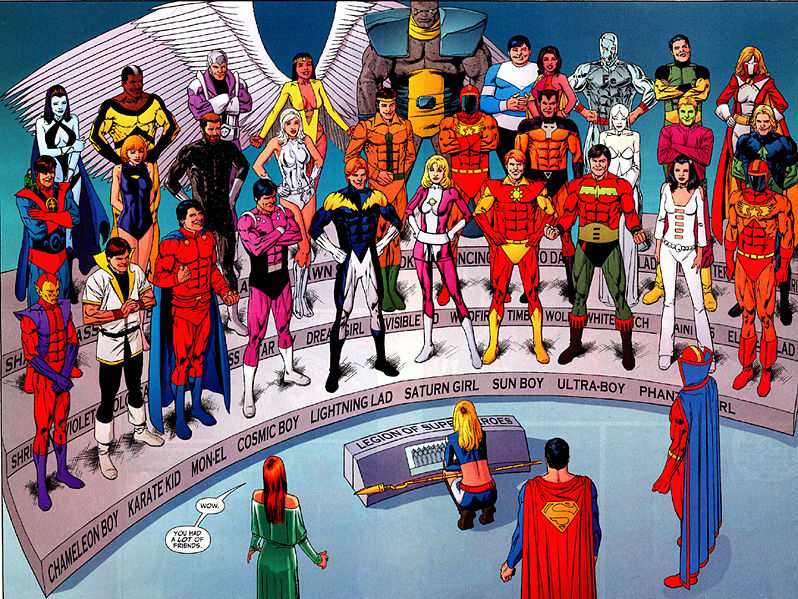


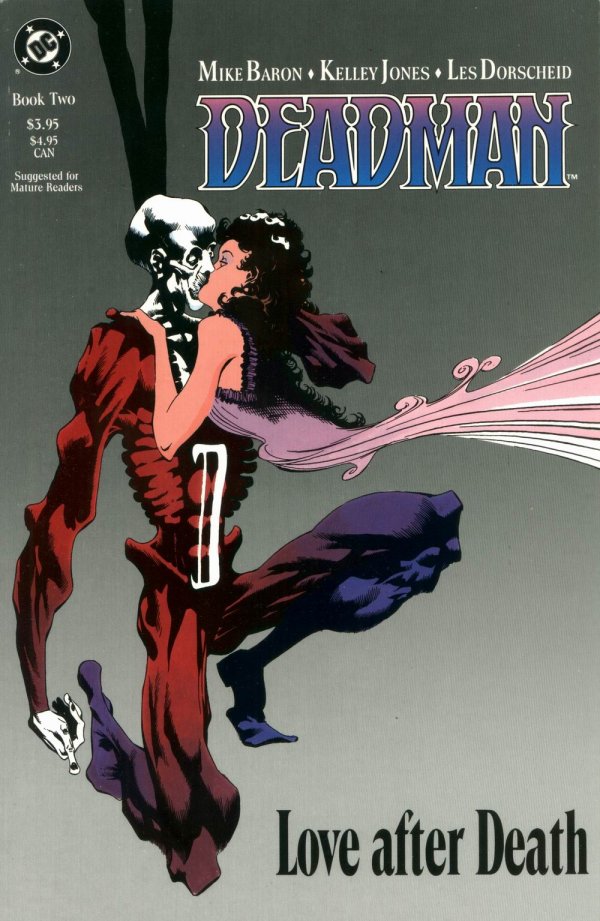


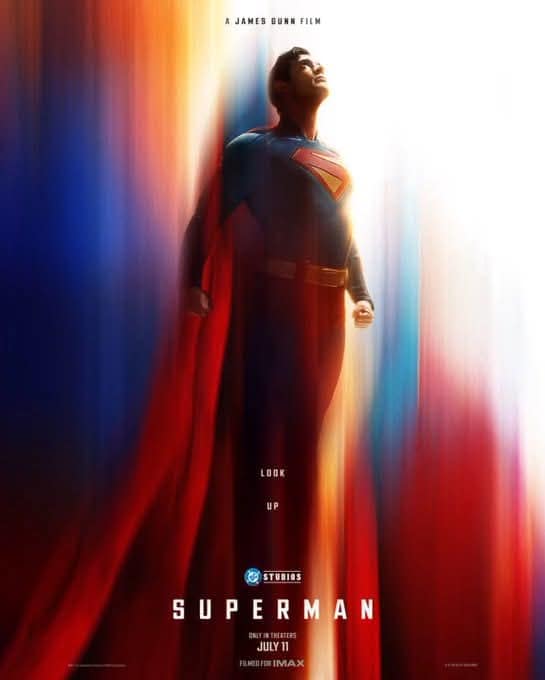



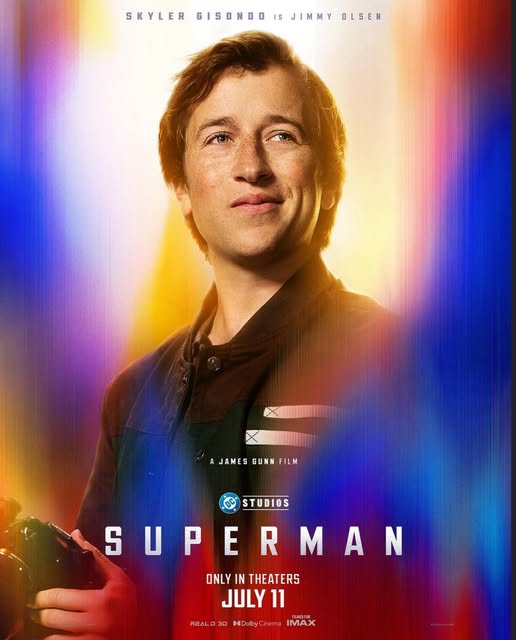
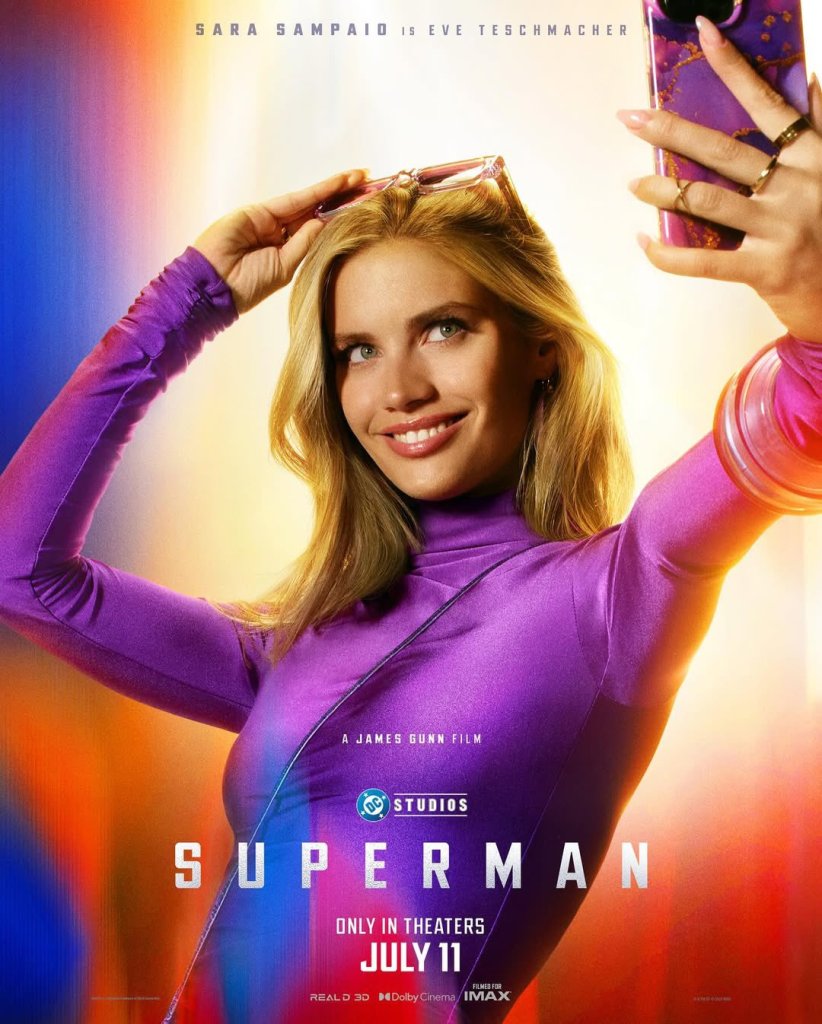


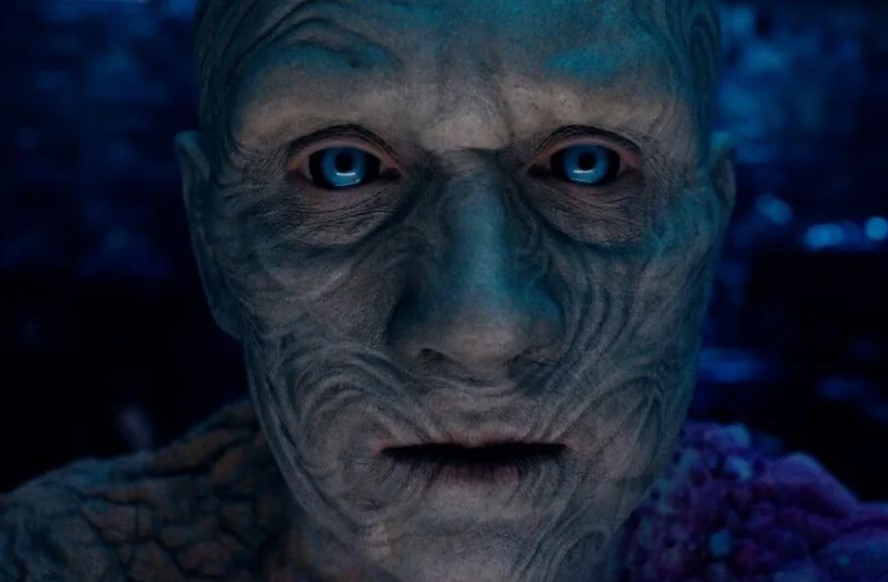

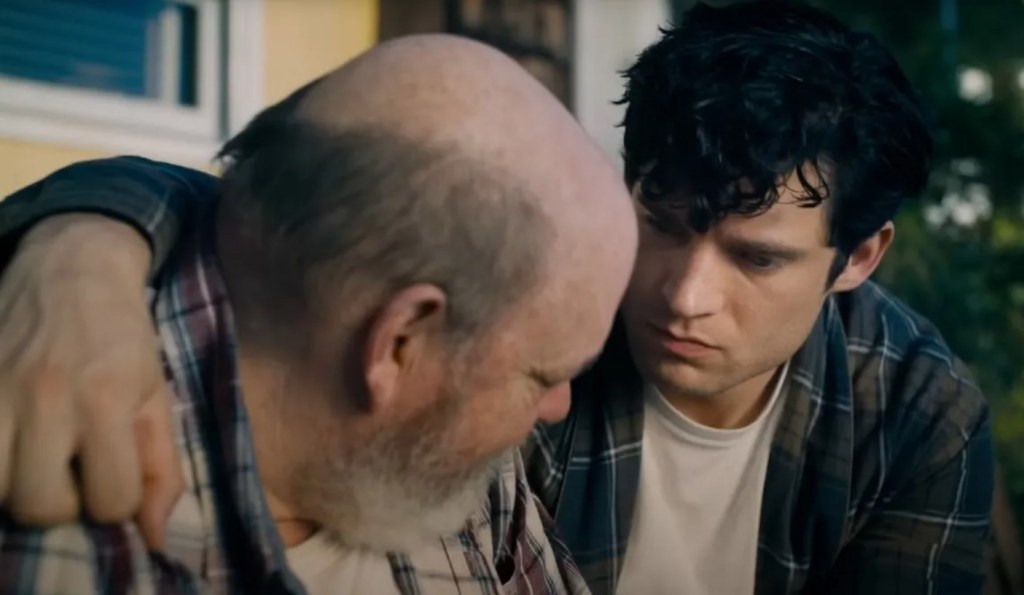


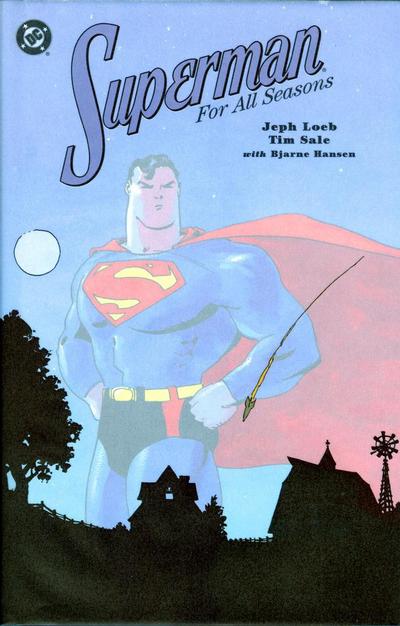

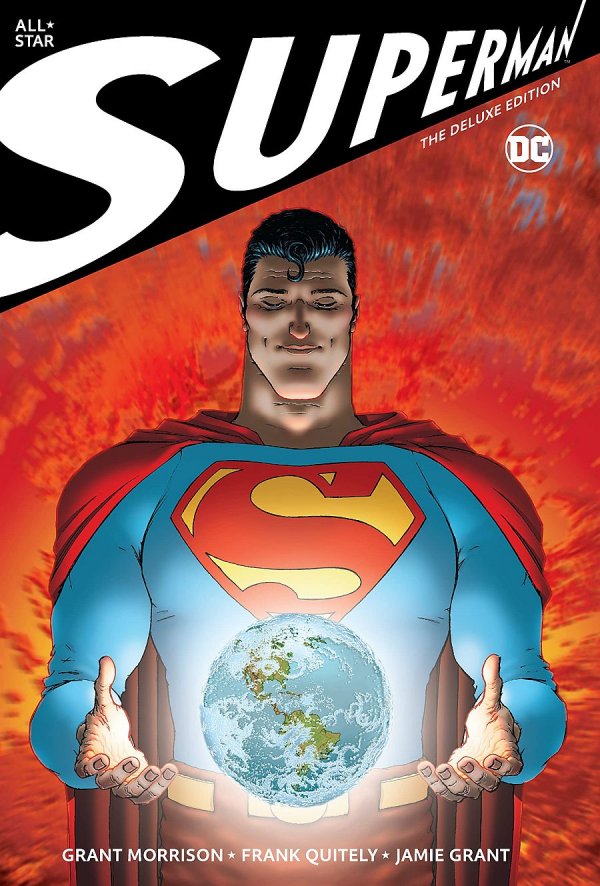


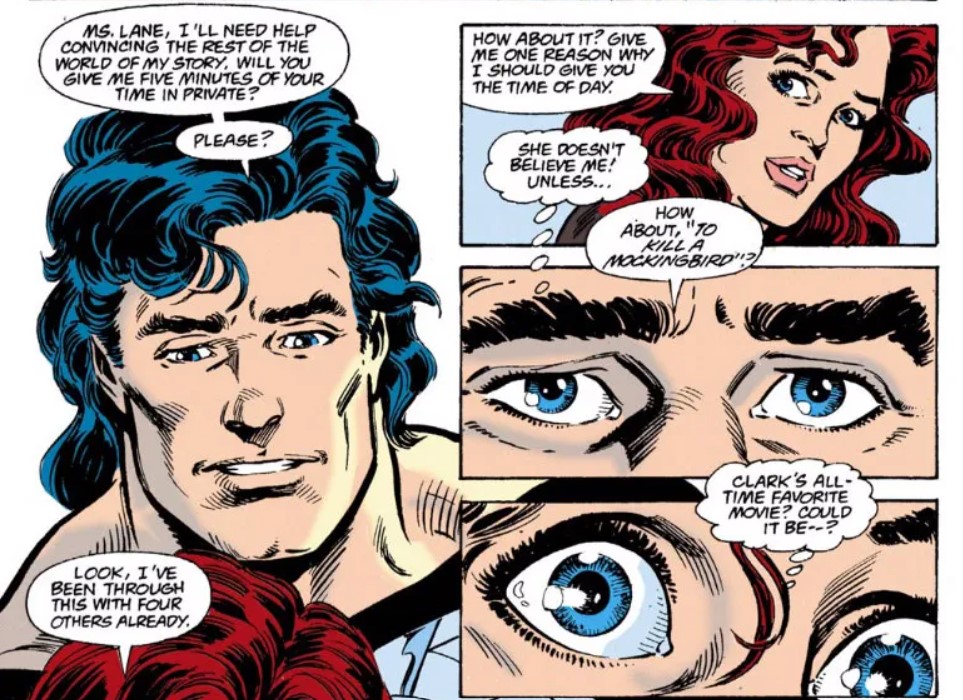

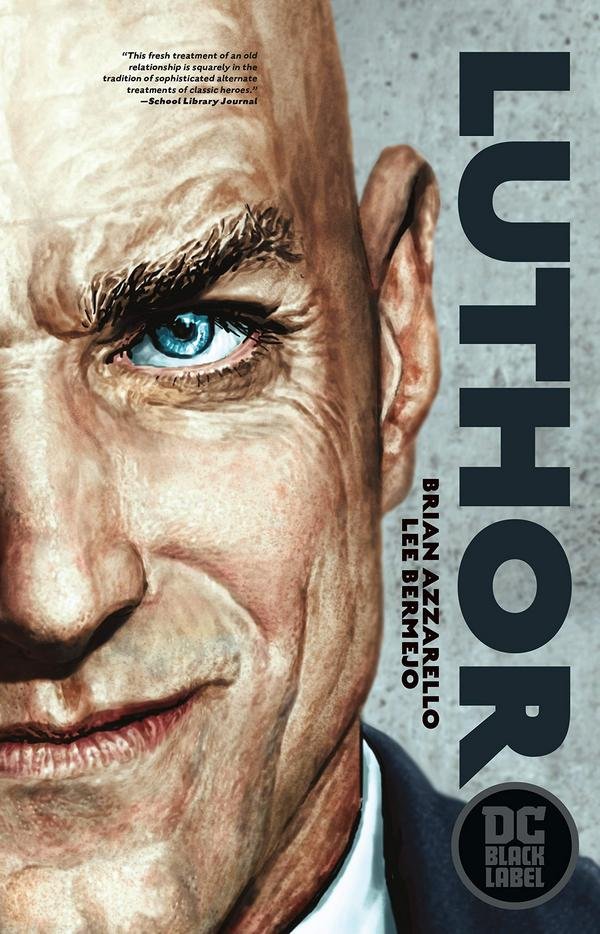

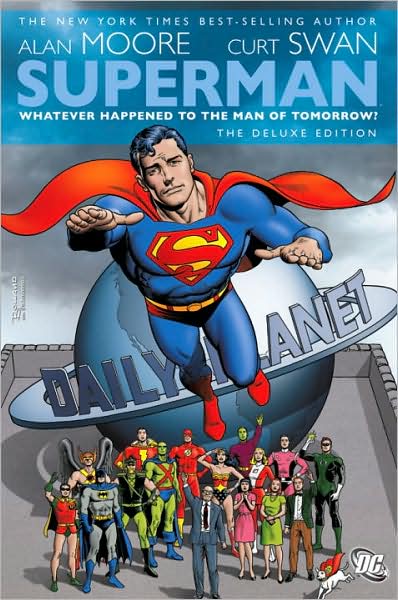

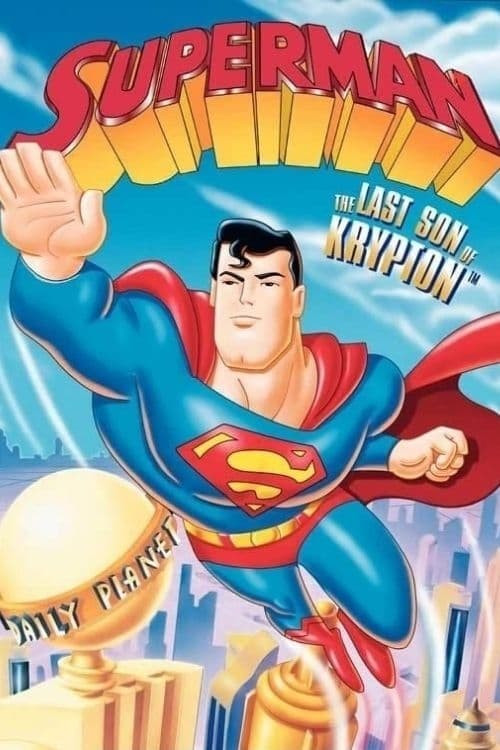
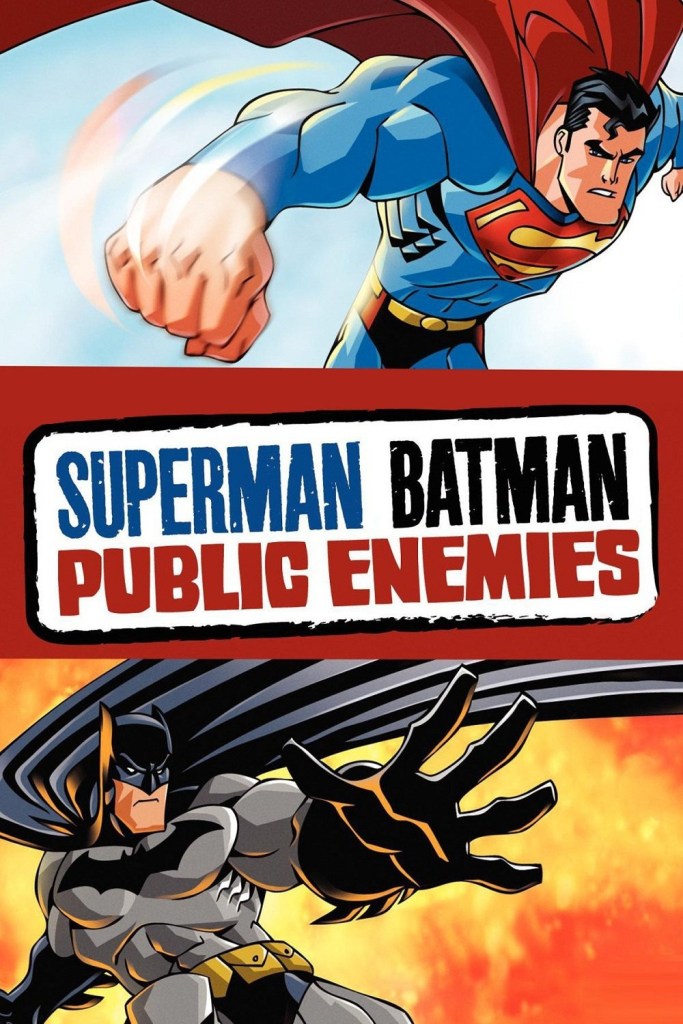
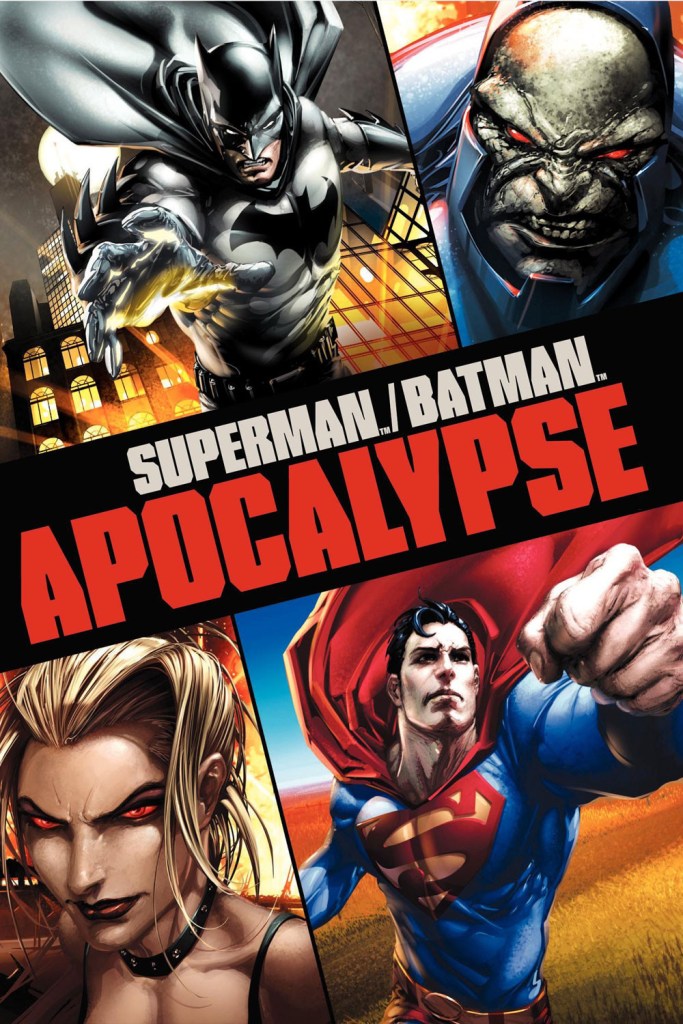



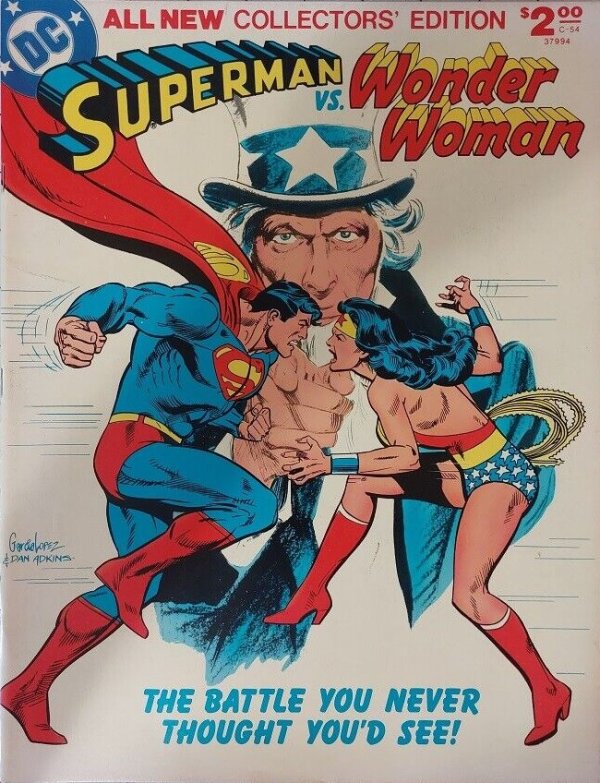
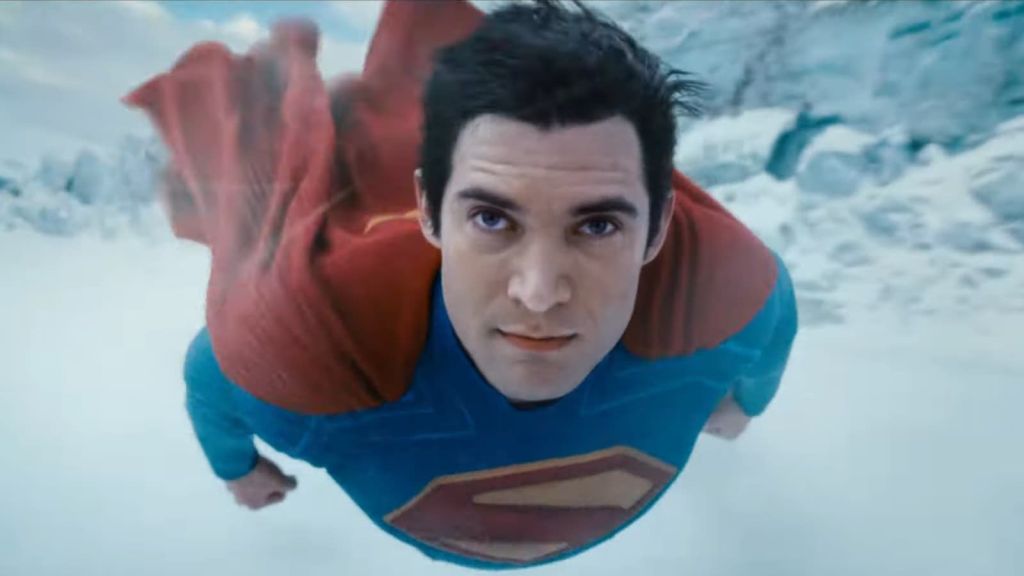





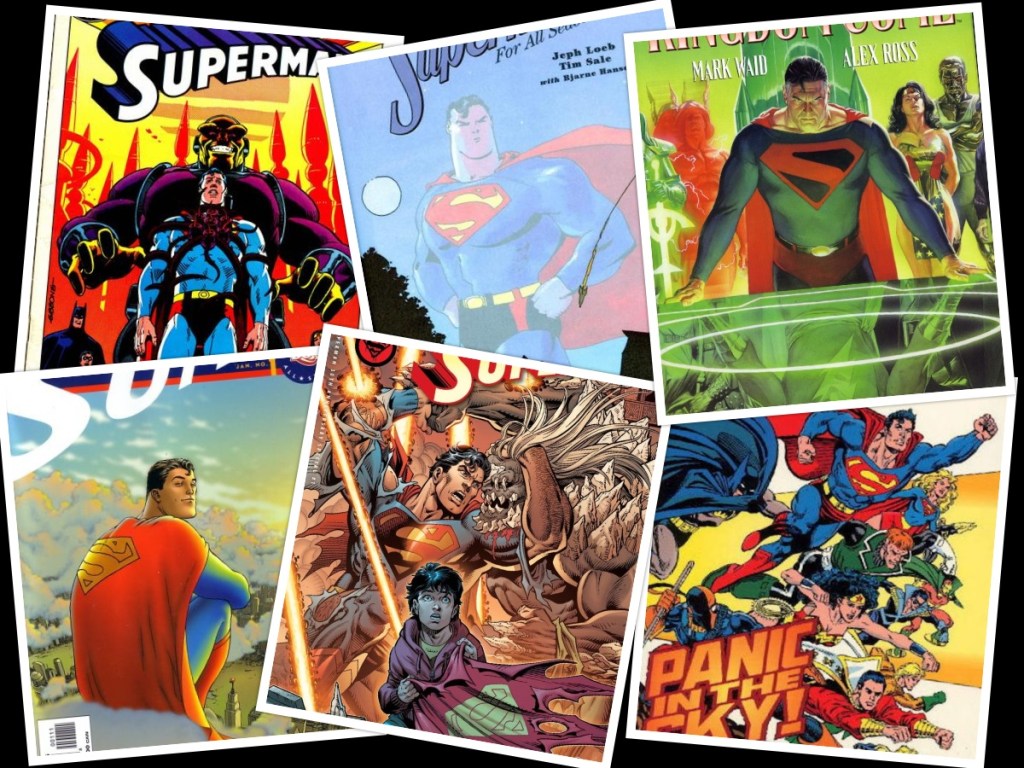
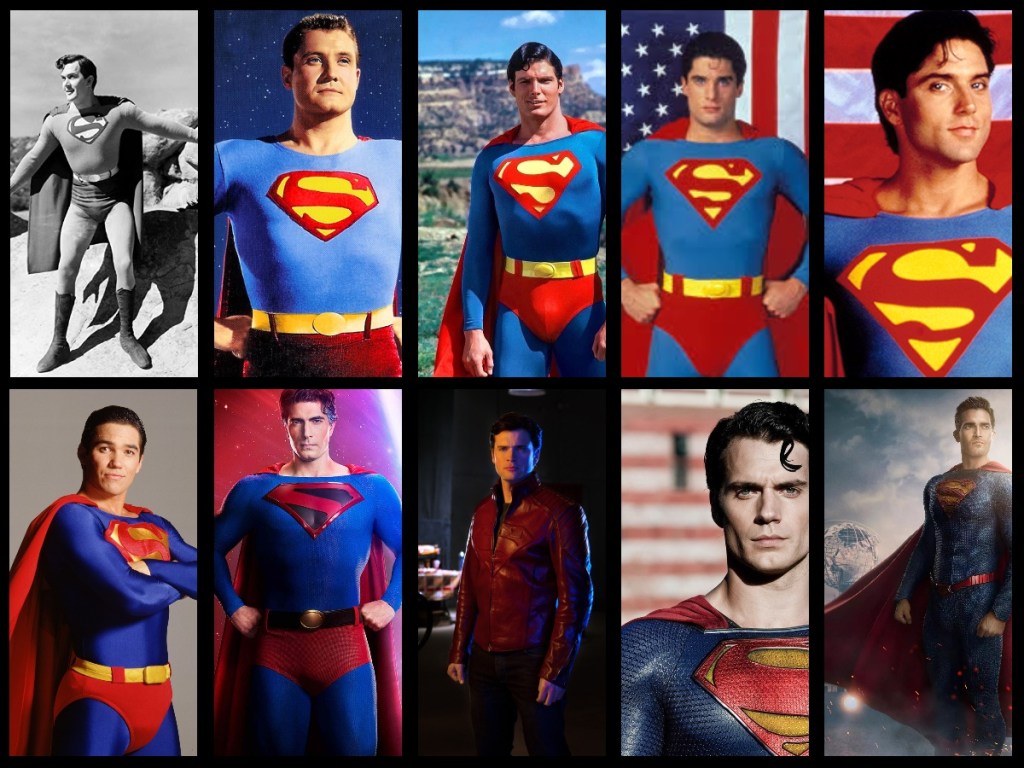


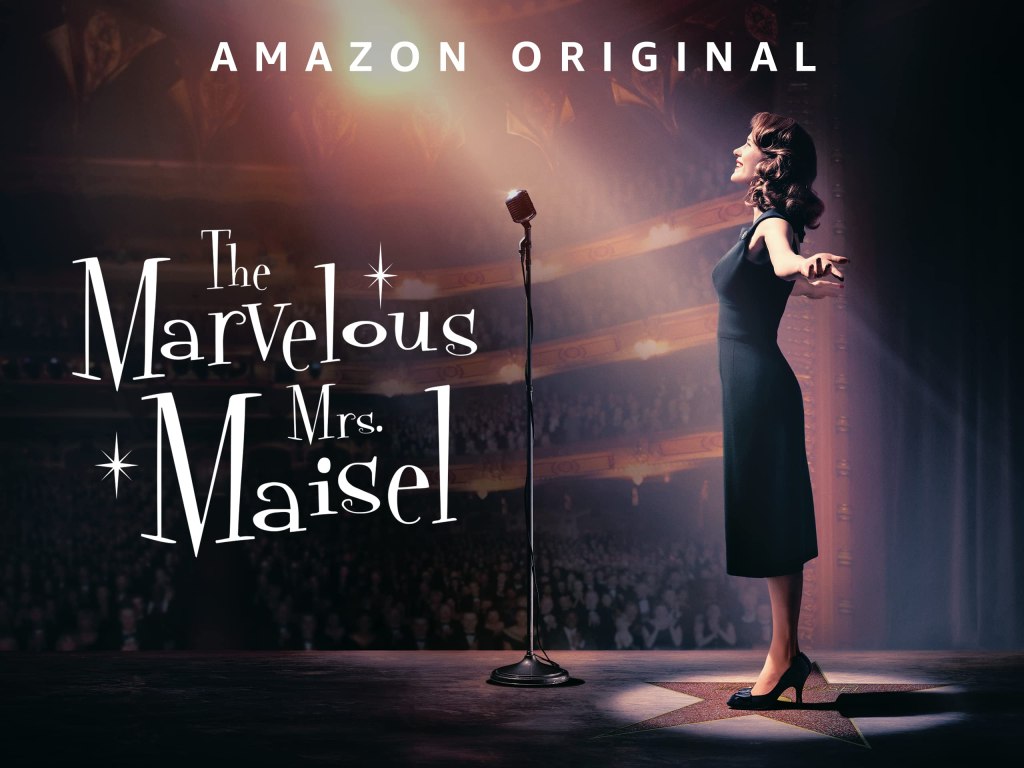


 Blake M. Petit