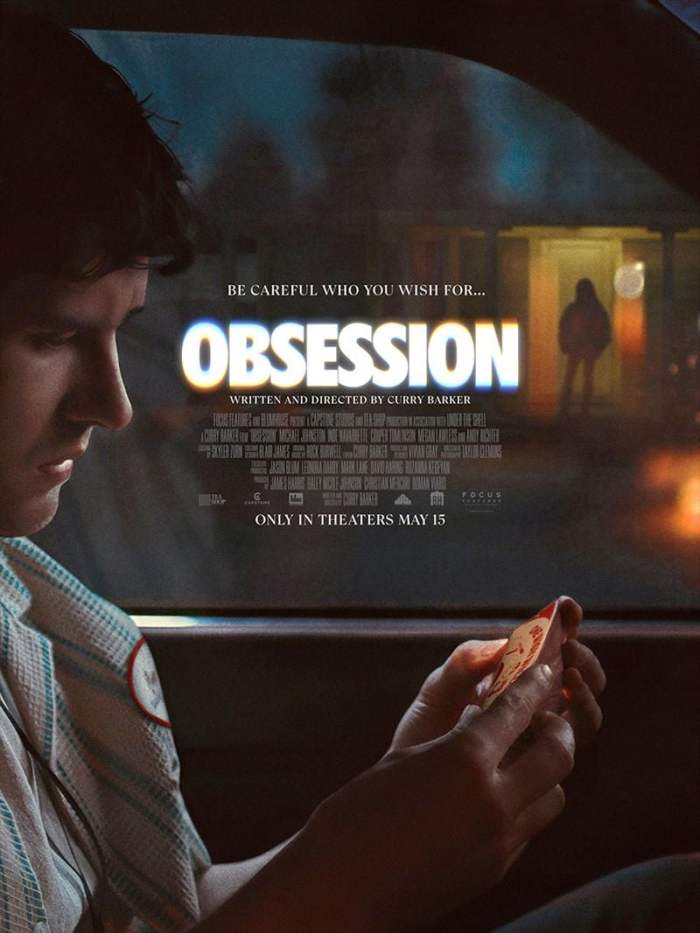
As always, October has got me in the mood for spooky novels, short stories about monsters that appear with no rational explanation, comics hosted by a decaying corpse with a wicked sense of humor, and undead cereal mascots with the most advanced case of rosacea you’ve ever seen. And if you’re a horror fan, we are in something of a golden age. Not only are we being inundated with a lot of horror movies, but many of them are REALLY GOOD. And if that wasn’t enough, they’re achieving CRITICAL AND COMMERCIAL ACCLAIM as well. As somebody who lived through the lean years of the early aughts, when almost every horror movie was a reboot, a sequel, or a remake of a Japanese film, it’s like a dream come true. Back on January 1st it probably wouldn’t have been hard to predict that Spider-Man: Brand New Day would be the highest-grossing movie of the year so far, but there are few people who would have suggested the likes of Obsession and Backrooms would also sit proudly in the top ten ahead of a new Star Wars film, a Steven Spielberg sci-fi epic, or Paw Patrol: The Dino Movie.
Even movies that didn’t score the box office heights of those two have been doing very well, relatively. Movies like Lee Cronin’s The Mummy and Buddy both generated all the chatter. Iron Lung may only have made $27 million at the box office, but with its shoestring budget and a self-released model that eschewed any sort of major studio backing it’s considered a massive success story. And it ain’t even over yet: this weekend brings us the aquatic thriller Whalefall and next week drops DC Studios’ body horror film Clayface, both of which are drawing fantastic early reviews. In an era where general audiences are starving for entertainment, horror movie fans feel like we’ve killed the fatted calf.
But as we are in this era of excellent and acclaimed horror, it still chafes me sometimes when I see the hoops that the mainstream has to leap through before they can accept that a horror movie is just…good.
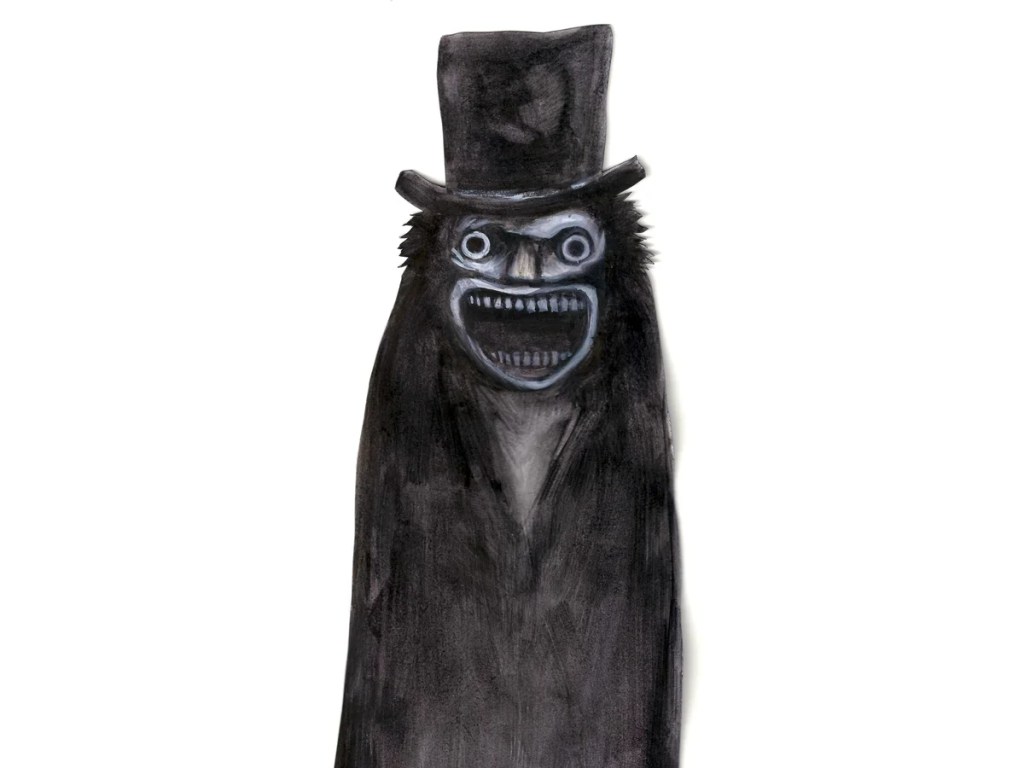
The term “elevated” horror has been around for some time now. I don’t remember exactly when I first began hearing it but I know it goes back at least to movies like The Babadook or It Follows, both from 2014, so it’s not a new concept. It is, however, kind of an insulting one. When I hear a movie described as “elevated” horror, the gist I get is that this is a horror movie that’s actually ABOUT something: some sort of crisis, some trauma, some dark aspect of the human condition that the movie is exploring. In The Babadook, for example, people who dissect these things point out that the monster itself is not actually a “traditional” monster, but rather a manifestation of the main character’s repressed grief over the death of her husband. It Follows, similarly, is about the anxiety of a teenager discovering her burgeoning sexuality. You see, these elevated movies aren’t REALLY horror, not like Freddy or Jason, they’re movies that use horror movie THEMES to actually EXPLORE something of artful depth.
And some people may be nodding their heads along with this and saying, “Sure, what’s wrong with that?” And the answer is: there’s nothing wrong with it. That’s why horror writers have been doing it SINCE THE INVENTION OF THE GENRE.
One can easily make the argument that Frankenstein, specifically the second edition, is really about Mary Shelley wrestling with her anxieties over death after the loss of her husband and children. Bram Stoker’s Dracula is often seen as a metaphor for female liberation in an era before such a thing was a mainstream concept. How far back you wanna go? The folktale of Bluebeard is about women being afraid of the power of an overbearing man. In The Odyssey (Homer’s, not Nolan’s) it’s easy to view parts of Odysseus’s journey into the underworld as being about the terrors of war and the guilt of the people who survive it. Every werewolf legend is seated in a terror of a violent, animalistic urge that may be hiding in the person sitting next to you. When you say that horror that’s “about” something is “elevated,” you discount the fact that horror has ALWAYS been about something.
Let’s look again at some of this year’s big hitters: Obsession and Backrooms. I recently read an article on Substack (which I’m sorry to say I can’t find and link to, but if you’re interested – hey! – go ahead and subscribe to MY Substack and get a free short story in your mailbox) that argued both of these movies are, at least in part, about the “male loneliness epidemic.” That’s not a hard argument to make. In Obsession, every bad thing that happens can be traced to the fact that Bear is a pathetic, weak-willed creature who doesn’t have the courage to just admit to his actual feelings. Backrooms is fueled by the pain of a man who has lost his wife and is losing his company and has pretty much given up on his dreams. This same Substack writer, it should be noted, went on to argue that a lot of this year’s other box office winners — including Project: Hail Mary, Spider-Man, and even The Odyssey (Nolan’s, not Homers) — are about this same theme. I’ll let you decide for yourself if they all fit, but does that make Brand New Day an elevated superhero movie?
Tone is something else that frequently gets referenced when someone calls a horror movie “elevated.” If you look at the examples I’ve given so far, you’ll probably notice that all of these movies have kind of a slow burn. They start from a place of relative normalcy, although often a bleak, somewhat hopeless kind of “normal,” and then over the course of the movie the supernatural elements incrementally creep into the characters’ lives before finally reaching that point of maximum chaos and violence. I can accept movies with that tone as being a subcategory of horror, but there are a lot of non-horror movies that have that same kind of dour feeling: No Country For Old Men, Apocalypse Now, The Road, even Oppenheimer (Nolan’s, not Homer’s). If all it takes to be “elevated” is a general sense that everything sucks and it isn’t going to get any better, turn it on CNN. They’ve been trying to elevate the news for decades.
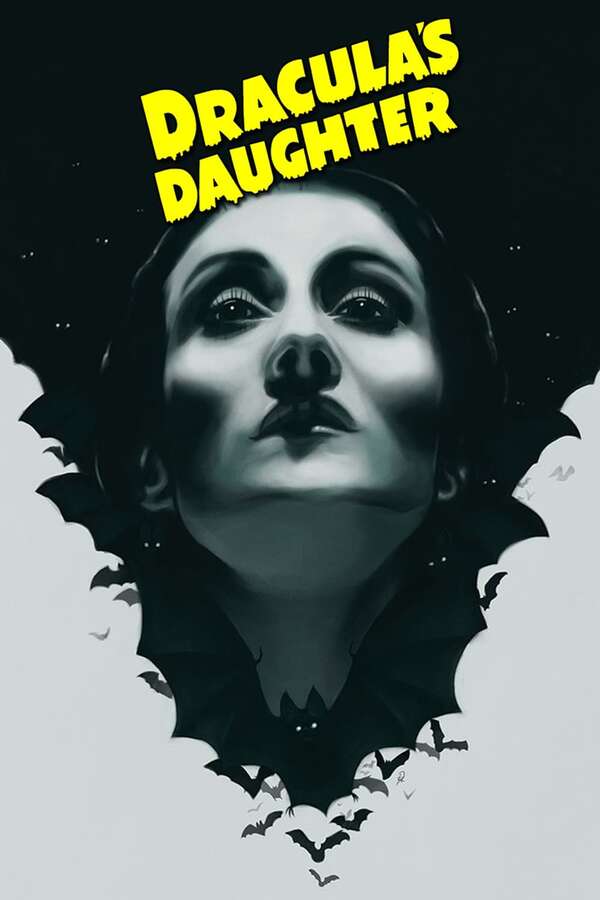
Even horror that’s “lowbrow” is about SOMETHING. People who talk about elevated horror as if that makes them some sort of Svengali are ignoring the fact that slasher movies of the 80s were predominately about “punishing” people for perceived sins like sex and drinking, that monster movies of the 50s were manifest versions of Cold War anxieties, or that even as early as 1936 Dracula’s Daughter took cues from Bram Stoker and painted the consequences of sexual repression as bloodthirsty monsters.
All of this is to say that “elevated” horror is nothing new, and pretending like it is doesn’t make you smart, it just makes you sound pretentious. I’m not disparaging any of the movies that are called elevated, mind you, I’m just disparaging the people who call them that. The filmmakers themselves will usually tell you that they weren’t making any effort at “elevation,” they were just making a scary movie…like people always have. If you think calling it “elevated” somehow gives you permission to appreciate something that you usually wouldn’t associate with, that’s a you problem, my friend. It’s not the genre. Horror has always lived in this area, and it’s not going anywhere.
Blake M. Petit is a writer, teacher, and dad from Ama, Louisiana. His most recent writing project is the superhero adventure series Other People’s Heroes: Little Stars, volume one of which is now available on Amazon. You can view his LitReel videos on TikTok and read his writerly yammerings on his free Substack.

