Halloween is coming up, so today I’m going to talk about the scariest thing I can think of: kids.
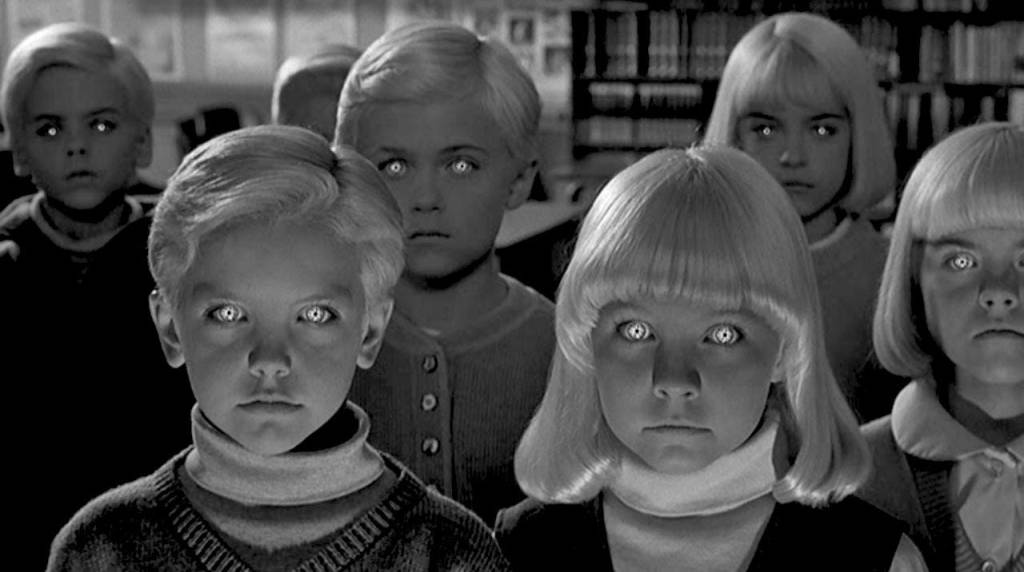
Okay, not exactly. In my class we’re currently in a unit where students are reading up on and writing arguments about artificial intelligence, including its depiction in fiction. And as part of that unit, I demonstrate that we have had stories, fables, folklore, and myths that include things fitting our definition of AI far longer than we’ve actually had AI. We see it in Pinocchio, we see it in the Greek myth of Pygmalion, we see it going back to the ancient Hebrew legend of the Golem. And as we discuss these old stories, I ask my students for other examples of non-living creatures that are given life in order to fulfill some sort of need of its human creator. One kid brought up Astro Boy. Another mentioned Marvel’s The Vision™ (I include “Marvel’s” here for purposes of trademark). One kid asked if Toy Story counts, which gives me a chance to point out that A) we have never learned, in-universe, WHY the toys are alive, and B) despite the fact that Toy Story 5 was an excellent rebound from the mediocre Toy Story 4, I still think they should have stopped with 3.
But one of the things that came up over and over again in this conversation is just how often the stories are about creations that turn against their creators. It’s not really October until I’ve mentioned Frankenstein at least 11 times, so let’s start there:
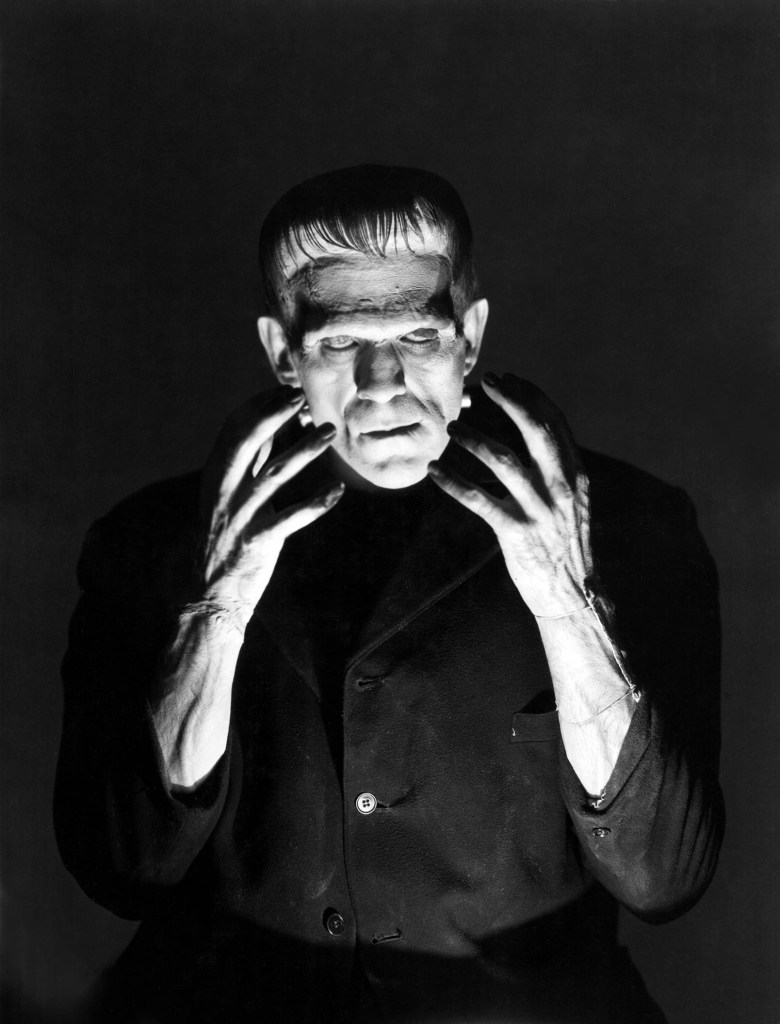
Victor Frankenstein is obsessed with conquering death, and thus creates a new lifeform by assembling parts of dead bodies. When his creation is too hideous for him to deal with, he abandons it and leaves the poor thing to exist on its own, which turns out to be a huge mistake, as the creature grows to resent his creator and turns against him. It’s the classic archetype, and we’ve seen it turn up over and over again. There are obvious, deliberate takes on the idea in things like The Rocky Horror Picture Show; there are more subtle but still clear allusions in movies like Edward Scissorhands, but they’re all portaging Mary Shelley’s idea when they tell their own story. Sometimes the creation is actively evil, sometimes it’s misguided, but the common thread is that pretty much all of them are dangerous.
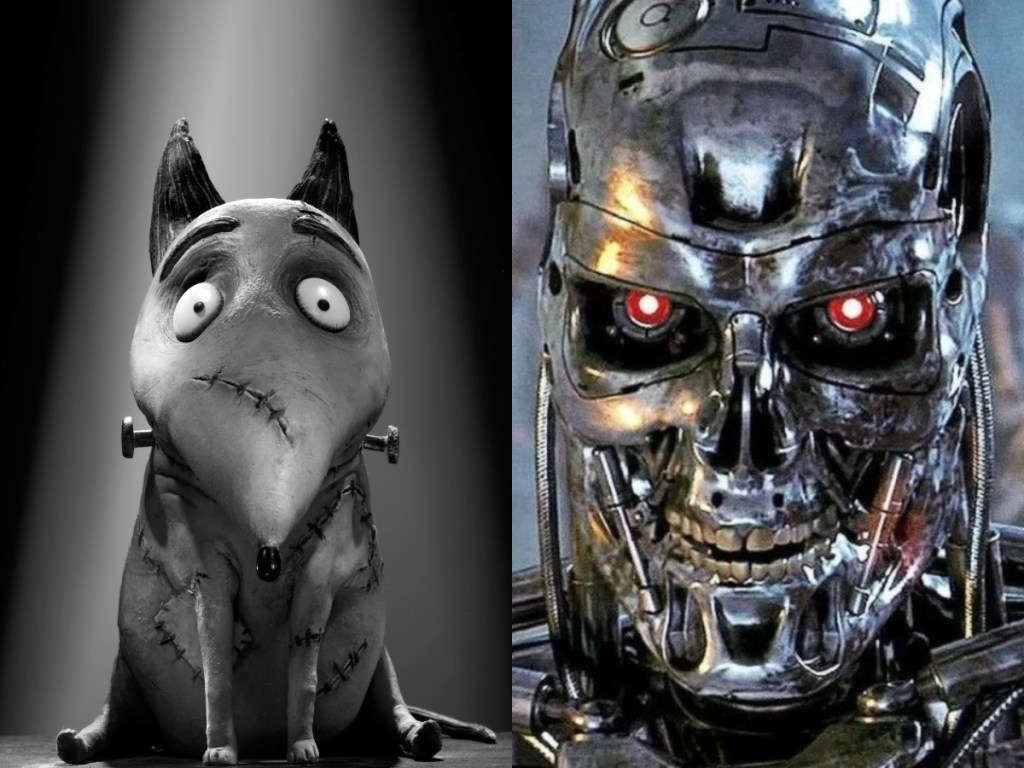
Except maybe Frankenweenie. He was a good boy.
But this idea is prevalent in modern sci-fi horror as well. Look at M3GAN, a franchise built around the idea of a robotic plaything that turns murderous. Chopping Mall is about a robotic security system that turns murderous. The entire Terminator franchise is predicated on the idea that the computer systems we humans have built will become murderous. WHY ARE WE SO OBSESSED WITH THESE MURDER BOTS?
There is, of course, a reason. Fiction – good fiction, at least – reveals something about its creator, and in the case of horror, what it usually reveals are the things that people are afraid of. Why, then, have we been afraid of those things we create going bad for hundreds – perhaps thousands – of years? This question was always puzzling to me.
That is, until I became a dad.
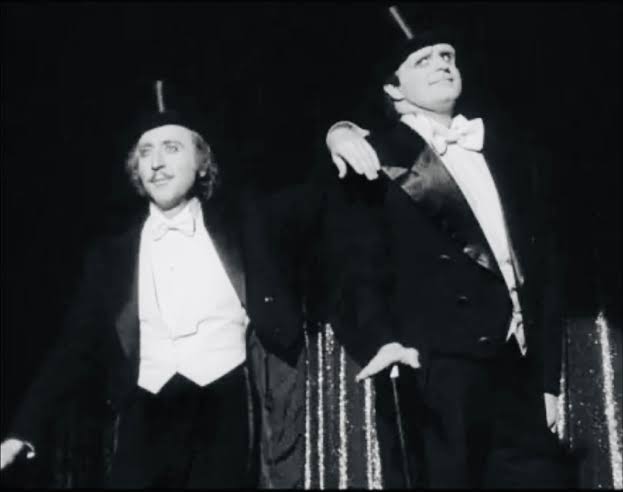
I’m no psychologist, I’m just a guy who reads a lot of books and watches a lot of movies, but I’m going to explain what I take away from what I think of as the Frankenstein complex that is revealed in fiction. I think that the Frankenstein monster and M3GAN and all the others come from a place of people being afraid of who their children will grow up to be, and THAT fear is rooted in a fear that we, as parents, won’t measure up. That’s literally the message that modern audiences get from Frankenstein, that the whole tragedy is caused by Victor’s egregiously lacking parenting skills. The supposition – and I think it’s a fair one – is that if he had not abandoned the monster and left him without guidance, structure, or even a name, then he may have been nurtured into a creature of value rather than the murderer he became. In fact, of all the various derivative versions of the Frankenstein story, the only ones that I can think of that have happy endings are the ones where the scientist character embraces the creature as he would a child, such as in Mel Brooks’s Young Frankenstein.
I don’t know if this was what Mary Shelley was thinking when she wrote the book, and I’m not trying to argue that it is. I’m saying that this is what I take away from it (and the whole “Death of the Author” argument says that my interpretation is as valid as anybody else’s so nyeah). I’m also saying that I think this interpretation explains why this archetype has been so popular for two hundred years – no matter what other changes happen in culture, politics, art, science, or society, parents are always going to worry that they’re screwing up their kids.
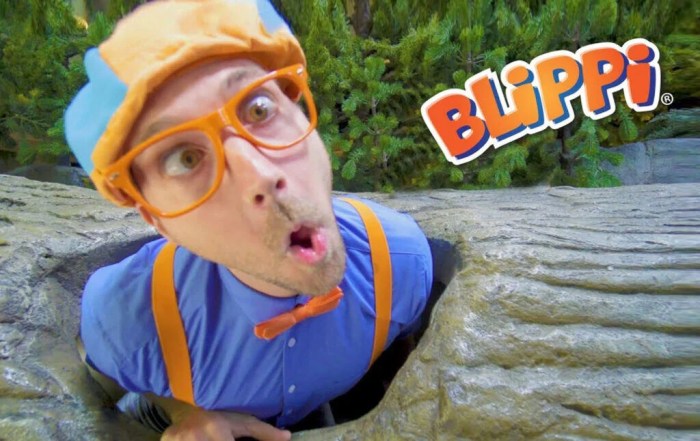
This doesn’t mean, when I look at my darling, innocent son as he is watching YouTube videos of sports stadiums being imploded, that I’m worried he will grow up and frame innocent people for murder or throw small children into a river. But it doesn’t HAVE to mean that. Horror is a metaphor, it exaggerates our fears. I’m not afraid of having a dream so scary that I literally die from it either, but that doesn’t mean I don’t get what A Nightmare on Elm Street is about. No, I worry – like I think every well-intentioned parent does – that my kid will someday make a bad choice that could have been prevented if I had been a better parent. I feel that fear every time we get a message from his teacher that says he’s being too loud in class or every time I have to tell him not to shake a tree because we don’t know if there are wasps hiding in there or every time he wants to watch Blippi instead of literally anything else. Is there something I could have done, is there some way I could have prevented this? And with the exception of Blippi, none of these are really serious offenses…but what if some day it IS?
That primordial fear of parenting is what draws us to stories like Frankenstein and all the others. We are afraid of making something that goes out of our control and does something terrible. And obviously most parents are never going to have to deal with something like this, thank goodness, but wherever I see a true crime documentary, I find myself waiting for some sort of a conversation with the villain’s mother to see if he broke her heart or if she’s a classic example of what makes a kid go bad.
If you’ve never had kids, maybe this doesn’t make sense to you. But if you have, I guarantee you’re going to think about this the next time you watch Boris Karloff and Colin Clive working out their own issues in your gear-up for Halloween.
Blake M. Petit is a writer, teacher, and dad from Ama, Louisiana. His most recent writing project is the superhero adventure series Other People’s Heroes: Little Stars, volume one of which is now available on Amazon. You can view his LitReel videos on TikTok and read his writerly yammerings on his free Substack.

