One of the messages I always try to impart here in Geek Punditry is that if there’s one thing every fan wants, it’s more. I believe that and I stand by it. However, there are a lot of people – unfortunately, these are often the people in charge of deciding what projects are actually made and which ones are not – who don’t understand what that means, and we saw a perfect example of that this week via creator Felicia Day.
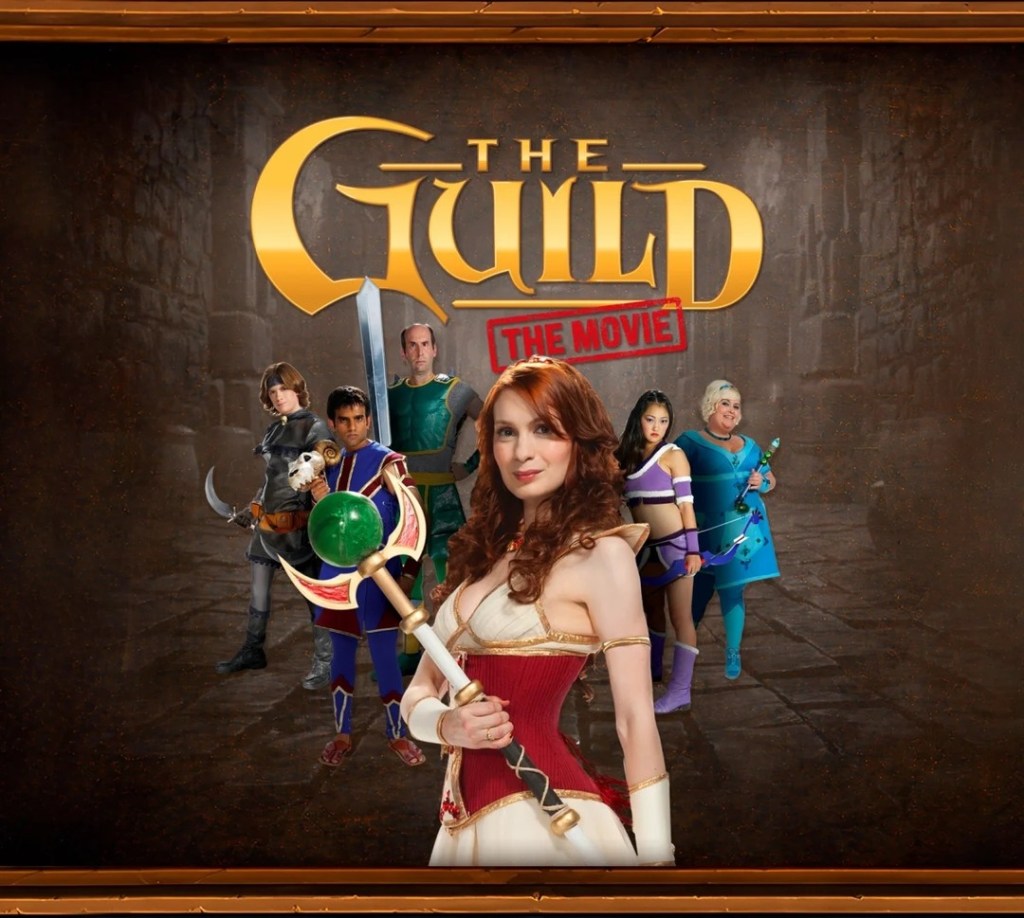
Felicia Day, sometimes called the queen of the internet, rocked Kickstarter this week with her project to create a reunion movie for her webseries The Guild. Back in 2007 Day, frustrated that she wasn’t getting the kind of roles that she wanted, decided to write and star in her own series and release it on that “Internet” all the kids were talking about. Her series, The Guild, was a story about members of an online roleplaying game (kind of a World of Warcraft with the numbers filed off) who decided to meet in person for the first time. The dynamics between the six wildly disparate members of the Guild made for some great character drama in the midst of a delightful awkward and relatable geek-centered comedy series. The show ran for six seasons and a few spin-off comic books, and is still warmly regarded.
So it’s not a surprise that when Day announced her plan to bring back the entire original cast to make a reunion movie for the show’s 20th anniversary, the fans turned out in droves. The campaign launched on July 21st, three days ago as of this writing, with a funding goal of $1.5 million. In just that short amount of time it has SHATTERED the goal, currently sitting at $3.5 million with 28 days left to go. Day reports that it is the fastest movie project to achieve funding in Kickstarter history, proving without a doubt that the fans of this property haven’t gone anywhere and that they want – as I always say – more.
Which made it even funnier when Day said that the reason the project is getting made in the first place is because of some studio exec who didn’t get it. According to Day, the impetus for the movie happened when she was called into the office of a studio executive who wanted to discuss bringing back The Guild. The executive – who, like the studio they worked for, remained nameless – evidently floated the idea of making a new series that was relevant to “modern” gamers with a younger cast. And Day, showing the same steel that led her to make the series in the first place, decided that the only way a Guild reboot would be done right would be to do it herself.
And this is what I’m talking about. When I say that fans want “more,” I don’t just mean that we want the name of a beloved IP slapped on to a generic product. We want more of the things we loved in the first place. What made the original Guild so delightful were the characters, the performances, and the story that was so ridiculous while still being so relatable. Different actors? Different characters? Even if they were excellent performers with a solid story, they would already be starting from a deficit because they wouldn’t be what the fans were looking for.
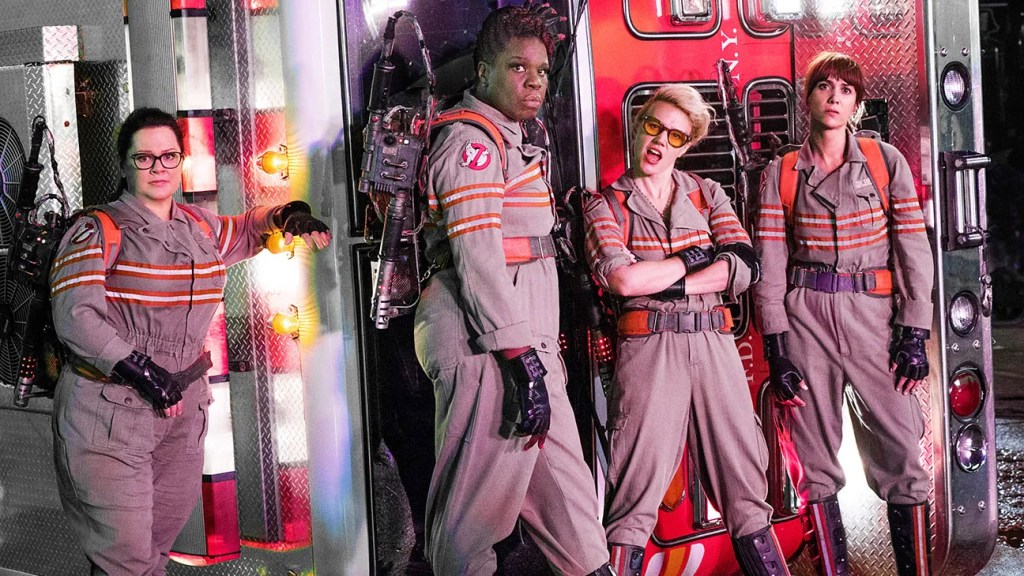
When a reboot is attempted, perhaps the easiest way to make it fail is to make it without any regard for what made it popular in the first place. We’ve seen it time and again. To use a controversial example, let’s talk about the 2016 Ghostbusters movie. Although Leslie Jones will insist to her dying breath that anybody who didn’t like it is simply a misogynist, that’s a cheap way to dismiss legitimate criticism and ignores what the fans have been saying since the day it was announced. It’s not that we didn’t want to see female Ghostbusters, it’s that NOBODY wanted a continuity reboot. We wanted to continue the adventures of the characters and the world that we fell in love with in the 1980s. If the 2016 movie had simply been framed as a sequel, a new team of Ghostbusters coming up decades after the original retired, they could have used the exact cast and it would have been much better received. In fact, the heartwarming reception to Ghostbusters: Afterlife seemed to prove just that. Not only was the main character in that film female, but also a kid, and the fans loved it because it was part of what we already loved.
It’s not always possible to just bring back the cast in its entirety the way that Felicia Day is doing, of course. Harold Ramis – Egon Spengler from the first two Ghostbusters movies – had passed away by the time the 2016 movie was made. But Afterlife made him a staunch presence in the film, even if the actor himself could not be there. It was perhaps the way the movie served as a tribute not only to the actor but to the character himself that was (at least partially) responsible for the film’s success.
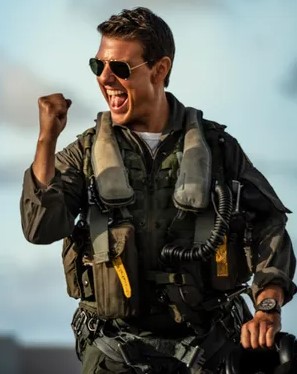
We can play this game with any number of reboots, both good and bad. Top Gun: Maverick was a success because the engine the story was based on came from a beloved character from the first film – Anthony Edwards’ Goose. He couldn’t appear, of course, because the character died in the original, but his presence – along with Val Kilmer’s final role – was what made Maverick successful. Mad Max: Fury Road was a smash hit because the world that George Miller created with the originals allowed for a bit of reinvention. The idea is that each movie is a different story about a “folk hero” in a post-apocalyptic world, so if there are contradictions or discrepancies, they are easily explained away. The device allowed for a reboot that kept the flavor of the original but was not only commercially successful, but also critically acclaimed.
On the flipside, you have things like Josh Trank’s Fantastic Four movie, where the director famously told the cast NOT to read any of the comic books it was based on, and resulted in perhaps the worst comic book movie ever produced by a major studio. (And I’ve seen enough of them that I feel comfortable making that statement.) The 1998 Psycho remake tried to go in the other direction – not only trying to stay true to the original, but making an almost shot-for-shot remake. The result was a movie that only served to remind everybody that a remake was utterly unnecessary.
I could bring up Star Wars here, but I have no desire to spend the rest of my summer dodging assassination attempts from both sides.
I do my best not to dismiss a reboot or remake entirely just because it is, in fact, a reboot or remake. It is possible to do either one of them successfully, and although there have been plenty of terrible ones, there have been great ones as well. But creative success always seems to start from the same place: do the people making this new version understand what it is that made the original a success in the first place? If they do, they’ve at least got a fighting chance. But if they don’t…well, what even is the point?
Blake M. Petit is a writer, teacher, and dad from Ama, Louisiana. His most recent writing project is the superhero adventure series Other People’s Heroes: Little Stars, volume one of which is now available on Amazon. He’s also started putting his LitReel videos on TikTok.

