It’s a bold choice for any company to take away something that its customers have been enjoying for decades. It’s even BOLDER to do so only days after reminding those same customers why having that very thing is so damned important. So the nicest thing I’m going to say about the Sony Playstation people in this column is that…they are BOLD.
Just last week, the Playstation Network informed its customers that a whopping 551 movies – basically the entire catalogue distributed by Studio Canal – will be deleted from their libraries on Sept. 1. These aren’t teeny independent movies either (not that it would make it okay if it was), but blockbusters and classics like Terminator 2, First Blood, Total Recall, Cliffhanger, and even several films that don’t have anything to do with Schwarzenegger or Stallone. These are not movies that are being dropped from a streaming service, like HBO Max did seven times since you started reading this sentence. Nor are these movies that people had previously rented, with the rental agreement expiring. No, these are films that the customers allegedly “purchased.”
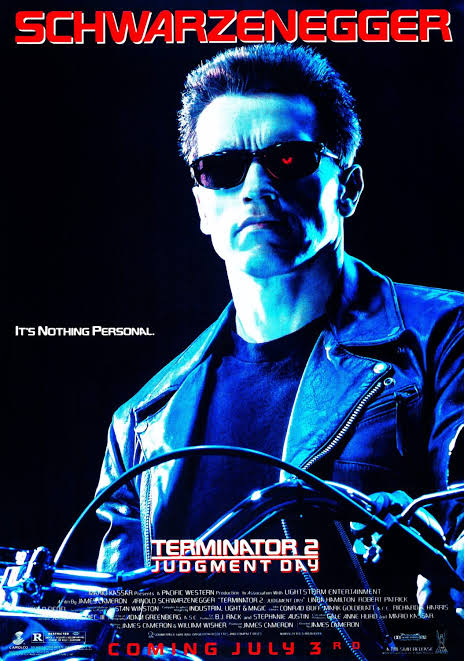
The trouble here, as with all digital media, is that if you pull out a magnifying glass and examine the terms of service that nobody in history has read since Eve clicked “agree to all” and then started chatting up that serpent in the tree, you will find a notification that what you are actually purchasing is a LICENSE to access the movie, and that license can be revoked AT ANY TIME. Which is what is happening to Playstation customers. Presumably the licensing agreement between Sony and Studio Canal is coming to an end, and as always, it’s the customers getting the shaft on this one. There has been no word from Sony as to whether the people who’ve spent money on these movies will be refunded or given any other compensation, but I’m begging everyone not to hold their breath because it’s summer and it’s hot out there and we don’t need to make it even easier for you to pass out.
This is one of those situations where – due to the nature of the contracts between the companies and the exact wording of the terms of service – what’s happening is entirely legal. It’s also one of those situations where just because something is legal doesn’t mean it’s not a crappy thing to do.
Then there’s the real kicker – just a few days after reminding all of its users that anything they don’t own a physical copy of can be yoinked away from them like a dog stealing your hot dog on the Fourth of July, the same Sony Playstation company that had already pissed off its customer base released ANOTHER statement that, beginning in 2028, they will no longer produce physical media AT ALL, and that any games purchased in the future will be exclusively available via the Playstation network.
The same network that just scammed you out of over 500 movies that you paid for.
Yeah, I’m feeling great about this.
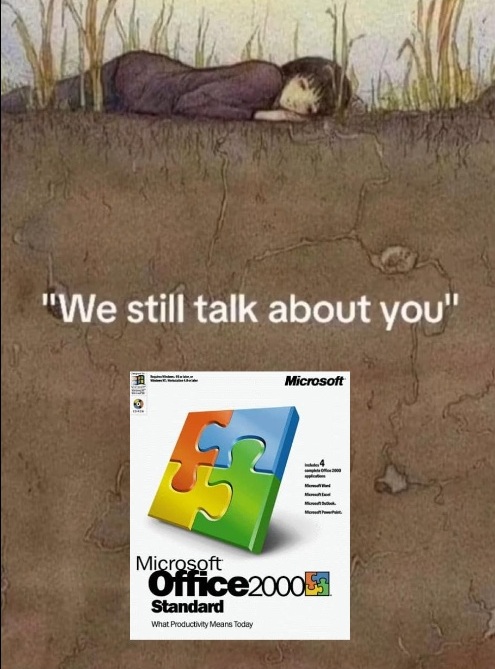
Now none of the Playstation Shenanigans affect me directly. I don’t own a Playstation, I’ve never bought a movie from their store, and I’m not a video game player. But this is a really disturbing reminder of just how messed up it is that we live in a world that is requiring “licenses” for everything instead of allowing anyone to actually OWN something. When I got my first laptop computer to go to college, there were things called “programs.” Things like Microsoft Word and Photo Gallery were computer programs that either came pre-installed with the device when you purchased it or, alternatively, that you could purchase on a disc and then install on your computer. Then you could just…USE them. And it wasn’t only productive programs like Word either – GAMES were distributed the same way. And if you had a Nintendo or a Sega or any of those consoles, you purchased cartridges right up until the time that they evolved to using discs. And that cartridge or disc would sit there on your shelf as long as you wanted it, or you could sell it or trade it or do whatever you wanted.
Then came smartphones, and I think this is really where it all went downhill. Because of the nature of a smartphone and, later, a tablet you couldn’t really install programs from a physical copy, so they were mostly made downloadable. (They also changed the word from “program” to “application,” then just “app” around this time. Why, I don’t know. Maybe because Apple tested “There’s a prog for that” as a tagline and it didn’t work.) At some point, someone realized that rather than making people pay for an app ONCE, they could charge them on a REGULAR BASIS – annually, monthly, if they thought they could get away with it they would 100 percent be metering you and charging you by the minute – and just keep cranking money out of the same people over and over again. And once this became the norm on phones, it spread to computers and game consoles and now we’ve reached a point in our society where you need a subscription to turn on the seat warmers in your car and a password to access your refrigerator.
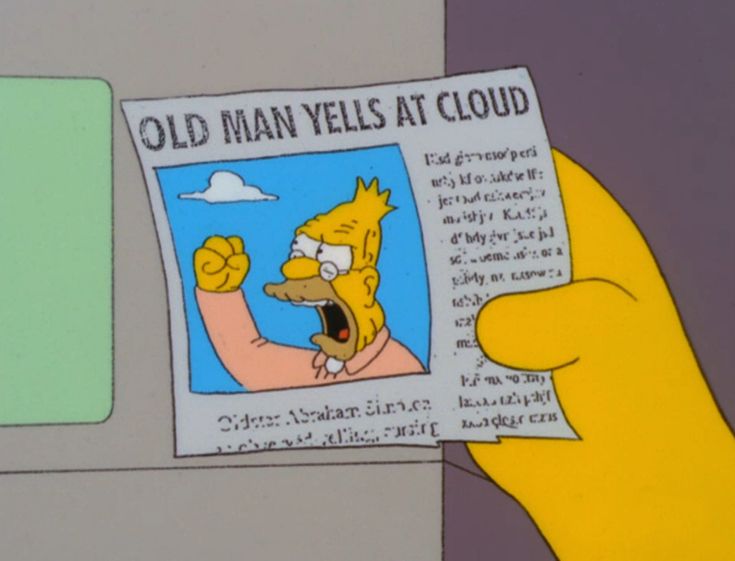
Usually a rant like this would make me feel like an old person shaking his hand at a cloud, but I feel like most younger people are on my side on this one too.
Anyway, this rant started with Sony and their infuriating choices regarding movies and video games, but we have to remind ourselves at this point that this could happen to literally ANY content that is only available through a download or a license: TV series, books, comic books, music…if you don’t have a physical copy, then there’s always the chance of some jerkwad like Ignatius Q. Playstation there deciding one day that this thing you thought belonged to you does, in fact, not.
I don’t think this is the MAIN reason that vinyl record albums have made a comeback, but I guarantee you it’s a reason collectors cite every time their wives ask them why they’re bringing home the LP of the Xanadu soundtrack.
And I get it. I have a lot of books and comic books and DVDs, and while so many people decided to abandon those things as the digital age crested around us, I can’t see myself doing it. Digital media is convenient as hell, I agree. Walking up to the TV and putting in an actual Blu-Ray disc of Top Gun: Maverick when I could just hit a button and stream it on Paramount+ feels like something our ancestors would do while they were churning butter. And digital backups are a good thing too. I have a hard drive where I rip most of my DVDs so that I can access the movies and TV shows on my Plex server, which is an app that allows you to view your own, personal library. It’s like making your own Netflix, only better, because I’m not gonna come back in a few weeks and tell me that I have to pay more if I actually want to be able to hear the sound clearly. But you gotta have the discs in your hands first to make that work.

This latest wave of crap from Playstation has resurrected a battle cry that I hear whenever a story like this breaks: “If purchasing isn’t ownership, then piracy isn’t stealing!” Like most internet slogans, reality is a lot more complicated than that. I do not condone piracy, and I think most of the justifications that people come up with for doing it are flimsy at best. But even I have to admit that if I bought something and then the person I bought it from snuck into my house and stole it in the middle of the night, I would be inclined to look for a way to steal it back.
All of this is to say that physical media is still important, and anyone who’s trying to tell you that it isn’t is probably trying to think of ways to milk you out of as much money as possible. I’m not telling you to start cancelling subscriptions or anything. I’m just telling you that if you actually want to be sure that you have permanent access to something – ANYthing – there’s really only one way to do that, and the people who are trying to stop that from happening are the ones we should all be giving the side-eye.
Blake M. Petit is a writer, teacher, and dad from Ama, Louisiana. His most recent writing project is the superhero adventure series Other People’s Heroes: Little Stars, volume one of which is now available on Amazon. He’s also started putting his LitReel videos on TikTok. This is why he scours the DVDs any time he goes to a thrift store too, by the way.

