Geek Punditry #66: The Frankenssance

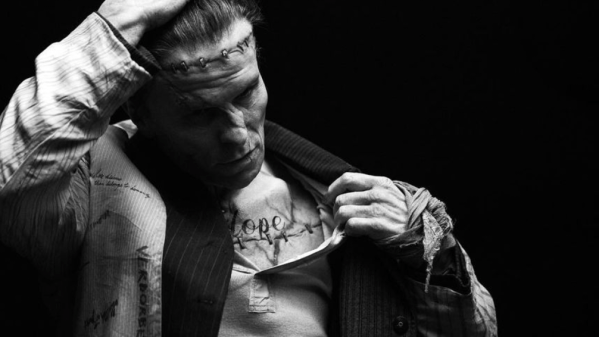
Earlier this week, the internet was abuzz with an image released from the upcoming film The Bride! (The exclamation point is part of the title – I’m interested, but not so excited as to declare it via punctuation.) Written and directed by Maggie Gyllenhaal, this movie seems to be an updated version of the Frankenstein story, moved to the 1930s and starring Bale as the monster and Jessie Buckly as the titular bride. Director James Whale’s original Bride of Frankenstein is probably the best of the old Universal Monster movies from the 30s and 40s, and ol’ Vic’s creation is hands-down my favorite classic monster, so news of this film intrigues me. But I think it intrigues me even more than it ordinarily would  because with this movie, at least the fifth Frankenstein-derived film released or announced in recent years, it seems that we are in the midst of a full-scale Frankenssance.

Of course, all anybody wants to talk about is the tattoo.

Let’s do a quick bit of literary spelunking for anyone who doesn’t know the story (both of you). In 1816, Mary Godwin was vacationing at the home of her friend Lord Byron with her soon-to-be husband Percy Shelley. This was in the era when visiting a friend could be an extended stay that lasted weeks or months at a time, as opposed to modern times when it lasts until the owner of the home claps his knees and says, “Well, I don’t let me keep you any longer” because the Pelicans game starts in a half-hour and he doesn’t want to watch it with a dirty Celtics fan like you. It was an exceptionally rainy and dreary summer, and to pass the time trapped inside, Byron proposed that they each write a “ghost story” to entertain one another. If you ever wonder which of them won that little competition, remember that it’s 200 years later and the only one that we’re still reading is the one that was written by the 19-year-old girl.

By the way, I really want to stress how amazing that is to me. Whenever somebody talks about the creation of Frankenstein, or the Modern Prometheus, they focus on how shocking it was that it was written by a woman. That shouldn’t be what surprises you. I’m a high school English teacher and I’m not shocked at all that a masterpiece of literature was written by a woman. I’m shocked that it was written by somebody the same age as a student that I had to ask to stop from pouring Pop Rocks into a bottle of Coke in the back of my classroom last week while I was trying to review gerunds. 

But I digress. The story follows Victor Frankenstein, a college dropout (nope, he’s not a doctor) who is so obsessed with conquering death following the loss of his mother that he finds a way to reanimate dead tissue. But when he does so, he’s so horrified by the hideousness of his creation that he flees in terror, leaving it to fend for itself. I always interpret his fear as being an expression of the Uncanny Valley problem, where something is so CLOSE to looking authentically human that even the smallest deviation is unacceptable to the eye, which is one of the many ways that the story of Frankenstein is a great metaphor for modern AI.

The Gold Standard. Okay, the GREEN standard.

Most people, of course, think of Boris Karloff’s version of the creature when they think of Frankenstein’s monster: the monosyllabic, hulking brute with the flattop, green skin, and bolts on his neck, whereas none of that really applies to the vision in Shelley’s novel. But that’s okay. I think that one of the things that really makes a character – any character – into a timeless one is its potential for reinvention. Compare the original Arthur Conan Doyle Sherlock Holmes stories to the Basil Rathbone movies, the Robert Downey Jr. version, or the Benedict Cumberbatch series. All are perfectly valid, but very different from one another. Think of all the different depictions there have been of Batman, Superman, Tarzan, Dorothy of Oz, Cinderella…if a character is unable to be adapted, it’s not a character likely to achieve immortality. Victor Frankenstein may not have lived forever himself, but the versatility of his creation ensures that his name will last forever.

Like I said, we all know Boris Karloff, but he wasn’t the first cinematic Frankenstein. That honor belongs to Augustus Phillips, who played the creature in a 14-minute film produced by Thomas Edison in 1910. After Karloff played the creature, the role was passed to Lon Chaney Jr., then Bela Lugosi, then Glenn Strange, who rounded out Universal’s original version of the creature in one of my favorite films of all time, Abbott and Costello Meet Frankenstein

I’m not kidding. This is maybe my favorite movie of all time. I will never get tired of it.

Since then the list of actors who have played the creature is staggering: Robert De Niro in Mary Shelley’s Frankenstein (1994), Christopher Lee in The Curse of Frankenstein (1957), Aaron Eckhart in I, Frankenstein (2014), Clancy Brown in The Bride (1985), and Tom Noonan in The Monster Squad (1987), and that just scratches the surface. There was a stage version in which Benedict Cumberbatch and Johnny Lee Miller EACH played the Creature and Victor Frankenstein, alternating nights. As of this writing, IMDB credits Mary Shelley as the writer on 115 different projects, and frankly, I think that number is low. I mentioned last week that I’ve got a little obsession with creating lists. On Letterboxd, I’ve logged 55 different movies that I tagged as adapting or being inspired by Mary Shelley’s creation, including Mel Brooks’s Young Frankenstein, The Rocky Horror Picture Show, the Hotel Transylvania series, all of the Universal films that featured the creature and several – but not all – of the Hammer Horror films that did the same. I’ve got a list of nearly 50 other Frankenstein movies that I haven’t seen yet, but I hope to get around to eventually. 

Whole lotta Frankie goin’ on.

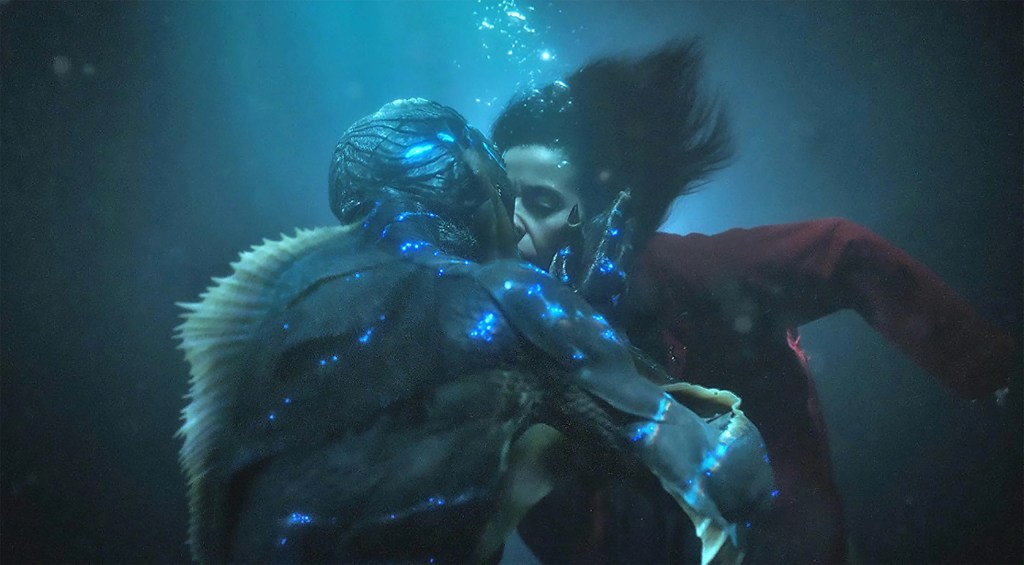
There’s a LOT of Frankenstein out there, is what I’m getting at. And while they haven’t all been great, there have been a lot of very interesting ones. We seem to have reached one of those moments in the cultural zeitgeist (there’s another English teacher word for you, folks) where the Creature is in ascendance. In addition to Gyllenaal’s The Bride!, Guillermo del Toro is working on his own version of the story for Netflix starring Oscar Isaac as Victor, Jacob Eldori as the creature, and current horror It Girl Mia Goth in a role that doesn’t seem to have been specified yet. A lot of sources seem to be reporting that she’s playing the Bride, but those same sources also reported that Isaac was playing the creature and Andrew Garfield was playing Victor Frankenstein, and those reports seem to have been wrong. It likely depends on how faithful del Toro intends to be to the original novel. (The bride existed in the original novel, by the way, but was destroyed by Victor before he could bring her to life.) It’s hard to say which of these two movies I’m more interested in. The images of Christian Bale are intriguing, but I don’t think I’ve ever been disappointed by a Guillermo del Toro film. The man won best picture for what was essentially a remake of The Creature From the Black Lagoon, and let’s hear it for the Universal executive who passed on that movie. 

The man made us root for THIS, he can make any movie he wants.

Of course, two upcoming films would not, in and of themselves, qualify as a Frankenssance. But those aren’t the only ones. In the last two years there have been at least three significant films based at least in part on the Frankenstein legend, all of which I’ve watched during my spring break, because that’s what spring break is for. First up, let’s talk about Poor Things, the movie that scored Oscar nominations for Best Picture and Best Director and a Best Actress win for Emma Stone. Based on the novel by Alasdair Gray, this film tells of a dead young woman (Stone) whose body is reanimated by a scientist (Willem Dafoe). The woman, dubbed Bella, starts with a blank slate of a mind, an infant mentality, and as she grows to learn about the world around her, finds herself rejecting many of the Victorian standards of morality and the world’s treatment of women. I haven’t read the book, but the film was an interesting statement about gender roles of the time period. I was a little disappointed that they didn’t spend as much time with Willem Dafoe’s character, though, a malformed scientist who seems to have an unusual kind of kinship with Bella. The film never quite makes it plain, but the interpretation I came away with is that Dafoe’s Godwin Baxter was actually the original Frankenstein monster, carrying on his father’s work. I don’t know if that was the intention of the film or the original novel. I suppose I could look it up, but where would the fun be in that?

Frankenstein, Frankensteiner, Frankensteinest.

Earlier this year we saw the release of the Zelda Williams-directed Lisa Frankenstein. In this film, set in 1989, Kathryn Newton (the actress getting all of the horror movie roles that aren’t going to Mia Goth) plays a teenage girl trying to begin a new life in a new town after her father remarries only six months after her mother’s violent death. Lisa doesn’t seem to fit in anywhere, not with her brutally abusive stepmother (Carla Guigno) or her well-meaning but vapid new stepsister (Liza Soberano). The closest thing she has to a friend is a bust on a tombstone she finds in an old, abandoned cemetery. A bolt of lightning reanimates the corpse underneath (Cole Sprouse) and they embark on a vendetta of revenge. The film is a horror comedy, although it’s got a darker, even meaner tone than I expected, but it’s made very well. The movie is the directorial debut for Williams (daughter of the late Robin) and I’m very interested to see what she can do next.

But the best neo-Frankenstein I’ve watched lately is probably the one you’re least likely to have heard of: The Angry Black Girl and Her Monster, written and directed by Bomani J. Story. Originally released via Shudder and now on Hulu, if you’re a Frankenstein fan, you’ve gotta check it out. Laya DeLeon Hayes plays Vicaria, a teenage girl who (like the original Victor) has been obsessed with conquering death since the early loss of her mother. Her rage is compounded when she loses her brother to violence, and she sets out to prove that death is a disease and she can cure it. The movie is set in the present-day, and Story wears his influences on his sleeve. It’s the furthest removed film from Mary Shelly’s original time, and yet, it also seems to be the one most devoted to her original vision. The idea of treating death as a disease is very much reflective of what Shelley wrote about 200 years ago, and while Story applies a contemporary lens and modern social issues to his tale, it still feels very authentically Frankenstein.

As I always say, if there’s one thing that a geek always wants, it’s more. For a fan of Shelley and Karloff and Strange like myself, this new influx of Frankenstein material can only be a good thing. I’m always anxious to see another twist or another take on the story. Keep them coming, Hollywood, and I’ll keep watching.

And once this wave passes, we’ll talk about giving the Wolfman his turn.

Blake M. Petit is a writer, teacher, and dad from Ama, Louisiana. His most recent writing project is the superhero adventure series Other People’s Heroes: Little Stars, now complete on Amazon’s Kindle Vella platform. If you didn’t know he was a devoted fan of Frankenstein, he can only imagine that you didn’t pay attention last Christmas when he was re-presenting all of his old short stories, like “Warmth.”

Geek Punditry #53: How Not to Use the Public Domain

January brings a lot of things with it: New Year’s Resolutions, a deluge of commercials from companies offering to do your taxes, another chance for the Cowboys to choke in the playoffs, and – most importantly – new items moving into the public domain. A quick explanation for those of you who don’t know: when a creative work (like a book, painting, movie, song, etc.) moves into the “public domain,” that means that the copyright has expired and anyone is free to use that work in certain ways – remake it, create derivative works, write their own sequels, and so forth. It’s the reason that anybody can make their own version of a Shakespeare play or a Dickens novel, or why it’s okay to sing certain songs on TV without worrying about paying for the rights. The full explanation is as complicated as anything else related to the law, but currently, copyrights in the United States last for 95 years, with the work in question rolling into public domain on the first of January the next year. Over the last few years, this has taken on an almost party-like atmosphere, with people champing at the bit as they wait to see what new toys they’ll have to play with. In recent years we saw The Great Gatsby enter public domain, bringing forth a wealth of unauthorized sequels, “reimaginings,” and crappy party supplies bought by people who didn’t read or understand the book. Two years ago, the earliest Winnie-the-Pooh books joined the club, bringing with them the inevitable horror movie Winnie-the-Pooh: Blood and Honey. And a few days ago, on January 1, 2024, we got the big enchilada. “Steamboat Willie” and “Plane Crazy” entered the public domain, the first two shorts starring a little guy the world would come to know as Mickey Mouse.

I can finally post this picture without making a Disney lawyer’s Litigation Sense start to tingle.

I need you all to understand something. I am a firm adherent to protecting copyright. The person who creates a work of art is entitled to exploit that art to the fullest. Sometimes, of course, they “exploit” that right by selling the copyright to someone else or, in the case of a lot of things, they created it as a work-for-hire and a company owned the copyright from the beginning. (There are a lot of people who have been screwed by work-for-hire agreements, historically, but the principle is valid.) But I also believe that this protection should expire and that works should eventually become free to use by all, and that’s for the good of art itself. Allowing future generations to create their own twists and spins on a classic piece of art or storytelling helps to keep those works fresh and alive. But it’s also important that those works be respected in the process. So while I’m not terribly surprised that mere hours after “Steamboat Willie” became free to use we were deluged with announcements of Mickey Mouse as the star of horror movies and violent video games, I am substantially disappointed that people can’t find a better way to use this newfound freedom.

Walt Disney is rolling over in his cryogenic suspension unit right now.

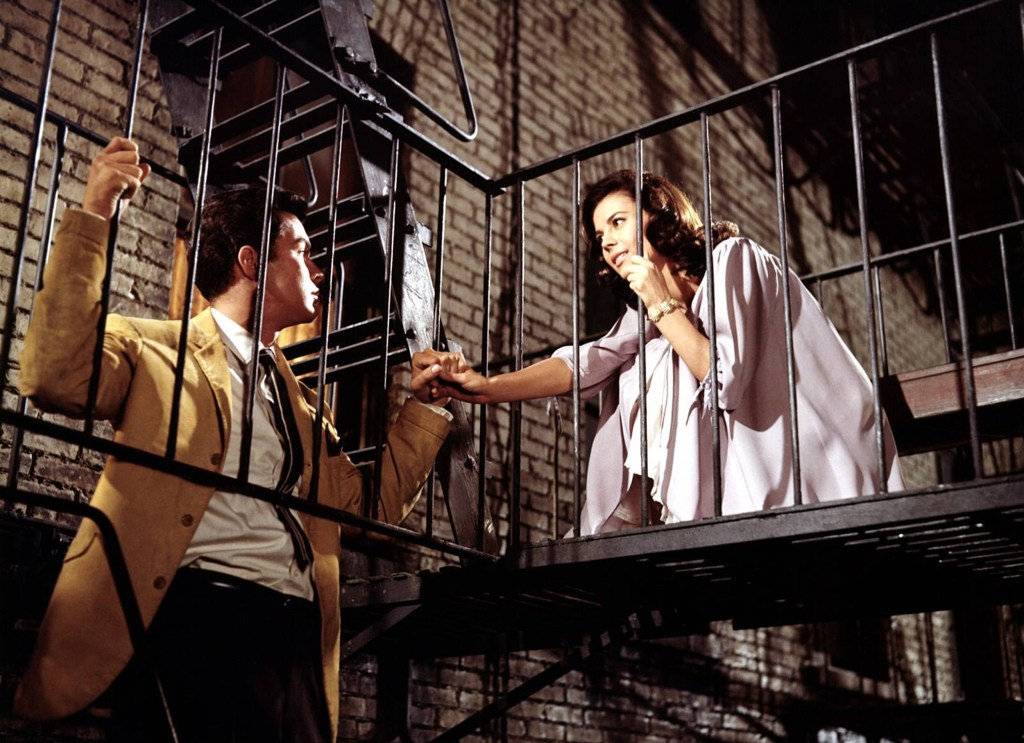
There have been great works created based on things that are in the public domain. Universal Studios built their brand on it in the 1930s with their versions of Dracula and Frankenstein, neither of which were particularly faithful to the respective novels (Dracula was actually based on the stage play), but they still defined the characters for subsequent generations. Without those two films, who’s to say anybody would remember Bram Stoker or Mary Shelley today? There are a thousand and twelve versions of A Christmas Carol, and although plenty of them are trash, there are also some excellent ones. A Muppet Christmas Carol is a fantastic rendition of the story, quite faithful to the book, with one of Michael Caine’s most legendary performances. Scrooged is a great update of the story to the 1980s, with Bill Murray giving us a different but perfectly valid take on the character, making it into something new while still, clearly, owing its own existence to the Charles Dickens novel. And what about West Side Story, the 1950’s musical about street gangs that lifts cleanly from Romeo and Juliet? In fact, I would argue that West Side Story actually IMPROVES upon Romeo and Juliet. In West Side Story, the two young lovers are destined for a tragic ending because of the arbitrary labels of race and class that divide them, making a statement about those things that was not only poignant to the era and place where the musical is set, but is equally applicable to all times and all places. In the original Romeo and Juliet, though, the two young lovers are destined for a tragic ending because everybody in that play is dumber than a sack of hammers. 

(Note to any ninth grade students who are scheduled to study Romeo and Juliet in this upcoming spring semester: I am TOTALLY kidding about this. Romeo and Juliet is the bomb. The bomb dot com. Listen to your teacher and stay in school.)

“The bad news is you’re still gonna die. The good news is that, thanks to public domain, you don’t have to die like a moron this time.”

Anyway, the point I’m getting at is that the folks behind Mickey’s Mouse Trap and other, similar works are taking the easy way out. They also display a pretty specious understanding of how copyright actually works, because what’s in public domain are specifically the versions of Mickey and Minnie that originally appeared in “Steamboat Willy” and “Plane Crazy,” nothing else. They also don’t seem entirely aware that copyright and trademark aren’t quite the same thing, and the trademark behind Mickey is still nice, strong, and supported by enough lawyers employed by the Walt Disney Entertainment Global Megaplex and Shadow Government to invade Portugal. They may be able to get away with showing a guy in a black-and-white Mickey Mouse costume holding a knife, but calling the movie Mickey’s Mouse Trap? I am sitting nearby with a bucket of popcorn waiting for the lawsuits to start.

“M…I…C…”
“See you in court!”

But even if that weren’t the case, that doesn’t change the fact that a Mickey Mouse slasher movie is the cheap and easy way out. The freedom we get when something joins public domain is important, but far too many people waste that freedom with lazy works churned out for shock value without any real reason to create something other than to say, “Heh heh, that’s messed up.” And while I know some would disagree with me here, that’s not a good enough reason. Blood and Honey thought it would be funny to take a beloved icon of childhood and make it a bloodthirsty killer. I didn’t see the movie because, frankly, the idea itself is distasteful to me (and you’re talking to someone who’s excited about the Toxic Avenger remake, for heaven’s sake). But at least they did it first. The filmmakers behind Mickey’s Mouse Trap don’t even have THAT in their favor. They’re pulling the same joke somebody else did. It’s lazy, and it’s boring. Telling a bad joke once is unfunny. Stealing a bad joke from somebody else is the sign of a hack.

I usually have a pretty firm rule not to try to analyze a movie I haven’t seen, so I’m going to base my critique purely on the trailer, which not only looks lazy and boring, but straight-up steals one of the most famous jokes from the first Scream movie. In and of itself, the fact that they chose to showcase this joke in the trailer quashes any hopes I may have had for this movie’s transcendence, I’m sure the filmmakers, if confronted with this, would claim it’s an “homage,” but if this were an essay turned in by one of my 12th-grade students, this is where I would stop reading and simply give them an “F” for plagiarism. (Unless, of course, they gave proper citations to Kevin Williamson and Wes Craven.) 

Do you have the right, legally speaking, to make a movie whose only real purpose seems to be to show cartoon characters committing brutal acts of violence? Sure. But as George Lucas tried to demonstrate to us when he had Greedo shoot first, just because you have the right to do something doesn’t always make it a good idea. The best argument for letting works into the public domain is so that new, innovative works can be built upon those things that have helped build our culture. Things like Mickey’s Mouse Trap fails on both of these counts. 

“Wait, people thought we were serious about this?”

The 1920s and 30s were a pretty rich time, culturally speaking, and there are a lot of characters and works that will soon be free to use. Next year the first Marx Bros movie, The Cocoanuts, will be in the public domain, along with Ernest Hemingway’s novel A Farewell to Arms. In 2027, the aforementioned Universal Frankenstein and Dracula movies will no longer be copyrighted. And looking ahead a decade, the first appearances of Superman will be public domain in 2034, followed the next year by Batman and, the year after, Wonder Woman. And I’m sure there’s some hack filmmaker already planning to do his Superman slasher that year (hint: there already is one, it’s called Brightburn, and it was pretty good), followed by the other two, and then bringing them together as an evil Justice Society once All-Star Comics #3 joins the PDA (Public Domain Association). 

“Been there, done that, murdered innocents with my heat vision.”

I’m putting you on notice now, guys: if you’re planning to exploit these works when the time comes, that’s fine. That’s your prerogative. But if your idea of doing so is nothing more than “Ha ha, what if Superman murdered people?” keep it to yourself. We all deserve better. 

Blake M. Petit is a writer, teacher, and dad from Ama, Louisiana. His current writing project is the superhero adventure series Other People’s Heroes: Little Stars, a new episode of which is available every Wednesday on Amazon’s Kindle Vella platform. He feels ways about things sometimes. 

Geek Punditry #41: Playing Favorites With Horror Movies (Part Two)

Horror Without a Death

Last week, in a column that has been-fast tracked for the 2023 Pulitzer Prize for Blog Posts about Horror Movies (probably not a real thing) I asked my friends on social media to give me suggestions for categories of horror. I would then report back on your suggestions here and talk about some of my favorites in each category. I got a lot of great suggestions – so many, in fact, that I couldn’t fit them all into a single column. So buckle in, my friends, it’s time for Week Two of Playing Favorites With Horror Movies!

Horror Without a Death

Duane Hower came at me with one of the toughest suggestions of the whole batch: what’s my favorite horror movie in which NOBODY DIES? (And a note here – just the fact that a movie can be mentioned in this category qualifies as a spoiler, so if you’re squeamish about that sort of thing, you may want to hop down to the next category.) 

It was tough, guys. There aren’t that many films that meet the criteria – after all, the point of horror is to instill fear, and that inherently brings with it the fear of the void. There are plenty of horror/comedies that fall into this category, sure, but straight horror? It’s not easy to find good examples.

A few eventually came to mind. Poltergeist is about a family that moves to a new home only to discover malevolent spirits already inhabit their dwelling. The Others is about a family that moves to a new home…only to discover that malevolent spirits already inhabit…okay, there’s a pattern. But 1408! That mixes it up! That’s about a travel writer who gets a hotel room! And finds that malevolent spirits inhabit the dwelling. 

“I see dead people. Not fresh ones, though.”

Still, these are solid films where nobody dies (well…depending on which cut of 1408 you watch). The thing is, they’re also all ghost stories. And ghost stories rock, don’t get me wrong, but they’re stories about somebody who has already died. Can I count them in this category, just because the deaths in question happened before the movie began?

If I rule out ghost stories, the pool gets even shallower, but there are still a few tasty fish in it. Tod Browning’s Freaks from 1932, for instance. The director of Bela Lugosi’s Dracula followed it with this movie about performers in a circus sideshow and an unscrupulous woman who plans to take advantage of them to seize an inheritance one of them is due to collect. The movie is pretty wild, and was so controversial at the time that Browning’s career was essentially destroyed. But nobody dies in the film…although by the ending, there’s someone who may wish they were dead.

I also need to give credit to One Hour Photo, a thriller starring the late, great Robin Williams. Williams plays a man who works for one of those one hour photo development labs (kids, ask your parents) and becomes dangerously obsessed with one of the families whose film he processes. Williams, of course, was a legend for his comedic roles, and often showed his dramatic chops as well in movies like Dead Poets Society and Good Morning, Vietnam, but this is the only movie I can think of that showed how outright SCARY he could be when he set his mind to it. The man was a unique and priceless talent, and I feel like this is a movie that doesn’t get talked about enough, possibly because the entire premise is centered around a piece of late 20th century culture that doesn’t really exist anymore.

Hammer Horror

My old buddy Eric LeBlanc wanted to know what my favorite movie was from the Hammer Films catalog. In the 1950s, after Universal Studios quietly put an end to their monumental run of monster movies, Britain’s Hammer Films saw an opportunity to fill the void. Not only did they start pumping out horror movies at a pace that would have made Carl Lammle Jr. pick his jaw up off the floor, but they did so by borrowing a heck of a lot of the goodwill that Universal had built up, using the same public domain creeps like Frankenstein’s monster, vampires, mummies, and werewolves. 

I never got quite as deep into Hammer as I have into the Universal library, but I’ve seen a lot of their films and I definitely have my favorites, the top being 1958’s Horror of Dracula (or sometimes just Dracula). Incredibly stylish and colorful, the movie is also a bit more faithful to the original novel than the Universal version. Plus it has two of the giants of horror in some of their best parts: Christopher Lee as Count Dracula and Peter Cushing as Van Helsing. Lee is creepy and charming, and the only reason he’s not considered the definitive version of Dracula is that Bela Lugosi beat him to it. And Van Helsing? Sorry, Hugh Jackman, but Peter Cushing owns that role. 

The HORROR…of a world without photoshop.

Stephen King Adaptation

Rachel Ricks played right into my hands by asking for my favorite Stephen King adaptation.

Project ALF.

Iiiiiiiit’s baaaaaaaaack!

As anyone who has read this blog for more than a day knows, I’m a huge fan of Stephen King’s books…but what about his movies? There have been over 200 adaptations of King’s novels and short stories (I checked IMDB), so which one is the best? Truth is the really great ones aren’t actually horror movies: The Shawshank Redemption, The Green Mile, and Stand By Me are some of the best films ever made based on King’s work, but none of them qualify as horror. When you get into the scary content, the sad truth is that a lot of the adaptations are sub-par. (I mean…have you SEEN Maximum Overdrive? Whoever directed that movie doesn’t seem to have the slightest idea what Stephen King is all about. It’s like he was on cocaine or something.)

That said, there are SOME good horror movies based on King’s work. Many people would point immediately to The Shining, but I’m not among them. Look, it’s a good movie, but as an adaptation of King’s book it is terrible. I’d rather focus on movies that DO adapt the books more or less faithfully.

I already mentioned 1408 earlier, and I’d place it close to the top of this list. At the VERY top, though, would be Misery, the James Caan/Kathy Bates adaptation about a writer (it’s a Stephen King movie, of COURSE it’s about a writer) who gets in a terrible car accident only to be saved by his biggest fan. As he begins to heal, though, he discovers that he may have been better off in the wreck. 

Some people, however, would classify Misery more as a thriller than a horror movie, so for those who like to split hairs, let’s talk about The Mist. A mysterious fog full of murderous monsters rolls over a small town, trapping dozens of people in a supermarket. The adaptation is solid, but what really elevates it is the ending. Frank Darabont, who wrote and directed this film (and Shawshank and The Green Mile, so you see his pedigree) changed the ending of the story, something that I usually find outrageous. But the ending he put on was so shocking and dark that even Stephen King himself says he prefers it to the original. 

And I’ve got to give credit to It. I consider this one of King’s best novels – perhaps THE best Stephen King novel – and we’ve gotten TWO pretty good adaptations. The original miniseries from the 90s did the best it could on network television, and Tim Curry is iconic as Pennywise. But in 2017 we got a fantastic adaptation of half of the novel, with Bill Skarsgard taking Pennywise and making him his own. Admittedly, It Chapter Two from 2019 didn’t quite live up to the first part, but you can watch the first part on its own and get a solid, satisfying story. It’s darn near perfect.

It’s good to be the King.

The Wonderful World of Disney

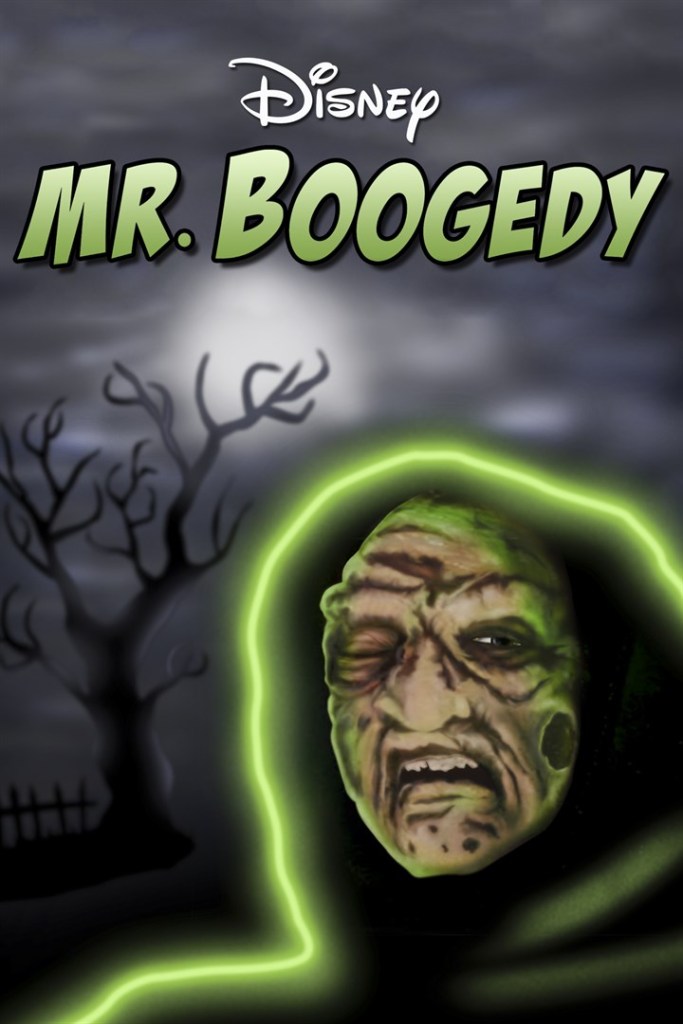
Ryan Tait gave me a category I NEVER would have thought of, but absolutely love: my favorite Wonderful World of Disney Halloween movie. Back in the day, before even the Disney channel, Wonderful World was a delightful showcase for Disney content of all stripes, and some of those made-for-TV movies still hold a warm place in my heart today. My favorite for this category is going to both show my age and make a lot of people wonder what the hell I’m talking about, but I have a deep abiding fondness for the 1986 film Mr. Boogedy.

From the studio that brought you Old Yeller.

A novelty salesman and his family move into a new house that turns out to be haunted (SO MANY of these movies are about people who move into haunted houses, and there are some downright unscrupulous realtors out there) by both some kind ghosts who have been trapped there and by the malevolent spirit who has kept them prisoner. It’s a silly, cheesy movie, but it’s so much fun. And the cast has a great pedigree. Richard Masur of the 90s It, a pre-Buffy the Vampire Slayer Kristy Swanson, a pre-Married With Children David Faustino, and young Benji Gregory, on the cusp of superstardom for his role on the sitcom…not making it up this time…ALF. 

Benji wasn’t in the movie, though.

Both Mr. Boogedy and its (perhaps even better) sequel, Bride of Boogedy, are available on Disney+…but I’m hesitant to tell you to go and watch them if you’ve never seen them before. It’s one of those things where I know my fondness for the movie comes from having watched it over and over again as a child, and I suspect that somebody watching it now, for the first time, as an adult, wouldn’t love it the way that I do. But if you HAVE seen it before and remember it warmly, go check it out. I watched it last year and I still love it.

Installments Past a Sequel

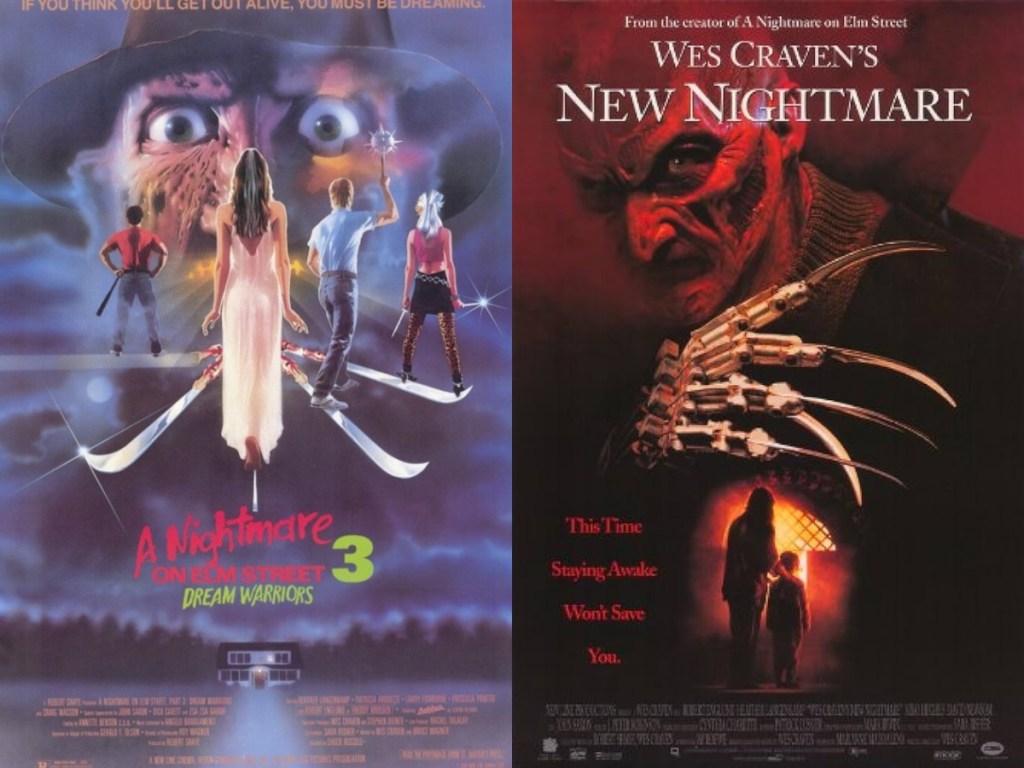
Jasper Fahrig asked what I thought were good installments of a franchise past the first sequel. It’s a truth of filmmaking that long-running series often suffer from diminishing returns. The deeper you get, the worse the franchise often becomes, so finding a good movie that’s part 3 or higher isn’t always easy. Fortunately, Wes Craven is there to hook us up with not one, but two films in the Nightmare on Elm Street franchise. Craven wrote and directed the original Nightmare, but sat out the sequel. When Part Three (Dream Warriors) was made, he came back to help with the story. After a part two that many people admittedly enjoy, but doesn’t really fit with the rest of the franchise, part three is GREAT. Robert Englund is in top form, Heather Langenkamp returns as Nancy (the BEST final girl outside of Laurie Strode), and the crazy horror dream imagery is used to the best effect in the entire series. What’s more, the movie was directed by Chuck Russell (whose remake of The Blob I mentioned last week) and co-written by Frank Darabont. Maybe I’m NOT a horror fan, guys, maybe I’m just a fan of several very specific filmmakers.

But Craven wasn’t quite done. He stepped away from Freddy after that and three more sequels incredibly diluted the character before Wes came back to save the day one more time with Wes Craven’s New Nightmare. Langenkamp is back again, but this time she plays HERSELF, an actress who finds herself haunted by the spirit of Freddy Kruger, the killer from that old movie she made years ago. Craven also appears as himself in the movie, as does Robert Englund, playing both himself and Freddy Krueger. The movie uses the language of the Nightmare series to make a statement about the power of storytelling and belief. It was ” meta” two years before Craven would redefine “meta” with the Scream franchise, and it’s hands-down my favorite Nightmare.

A double feature to keep you up all night.

Award-Worthy Horror

Seth Pontiff wanted to know some horror movie performances that I thought were worthy of Oscar consideration. Oooh, that’s a good one. I’ve often complained about the way the Academy ignores genre movies, but there HAVE been a scarce few performances that got nods. Kathy Bates actually won best actress for Misery, and the next year both Jodie Foster and Anthony Hopkins would take home statues for Silence of the Lambs, but those are movies that the Academy can classify as “Thrillers” without getting their hands dirty in a straight-up horror movie.

So who should have been recognized, but wasn’t? I have to say, I think it’s an outright crime that Boris Karloff was never recognized for his work as the Frankenstein monster. He played the creature three times, twice in movies that are indisputable classics, and infused the monster with such depth and humanity that the viewer comes out the other end on his side. There was so much sadness and power in the character, interspersed with other moments like unbridled joy at those few times he thinks he’s found a kindred spirit, and Karloff sells every second of it. There’s a reason that every kid who draws a picture of the creature gives him a flattop and bolts on his neck, and it’s not because Mary Shelley described him that way.

Another performance that I think was awardworthy? Jamie Lee Curtis as Laurie Strode in Halloween. Not the 1978 film…the one from 2018. This is going to be controversial, I know, because that film has become EXTREMELY divisive among horror fans. And in truth, I was highly disappointed in the final film in that trilogy. But when I look at the 2018 movie by itself I am in awe of her performance. Curtis plays Laurie Strode as a trauma survivor who has spent her entire life preparing for the other shoe to drop. It’s a performance full of anguish and pain, and she sells it every second she’s on screen. I’m glad that she got her Oscar last year for Everything Everywhere All at Once, but I really believe she should have had it sooner.

I’m actually not great at Photoshop either, so pretend I made it look like these two are holding little statues.

Psychological Horror

And finally, AJ Peden asked me about my favorite psychological horror movies. What makes this difficult is that it’s really hard to define what “psychological horror” actually is. The Wikipedia definition (yeah, I looked it up) says it’s horror “with a particular focus on mental, emotional, and psychological states to frighten, disturb, or unsettle its audience.” Well gee, that narrows it down, right? Another problem here is that so many of these movies overlap into other subgenres: ghost stories, slasher movies, found footage films, etc., have all had prime examples of what we could call “psychological horror.” 

I suppose my favorites in this incredibly broad subcategory would have to go back to the great Alfred Hitchcock. Psycho is the obvious example – it’s a great movie with a brilliant twist halfway through the film and a second brilliant twist at the end of the film. It’s also one of the prototypes for the slasher. So is Peeping Tom, which is also a dandy example of psychological horror. In that film, directed by Michael Powell, Karlheinz Bohm plays a photographer making a documentary about fear by filming the deaths of his victims. I suppose a 1960 audience may have been enticed by the title or the high sexual content (by 1960s standards) of the film, but the way Bohm’s character messes with your head is really powerful.

In the 60s, this was scarier than asbestos.

For more modern examples, I think Jordan Peele has kind of taken the forefront of the wave. Get Out, the movie that made people realize that guy from the goofy sketch comedy show was actually a master of terror, was not only a meditation on race relations, but a terrifying film about the potential of having your body literally stolen from you and the mental state that would result from – or compel somebody to do – such a thing. There have been a lot of films since Get Out that have tried to capture that same flavor (The Barbarian comes to mind, as does X and its prequel, Pearl), but I think as far as today’s filmmakers go, Peele wears the crown. 

And I think that’s going to wrap it up, guys. There are a few other suggestions I didn’t get to, but those are either in categories where I haven’t seen enough movies to really form an opinion (Patrick Slagle – sorry, I don’t have a lot of folk horror movies in my catalog) or categories where my answer is so basic that I don’t know that I have anything interesting to say about it. (Rene Gautreaux: the best religious-based horror movie is still the original The Exorcist. Tony Cirillo, my favorite puppet from the Puppet Master franchise is Blade, because blades are cool.) 

I hope you enjoyed this little experiment as much as I did. I had a lot of fun letting you guys tell me what to write about, and I think we uncovered a few gems in the process. May this two-parter help you find some new stuff to watch in the remainder of this spooky season, and keep your eyes right here! I don’t think it’s going to be too long before I ask you all to help me Play Favorites again. 

Blake M. Petit is a writer, teacher, and dad from Ama, Louisiana. His current writing project is the superhero adventure series Other People’s Heroes: Little Stars, a new episode of which is available every Wednesday on Amazon’s Kindle Vella platform. All this and nobody asked about the best zombie movie? Ah well, maybe next time. 

Geek Punditry #40: Playing Favorites With Horror Movies (Part One)

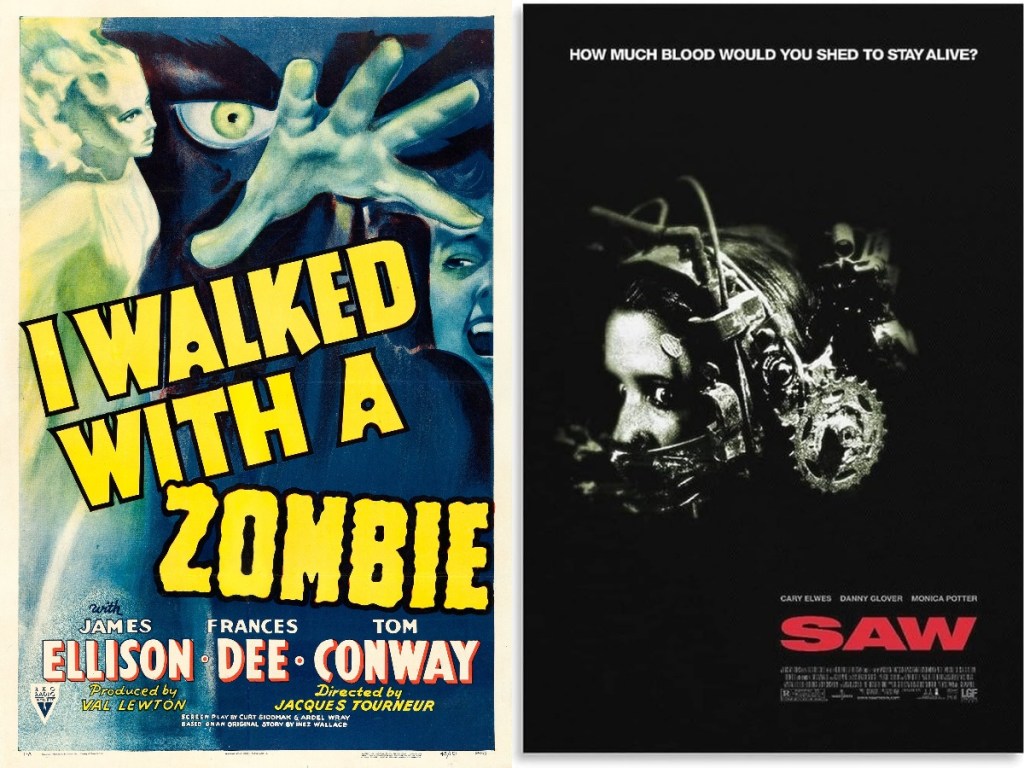
One of my favorite things, as a teacher, is when you find a class that you just click with. You enjoy their insights, you can have real conversations with them, and you look forward to seeing them walk into your room every day. Sometimes, those kids even ask you questions that get your creative juices flowing. This week, for instance, in one such class, a student asked me what my favorite horror movie was. This was a tough question for, as I’ve mentioned before, I don’t really like ranking things. I feel like it can sometimes be a hotbed for division and argument, for one. Also, sometimes it’s REALLY hard. Favorite horror movie? How do you pick? There are so many different KINDS of horror. Is it really fair to compare something like I Walked With a Zombie to Saw, both technically horror movies, but so different from one another that any comparison is really inadequate?

Samesies?

But then a thought occurred to me. One of the things that makes it hard is that there ARE too many categories to compare…so rather than try, why not look at my favorite films in each of these respective categories? So I turned to my friends on social media for a little experiment. I asked them to suggest different categories of horror movies, and I would take to this week’s Geek Punditry column to discuss my favorites in each category suggested. If it worked, I figured, it would be a cheap and easy way fun and clever way to draw future topics for GP columns. And if not? Well, it’s just one week.

Some categories are obvious, of course. Only a few weeks ago I spent an entire column talking about why Scream is my favorite slasher franchise. And not quite a year ago, before I even started GP, I wrote a blog post revealing that my favorite Universal Monster series is – to the surprise of absolutely nobody – Frankenstein. But I wanted to see what categories YOU guys could come up, and there were some doozies. So without further ado, I present to you the first ever Geek Punditry Presents: Playing Favorites…with HORROR MOVIES!

HORROR/COMEDIES

Lew Beitz kicked me off with a category I have a LOT to say about: the best horror/comedies. As people who’ve been reading my stuff for a long time know, I’ve covered this category in-depth in the past. Why, way back in 2012 I spent an entire month discussing 20 of the best horror/comedies of all time

You see, horror and comedy, I believe, co-exist on kind of a sliding scale. Both genres are absolutely dependent on an ability to build up tension and release it in a satisfying way: in comedy with laughter, in horror with screams. But the tools are largely the same, only the result is different, and it can be very easy to turn a moment from one where you laugh to one where you’re terrified with just the slightest twist to the left. Horror/comedies, as a subgenre, are also on a sliding scale. There are those that are mostly comedies, but use the tropes of horror movies as the backdrop for the fun (Bob Hope’s classic The Ghost Breakers falls into this category), whereas others are true horror movies that happen to have funny characters or funny moments (the best films in the Scream franchise go here – and this is where Freddy Krueger believes he exists, although his victims and, occasionally, his audience may beg to differ). 

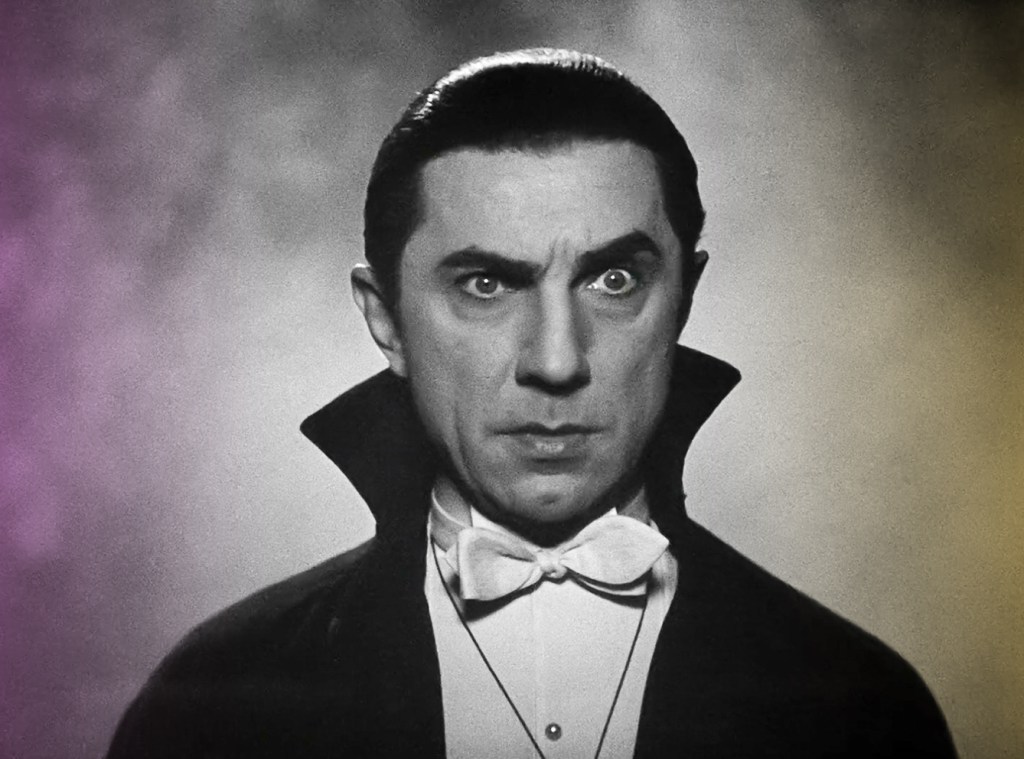
Most people who know me know that two of my all-time favorite movies fall into the lighter side of this spectrum: Abbott and Costello Meet Frankenstein and Ghostbusters. Abbott and Costello jumped into the world of the Universal Monsters and delivered an absolute laugh riot, using all the elements that made those monster movies classic and combining them with their own flawless comic sensibility. And as if that wasn’t enough, they had Bela Lugosi returning as Dracula (only the second time he would play the Count, and the final time as well). Lon Chaney Jr. was on board as the Wolf Man! All they were missing was Boris Karloff as the Frankenstein Monster, although Glenn Strange did a fine job. There are two times I watch this movie: at least once every Halloween season, and any time it happens to turn up on MeTV’s Svengoolie. 

Wanna Laugh? Wanna be creeped out? No need to choose.

Ghostbusters, on the other hand, is a workplace comedy where the workplace happens to be an exterminator business for the dead. Legendary performances by comedic actors at the top of their game, special effects that are astonishing for the time (and the time constraints) in which the movie was made, and a script full of the best movie quotes ever written. My love for the real Ghostbusters knows no bounds.

But if you’re the sort of person who prefers their horror/comedy to slide further to the horror side of the scale, may I recommend Evil Dead 2? Bruce Campbell, a chainsaw, and an incursion of demonic creatures from beyond the grave makes for a gory and glorious time. And it doesn’t even matter if you haven’t seen the (scarier but less funny) original film, because the first 20 minutes is basically a condensed remake of that one. 

ALIENS SERIES

Sandy Brophy wants to know what I think the best movie is in the Aliens series. I assume he means Ridley Scott’s Xenomorphs, because if he just means any movie with an extraterrestrial, the scariest one is obvious: Project ALF.

Your cat is terrified.

But in the Ridley Scott series, we’ve got eight movies to choose from so far: the four films featuring Sigourney Weaver’s Ripley, the two Alien Vs. Predator films, and the preboot films Prometheus and Alien: Covenant. But if you’re hoping for a lot of fussing and prevaricating over this one friends, I’m sorry to disappoint, but this is an easy answer. It’s the original, by far. 

The tagline even makes a basic truth of physics scary.

To be clear, I haven’t seen all eight of these films. Alien3 was so bad that I just couldn’t bring myself to watch Alien: Resurrection. But with seven out of eight under my belt, I feel confident in saying the original wins the crown because it’s the only one that’s actually intended to be a horror movie. It’s a haunted house movie in space, and it hits all the tropes of that kind of story perfectly while still keeping it in a fully fleshed-out science fiction universe. A large part of what makes it scary was that you didn’t actually get a good look at the alien for most of the movie. Ridley Scott knew that what a person can imagine is far more frightening than what you can put on the screen. When James Cameron signed on for the sequel, Aliens, he wisely realized that it would be impossible to replicate that kind of suspense now that everybody knew what the aliens looked like and how they functioned, so he didn’t even try. He didn’t make it a scary movie, he made it an action movie, and he knocked it out of the park. Some may even make a convincing case for the sequel being a better movie than the original, but that’s not the question today, is it? The question is which is a better horror movie, and after the first one, the rest of the films in this franchise aren’t even competing in the same contest.

NON-XENOMORPH SCI-FI

Not to be outdone by Sandy, Jason Ritterstein asked for my favorite non-xenomorph science fiction horror movie.

Project ALF.

How many times can I get away with this?

But if that’s too scary for you, there are other options. I actually struggled with this one a little, as many of the most memorable sci-fi horror movies also fall into the “Horror/Comedy” category, like Critters, Killer Klowns From Outer Space, and Little Shop of Horrors, all of which are worth watching. But if you’re looking for something that’s not trying to be funny, or at least not trying as hard as those other ones, I like Chuck Russell’s 1988 remake of The Blob. He takes the premise of the original and updates it nicely to the 80s, although the effects are a little dated. The original is good too. And if neither of those is scary enough for you, get a change of pants and check out Event Horizon, a 1997 film about an expedition to recover a spacecraft that went missing seven years prior, and the absolutely terrifying things found on board. This came out at a time where all I really knew Sam Neill from was Jurassic Park (I would watch In the Mouth of Madness later), and holy gee willikers, it made me see him in a totally different way.

Space is scary as hell, guys. Why do we keep trying to go there?

BEST WORST MOVIE

Amber Foret asked for “the funniest unintentionally comedic horror,” while Seth Pontiff wanted to find out what I thought was “the best worst low budget horror.” I combined these two because I think they’re really asking for the same thing: what’s a terrible horror movie that’s fun to watch? And that’s tough, isn’t it friends? Because there are just SO. MANY. OF. THEM.

Part of me feels a little bad to shine a light on this, because nobody really tries to make a bad movie, but people do it every day. Back when video stores were a thing it was impossible to walk through the horror section without seeing dozens of movies that should never be attempted without the assistance of a current or former occupant of the Satellite of Love and a couple of wisecracking robots. When a horror movie fails, it can fail for so many reasons: a bad story, bad special effects, bad performances, bad scare attempts, bad takes on contemporary issues…when you look at how many things can go wrong, it’s almost a miracle that anybody ever makes a good movie at all. 

But if you’re looking for the perfect storm of terrible horror movies…well, I’m sorry if you’re looking for a revelation here, friends, but there’s no awful movie that’s more fun to watch than Troll 2. A movie that has no trolls in it, that was retroactively retitled to be the sequel to a horror movie nobody remembers, Troll 2 is one of the most bafflingly stupid, inept, and poorly-made movies in human history. It’s glorious. A family goes on vacation, renting a house in a town called Nilbog (oh yeah, Nilbog) and soon find themselves the targets of a group of vegetarian goblins whose plot is to turn humans into plants so they can eat them. You can read that sentence another 17 times if you want, friends, it won’t make any more or less sense than it does now. 

The movie nobody asked for, and yet we can’t live without.

This movie is so legendary that 20 years later the child star of it actually made a very good documentary about the cult following it’s garnered, Best Worst Movie, which reveals many of the reasons for film’s ineptitude. For example, writer/director Claudio Fragasso evidently wrote the script in his native Italian and then translated it, but refused to allow any of the actors to change even a word of their dialogue to make it sound more natural coming out of the mouths of 90s American teenagers. (Actual quote: “I’m the victim of a nocturnal rapture. I have to release my lowest instincts with a woman.” Ladies, if you ever have a date who says he’s a victim of nocturnal rapture, call the cops.) Budget constraints led to the goblins wearing what look like off-the-rack rubber masks that were then shat upon by a horse. The actors weren’t professionals (pretend to be shocked at that), and one of them turned out to be a patient at a local mental institution who got a role and filmed his scenes while on a day trip. The only actor in the movie who seems to be enjoying herself is Deborah Reed, who plays the villain, Creedence Leonore Gielgud (and make damn sure you use the whole name). She spends the film giving a performance so ridiculously over-the-top and hamfisted she makes Elvira look like a wallflower by comparison. This movie is a train wreck caused by a plane crash that happened on top of a Native American burial ground, and it could potentially be used to interrogate political prisoners who have proven surprisingly resistant to waterboarding and bamboo shoots under their fingernails. It’s a masterpiece. 

FOUND FOOTAGE

Our last suggestion for this week comes from reader Erin Petit, who moves up to the front of the queue because she happens to be my wife. (Sleeping with the writer gives you advantages, people.) She wants to know what my favorite found footage horror movie is, because it’s becoming a favorite subgenre of hers.

We seem to be on the downward slope of found footage movies at the moment. For a while there, especially after Paranormal Activity, they were booming…mostly because they’re relatively cheap to make, and there’s nothing a movie executive loves to hear more than “relatively cheap.” In fact, I’m pretty sure that exact language was used to describe them when the WGA was making their demands during the recently-concluded strike. But this boom brought with it a lot of bad movies, and finding the good ones can be rather difficult. 

If I’m gonna pick one, though, I have to go with Adam Green’s Digging Up the Marrow. This may be slightly controversial, as Green himself dislikes calling the film a “found footage” movie, preferring to refer to it as a fake documentary. And he’s right, it’s not “found” the way that most such movies are, where the conceit seems to be that you, the viewer, happened to stumble upon an old VHS tape in a box and you popped it into the machine to see what’s on it. Green’s movie is filmed like a documentary, with the requisite cutaway moments, talking head interviews, and the like…but the best, most effective parts of it use the language of found footage, so I’m going to stick with my answer.

AAAHH!!! Real monsters!

Anyway, in this movie Green plays himself, horror filmmaker Adam Green, approached by a man named William Dekker who is sending him drawings of dozens of monsters…monsters he’s trying to convince Green are real. It’s a great movie with some amazing practical monster effects, and Green and Ray Wise (as Dekker) put forth a fantastic performance. The ending is so creepy and effective that when we first watched it, Erin made me get up from the couch and lock our front door because she said heard a weird noise outside. (Sorry if you didn’t want me to tell that story, sweetheart, but you asked.)

Wow, guys. This is already almost the longest Geek Punditry column of all time, and I haven’t even gotten through half your suggestions! So you know what? NEXT WEEK WILL BE PLAYING FAVORITES PART TWO! If I didn’t get to your suggestion this week, I’ve got them all saved and I’ll tackle more next Friday. And if you didn’t give me a suggestion, there’s still time! Drop it in the comments here or hit me with it on any of the social media platforms you used to find this column. And while you’re at it, tell me your thoughts on the categories I covered THIS week! There’s PLENTY more to talk about this Spooky Season, and want to hear from you!

Blake M. Petit is a writer, teacher, and dad from Ama, Louisiana. His current writing project is the superhero adventure series Other People’s Heroes: Little Stars, a new episode of which is available every Wednesday on Amazon’s Kindle Vella platform. He did not expect this new column format to be such an abundance of riches, and now it’s going to be nigh-impossible to prevent him from running it into the ground. Way to go, guys.

I Rank the Universal Monsters

Today I watched The Invisible Man’s Revenge from 1944, and with that, I have FINALLY watched EVERY movie featuring one of the classic Universal Monsters. I have no excuse for the fact that it has taken so long. I have deep, deep shame. But hey, I did it! And now that I’ve FINALLY absorbed every film in their assorted franchises, I’m going to rank them from my favorite to least favorite. Absolutely nobody will care about this ranking except me, but I’m going to share it anyway:

1: Frankenstein. Not a surprise, I’m sure. Everyone knows how much I love Boris Karloff as the monster. Many people probably also know that I consider Bride of Frankenstein to be Universal’s finest monster movie. And anybody who has ever talked to me for more than 17 seconds has probably heard me ramble on about the fact that Abbott and Costello Meet Frankenstein is one of my five favorite movies of all time. Of course this was going to be on top.

2. The Wolf-Man. Lon Chaney Jr. only got one solo film as the Wolf-Man, but he went on to play the character in several “monster rally” films. He’s the only Universal Monster to have a consistent performer throughout the entire franchise, and he’s a wonderfully tragic figure at that. He’s just such a great character.

3. The Invisible Man. Pound for pound, the Invisible Man films are really entertaining, and the special effects are wonderful for the time period. The franchise is hurt a bit by the fact that there is NO consistency in the performer, that most of the films make no attempt at continuity with one another, and that two of them (The Invisible Woman and The Invisible Agent) make no pretense at being monster movies at all, but rather a romantic comedy and a World War II action movie, respectively. But the ones that are good (that would be the original, The Invisible Man Returns, and The Invisible Man’s Revenge) are REALLY good.

4. Dracula. This series would be higher than the Invisible Man if I was only judging by Bela Lugosi’s performance, but Lugosi only played the count twice: in the original and in the aforementioned Abbott and Costello Meet Frankenstein. The other actors who played the Count in the other films (even the beloved Lon Chaney Jr.) were…lacking. However, the franchise does get bonus points for the other 1931 Dracula film – the Spanish language version that was made on the same sets as the Lugosi movie at night after director Tod Browning wrapped for the day. The Spanish crew watched Browning’s dailies and made adjustments, often improvements, when filming their own scenes. The resultant film is not as well-known as the Lugosi movie, but may be even better.

5. The Mummy. I must stress here, I am ONLY speaking about the original series from the 1930s and 40s, not the Brendan Fraser series. That would be higher. But while The Mummy series started well, it got very repetitive very fast. The writers also got lazy after a while, not really trying to keep the films consistent with one another. For example, the Mummy rises from the grave after “decades” in two subsequent films, yet they still all took place in the 1940s. Then there was poor Lon Chaney Jr., who played the Mummy in the final few films and, frankly, was sleepwalking through them.

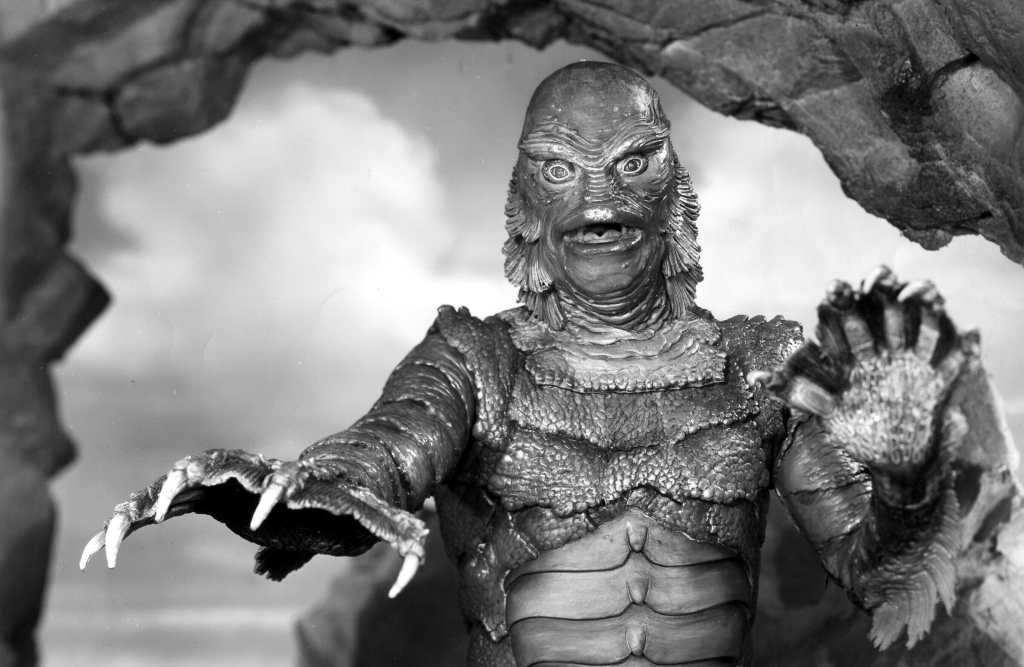
6. The Creature From the Black Lagoon. I should tell you, in case there is any question, that there is no Universal Monster I actually dislike, but somebody’s gotta come in last. The Creature’s trilogy is a fun burst of energy from Universal in the 50s, one last success at creating an iconic character long after the other franchises had been put to bed, but it was never as compelling to me as the others. The Creature comes across as more mindless, driven by pure instinct. It’s neither a beast driven by anguish or anger, and as such, I never really felt for him. It wasn’t until The Shape of Water (not an official Creature film, but come on, we all know) that this archetype really hit for me.


So that’s what I think about these guys. I love ‘em all, I do, and I’m terribly sad that Universal’s various attempts to bring them back in recent years have all fallen flat. I’m going to say it again: the best thing to do would be to bring back Brendan Fraser and Rachel Weisz as the O’Connells and use them as the cornerstone of a new Universal Monsterverse. But what do I know? All I did was watch all the dang things.

Blake M. Petit is a writer, teacher, and dad from Ama, Louisiana. His current writing project is the superhero adventure seriesOther People’s Heroes: Little Stars, a new episode of which is available every Wednesday on Amazon’s Kindle Vella platform. There are ghosts in it, if you like that kind of thing.