This column is NOT going to be about Superman, although I’m going to mention him briefly here in the beginning.
If you follow this blog all week and not just on Fridays when I throw Geek Punditry at you, you’ve probably noticed my Year of Superman posts on Wednesdays. I started the Year of Superman because December was rough and I thought immersing myself in Superman would make 2025 a great year. And I’m enjoying the hell out of having a taste of Superman every day. But aside from that, 2025 has kind of been an asshole, and I’m starting to take it personally. But now it’s May, and by the time you read this my semester will be over and I’ll be off for the summer. So the question is, can I find enough stuff – in addition to the new Superman Unlimited comic, Mark Waid taking over Action Comics, new series for Supergirl and Krypto, a miniseries all about different shades of Kryptonite, and (oh yeah) the new Superman movie – to have summer start to make up for a craptacular first half of the year?
This legit might not be enough.
Because the truth is, Superman isn’t the ONLY thing I’m excited for. In fact, there are several things coming out this summer that I’m very excited about and I can’t wait to read, watch, and otherwise explore. So today I’m going to talk about some of the things I’m MOST excited for, things that I hope will perk me up even more, and bring the year around.
Vin Diesel is still pissed they didn’t cast him for this one on general principle.
Superman is my favorite superhero (that’s probably the last time I’ll mention him), but most people who know me know that my #2 is Benjamin J. Grimm, the ever-lovin’ blue-eyed Thing, and I am very excited to see him hit the screen in a couple of months. But for all the comic book greatness, there hasn’t really been a Fantastic Four MOVIE that has worked. There was a movie in the 90s made only to retain the movie rights with no intention of ever seeing wide release, and ironically, despite its shoestring budget it had some earnestness to it…but it looked like it was made on a shoestring. In the 00s, we got a pair of movies that were…okay. And in 2015 there was a movie that should never again be mentioned in polite society. After four previous tries, director Matt Shakman’s Fantastic Four: First Steps finally looks like a movie that’s going to give us an FF that delivers.
There have been two trailers so far (well, a teaser and a full trailer), trailers that have shown us a Fantastic Four in a very 60s sci-fi pop environment, something that’s absolutely perfect for these characters. The thing to remember about the Fantastic Four is that – although they are technically superheroes – the flavor is less like the Justice League and more similar to the classic sci-fi heroes like Flash Gordon and Buck Rogers. The Fantastic Four are explorers, inventors, and innovators before anything else, and the previous iterations have never quite captured that. In this movie, we’ve got costumes that actually look like space suits. Characters who are clearly known and beloved around the world. And as this is, in fact, part of the MCU’s “Multiverse Saga,” these are the characters who fit that concept the most.
This is a picture that says “suit us up, we’re going to space.”
I know a lot of fans who keep trying to turn the FF Vs. Superman (okay I lied) into some sort of competition – they both come out in July, so who’s movie is going to do better? What an incredibly short-sighted notion. It drives me crazy when people insist on taking sides. You can love two things, IT’S ALLOWED, and I’ve got no doubt that Clark would be in the front row when First Steps premieres on July 15, just two weeks after his movie comes out.
But I don’t get to the movie theaters that often these days – if I actually make it twice in July, it will be a record in a post-Eddie world. So I’m going to be turning to the television for some of this entertainment serotonin as well, and thank goodness, there are two shows returning to the airwaves this ye– wait, they’re on streaming services, not over the air. It doesn’t matter, the principle applies anyway. First up, coming to Disney+ in a few weeks, is a revival of the classic animated series Phineas and Ferb. The original series, which ended nearly ten years ago, was one of the funniest cartoons of the century so far, and like all brilliant ideas, it’s remarkably simple. Two step-brothers spend their summer vacation building absurdly improbable contraptions and inventions as their sister desperately tries and fails to get their mother to catch them in the act while, simultaneously, their pet platypus who is really a secret agent has to stop a mad scientist in his constant efforts to take over the Tri-State area. What could be simpler?
Legally, summer belongs to these guys, but I’m pretty sure they’ll let me borrow it if I ask nicely and promise to fill up the tank before I give it back.
In all honesty, though, the original series was delightful, charming, and unfailingly funny. When Disney announced they were bringing it back, I was unashamedly thrilled. The same creators are back, along with most of the original cast, and they’re picking it back up again the next summer. More adventures, more music, more -inators, and there’s even a preview available of the first few minutes right now. If watching these few minutes of greatness doesn’t get you excited for the return, then you clearly just hate joy. June 5 is the target date for this one.
My one question – my ONLY question – is about the Danville school system. 104 days of summer vacation? ONE HUNDRED AND FOUR? I’ve never even made it to SEVENTY.
The other show I’m super psyched for this week is the return of Star Trek: Strange New Worlds with a two-episode drop on July 17. While the modern versions of Trek have been hit or miss for a lot of fans, Strange New Worlds is perhaps the most universally acclaimed of the series. Set aboard the original Enterprise in the years before James T. Kirk became the captain, Strange New Worlds has the most classically “Trek” feeling of any of the other live-action shows of the modern era, living up to its name with exploration of planets and civilizations we’ve never seen before. It also is far more successful than some of these other versions at attacking the sort of high-minded sci-fi concepts the original brought in without being too heavy-handed or on-the-nose like certain others I could mention.
Thank God, a Star Trek that remembers what “allegory” means again.
The wait for a new season of Strange New Worlds hasn’t been as long as the wait for Phineas and Ferb – a mere two years instead of ten – but Strange New Worlds’s last season ended on a cliffhanger. The wait was exacerbated by the Hollywood writers and actors going on strike in 2023, and now we’re finally going to find out what happened after Captain Pike and the crew of the Enterprise…
…uh…
…crap, it’s been two years, guys. I guess I really need to watch the last season again.
But you know, that’s okay. Summer is just starting, and I’ll need stuff to make it worthwhile. So I’ll re-watch the first two seasons of Strange New Worlds. And I’ll watch classic Phineas and Ferb. And I’ll read more Fantastic Four and Superman comics (hell with it). Because these are the things that make me happy, and when the world does whatever it can to make the summer seem long, hot, and unbearable, these are the things I’ll be turning to, making it a little bit better.
Oh, and also the love of family and friends and all that stuff.
Blake M. Petit is a writer, teacher, and dad from Ama, Louisiana. His most recent writing project is the superhero adventure series Other People’s Heroes: Little Stars, volume one of which is now available on Amazon. You can subscribe to his newsletter by clicking right here. He’s also started putting his LitReel videos on TikTok. If you’ve got more summer greatness that you’re looking forward to, let him know. He’s actually quite concerned that the stuff he’s listed isn’t going to be enough to fill the tank.
It’s critically acclaimed! It’s the #1 family movie at the box-office! The preorder is currently the top-selling comedy Blu-Ray on Amazon! And yet somehow, there’s a pretty good chance you didn’t even know it exists! I’m talking about the new cinematic masterpiece The Day the Earth Blew Up: A Looney Tunes Movie!
Well, I can’t necessarily guarantee “masterpiece” – I haven’t had a chance to see the movie yet, but I am terribly excited for it. My excitement, in fact, is matched almost by how baffled I am at how badly Warner Bros is mishandling the Looney Tunes franchise at the moment. The Day the Earth Blew Up is the first ever feature-length fully-animated theatrical Looney Tunes movie – every other time they’ve been on the big screen in anything other than a short, it’s been with human guest-stars. This time around, though, it’s all toon all the time. The stars of this movie, Daffy Duck and Porky Pig (both voiced by Eric Bauza), haphazardly uncover an alien mind control plot. With the fate of the world at stake, these two most unlikely heroes are the only hope we have – assuming they don’t drive each other crazy first.
They may not be Will Smith and Jeff Goldblum, but I believe they can get the job done.
Since the movie made some festival appearances last year, the buzz has been fantastic. Critics are very high on this movie, with more than one even going so far as to call it the best comedy of the year. And yet somehow Warner Bros, the studio that made it, the studio that has been making Looney Tunes cartoons since the dawn of animation…decided NOT TO RELEASE IT. Instead, it wound up getting shopped around to other distributors and was finally picked up by a lesser-known company called Ketchup Entertainment, which in the past has mostly been known as a distribution hub for smaller, independent movies. In fact, until now, the highest-profile film they had ever released was last year’s flop Hellboy: The Crooked Man.
Now, not only is Ketchup reaping the benefits of The Day the Earth Blew Up, but word has it that they may be able to resurrect another seemingly-dead Looney Tunes movie, Coyote Vs. Acme – a courtroom comedy about Wile E. Coyote suing the Acme corporation over all their flawed products that have tormented him for decades. In addition to Wile E. himself, the movie stars John Cena and Will Forte and is completely finished, and once again, those who have seen it have been very very positive. But in 2023, Warner Bros shelved it as part of the same tax write-off scheme that killed the almost-finished Batgirl movie, and it was feared that it would never see the light of day.
This isn’t what I expected when I heard there was a new John Grisham movie.
Then, this very week that The Day the Earth Blew Up hit theaters, another bit of shocking news: Warner Bros’ streaming service, MAX, has quietly removed ALL Looney Tunes content. The classic shorts, the movies, the spin-off cartoon series…it’s all gone.
WHAT THE HELL IS GOING ON AT WARNER BROS?
I mean, I think that’s a fair question at this point. The Looney Tunes should be the crown jewel in their portfolio. It should be one of the most important things they push and promote. There is literally no property on Earth more closely associated with the Warner Bros brand than the Looney Tunes. Oh sure, there are other big IPs in their library – DC Comics, Harry Potter, and The Wizard of Oz all come to mind. But not a single one of those was originally a WB creation. They got DC Comics when they bought another company that owned it, they license Harry Potter, and Oz was one of the many acquisitions they bought from the floundering MGM Studios when it was going under. When it comes to characters and series that were created and crafted there, in the Warner Bros offices, by Warner Bros employees, there is nothing else as well-known as the Looney Tunes. There’s not even anything close.
You don’t see Steven Universe just chilling with the logo, do you?
I don’t usually like to play the comparison game, but in this case I think I have to. Look at the difference between the way Warner Bros treats the Looney Tunes and the way Disney treats its classic characters, especially those who were around in the golden age as short film stars: Mickey, Minnie, Donald, Goofy, and Pluto, primarily. Every one of those characters is still around, still iconic. You can get them on t-shirts, you can buy their toys, they appear in new cartoons and childrens’ books, and they have for years.
Now try to find some merchandise with Bugs, Daffy, Porky, or the Road Runner. It’s not impossible, but it’s not nearly as easy, either.
Over the decades, Disney has worked hard to make sure their classic characters remain in the public eye. Warner Bros has not. And I think part of the problem is the way that animation in general is still often thought of as children’s entertainment. The original Looney Tunes cartoons are the greatest cartoons of the 40s and 50s, and by a large margin. Even the funniest Disney shorts – and here I am thinking specifically of things like the Goofy “How to” cartoons or the ones where he teaches us how to play a sport – are no match for the likes of Rabbit Seasoning, Rabbit of Seville, One Froggy Evening, or Feed the Kitty. Hell, Chuck Jones’s Duck Amuck should be put in a museum and studied in school as an absolute masterpiece of surrealist comedy, something that has been unmatched before or since.
This belongs in a museum! Right next to the Mona Lisa! And that chick with no arms!
Part of the reason those cartoons were so great is because they were being made for a mass audience, NOT specifically for children. When you paid your nickel to go to the movies in 1939, you would also see a newsreel, a chapter of a serial, short films, and cartoons – and if you were lucky, they were Looney Tunes cartoons. The likes of Friz Freling, Tex Avery, Bob Clampett, and Chuck Jones were making cartoons that THEY thought were funny…and everybody else agreed.
But that DOES mean that the audience for the Looney Tunes skews a bit older than the Disney audience. Stuff like Mickey Mouse Clubhouse gave the classic Disney characters a preschool audience that grew up with them, but efforts like Baby Looney Tunes just…aren’t as good.
“Meeska, Mooska, your move, Warner Bros!”
To give Warner Bros at least a LITTLE bit of credit, they do seem to recognize this part of the problem. The Looney Tunes audience is older, so a lot of the merchandise they make is for an older fan. On my shelf of Superman stuff, for instance, I’ve got the McFarlane Toys Bugs Bunny-as-Superman action figure that came out a year or two ago. It’s a gorgeous figure, because McFarlane makes gorgeous figures…but these figures are “collectibles.” They’re almost statues. They’re not really TOYS, not something for kids to play with. There’s nothing wrong with that, but…where ARE the toys for kids? Or the books? Or the clothes? It’s fine to cater to the existing audience, but to make no effort to create a NEW audience is insane, and that’s exactly what Warner Bros is doing.
Nobody is allowed on this shelf until they earn the “S.”
This is not to suggest that Looney Tunes is the only problem Warner Bros has. For several years now they’ve been in absolute crisis mode, not seeming to know what to do with any of their major properties. The struggles with DC have become the stuff of legend, although I – and many of us – have strong hopes that James Gunn and Peter Safran have finally found the key to righting that particular ship. In their efforts to “modernize” Scooby-Doo, WB canned a sequel to the charming Scoob! movie (another tax victim) while giving a greenlight to the odious Velma series. A few years back, they even hastily turned out the direct-to-DVD movie Tom and Jerry: Willy Wonka and the Chocolate Factory, an ill-conceived effort to maintain their license to the property that was so poorly received the Roald Dahl estate shifted future Dahl properties to Netflix.
With the Looney Tunes cartoons removed from MAX, it seemed like the only place to find them in the wild would be on MeTV and MeTV Toons. But a few days ago came another announcement – Tubi (which is rapidly proving itself to be the best free streaming service out there) is picking up at least a FEW Looney Tunes properties. They are the new home for The Sylvester and Tweety Mysteries – a decent series from the 90s that’s all about the titular duo and Granny travelling the world solving crimes – as well as the excellent Looney Toons Show from 2011. If you’ve never heard of that last one, that’s the one to watch. It was a Cartoon Network series that was a sort of a mashup between the classic Looney Tunes sensibilities and those of a standard American sitcom. The premise is that Daffy Duck has to move in with Bugs Bunny, Odd Couple style, and they get into hijinks. It’s not AS wild as the old shorts were, but the show still finds ways to careen between plots like Daffy trying to make himself look good for his high school reunion to such unlikely things as a discarded soda can making the two of them fugitives from the law, racing across state lines and painting themselves yellow in an effort to avoid the police. It’s good stuff.
Bugs is a Felix. Daffy, oddly, a Samantha.
But what about the classics? The original theatrical shorts from the 40s and 50s? Well, good news – Warner Bros has a new line of Blu-Ray releases coming out soon that will collect the best of those! And you can purchase them with your own American dollars!
Of course, this has left some people angry, with the suspicion that the only reason they pulled the cartoons from MAX is to get people to buy the Blu-Rays and, understandably, they are reluctant to do so. But I’ve got to recommend a different approach. I know you don’t want to do what it seems like Warner Bros WANTS us to do, but if you really care about the future of the Looney Tunes like I do, the only way to show that it to support it. That means watching the cartoons on Tubi, being vocal about the reruns on MeTV, going out to see The Day the Earth Blew Up while it’s still in theaters, and – yes – even getting these new Blu-Rays. I’m not saying you should purchase something you don’t want, but I AM saying that if the only reason you’re refusing to buy them is to spite Warner Bros, that’s not a good reason. And let’s be fair – Warner Bros is far from the only company that has demonstrated very clearly to us that it’s best to keep buying the physical media of the things that you love.
The Looney Tunes are legends, and all of this is to say that if you can’t figure out a way to make money with the Looney Tunes, the single greatest property ever created by the Warner Bros Studios, maybe you shouldn’t be in charge of Warner Bros Studios.
“Well Blake, if you’re so smart, why aren’t YOU in charge?” Somebody always asks that sort of stupid question, so let me address it. I, sir, am not the one being paid hundreds of millions of dollars to steer this studio. I am not an executive, I do not have an executive mindset. But I’m not the one who is claiming that I do. On the other hand, I bet I can at least come up with SOMETHING to promote the brand that’s better than anything Warner Bros is doing to get the Looney Tunes back out there.
Give me five seconds.
Okay, I’ve got it.
It’s simple, and it’s relatively inexpensive, but it would open up the Looney Tunes to a potentially gargantuan audience that is going completely untapped right now. And as much as I hate to say it, I have to ask this question.
WHY THE HELL AREN’T THE LOONEY TUNES ON TIKTOK?
There are approximately 1.5 BILLION people using TikTok every month. That’s not a joke. I checked. And a hell of a lot of them fall into that young demographic that Warner Bros so desperately needs. Since I’ve started putting my own reels there, I’ve found feeds for dozens of current TV shows using the platform to bolster an audience. I’ve also found feeds of classic TV shows that show short clips. And even as we speak, a full 217 people have signed up to watch my goofy ass, and at least twelve of them are NOT my wife. How hard would it be to grab 30-second segments from the legendary Looney Tunes shorts and drop them on the platform? An INTERN could do this job. Follow it up with a trailer for The Day the Earth Blew Up. Put a link to the damn Blu-Rays in the TikTok shop. This is an audience that is being allowed to lay fallow, and they’re all RIGHT THERE, mindlessly scrolling. They might as well be scrolling to something that will enrich their culture and expose them to true art, like Duck Dodgers in the 24th ½ Century.
You can’t tell me some woman in her car screaming about her neighbors is more deserving of a platform than THIS.
There, Warner Bros. You can have that one for free. But you are sitting on the greatest library of comedic characters in the history of western civilization, and you’re letting them wither on the vine. Even worse, WHEN you create good content, you BURY it. It’s absolutely insane. On behalf of all of us out here who love Bugs and Daffy, Porky and Speedy, Marvin the Martian, Foghorn Leghorn, and all the other giants of the comedic art, I say this from the bottom of our collective hearts:
Get your shit together.
Blake M. Petit is a writer, teacher, and dad from Ama, Louisiana. His most recent writing project is the superhero adventure series Other People’s Heroes: Little Stars, volume one of which is now available on Amazon. You can subscribe to his newsletter by clicking right here. He’s also started putting his LitReel videos on TikTok. And while we’re at it, stop screwing around with the Flintstones, too.
“You know Blake,” some of you may be saying, “Just because it’s October doesn’t mean that EVERYTHING you write about has to be scary. Some of us don’t necessarily NEED to immerse ourselves in serial killers and cosmic horror and Stephen King 24/7.”
“You’re right,” I said.
“I…I am?” you reply.
“Yeah, you are. I guess just because it’s October doesn’t mean EVERYTHING has to be scary.”
“Oh. Oookay. Well…GOOD!”
“So this week,” I say, “I’ll talk about some stuff that isn’t scary at all.”
“Thank you.”
“Still gonna write about Halloween, though.”
“Damn it.”
We all know how much I love the creepy content during Spooky Season, but that doesn’t mean there aren’t other things about Halloween that I love just as much – things that wouldn’t scare anybody but, at the same time, still contribute to the ghoulishly gleeful fun of this month. So if you’re NOT the kind of person who wants to be freaked out for Halloween but you still want to take part in the celebration, I’m going to give you guys a few recommendations for totally safe, family-friendly Halloween entertainment that will hopefully take you through to next month.
Fun stuff like a severed head pie!
When I’m not watching somebody getting disemboweled in October, you know what’s the next best thing? Baking. I’ve been a fan for YEARS of the Food Network’s “Baking Championship” shows, and Halloween is the prime time. There are a whopping 14 seasons of Halloween Baking Championship available, and they’re all worth watching. In case you need someone to spell it out for you, it’s a pretty standard reality competition show. Each season a new group of contestants are gathered together and made to compete in a series of baking challenges, each episode one contestant is eliminated, and in the end, a victor is crowned. There are a wide variety of challenges as well – sometimes they have to make a certain type of dessert, sometimes they have to decorate their concoction based on a specific theme, sometimes there’s a specific ingredient they have to use. This is all well and good, but as I can’t actually eat any of the things that they’re making at home, I generally tune in to see what these creations look like. I’m in awe of some of these cakes and pies and cobblers that come out looking like monsters, skeletons, witch’s cauldrons, spellbooks, and any other sort of thing you can imagine.
Now, this isn’t one of those shows where they’re necessarily attempting to IMITATE real things (you’re thinking of Is It Cake?, where the goal is to make a cake that can trick someone into thinking it’s something else, like a shoe). This is purely about the artistry and creativity of the decorating and how good the food actually tastes. I don’t talk about it much, but I actually quite enjoy baking. It’s a fun, soothing, and edible hobby, and I think I can do a decent job making things that taste pretty good. However, absolutely NOTHING I have ever or will ever make in my entire life will look as amazing as the stuff we see on this show. Even the LOSERS turn out confections that put anything I could ever create to shame, and somehow I enjoy watching that.
If you think that sign is gonna stop me from eating your house, Mr. Snake, you are sadly mistaken.
I also like these shows way more than “traditional” reality competitions like Survivor or Big Brother because — unlike those other shows — you don’t have the pettiness, the nastiness, or the backstabbing that have made them world-famous. In fact, it’s not at all unusual to see the contestants on these shows HELP each other if they can. It’s not QUITE as cozy as The Great British Baking Show, but there’s still a vibe of camaraderie that makes this show far more entertaining than one where they’re voting each other off.
It’s not the only show that has this pedigree as well. There are two other Food Network shows with similar formats that I also enjoy. Outrageous Pumpkins is structurally the same, except instead of baking it’s about carving and building elaborate displays out of pumpkins. Then there’s Halloween Wars, which combines the two: on this show there are teams of food artists (typically a baker, a pumpkin carver, and someone skilled in making things out of sugar) working together to create remarkably elaborate dioramas that look like they could have spilled out of a haunted house.
Maybe that’s not your thing, though. You want something with a story, a plot. I’ve got just the thing, guys, and it’s called Bob’s Burgers. This has been one of my favorite cartoon series for years. At its core, it’s an animated sitcom about the owner of a struggling hamburger joint and his lunatic family, including his wife Linda and their three kids. The thing about this show, though, is that no matter how strange, bizarre, or absolutely ludicrous that week’s misadventure may get, there is a warm and loving core. Bob and Linda Belcher love each other and love their children completely and without reservation. That doesn’t mean they never get mad or have conflict, because real love doesn’t work that way, but at the end of the day they deeply care about one another, and that’s really refreshing in an era where so many TV comedies are about families who can’t even be in the same room together without being jerks.
Bob gives you a Halloween episode with FULL bars of chocolate.
The Belchers are in their FIFTEENTH season, and they’ve actually done more for holiday episodes than almost any other show I’ve ever seen. Over a dozen of their fifteen seasons have included Halloween episodes. Not only that, but they almost always have a Thanksgiving episode AND a Christmas episode each year. Plus, while not exactly an annual occurrence like the others, there have been several Valentine’s Day episodes as well. The people behind this show LOVE their holidays. If you’ve got the Hulu streaming service, there’s a spot in their “Huluween” library where you can actually access every Halloween episode of Bob’s Burgers right now. Just try to ignore the fact that 13 Halloweens have gone by and Louise Belcher is still eight years old. It’s a cartoon, you know how this works.
Last year, I spent an entire column writing about some of the great Halloween specials and how much I want new ones. I’m not going to go through all of them again (go ahead and read last year’s column), but let’s remember how many awesome non-scary Halloween specials actually exist. Beyond the classics like It’s the Great Pumpkin, Charlie Brown and Garfield’s Halloween Adventure, there are lesser-known but still worthy movies and specials like Rankin and Bass’s Mad Monster Party, Halloween is Grinch Night, or The Legend of Sleepy Hollow.
But what about the SHORTS, guys?
I’m still waiting for a scientific explanation for how Louie kept that pumpkin on his head.
I have often felt like a man out of time in many respects, and none more so than my craving for theatrical animated shorts. There was a time, a halcyon era before I was born, when buying a movie ticket would include not just the feature film, but at least one short film. It’s the place where the Looney Tunes, Tom and Jerry, and the Disney pantheon all came from, and the fact that not even Pixar is still consistently giving us theatrical cartoon shorts makes me a sad, sad panda. But back in the day, these studios gave us some magnificent Halloween shorts that are still fun to watch today. Let’s talk about two of my favorites, both of which star the same phenomenal voice actor, the immortal June Foray.
In 1952, Jack Hannah gave us Disney’s Trick or Treat, which is in the running for my favorite Donald Duck cartoon of all time. I know you’ve seen this one: Donald pranks his nephews while they’re trick-or-treating by dumping water on their heads, because Donald is just that kind of a jerk sometimes. This transgression is witnessed by Witch Hazel – voiced by Foray – and she decides to give Donald his comeuppance. She comes after Donald with the help of the boys, some singing ghosts, and a magic spray that gives her control over his legs.
The same thing happened to me when I tried the “Wednesday Whopper” at Burger King.
It’s a funny cartoon with gorgeous animation and, along with it, a song that should by God be a national Halloween anthem. I’m not even joking – if a kid came up to my house singing the “Trick or Treat” song from this cartoon I would just dump all of my candy into their bag and close the door, because they just won Halloween. Plus there’s June Foray as Witch Hazel, the only person in the history of American cinema who even comes close to Mel Blanc as a voice master. Some people have even called her the “female Mel Blanc,” while others find it more appropriate to refer to Blanc as “the male June Foray.” I’m not going to argue with either one of them.
But it didn’t end there. Four years later, in 1956, director Chuck Jones asked Foray to reprise her role as Witch Hazel – not in a Disney short, but for the Looney Tunes. You see, Jones noticed that “witch hazel” is the name of an actual plant and, therefore, Disney could not trademark the name, making it free for him to use as well. Armed with the law on his side, he recruited Foray into his acting troupe for the cartoon Broom-Stick Bunny.
Marvel likes to act like they invented things, but June Foray has been doing Multiversal Variants since the 1950s.
In this one, Bugs Bunny is wearing a witch costume for his trick-or-treating and winds up in the mansion of, once again, Witch Hazel, who thinks he IS a fellow witch and invites him in. It’s a great cartoon and knowing that Jones deliberately cast Foray to voice the character in an attempt to “remake” the Disney version makes it even funnier. Foray, for her part, did attempt to differentiate the two witches, using an American accent for the Warner Bros version instead of the British accent she gave the Disney witch, but it’s hard to watch the two cartoons back-to-back without picturing them as the same character. Foray would reprise the Witch Hazel role several times and ultimately became a frequent collaborator of Chuck Jones. The voice of Cindy Lou Who from How the Grinch Stole Christmas may have been totally different if Jones didn’t want to poke at the Disney machine just a little bit.
Actual photograph of Disney’s reaction upon learning of the Chuck Jones cartoon (1956, colorized).
If you want to join in on the fun of Halloween but you don’t want to be scared, there are still plenty of options out there for you. Round up the kids, watch some of these classic cartoons, try to recreate some of the eerie edibles from the Food Network shows, and just have fun with it. Halloween should be fun, and if your idea of fun doesn’t involve having your blood chilled, there’s nothing wrong with that. You’ve just got to find what unlocks your inner ghoul with lighter fare.
QUICK NOTE: If you’re the type of person who actually reads the title of these columns (hi!) then you may notice that this issue the 95th installment of Geek Punditry. Coming up on the two-year anniversary and, perhaps more important, the nice, round 100th column. I’m the kind of nerd who likes nice, round numbers, and I want to do something special for the big 1-0-0…trouble is, I don’t know WHAT to do. So if you have a suggestion for something you think I should write about or something I’ve discussed in the past you’d like me to go back to, here’s your chance to let me know I’m open for suggestions! You can drop them in the comments here, on whatever social media you followed to get to this post, or email me at info@blakempetit.com!
Blake M. Petit is a writer, teacher, and dad from Ama, Louisiana. His most recent writing project is the superhero adventure series Other People’s Heroes: Little Stars, volume one of which is now available on Amazon. You can subscribe to his newsletter by clicking right here. He’s still not sure what he’s going to dress up as for Halloween this year. He was considering a Stephen King costume, but he hasn’t been able to find a Maine travel guide.
It isn’t that long ago that Pixar was perhaps the single most reliable name in family entertainment. One movie after another was not only a box office smash, but the recipient of nearly universal critical acclaim. The Toy Story films, The Incredibles, Wall-E, Up…there hasn’t been a track record of animated success like this one since the Disney Renaissance days. But over the last few years, these fortunes faltered and the one-time juggernaut has become almost a bit player in the House of Mouse. With Inside Out 2 coming out next week, the sequel to one of Pixar’s last truly great movies, there’s a chance to course correct. I have no idea if they’ll pull it off, but this seems like a good time to look back at the Golden age of Pixar in the hopes that they can find it again.
“Okay, guys, he’s talking about us, everybody line u– oh for…WHO LET THE DINOSAUR IN HERE?”
The best Pixar movies have always been allegories, presenting universal experiences in a way that kids can understand. The Toy Story movies, for instance, form a magnificent triptych about growing up using a cowboy toy as a surrogate for the audience. In the first movie, Cowboy Woody (Tom Hanks) is upset when his owner Andy gets a new, flashy Buzz Lightyear action figure (Tim Allen). Woody is forced to confront the fact that he’s no longer the center of Andy’s universe, a lesson that every child has to learn at some point or another. In Toy Story 2 Woody is shown evidence of his former glory, and ultimately must choose between chasing this sort of false promise of fame and the family he has worked so hard to cultivate. It may not be as universal a situation as the original, but it’s still a good message. The third is an outright masterpiece: Andy is all grown up and about to leave for college, and our old friends are mistakenly tossed into a donation bin. The movie is a beautiful story about growing up and letting go, but done in a way that doesn’t make it frightening for children, not to mention remarkably powerful for the grown-ups who went through it all with Andy in real time.
It’s rare that the third movie in a series is the best one. Pretty much just this and Police Academy, I guess.
Which is why Toy Story 4 was such a damned disappointment. After a crystalline metaphor for childhood, the fourth film loses all of that, having Woody abandon the rest of the toys largely because Bonnie – the child Andy bequeathed him to – doesn’t love him the way Andy did. There’s no true core here, nothing to connect the movie to that extended storyline about life that the first three made up. One could argue that it’s about letting go, except that part 3 already used that as its message, and was infinitely more effective.
Up is perhaps my favorite Pixar film. After the tragic loss of his wife, Carl Fredricksen (Ed Asner) becomes a recluse, holing up in the house he shared with her and refusing to budge. When told he has no choice but to vacate his home by a land developer, he instead hooks up the house to a buttload of helium balloons and takes it with him. The premise is ludicrous, but the movie is sublime: a fable that is ultimately about the need to move forward after a loss. It is a reminder that we will all experience tragedy in our times, but we can’t allow that to stop us from living our lives. Lots of Pixar movies can make you cry at the end. Up is the only movie I’ve ever seen that moves me to tears in the FIRST ten minutes.
The reason behind it may be tragic, but haven’t we all wished we could do this at some point or another?
If Up is my favorite Pixar movie, then Wall-E is a very close second. A pure science fiction film, the movie is set in a future in which the Earth became so uninhabitable that humanity was forced to flee into outer space. Over the centuries, one little robot who was tasked with cleaning up the garbage left behind has kept up with his assigned task, even though it seems an exercise in futility until a probe droid from one of the human ships returns to Earth to seek signs of life. Then the remarkable happens: Wall-E falls in love.
A better love story than Twilight, and it’s not even close.
The movie is unbearably sweet, but never in a sickening or saccharine way. When you watch the interaction between Wall-E and EVE (the robot from the human ship Axiom) there is never even a second when you doubt the utter sincerity of emotion put on display. Wall-E is in love. EVE falls in love with him as well. With all the debate surrounding AI at the moment, I find it pretty incredible that 16 years ago Pixar showed us an AI with an actual soul, which is what all of the AI “art” and “writing” being churned out by the likes of ChatGPT completely lacks. Pixar made us believe in Wall-E by making him – a tiny robot with almost no dialogue and a design that (let’s be honest here) was totally ripped off of Johnny 5 from the Short Circuit movies – into a hero that displayed the best parts of humanity. Wall-E is kind, curious, and utterly devoted, not just to EVE but also to his assigned task.
Let’s talk about that task, though, because that’s where the allegory in this film comes to light. Wall-E has spent centuries gathering up garbage, compressing it into cubes, and stacking up those cubes into increasingly elaborate structures. And yet the volume of garbage barely seems to have been dented and the reason for his task (to make the world livable for humans) is long gone, seemingly forever. Why is he doing it? What’s the point? This question is echoed later when we actually arrive on the human ship, the Axiom. On this ship, the surviving humans have their every need catered to by machines, and have turned into fat, sedentary blobs who can barely even walk, let alone show the ability to make a decision on their own. But this is their life, this is all they have ever known, and thus they keep going.
And then there’s the ship itself, controlled by a computer voiced by Sigourney Weaver and cleverly designed to evoke the treacherous HAL 9000 from 2001: A Space Odyssey. (There’s a unit in my 12th grade English class where I show clips of 2001, and I’m always impressed when a student picks up on the fact that Pixar was doing a shout-out here). The Axiom hides the evidence that Earth may again be capable of sustaining life and tries to keep her charges in outer space. Why? Because it doesn’t seem possible. Because her task is to keep the humans alive, and bringing them to Earth poses too great a risk. While the Axiom computer is ostensibly the movie’s villain she, like HAL 9000, isn’t strictly evil in the way that you think of a villain being evil. She is doing what she believes is best, and her actions are only viewed as villainous because we – as the audience – have personally seen the evidence that she is wrong.
“If you’re gonna steal, steal from the best.” –Pixar’s official motto.
The point is, Wall-E, the Axiom, and the humans on board have all spent their existence in a state of unbroken trajectory, doing the same thing over and over again for no real purpose. Purpose is not found until they all collide and discover that there is a greater potential in the universe than what they have been experiencing. Again, this is the brilliant message of the film: don’t just keep doing something useless because it’s the way that it’s always been done. Find something better.
And it actually makes you care about a cockroach. Come on, that’s a damned magic trick.
Finding Nemo is probably my son’s favorite Pixar movie, or at least the one he talks about the most, even pointing out fish at the aquarium we took him to last week and indicating which ones were Nemo and Dory. This movie (directed, like Wall-E, by Andrew Stanton) is about a young fish who is taken away from his overprotective father, captured by a scuba diver and brought to a tank in a dentist’s office. The dad, Marlin (Albert Brooks) teams up with a fish who suffers short-term memory loss (Ellen Degeneres) in a desperate chase across the ocean to bring his boy home. Here’s the remarkable thing about this movie: from the description, it sounds like it would be the story of a child learning to obey his parent and not venture out into dangerous territory. If anything, though, it’s the opposite. Nemo is the title character, but the character arc belongs to his father, Marlin, who has been so protective of Nemo since the catastrophe that took his wife and other children that he has not allowed the child to grow. It’s MARLIN who has to learn the lesson in this movie, that a parent has to be willing to let their child swim on their own eventually. (Like so many movies about parents and children, this hits me totally differently today than it did when it was first released in 2003.)
Then there’s Coco from 2017, a movie I will defend as being the last truly great Pixar film (hopefully just “so far”). Coco is about a young man who dreams of being a musician, but is part of a family that hates music because of how his great-grandfather abandoned the family to chase a musical dream. The boy, Miguel (Anthony Gonzales), winds up trapped in the Land of the Dead, and must gain the blessing of his own ancestors to return home…but they want him to give up music. Like many of Pixar’s best films (especially Toy Story 3), Coco features a brilliant twist that turns the movie on its ear, but ultimately, this story is about the toxicity of anger and how holding on to resentment hurts not only you, but everyone you love. And like Nemo, the idea of letting your children find their own way is very present in the film. Was Pixar even TRYING to make these movies for kids?
The two horsemen of “You gotta let your kids make their own choices.”
I’m not saying that everything Pixar has done since 2017 is awful. Onward was pretty good, and had a good message about family, but it wasn’t groundbreaking the way earlier Pixar films have been. Luca was okay…but when you’re the studio that gave us Wall-E, a movie that’s just “okay” is a huge step backwards. I liked both Soul and Elemental much more than Luca, but again, it felt like Pixar was covering a lot of the same ground that they’ve covered in the past. Then there’s stuff like the Toy Story spinoff Lightyear, ostensibly the movie that Toy Story’s Andy loved so much that he needed the action figure. This movie has pretty much NO emotional framework, being a sci-fi movie about alternate timelines and the military. There’s nothing wrong with any of the elements individually, but not only do they never come together, the conceit that this was the favorite film of an 8-year-old boy is patently absurd.
But let’s get back to Inside Out, since that’s the film that sent me down this train of thought in the first place. Inside Out is about a young girl named Riley whose family moves from Minnesota to San Francisco, and all the accompanying emotional baggage that comes along with that sort of move. However, the majority of the film is actually set inside of Riley’s head, with those emotions themselves – or rather, anthropomorphic personifications of the emotions – being the stars of the film. Joy (Amy Poehler) has been the de facto leader of Riley’s emotions since birth, but when the trauma of the move hits her, Joy and Sadness (Phillis Smith) get jaunted out of their control room on an odyssey across Riley’s mindscape in an attempt to re-establish her core emotions.
It’s not a coincidence that the face of Toxic Positivity has the voice of Leslie Knope.
It’s a cute film with cute characters. The animation – like even the worst of Pixar’s movies – is fantastic. But what really elevates this film is the way it so perfectly creates a framework for the struggles of a child dealing with a life-changing event. On her first day at a new school Riley seizes up and the “islands” that represent the parts of her personality begin to break down because she doesn’t know how to deal with the way she feels. Memories that previously had been only associated with Joy begin to be touched by Sadness – memories of friends and places that she had to leave behind, once a source of happiness, are now cause for sorrow as she realizes those places and people are lost.
The incursion of Sadness into Joy’s memories is, at first, treated as a tragic (almost hostile) act, and Joy is willing to do whatever she has to do to make Riley go back to the way she was. The need for growth in this movie, then, is not ONLY something that Riley has to do, but a vital task for Joy herself. In the climax of the film, when Riley is planning to run away in a quest to return to Minnesota (a task that any terrified parent in the audience will recognize as being both hopeless and life-threateningly dangerous), it is not Joy who saves the day, but Sadness. Allowing for sadness to creep into the older emotions is NECESSARY for Riley to really process what has happened to her, something that Joy has to come to accept. In the end, the message of the film is that it’s impossible to be happy all the time, and that true mental health isn’t possible if you ignore your sadness, but only if you learn how to cope with it.
Hell of a thesis for a “kids’ movie,” right?
How good is this movie? Real mental health professionals have taken to using it to help younger patients learn how to deal with their emotions. And how many times have you used the term “core memory?” Right? It’s part of the lexicon. But it wasn’t before 2015, because as far as anyone can tell, this is the movie that coined what has become a VERY common term. It’s a film that works PERFECTLY because it takes a process that every human being has to go through at some point in their lives and turns it into a fantasy that we can all understand.
And yet despite all of that, it’s STILL really funny.
Early Pixar understood that great storytelling is great storytelling whether it’s the parents or the kids watching it. Modern Pixar has sort of lost that thread. I’m hoping that Inside Out 2 will help bring it back. The conceit this time is that Riley is getting older and, as such, her emotions are getting more complex, with the likes of Anxiety, Embarrassment, and Ennui showing up in headquarters for Joy and company to deal with. As someone with his own anxiety struggles, I would be THRILLED if there’s a Pixar movie that can help me figure out how to sort them out.
Pixar: Meet Anxiety! Me: Thanks, but we’ve been living together since 1987.
But I am, I must admit, nervous. Pete Docter, the co-writer and director of the first film, isn’t involved this time around. Kelsey Mann directs this one, making his feature film debut. What’s more, the only member of the original writing team that’s back is Meg LeFauve, whose only non-Inside Out writing credit for Pixar is The Good Dinosaur, which you may recall as the first Pixar movie to actually flop. I am hoping very sincerely that we get Inside Out LeFauve.
I am bolstered somewhat by the knowledge that, although Pixar’s feature film division has struggled in recent years, the magic HAS still been there in the form of their shorts. People forget about short film and what a difficult type of storytelling that actually is. I mean, it’s never easy to tell a truly great story, but it’s arguably even harder to do it in five minutes rather than an hour and a half. Go to your Disney+ account and look at some of the recent Pixar shorts like Burrow, Bao, or my personal favorite, Float. They’ve got that old Pixar magic. Last year even gave us the delightful Carl’s Date, a short about the grouchy old man from Up trying to enter a new stage of life. It was wonderful and bite-sized enough not to undercut the original film.
The magic is still there. Pixar just has to figure out how to bring it back to the big screen. I hope with all my heart that Inside Out 2 is the movie that pulls it off.
But if it isn’t, here’s hoping that the spark of Joy riding around in my own head is able to take it in stride.
Blake M. Petit is a writer, teacher, and dad from Ama, Louisiana. His most recent writing project is the superhero adventure series Other People’s Heroes: Little Stars, volume one of which is now available on Amazon. You can subscribe to his newsletter by clicking right here. He didn’t even get around to talking about how The Incredibles is actually the best Fantastic Four movie ever made. Ah well, maybe next time.
A few weeks ago I had one of the scariest nights of my life. My son was briefly hospitalized, and my wife and I were told he would probably have to have his appendix taken out. The idea of someone cutting open my little guy terrified me, not the least because I knew he wouldn’t really understand what was happening, and I got very little sleep sitting in that hospital chair. The story had a happy ending, fortunately. In the morning the doctors reexamined him and determined that the discomfort he was feeling was not caused by his appendix after all and was most likely a particularly nasty viral infection, and we were sent home later that day. But the night before was horrifying. I want to tell you, though, about the bright spot. That actually came early on in the process: Eddie had been sick all day and in the afternoon began throwing up with alarming frequency, prompting me to take him to urgent care. There, the doctor on call examined Eddie and advised me to take him to the emergency room.
For a parent, this is way scarier than any haunted house.
Those two words, “emergency room,” sent me into a total PANIC. I started to tremble. My hands were shaking as I texted my wife, who was at work, to meet us at the hospital. I was shaking harder when I searched for the hospital with the Pediatric ER on Google Maps – this despite the fact that I myself was a patient at that same hospital some years ago, and I knew perfectly well where it was. At that moment, though, I didn’t know much of anything and I could feel myself babbling, with questions spilling out of my mouth as frequently as Eddie gives them to me on a good day. At that moment the doctor seemed to realize that – right then and there – his primary patient wasn’t the one in the most need of immediate care. He put his hand on my shoulder and said, “Hey, I have kids too. He’s going to be okay. Nobody knows the pressure on a dad, do they?”
I could have cried right then and there. If I didn’t have to get Eddie into the car to take him to the ER I probably would have. But that moment of strength and compassion from this doctor meant more to me than I could have possibly told him, because he’s absolutely right. Society has bizarre and, frankly, contradictory expectations of fathers. On the one hand, we are often seen as the “disposable” parent. Mothers are considered primary caregivers, stores and restaurants frequently neglect to put diaper changing stations in the men’s restrooms, in custody battles the final decisions overwhelmingly favor the mother, and never once has anyone seen my wife with our son and asked if SHE was “babysitting.” On the other hand, fathers are expected to be the provider, to give the family everything that is needed, to push their own needs aside up to and including their mental health, and to never, EVER allow a crack in the armor to show lest it be revealed that they are anything less than a demigod who always has it together and can do anything all by themselves and make everything turn out in the end. It’s a cocktail of unreasonable expectations and toxic disrespect.
This is not to say that it’s easy to be a mother, of course – nothing could be further from the truth. Moms are looked upon as the nurturers and the caregivers, the emotional core of a family, and there is an immense amount of pressure associated with that role. The difference, to me, is that mothers are usually (justly) celebrated for their contributions and sacrifices, whereas fathers are made the butt of jokes. Think about the difference in our respective holidays. On Mother’s Day, flower shops are emptied, restaurants are packed, and everyone reminds you to celebrate Mom. On Father’s Day, the punchline is about which crappy tie Dad will be given this year.
My wife is wonderful. My wife couldn’t be more supportive. That’s not where this pressure comes from: it’s all about the pressure that we’ve been told all of our lives to bring on ourselves.
All of this is to say that Bandit Heeler is the best father on television.
Pictured: What I want to be when I grow up.
I shall try to keep my statements in praise of Ludo’s cartoon Bluey brief, but in case you don’t know, Bluey is an Australian cartoon about a family in Brisbane, Australia: six-year-old Bluey Heeler (seven after a birthday episode), her little sister Bingo, their mother Chilli, and their dad, Bandit. Creator Joe Brumm based the show on his own daughters and the way they used to play when they were little, and the majority of episodes focus on the games the children play and the way their parents (and, often, other assorted grownups) get sucked into the amazing fantasy worlds they create. The fact that the Heelers and the rest of the sentient inhabitants of this universe are all dogs is of utter irrelevance.
Over the course of three seasons and over 150 seven-minute episodes, Bluey has become that rarest of phenomenon: a show that is loved by children, but absolutely adored by parents. Bandit and Chilli love their children completely, and what’s more, love each other just as much, and none of the Heelers are shy about showing it. In an era where so many TV families are made up of characters who seemingly can’t stand each other and remain together only because of a vague description of “family” that the thesis of the show often works to destroy, the Heelers are, to put it bluntly, Squad Goals. And Bandit in particular is the father that every father who watches it wants to grow up to be.
…usually.
TV dads, historically speaking, have largely fallen into one of two categories. In the early days of TV they were bland, plastic paragons of virtue like Ward Cleaver or Ozzie Nelson. Even by the 70s, when shows were beginning to allow a bit more of an edge, Howard Cunningham from Happy Days was a faultless (if loving) font of strength. Then a switch flipped and dads went from being carved out of marble to sculpted out of mud. TV dads in the 90s and 00s were buffoons. Either they were obnoxiously indifferent to the needs of their children like Al Bundy, or they were so stupid and vapid that they should probably, legally, not be allowed to have a child in their custody without adult supervision. Even the best dads of this era, like Home Improvement’s Tim Taylor, may have genuinely loved their kids, but were also often dangerously negligent in their actions and did incredibly boneheaded things in the name of comedy. It was good for a laugh, sure, but awful for the portraiture of dads in pop culture.
There HAS to be some sort of middle ground between these two.
(In the interest of painting a comprehensive picture I should mention that there WAS at least one great TV dad of this era, Heathcliff Huxtable, but real world circumstances have sadly made it virtually impossible to look upon him as a role model anymore.)
Bandit isn’t an idiot. He’s often a step ahead of his kids, playing their games but also using them to teach. In the episode “Bikes,” for example, he has Bluey observe the kids around them to learn perseverance, whereas in “Hotel” he teaches her how to compromise with her sister. Bandit is willing to become whatever is needed to keep the kids happy, and not even just his own kids. In “See-Saw,” he realizes that Bluey’s friend Pom Pom is feeling excluded because she’s so tiny (she’s a Pomeranian, you see, a small but hearty breed), so he sets himself up as the villain, sitting on the titular see-saw and refusing to budge until Pom Pom gets a chance to “save the day.”
This is actually what I look like any time my wife says, “We may as well finish this pizza, it would be silly to just have them box up two slices.”
He’s a fantastic dad, but…and this is the most important part…he is not flawless. “Magic Claw” is about trying to teach his girls the value of hard work, only to have his efforts hilariously collapse around him as all they’re really interested in is playing the game. (There’s a great line in this episode where he says that the girls are learning a lesson AND cleaning the house at the same time, only for Chilli to snarkily reply, “Neither of those things are happening.”) In “Ice Cream” the girls each want a lick of the others’ dessert but spend so much time prevaricating over how big a lick they’re allowed to take that their ice cream melts away. Bandit hopes they’ll learn a lesson from this but, like a dad, he feels bad for them and winds up giving them his own ice cream instead.
Every Bluey parent can quote this scene with absolutely no help from my captions.
And sometimes, the world gets to Bandit. In “Stickbird,” as the family plays on the beach, Bandit is completely preoccupied. Something is quite clearly bothering him and he’s struggling so badly that he’s not entirely present for the childrens’ game. Although the show never tells us what, exactly, is eating at him, every father who watched that cartoon saw themselves that day. We don’t know why Bandit is struggling, but we DO know that he’s trying to contain himself for the sake of his family, and I don’t know if I’ve ever felt so seen by a TV show.
The moment when every dad in the world saw themselves.
Many fans feel like the “Stickbird” mystery, the question of what was bothering Bandit, was solved in the most recent episode, the quadruple-length “The Sign.” I’m going to spoil “The Sign” now, so stop reading if you’re trying to avoid it, but I feel like pretty much everybody who cares has already seen it. And those who have seen it know that in this 28-minute blockbuster, Bandit Dadded the hardest he has ever Dadded.
In “The Sign,” the Heelers are planning to sell their house and move because Bandit has found a new, higher-paying job in another city, which he says multiple times throughout the episode will allow him to give his children a better life. Already, every dad in the audience is nodding in understanding. The trouble is that none of the Heeler women want to move. Chilli puts on a brave face, but you can tell that she’s upset, Bluey openly campaigns against the move, and Bingo is perfectly happy with the whole thing until Chilli realizes that she doesn’t actually understand what “selling our house” means, after which she is devastated. Bandit struggles through the whole episode with this decision, believing that moving will mean a better life even though the message is clear that the rest of the family is happy with the life they have and they don’t want to chase some abstract idea of “better.”
What are you gonna do, Bandit?
In the final moments of the episode, the family that was planning to buy the house cancels the deal after finding a home they like more (it has a pool, you see). Bandit, taking this as “A” sign, rips “THE” for sale sign out of his yard and tosses it aside just before he’s tackled by his wife, who is sobbing with joy and adoration.
THIS IS A SHOW THAT IS OSTENSIBLY FOR PRESCHOOLERS.
Bluey is the most heartfelt show on television, and although there are several episodes that have left me in tears, there has never been one that left me unsatisfied. And for me, at least, it’s because in Bandit Heeler I see someone who I wish I could be, somebody I can be on my best days and someone I can turn to for strength on my worst days. And I’m not alone. Fathers all over the world have taken up Bandit as the role model we need – someone who loves his family unconditionally, is not afraid to express those emotions, and shows us that sometimes it’s okay to not be okay. We don’t have that. The world has told us for decades that we’re not allowed to be human, that feet of clay must be hidden, that we are to have no Kryptonite. Bandit tells us that’s BS, and because of that, there are a lot of dads reaching out to talk to other dads who understand that pressure the doctor told me about.
Um…not this doctor.
When Eddie was in the hospital, after the doctors told us that it wasn’t his appendix after all and that he was going to be okay, I felt awash with relief. I texted my own father and the rest of the family to let them know the news. I sent messages to concerned friends, to those English Teacher Friends I mentioned last week, and called my grandmother to let them all know that the cause for fear was over.
And then, because I’d been holding the emotion in for nearly 24 hours at that point, I got on Facebook and went to a group I’m in called “Bandits.” And I started to type. “Fellas, everything is okay now, but it’s been a rough night…”
Blake M. Petit is a writer, teacher, and dad from Ama, Louisiana. His most recent writing project is the superhero adventure series Other People’s Heroes: Little Stars, now complete on Amazon’s Kindle Vella platform, and hitting print on May 4th! He could write a dozen columns about how great Bluey is, but right now, he’s in a Bandit place.
January brings a lot of things with it: New Year’s Resolutions, a deluge of commercials from companies offering to do your taxes, another chance for the Cowboys to choke in the playoffs, and – most importantly – new items moving into the public domain. A quick explanation for those of you who don’t know: when a creative work (like a book, painting, movie, song, etc.) moves into the “public domain,” that means that the copyright has expired and anyone is free to use that work in certain ways – remake it, create derivative works, write their own sequels, and so forth. It’s the reason that anybody can make their own version of a Shakespeare play or a Dickens novel, or why it’s okay to sing certain songs on TV without worrying about paying for the rights. The full explanation is as complicated as anything else related to the law, but currently, copyrights in the United States last for 95 years, with the work in question rolling into public domain on the first of January the next year. Over the last few years, this has taken on an almost party-like atmosphere, with people champing at the bit as they wait to see what new toys they’ll have to play with. In recent years we saw The Great Gatsby enter public domain, bringing forth a wealth of unauthorized sequels, “reimaginings,” and crappy party supplies bought by people who didn’t read or understand the book. Two years ago, the earliest Winnie-the-Pooh books joined the club, bringing with them the inevitable horror movie Winnie-the-Pooh: Blood and Honey. And a few days ago, on January 1, 2024, we got the big enchilada. “Steamboat Willie” and “Plane Crazy” entered the public domain, the first two shorts starring a little guy the world would come to know as Mickey Mouse.
I can finally post this picture without making a Disney lawyer’s Litigation Sense start to tingle.
I need you all to understand something. I am a firm adherent to protecting copyright. The person who creates a work of art is entitled to exploit that art to the fullest. Sometimes, of course, they “exploit” that right by selling the copyright to someone else or, in the case of a lot of things, they created it as a work-for-hire and a company owned the copyright from the beginning. (There are a lot of people who have been screwed by work-for-hire agreements, historically, but the principle is valid.) But I also believe that this protection should expire and that works should eventually become free to use by all, and that’s for the good of art itself. Allowing future generations to create their own twists and spins on a classic piece of art or storytelling helps to keep those works fresh and alive. But it’s also important that those works be respected in the process. So while I’m not terribly surprised that mere hours after “Steamboat Willie” became free to use we were deluged with announcements of Mickey Mouse as the star of horror movies and violent video games, I am substantially disappointed that people can’t find a better way to use this newfound freedom.
Walt Disney is rolling over in his cryogenic suspension unit right now.
There have been great works created based on things that are in the public domain. Universal Studios built their brand on it in the 1930s with their versions of Dracula and Frankenstein, neither of which were particularly faithful to the respective novels (Dracula was actually based on the stage play), but they still defined the characters for subsequent generations. Without those two films, who’s to say anybody would remember Bram Stoker or Mary Shelley today? There are a thousand and twelve versions of A Christmas Carol, and although plenty of them are trash, there are also some excellent ones. A Muppet Christmas Carol is a fantastic rendition of the story, quite faithful to the book, with one of Michael Caine’s most legendary performances. Scrooged is a great update of the story to the 1980s, with Bill Murray giving us a different but perfectly valid take on the character, making it into something new while still, clearly, owing its own existence to the Charles Dickens novel. And what about West Side Story, the 1950’s musical about street gangs that lifts cleanly from Romeo and Juliet? In fact, I would argue that West Side Story actually IMPROVES upon Romeo and Juliet. In West Side Story, the two young lovers are destined for a tragic ending because of the arbitrary labels of race and class that divide them, making a statement about those things that was not only poignant to the era and place where the musical is set, but is equally applicable to all times and all places. In the original Romeo and Juliet, though, the two young lovers are destined for a tragic ending because everybody in that play is dumber than a sack of hammers.
(Note to any ninth grade students who are scheduled to study Romeo and Juliet in this upcoming spring semester: I am TOTALLY kidding about this. Romeo and Juliet is the bomb. The bomb dot com. Listen to your teacher and stay in school.)
“The bad news is you’re still gonna die. The good news is that, thanks to public domain, you don’t have to die like a moron this time.”
Anyway, the point I’m getting at is that the folks behind Mickey’s Mouse Trap and other, similar works are taking the easy way out. They also display a pretty specious understanding of how copyright actually works, because what’s in public domain are specifically the versions of Mickey and Minnie that originally appeared in “Steamboat Willy” and “Plane Crazy,” nothing else. They also don’t seem entirely aware that copyright and trademark aren’t quite the same thing, and the trademark behind Mickey is still nice, strong, and supported by enough lawyers employed by the Walt Disney Entertainment Global Megaplex and Shadow Government to invade Portugal. They may be able to get away with showing a guy in a black-and-white Mickey Mouse costume holding a knife, but calling the movie Mickey’s Mouse Trap? I am sitting nearby with a bucket of popcorn waiting for the lawsuits to start.
“M…I…C…” “See you in court!”
But even if that weren’t the case, that doesn’t change the fact that a Mickey Mouse slasher movie is the cheap and easy way out. The freedom we get when something joins public domain is important, but far too many people waste that freedom with lazy works churned out for shock value without any real reason to create something other than to say, “Heh heh, that’s messed up.” And while I know some would disagree with me here, that’s not a good enough reason. Blood and Honey thought it would be funny to take a beloved icon of childhood and make it a bloodthirsty killer. I didn’t see the movie because, frankly, the idea itself is distasteful to me (and you’re talking to someone who’s excited about the Toxic Avenger remake, for heaven’s sake). But at least they did it first. The filmmakers behind Mickey’s Mouse Trap don’t even have THAT in their favor. They’re pulling the same joke somebody else did. It’s lazy, and it’s boring. Telling a bad joke once is unfunny. Stealing a bad joke from somebody else is the sign of a hack.
I usually have a pretty firm rule not to try to analyze a movie I haven’t seen, so I’m going to base my critique purely on the trailer, which not only looks lazy and boring, but straight-up steals one of the most famous jokes from the first Scream movie. In and of itself, the fact that they chose to showcase this joke in the trailer quashes any hopes I may have had for this movie’s transcendence, I’m sure the filmmakers, if confronted with this, would claim it’s an “homage,” but if this were an essay turned in by one of my 12th-grade students, this is where I would stop reading and simply give them an “F” for plagiarism. (Unless, of course, they gave proper citations to Kevin Williamson and Wes Craven.)
Do you have the right, legally speaking, to make a movie whose only real purpose seems to be to show cartoon characters committing brutal acts of violence? Sure. But as George Lucas tried to demonstrate to us when he had Greedo shoot first, just because you have the right to do something doesn’t always make it a good idea. The best argument for letting works into the public domain is so that new, innovative works can be built upon those things that have helped build our culture. Things like Mickey’s Mouse Trap fails on both of these counts.
“Wait, people thought we were serious about this?”
The 1920s and 30s were a pretty rich time, culturally speaking, and there are a lot of characters and works that will soon be free to use. Next year the first Marx Bros movie, The Cocoanuts, will be in the public domain, along with Ernest Hemingway’s novel A Farewell to Arms. In 2027, the aforementioned Universal Frankenstein and Dracula movies will no longer be copyrighted. And looking ahead a decade, the first appearances of Superman will be public domain in 2034, followed the next year by Batman and, the year after, Wonder Woman. And I’m sure there’s some hack filmmaker already planning to do his Superman slasher that year (hint: there already is one, it’s called Brightburn, and it was pretty good), followed by the other two, and then bringing them together as an evil Justice Society once All-Star Comics #3 joins the PDA (Public Domain Association).
“Been there, done that, murdered innocents with my heat vision.”
I’m putting you on notice now, guys: if you’re planning to exploit these works when the time comes, that’s fine. That’s your prerogative. But if your idea of doing so is nothing more than “Ha ha, what if Superman murdered people?” keep it to yourself. We all deserve better.
A few days ago I was watching TV with my six-year-old son and we happened to land on Disney+, where I saw something that got me excited. Something lovely. Something that was a true work of beauty, a rare creature that seems to always dance on the edge of extinction, only to be pulled back time and again. Something that I want to share with my child.
A new Halloween special.
“Mickey and Friends III: Season of the Witch”
I grew up in the 80s, the apex of holiday specials on television. Oh sure, they weren’t new when I was a kid, but I’m from that generation where the classic specials from the likes of Rankin and Bass and Mendelson-Melendez were still in perpetual rotation and original specials were premiering every year, sometimes many of them. It was simplicity itself to mix the old specials with the likes of the Smurfs, Alvin and the Chipmunks, and the other Saturday Morning heroes of my youth. Like so many things when it comes to the pop culture landscape, it’s changed. And like so many things for those of us of a certain age, it doesn’t feel like it’s gotten better. They don’t show the classic specials on TV all that much anymore, first of all. As people have drifted to the streaming world, the days of everyone needing to be in front of the TV at the same time if they’re going to watch It’s the Great Pumpkin, Charlie Brown are pretty much over. And don’t get me wrong, it’s nice that I can watch the DVD any time I want, but it’s not the same as knowing that they’re watching it next door and down the street and somewhere in Cincinnati at the same time.
This is good, but somehow it’s even better if I’m watching it at the same time as someone I’ve never met in Patterson, New Jersey.
And while it’s true that specials are still being made, I don’t feel like we’re getting them with the frequency that we once did. Of course, part of that may be that they’re now all spread out amongst a thousand streaming services and you don’t even know that they’re there. And those that do exist haven’t broken into the cultural zeitgeist, again, probably because of the preponderance of sources. Even as I was typing this sentence I thought of nearly a half-dozen Halloween specials from the last few years that I’ve watched, but I haven’t re-watched most of them like I do the classics. Great Pumpkin was, and remains, essential viewing before Halloween. So was and is Garfield’s Halloween Adventure. But when I think about going back and watching, for example, LEGO Star Wars: Terrifying Tales from 2021, I know that if I skip it this year I’m not going to feel like I’ve missed anything.
One of these is a legendary piece of animation history based on a globally-beloved property and is appointment viewing every Halloween season. The other one is a Star Wars movie.
LEGO Star Wars, by the way, was also a Disney+ special, and I have to give them credit for turning out more things like this, especially for kids, than most of these streaming services. The new special Eddie and I watched this week was Mickey and Friends: Trick or Treat, in which Donald Duck (of COURSE it’s Donald’s fault) convinces the rest of the gang to trick or treat at a haunted house that happens to belong to a witch who doesn’t appreciate visitors. It isn’t a mind-blowing cartoon, but it’s cute and it’s new and – maybe best of all – it’s stop motion. If a new Halloween special is an endangered species, a stop motion special is a friggin’ unicorn. There was a stop motion Christmas special last year featuring Mickey and Friends as well, and while none of these are going to join the pantheon of the greats, I have to applaud their effort.
Disney+ is also responsible for Muppets Haunted Mansion, another 2021 special in which the Great Gonzo and Pepe the King Prawn spent Halloween the night in…well…Disney’s Haunted Mansion. It had the requisite music and celebrity cameos that one expects from the Muppets, and it was decent. I actually watched that one a second time last year, but I haven’t gotten around to it in 2023, and I’m okay with that. The difficulty here was that this not only had to live up to the great Halloween specials, but also had to live up to great Muppet movies, and in both categories it’s just middling.
If “It’s okay, I guess” was a picture.
So the question has to be, where will the great Halloween specials of the future come from? Don’t get me wrong, I intend to watch Garfield and Charlie Brown every October for the rest of my life, but that doesn’t mean I don’t want more. (I feel like I need to get this put on a T-shirt because I seem to say it in this column at least once a month: What do fans want? MORE!) Is there anybody out there carrying the torch of Mendelson, Melendez, Rankin, or Bass?
There are some people doing Halloween content, fortunately. Movies, for example. Feature-length films are in no short supply. Prime Video this year gave us Totally Killer, a time-travel comedy about a girl who goes back to the 80s when her parents were teenagers to face off against the slasher that terrorized them then. Not a family movie, but it was original, and I liked it. Last year there was Spirit Halloween: The Movie, a film about kids who sneak into one of the ubiquitous Halloween pop-up stores overnight, unaware that this particular store is haunted for real. Disney+, again, gave us a sequel to the Halloween favorite Hocus Pocus, which is included here to prove that just because a movie is about Halloween doesn’t automatically make it good.
But that’s not what I’m looking for. I love a good Halloween movie, but a holiday “special” is, to me at least, a different sort of beast. I’m talking about the one-off films, a half-hour to an hour at length, which take characters that we already know and give them a seasonally appropriate adventure. The classics mostly fit into this category – Garfield and the Peanuts gang, for example, spring from the pages of newspaper comics, and even most of the Rankin and Bass Christmas classics were based on preexisting stories. Many of their best specials (and here I’m thinking of Rudolph the Red-Nosed Reindeer, Frosty the Snowman, Santa Claus is Coming to Town and Here Comes Peter Cottontail) were based on popular songs. There were a few based on Bible stories, one on a novel by Oz creator L. Frank Baum, and so forth. There are a few Rankin and Bass classics based on entirely new ideas, but the truth is, those aren’t the ones we remember.
Even their one great foray into Halloween wasn’t wholly original – 1967’s Mad Monster Party was a stop motion feature film that featured characters they couldn’t technically call the Universal Monsters, but anyone who watches it knows they’re really the Universal Monsters. It was easy for the public domain characters – Dracula, the Frankenstein Monster, a generic werewolf – but they even managed to sneak in characters obviously based on copyrighted monsters like the Creature From the Black Lagoon and (people don’t lump him in with the Universal Monsters, but they SHOULD) King Kong. Hell, it even starred Boris Karloff as Baron Frankenstein.
If you haven’t seen this movie, it counts as a character flaw.
Pulling out new specials that fit the mold of the classics depends largely on which characters you can use. Disney, as we said, is making use of the likes of Mickey and his pals, and they worked in their Star Wars and Muppets characters a couple of years ago, but there’s more that could be done. Could you imagine, for example, a Wreck-It Ralph Halloween Special in which Ralph and Vanellope have to make it through a (kid friendly) survival horror game like Silent Hill or Five Nights at Freddy’s? Or more Marvel content – last year they gave us the excellent MCU Halloween Special Werewolf By Night, based on a classic Marvel monster comic from the 70s, and I loved it. But why not an animated special featuring the Guardians of the Galaxy on a “Planet of Terror?” Have Doctor Strange fight some sort of Lovecraftian horror? Heck, tie it into the What If? brand and you could do virtually anything – there’s already a zombie universe out there in the MCMultiverse.
Then across the metaphorical street (by which I mean one row over on the apps on my Roku), we’ve got Disney’s rival, Warner Bros. Their MAX service also has a new Halloween special this year, a Sesame Street show called Oscar’s Handmade Halloween. That’s not bad. I’ll take any Sesame Street content I can get for my kid. But considering the depth of Warner Bros’s catalog, what else have we got? Admittedly, last year there was a Scooby-Doo Halloween movie, and that’s all well and good, but how about the DC Universe? They brought in the Super Sons in an animated movie earlier this year – I would love to see a half-hour cartoon about Superboy trying to convince Robin to go trick-or-treating with him, with all the chaos that would inevitably ensue. How about a new Looney Tunes Halloween special? Witch Hazel is sitting right there in the catalog, guys.
And what about other characters that aren’t necessarily tied into any huge IP farm like Warner Bros or the Walt Disney Pictures Shadow Government and Pedicure Emporium? In this year’s Halloween episode of the Totally Rad Christmaspodcast (a show about Christmas in the 80s, except when it’s about things that aren’t from the 80s and/or aren’t about Christmas), the hosts talked about their love of Monster Cereals. After going after the hard questions (why is Frankenberry British?) they asked the obvious one – how is it possible that Count Chockula, Frankenberry, and Boo Berry never got their own animated special? That’s a great question. I suppose the answer is that, when those cereals were ascendant, there were laws in place that prevented children’s programming from being used as advertisements for a product, so they couldn’t make such a special. But those laws have been gone since the early 80s, since the birth and explosion of He-Man and the Masters of the Universe. Do you mean to tell me that, in the years since, nobody has thought to call up General Mills and get an animated special going?
Look me in the eye and tell me these guys are less deserving of a Halloween special than Raggedy Ann and Andy.
I know that I sound like an old man waxing nostalgically for things from his past that are gone and are never to return, but there’s a good reason for that. I am an old man waxing nostalgically for things from his past that are gone and are never to return. Except for that last part, actually, because I don’t think I’m ready to accept that things like this are gone forever. There are still children in the world – I’ve met at least seven of them – and those kids still watch TV and still like cartoons. And those kids have parents who would love to have new things to watch with them instead of watching that same Mickey Mouse special 17 times before Halloween.
The audience is there. All we need is for somebody to step up and give us the content.
Blake M. Petit is a writer, teacher, and dad from Ama, Louisiana. His current writing project is the superhero adventure series Other People’s Heroes: Little Stars, a new episode of which is available every Wednesday on Amazon’s Kindle Vella platform. Three words, Disney: Encanto Vs. Freddy. C’maaaaaaaan, you know you wanna.
Last week, in a column that has been-fast tracked for the 2023 Pulitzer Prize for Blog Posts about Horror Movies (probably not a real thing) I asked my friends on social media to give me suggestions for categories of horror. I would then report back on your suggestions here and talk about some of my favorites in each category. I got a lot of great suggestions – so many, in fact, that I couldn’t fit them all into a single column. So buckle in, my friends, it’s time for Week Two of Playing Favorites With Horror Movies!
Horror Without a Death
Duane Hower came at me with one of the toughest suggestions of the whole batch: what’s my favorite horror movie in which NOBODY DIES? (And a note here – just the fact that a movie can be mentioned in this category qualifies as a spoiler, so if you’re squeamish about that sort of thing, you may want to hop down to the next category.)
It was tough, guys. There aren’t that many films that meet the criteria – after all, the point of horror is to instill fear, and that inherently brings with it the fear of the void. There are plenty of horror/comedies that fall into this category, sure, but straight horror? It’s not easy to find good examples.
A few eventually came to mind. Poltergeist is about a family that moves to a new home only to discover malevolent spirits already inhabit their dwelling. The Others is about a family that moves to a new home…only to discover that malevolent spirits already inhabit…okay, there’s a pattern. But 1408! That mixes it up! That’s about a travel writer who gets a hotel room! And finds that malevolent spirits inhabit the dwelling.
“I see dead people. Not fresh ones, though.”
Still, these are solid films where nobody dies (well…depending on which cut of 1408 you watch). The thing is, they’re also all ghost stories. And ghost stories rock, don’t get me wrong, but they’re stories about somebody who has already died. Can I count them in this category, just because the deaths in question happened before the movie began?
If I rule out ghost stories, the pool gets even shallower, but there are still a few tasty fish in it. Tod Browning’s Freaks from 1932, for instance. The director of Bela Lugosi’s Dracula followed it with this movie about performers in a circus sideshow and an unscrupulous woman who plans to take advantage of them to seize an inheritance one of them is due to collect. The movie is pretty wild, and was so controversial at the time that Browning’s career was essentially destroyed. But nobody dies in the film…although by the ending, there’s someone who may wish they were dead.
I also need to give credit to One Hour Photo, a thriller starring the late, great Robin Williams. Williams plays a man who works for one of those one hour photo development labs (kids, ask your parents) and becomes dangerously obsessed with one of the families whose film he processes. Williams, of course, was a legend for his comedic roles, and often showed his dramatic chops as well in movies like Dead Poets Society and Good Morning, Vietnam, but this is the only movie I can think of that showed how outright SCARY he could be when he set his mind to it. The man was a unique and priceless talent, and I feel like this is a movie that doesn’t get talked about enough, possibly because the entire premise is centered around a piece of late 20th century culture that doesn’t really exist anymore.
Hammer Horror
My old buddy Eric LeBlanc wanted to know what my favorite movie was from the Hammer Films catalog. In the 1950s, after Universal Studios quietly put an end to their monumental run of monster movies, Britain’s Hammer Films saw an opportunity to fill the void. Not only did they start pumping out horror movies at a pace that would have made Carl Lammle Jr. pick his jaw up off the floor, but they did so by borrowing a heck of a lot of the goodwill that Universal had built up, using the same public domain creeps like Frankenstein’s monster, vampires, mummies, and werewolves.
I never got quite as deep into Hammer as I have into the Universal library, but I’ve seen a lot of their films and I definitely have my favorites, the top being 1958’s Horror of Dracula (or sometimes just Dracula). Incredibly stylish and colorful, the movie is also a bit more faithful to the original novel than the Universal version. Plus it has two of the giants of horror in some of their best parts: Christopher Lee as Count Dracula and Peter Cushing as Van Helsing. Lee is creepy and charming, and the only reason he’s not considered the definitive version of Dracula is that Bela Lugosi beat him to it. And Van Helsing? Sorry, Hugh Jackman, but Peter Cushing owns that role.
The HORROR…of a world without photoshop.
Stephen King Adaptation
Rachel Ricks played right into my hands by asking for my favorite Stephen King adaptation.
Project ALF.
Iiiiiiiit’s baaaaaaaaack!
As anyone who has read this blog for more than a day knows, I’m a huge fan of Stephen King’s books…but what about his movies? There have been over 200 adaptations of King’s novels and short stories (I checked IMDB), so which one is the best? Truth is the really great ones aren’t actually horror movies: The Shawshank Redemption, The Green Mile, and Stand By Me are some of the best films ever made based on King’s work, but none of them qualify as horror. When you get into the scary content, the sad truth is that a lot of the adaptations are sub-par. (I mean…have you SEEN Maximum Overdrive? Whoever directed that movie doesn’t seem to have the slightest idea what Stephen King is all about. It’s like he was on cocaine or something.)
That said, there are SOME good horror movies based on King’s work. Many people would point immediately to The Shining, but I’m not among them. Look, it’s a good movie, but as an adaptation of King’s book it is terrible. I’d rather focus on movies that DO adapt the books more or less faithfully.
I already mentioned 1408 earlier, and I’d place it close to the top of this list. At the VERY top, though, would be Misery, the James Caan/Kathy Bates adaptation about a writer (it’s a Stephen King movie, of COURSE it’s about a writer) who gets in a terrible car accident only to be saved by his biggest fan. As he begins to heal, though, he discovers that he may have been better off in the wreck.
Some people, however, would classify Misery more as a thriller than a horror movie, so for those who like to split hairs, let’s talk about The Mist. A mysterious fog full of murderous monsters rolls over a small town, trapping dozens of people in a supermarket. The adaptation is solid, but what really elevates it is the ending. Frank Darabont, who wrote and directed this film (and Shawshank and The Green Mile, so you see his pedigree) changed the ending of the story, something that I usually find outrageous. But the ending he put on was so shocking and dark that even Stephen King himself says he prefers it to the original.
And I’ve got to give credit to It. I consider this one of King’s best novels – perhaps THE best Stephen King novel – and we’ve gotten TWO pretty good adaptations. The original miniseries from the 90s did the best it could on network television, and Tim Curry is iconic as Pennywise. But in 2017 we got a fantastic adaptation of half of the novel, with Bill Skarsgard taking Pennywise and making him his own. Admittedly, It Chapter Two from 2019 didn’t quite live up to the first part, but you can watch the first part on its own and get a solid, satisfying story. It’s darn near perfect.
It’s good to be the King.
The Wonderful World of Disney
Ryan Tait gave me a category I NEVER would have thought of, but absolutely love: my favorite Wonderful World of Disney Halloween movie. Back in the day, before even the Disney channel, Wonderful World was a delightful showcase for Disney content of all stripes, and some of those made-for-TV movies still hold a warm place in my heart today. My favorite for this category is going to both show my age and make a lot of people wonder what the hell I’m talking about, but I have a deep abiding fondness for the 1986 film Mr. Boogedy.
From the studio that brought you Old Yeller.
A novelty salesman and his family move into a new house that turns out to be haunted (SO MANY of these movies are about people who move into haunted houses, and there are some downright unscrupulous realtors out there) by both some kind ghosts who have been trapped there and by the malevolent spirit who has kept them prisoner. It’s a silly, cheesy movie, but it’s so much fun. And the cast has a great pedigree. Richard Masur of the 90s It, a pre-Buffy the Vampire Slayer Kristy Swanson, a pre-Married With Children David Faustino, and young Benji Gregory, on the cusp of superstardom for his role on the sitcom…not making it up this time…ALF.
Benji wasn’t in the movie, though.
Both Mr. Boogedy and its (perhaps even better) sequel, Bride of Boogedy, are available on Disney+…but I’m hesitant to tell you to go and watch them if you’ve never seen them before. It’s one of those things where I know my fondness for the movie comes from having watched it over and over again as a child, and I suspect that somebody watching it now, for the first time, as an adult, wouldn’t love it the way that I do. But if you HAVE seen it before and remember it warmly, go check it out. I watched it last year and I still love it.
Installments Past a Sequel
Jasper Fahrig asked what I thought were good installments of a franchise past the first sequel. It’s a truth of filmmaking that long-running series often suffer from diminishing returns. The deeper you get, the worse the franchise often becomes, so finding a good movie that’s part 3 or higher isn’t always easy. Fortunately, Wes Craven is there to hook us up with not one, but two films in the Nightmare on Elm Street franchise. Craven wrote and directed the original Nightmare, but sat out the sequel. When Part Three (Dream Warriors) was made, he came back to help with the story. After a part two that many people admittedly enjoy, but doesn’t really fit with the rest of the franchise, part three is GREAT. Robert Englund is in top form, Heather Langenkamp returns as Nancy (the BEST final girl outside of Laurie Strode), and the crazy horror dream imagery is used to the best effect in the entire series. What’s more, the movie was directed by Chuck Russell (whose remake of The Blob I mentioned last week) and co-written by Frank Darabont. Maybe I’m NOT a horror fan, guys, maybe I’m just a fan of several very specific filmmakers.
But Craven wasn’t quite done. He stepped away from Freddy after that and three more sequels incredibly diluted the character before Wes came back to save the day one more time with Wes Craven’s New Nightmare. Langenkamp is back again, but this time she plays HERSELF, an actress who finds herself haunted by the spirit of Freddy Kruger, the killer from that old movie she made years ago. Craven also appears as himself in the movie, as does Robert Englund, playing both himself and Freddy Krueger. The movie uses the language of the Nightmare series to make a statement about the power of storytelling and belief. It was ” meta” two years before Craven would redefine “meta” with the Scream franchise, and it’s hands-down my favorite Nightmare.
A double feature to keep you up all night.
Award-Worthy Horror
Seth Pontiff wanted to know some horror movie performances that I thought were worthy of Oscar consideration. Oooh, that’s a good one. I’ve often complained about the way the Academy ignores genre movies, but there HAVE been a scarce few performances that got nods. Kathy Bates actually won best actress for Misery, and the next year both Jodie Foster and Anthony Hopkins would take home statues for Silence of the Lambs, but those are movies that the Academy can classify as “Thrillers” without getting their hands dirty in a straight-up horror movie.
So who should have been recognized, but wasn’t? I have to say, I think it’s an outright crime that Boris Karloff was never recognized for his work as the Frankenstein monster. He played the creature three times, twice in movies that are indisputable classics, and infused the monster with such depth and humanity that the viewer comes out the other end on his side. There was so much sadness and power in the character, interspersed with other moments like unbridled joy at those few times he thinks he’s found a kindred spirit, and Karloff sells every second of it. There’s a reason that every kid who draws a picture of the creature gives him a flattop and bolts on his neck, and it’s not because Mary Shelley described him that way.
Another performance that I think was awardworthy? Jamie Lee Curtis as Laurie Strode in Halloween. Not the 1978 film…the one from 2018. This is going to be controversial, I know, because that film has become EXTREMELY divisive among horror fans. And in truth, I was highly disappointed in the final film in that trilogy. But when I look at the 2018 movie by itself I am in awe of her performance. Curtis plays Laurie Strode as a trauma survivor who has spent her entire life preparing for the other shoe to drop. It’s a performance full of anguish and pain, and she sells it every second she’s on screen. I’m glad that she got her Oscar last year for Everything Everywhere All at Once, but I really believe she should have had it sooner.
I’m actually not great at Photoshop either, so pretend I made it look like these two are holding little statues.
Psychological Horror
And finally, AJ Peden asked me about my favorite psychological horror movies. What makes this difficult is that it’s really hard to define what “psychological horror” actually is. The Wikipedia definition (yeah, I looked it up) says it’s horror “with a particular focus on mental, emotional, and psychological states to frighten, disturb, or unsettle its audience.” Well gee, that narrows it down, right? Another problem here is that so many of these movies overlap into other subgenres: ghost stories, slasher movies, found footage films, etc., have all had prime examples of what we could call “psychological horror.”
I suppose my favorites in this incredibly broad subcategory would have to go back to the great Alfred Hitchcock. Psycho is the obvious example – it’s a great movie with a brilliant twist halfway through the film and a second brilliant twist at the end of the film. It’s also one of the prototypes for the slasher. So is Peeping Tom, which is also a dandy example of psychological horror. In that film, directed by Michael Powell, Karlheinz Bohm plays a photographer making a documentary about fear by filming the deaths of his victims. I suppose a 1960 audience may have been enticed by the title or the high sexual content (by 1960s standards) of the film, but the way Bohm’s character messes with your head is really powerful.
In the 60s, this was scarier than asbestos.
For more modern examples, I think Jordan Peele has kind of taken the forefront of the wave. Get Out, the movie that made people realize that guy from the goofy sketch comedy show was actually a master of terror, was not only a meditation on race relations, but a terrifying film about the potential of having your body literally stolen from you and the mental state that would result from – or compel somebody to do – such a thing. There have been a lot of films since Get Out that have tried to capture that same flavor (The Barbarian comes to mind, as does X and its prequel, Pearl), but I think as far as today’s filmmakers go, Peele wears the crown.
And I think that’s going to wrap it up, guys. There are a few other suggestions I didn’t get to, but those are either in categories where I haven’t seen enough movies to really form an opinion (Patrick Slagle – sorry, I don’t have a lot of folk horror movies in my catalog) or categories where my answer is so basic that I don’t know that I have anything interesting to say about it. (Rene Gautreaux: the best religious-based horror movie is still the original The Exorcist. Tony Cirillo, my favorite puppet from the Puppet Master franchise is Blade, because blades are cool.)
I hope you enjoyed this little experiment as much as I did. I had a lot of fun letting you guys tell me what to write about, and I think we uncovered a few gems in the process. May this two-parter help you find some new stuff to watch in the remainder of this spooky season, and keep your eyes right here! I don’t think it’s going to be too long before I ask you all to help me Play Favorites again.
Blake M. Petit is a writer, teacher, and dad from Ama, Louisiana. His current writing project is the superhero adventure series Other People’s Heroes: Little Stars, a new episode of which is available every Wednesday on Amazon’s Kindle Vella platform. All this and nobody asked about the best zombie movie? Ah well, maybe next time.
If you’re at all surprised to learn that I’m a fan of the Muppets, I can only assume that you haven’t paid the slightest attention to anything I’ve ever written or said or performed or eaten in the entire expanse of the universe, because the Muppets are straight-up delightful. They’re a magical creation. Jim Henson and company willed into existence a troupe of actors of such wild, chaotic, and lovely clashing personalities that virtually any kind of story can and has been told with them over the years. All of that makes it even more sad how, since the Muppets were purchased by the Walt Disney Corporation and Shadow Government and Tire Emporium back in 2004, they have consistently shown an inability to use these characters properly.
🎶”Look for us! Where’d we go? Disney did us wrong…”🎶
That’s not to say there haven’t been high points. In 2011 we got The Muppets, a new film in which Kermit and the crew were brought back together after an unspecified time apart to save their home, the Muppet Theater. The movie was funny, clever, and full of fantastic music, which is pretty much all you want from the Muppets. It was a great film, and it felt like Kermit the Frog and Company were back on track.
But the train derailed quickly. In 2014 we got Muppets Most Wanted, a sequel that failed to capture the magic of the previous film. The next year the gang returned to television in a new series (also just called The Muppets) which was an Office-style mockumentary series starring our favorite felt-covered friends. The show was weak at first, and although it improved quite a bit over the course of its season, it was too little too late, and the second season was never ordered. Since then appearances of the Muppets have been sparse: a few web shorts, some appearances in commercials, and a Disney+ Halloween special, Muppets Haunted Mansion, which wasn’t bad. But it wasn’t great either. What was going on? Why was it so damned hard for Disney to figure out what to do with these characters?
The Muppets are an incredibly versatile troupe. They’re musical comedians, sure, but that’s not all they are. Each of the main Muppets has spent decades being refined and shaped, given a life and a personality that belies their existence as scraps of cloth and foam rubber. They have become iconic figures, as well-known and recognizable in pop culture as Mickey Mouse and Bugs Bunny, but nobody was doing anything worthwhile with the characters…until earlier this year, that is. A few months ago, Disney+ dropped Muppets Mayhem, a brilliant miniseries that gave the Muppets a showcase they’ve been sorely lacking for years and, moreso, it gives us a blueprint for what Disney should do with these characters moving forward.
The greatest rockumentary ever made.
Muppets Mayhem is the first Muppets production in which the spotlight is shined not on Kermit, Piggy, Fozzie, or Gonzo, but on the Muppet Show’s house band, Dr. Teeth and the Electric Mayhem. Although those characters have been around just as long as the rest of the crew, they’ve never really been developed much beyond some stereotypes: Dr. Teeth was a parody of Louisiana musical legend Dr. John, Janice was a cliched hippie chick, Zoot was that zoned-out musician who probably got his hands on a few too many family unfriendly-substances back in the day, Lips was the guy who mumbles, Floyd Pepper was the closest thing this group had to a straight man, and Animal was…well…Animal. Muppets Mayhem starts here, but it goes so much further than that.
In this show, an aspiring record executive (played by Lilly Singh) finds out that the Mayhem owes her struggling company an album and sets out to spur them to get in the recording studio and make good on their contract. This kicks off a ten-episode quest of discovery for both Lilly’s Nora character and each member of the band itself. Over the course of the series every one of the Mayhem gets a chance to shine, is given unexpected backstory, and is developed into a character as rich and meaningful as the A-list Muppets we’ve been following for years.
So why, after being hit and miss for so long, did Disney knock it out of the park with Muppets Mayhem? For the answer to that, I think we need to look back at their last solid success, The Muppets. That film was written by Jason Segal and Nichollas Stoller, who spent years pitching on it and working on the script, even pulling in help from the Pixar storytelling brain trust (which, in these halcyon days before The Good Dinosaur, had never failed at making a successful film). The story these two conceived took the Muppets back to their roots, to the Muppet Theater, where they had to band together and put on a smash hit show to raise the money to save their home. It’s such an overdone premise, but it’s absolutely perfect for the Muppets, because of who and what the Muppets actually are.
No, not that. Well, not JUST that.
Jim Henson created and recreated his characters over and over again over a span of over twenty years before the characters gelled into their final form in 1976 with The Muppet Show. The premise, if you’re one of the two people on the planet who’ve never seen it, was that Kermit and his friends were old-fashioned Vaudeville-style performers, putting on a nightly show with the help of some celebrity guest stars. Although earnest and sincere, most of the Muppets brought chaos in their wake, and it was up to Kermit to try to keep it all together. Most of the great Muppet productions since then have run with that premise in one of two ways. Either it’s a story about the Muppets and their performing troupe (such as The Muppet Movie and The Muppets Take Manhattan), or it is a story being told by the “actors” in the Muppet troupe (which explains the meta-humor in The Great Muppet Caper and in most of their adaptations of other stories, such as The Muppet Christmas Carol and The Muppets’ Wizard of Oz). The further we get from that formula, the weaker the Muppets get.
Segal and Stoller understood that. What’s more, they showed a true reverence for the characters that was clear in every word of dialogue and every note of music. After nailing it with one film, though, Segal stepped aside for Muppets Most Wanted…which promptly fell apart since it was about Kermit’s evil twin and a crime caper. It’s not that a crime caper doesn’t work with the Muppets (see the aforementioned Great Muppet Caper), it’s that the attitude behind the movie was essentially, “Well, we don’t quite know what to do next, so let’s try to do The Great Muppet Caper again.”
“Muppets Most Wanted is my favorite Muppet movie!” “Why’s that?” “Because it’s the LAST one!” (Old man laughing)
The Muppets floundered again until Muppets Mayhem, which was co-created and produced by Adam F. Goldberg. Goldberg is probably best known as the creator of the sitcom based on his own family and upbringing in the 1980s, The Goldbergs, a show which at its best took a loving and reverential eye to the pop culture of Goldberg’s childhood and used it to tell stories of an often dysfunctional but ultimately loving family, and if that isn’t exactly the primary qualification for anybody trying to tell a story about the Muppets I don’t know what is. Goldberg, like Segal, lived his formative years at a time when the Muppets were at their peak, and brought the obvious love for the characters into what he did in Muppets Mayhem by expanding on their world, not denigrating it.
This is the secret, Disney, and any other company out there sitting on a classic IP and trying to figure out what to do with it. Admittedly, it can be difficult to decide what to do with older characters when the goal is to introduce them to a new audience. A lot of kids these days would reject anything that their parents pushed on them as a reflex action. And sure, times have changed – a modern child who watches The Muppet Show will have no context for the vaudevillian background of the characters.
But the thing is, neither did we. Those of us who grew up with the Muppets in that first go-around (Goldberg, Segal, myself – you know, the first three names you would think of) didn’t have any exposure to Vaudeville. We didn’t care. It was as irrelevant to us at the time as the fact that Bugs Bunny was doing impressions of Clark Gable and Peter Lorre. We didn’t know and we didn’t care. We didn’t know that Fred Flintstone was a total knock-off of Ralph Kramden, and guess what? We didn’t care. Because these classic characters are still entertaining even divorced from their original context.
So throwing out the context argument, what we’re left with is figuring out what it is people love about the characters even with the context gone. With the Muppets, there are two essential elements: the performing element and the family element. Every great Muppet production has served one or the other. Most of them have served both, but most Disney Muppet projects have lacked that. A Muppets Christmas: Letters to Santa and Muppets Haunted Mansion both told stories with the performing bit in the background at best. Letters to Santa showed a team of Muppets banding together, but it was in service of a new character that we’d never seen before (or since) and only were supposed to care about because Gonzo cares about her. Not that that’s a bad reason, but in a one-hour special, it’s not really enough. Haunted Mansion, on the other hand, showcases Gonzo and Rizzo invited to a “fear challenge” at the – well hell, I don’t have to explain where it happened. The closest thing to a family storyline here is when we discover Gonzo’s greatest fear is losing his friends, which again is perplexing, since there’s nothing in decades of Muppets lore that would indicate this is a sticking point for him.
Sure, it’s filled with the restless spirits of the dead, but they DO give out full-size candy bars.
Too many studios try to reboot a classic franchise by stripping it down to the name only and making it “edgy” or “controversial.” The prevailing attitude seems to be that they can’t win the kids, so instead they’ll go for the crowd who enjoys things “ironically” by mocking fans who had the audacity to care about the characters in the first place. (The thesis of Geek Punditry is to explore those things we love, so I won’t get too much into the shows and movies that have committed this sort of cinematic crime, but I will say that the most recent offender was Very Egregiously Lascivious and Mostly Abhorrent.) I simply don’t understand the mindset that says the way to make an old concept profitable is to attack the people who loved it in the first place, and yet we see that happen again and again.
That’s why Muppets Mayhem was so delightful, so charming, and so wonderfully surprising. It was a story about a group of performers who are, in fact, family. It was about bringing new people into that family. It didn’t just have great music, it was about great music. It made us take a look at characters we already loved and, in the process, come to love them even more. And when it went meta – and boy, did it go meta – it never did so at the expense of the people who have watched and loved them for nearly 50 years.
Shockingly, they were good just because they were…GOOD.
There has not been any announcement about a second season of Mayhem either way – neither confirming it or saying that it won’t be moving forward. Streaming services like Disney+ are notoriously secretive with their numbers, but the show hasn’t been yanked off as a tax write-off yet, so it can’t be doing that badly. If there is no more, well, the ten-episode run is perfectly self-contained and ends in a very satisfying way. But I hope it doesn’t. I hope we see more of the Mayhem, more of Nora and Moog, and more unexpected and hilarious celebrity guest stars in a second season. Even if we don’t, though, I’m happy that we got what we did, and when Disney sits down once again to decide where to go with the characters in the Muppet studio, I hope they take a look at what they just did and realize that we all need a little mayhem once in a while.
Blake M. Petit is a writer, teacher, and dad from Ama, Louisiana. His current writing project is the superhero adventure series Other People’s Heroes: Little Stars, a new episode of which is available every Wednesday on Amazon’s Kindle Vella platform. “Which Muppet are you?” was the question long before Sex and the City fans tried to co-opt the concept, you know. Which Muppet are you? Blake is usually a Fozzie.
A few days ago, between eating entirely too much barbecue and trying to figure out if there was room for apple pie, my sister and I were talking about movies and TV shows we’d recently watched with our kids. She mentioned a Disney+ original film called Crater, a science fiction adventure about a bunch of kids living on a lunar mining colony. I’d heard of the film before, and I thought it would be something that my son might have an interest in, at least the spaceship parts, and made a note to check it out soon. Unfortunately, “soon” didn’t turn out to be soon enough, because the next day word came down that Crater was being removed from the platform less than two months after its release, and would no longer be available anywhere.
Turns out the title was actually a reference to the film’s chances.
This isn’t the only Disney+ original to get this treatment. The Willow series, canceled after just one season, was also unceremoniously axed, as well as the quirky documentary The World According to Jeff Goldblum, among others. Nor is Disney+ the only streaming platform to do such a thing in recent months. Netflix has removed shows such as Hemlock Grove, Hulu quietly evaporated Y: The Last Man, and before they dropped the “HBO” from their name, HBO Max made headlines by removing a lot of content, including the almost-finished but now never-to-be-seen Batgirl movie starring Leslie Grace and the most beloved man on the Internet, Brendan Fraser.
If the new Betty White couldn’t save that movie, nothing could.
There have been various reasons given for these cancellations: merchandising revenue losses, a lack of viewers, to avoid paying royalties or residuals to the people involved, or most egregiously, some of them were cut so that the studio could use the massive cost of production as a tax write-off to counteract losses elsewhere in the company. Whatever the specific reason, they all boil down to the same thing: the studio believes they can somehow make more money by erasing these films and TV series and pretending they never existed than they can by allowing them to remain on the streamer.
I am not an economist. I don’t pretend to understand exactly how these things work. What I’m seeing is that we are once again seeing creative work being strangled in the name of the bottom line.
Now let me be clear about this: no, I’m not an economist, but I’m not an idiot either. I know that it’s called show business for a reason, and I accept that the people putting out the money have to make money back if they’re going to keep doing it. There are few things in the universe I find stupider than when someone says that an artist or a writer should just do their creative work “for the art” and not worry about the money, as if artists and writers are somehow immune to the need to eat. These things need to turn a profit one way or another, and I’m okay with that in principle. I just wish they would find some way to do it that doesn’t come at the expense of the people who make the damn things.
I write. I try to write every day. And I’m not doing it just because it feels good to push buttons on a keyboard, I do it because I want people (like you) to read what I have to say. When I hear about things like what happened to Crater, I’m thinking about the people who wrote the movie, the director who steered the ship, the actors who performed in it, the set designers and special effects artists and musicians and everybody else who bled for that film, believing that their work would be out there for the world to watch whenever they wanted…except now it’s not available anywhere. That has to be gut-wrenching. Even if a movie or TV show is canceled because it’s objectively terrible, I feel for the people involved. Nobody tries to make a bad movie, after all. I can’t imagine anybody who walks on to a set thinking, “Let’s make this puppy suck.” They’re doing what they can to make an entertaining product so that it will be seen. Even the infamous 1994 Fantastic Four movie isn’t immune to this principle. The movie was literally rushed out as quickly as possible so that the studio wouldn’t lose the rights to the franchise, never having any intention of actually releasing it…but none of the people making the movie knew that. They did the best they could, and honestly, crappy special effects aside, they’ve done better than anyone else with the FF in live action so far.
That’s not even a joke. This is literally the best we’ve had so far.
The issue here is that streaming services are bleeding money. None of them, not even the juggernauts, are making enough to cover the costs of the original content they’re creating, and that’s largely in part to the way the streaming universe has bifurcated. It wasn’t so bad when it was just Netflix, Hulu, and Prime Video, and pretty much everything you wanted to find was on one of those if it was anywhere. But then we saw the tentacles begin to reach out as nearly every studio or network decided to create its own service instead of signing with one of the existing streamers: Disney+, Max, Paramount+, Britbox, AMC+, Shudder, ESPN+, Screambox, Apple TV+, Peacock, MGM+…not only did it quickly get unwieldy, but it’s terribly frustrating how over fifty percent of them just stole the “Plus” from Disney rather than trying to come up with an original name.
Pick one. I dare you.
There are simply too many streamers for the average person to keep up with. Even if they had the money for them all (which the average person does not), keeping track of what’s streaming where or what services have the shows and movies you actually want to watch is getting to be a full-time job. What’s more, there’s the question of signing up for a service just for one series or one movie – nobody sane would do that, right? So instead, people sign up for the free trial and binge what they want, then cancel once they’re finished. The streamers obviously don’t make money that way, and if they don’t make their money they’re not going to keep doing it.
Let’s look at the biggest recent example. Paramount+ (previously CBS All-Access) was, frankly, the house that Star Trek built. The big selling point for the streamer when it launched was that it had every episode of every Star Trek series, and that furthermore, it was going to be launching several new Trek series, bringing it back to television for the first time since the cancellation of Star Trek: Enterprise twelve years prior. And for a few years, it was working out okay…until a few weeks ago when Paramount announced that the animated series Star Trek: Prodigy was being canceled, that the almost-finished second season would not be shown on the service, and that the existing first season would be removed. And before you could blink your eyes, the crew of the USS Protostar was GONE.
Cheer up, guys. They cancelled Kirk’s show too. Twice.
Something funny happened once Prodigy was removed, though. Within 48 hours, the Blu-Ray of the first season was sold out at Amazon, Target, Walmart, Best Buy…pretty much anywhere you can buy Blu-Rays. Sadly, the Blu-Ray only had the first half of the first season, not the second set of 10 episodes, not the cliffhanger ending that may never be resolved now. But the fans mobilized and actually spent the money, which is what Paramount wanted in the first place.
Streaming is a great thing in terms of convenience. It’s fantastic to be able to pull up any episode of Star Trek (except for those 20 episodes of Prodigy) from my remote control without worrying about changing discs or tracking down when it’s going to be broadcast. But as if we didn’t know it already, the unstable landscape of the streaming world means that no matter how much you love something, it can be taken away at the whim of some studio accountant. Supporting the things you love, while important, is only ever going to be part of the equation. What I think we’ve all learned here is that having a permanent way to keep them is more important than ever.
Blake M. Petit is a writer, teacher, and dad from Ama, Louisiana. His current writing project is the superhero adventure series Other People’s Heroes: Little Stars, a new episode of which is available every Wednesday on Amazon’s Kindle Vella platform. After he heard about Prodigy getting the ax, he added all of the Star Trek Blu-Rays he didn’t already own to his Amazon wish list. Can you blame him?


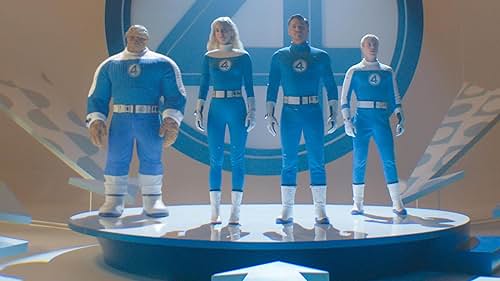

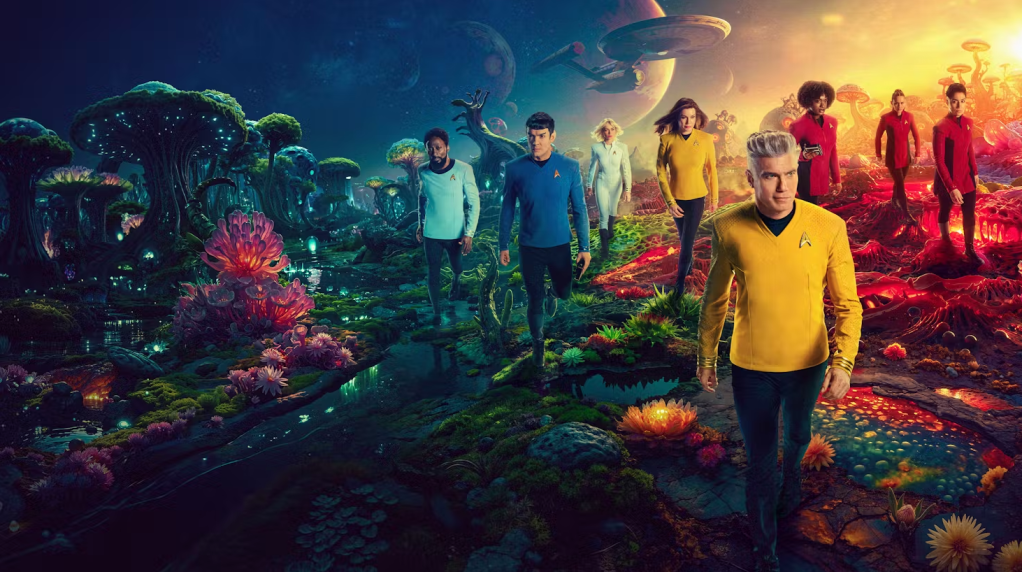
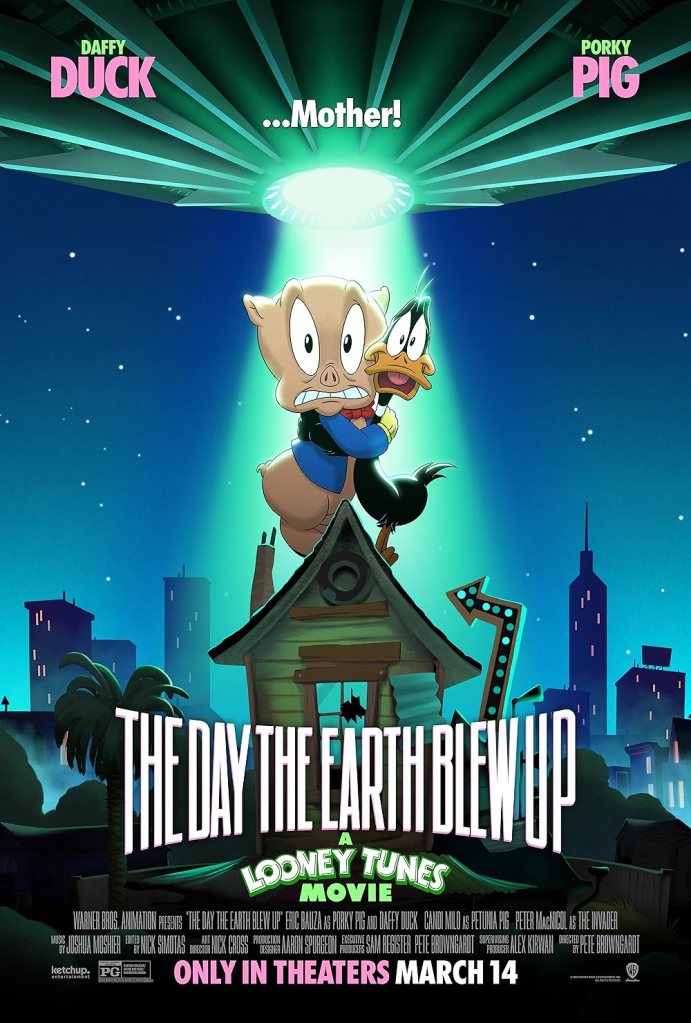
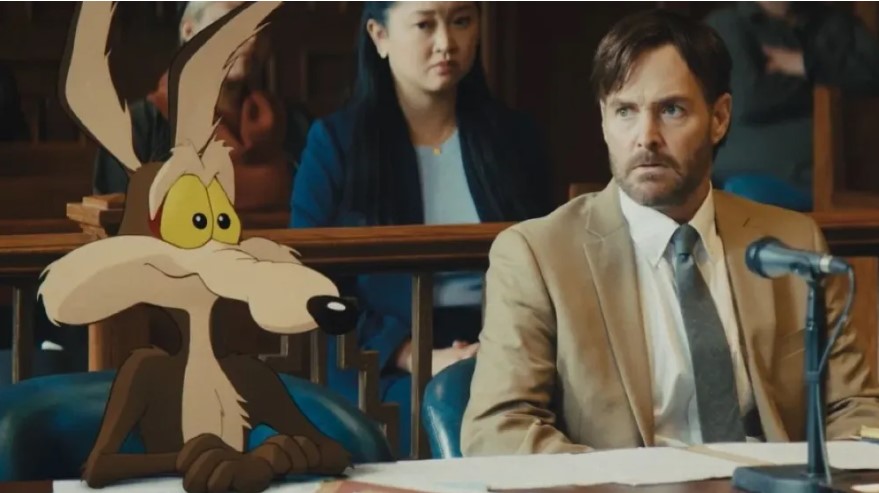


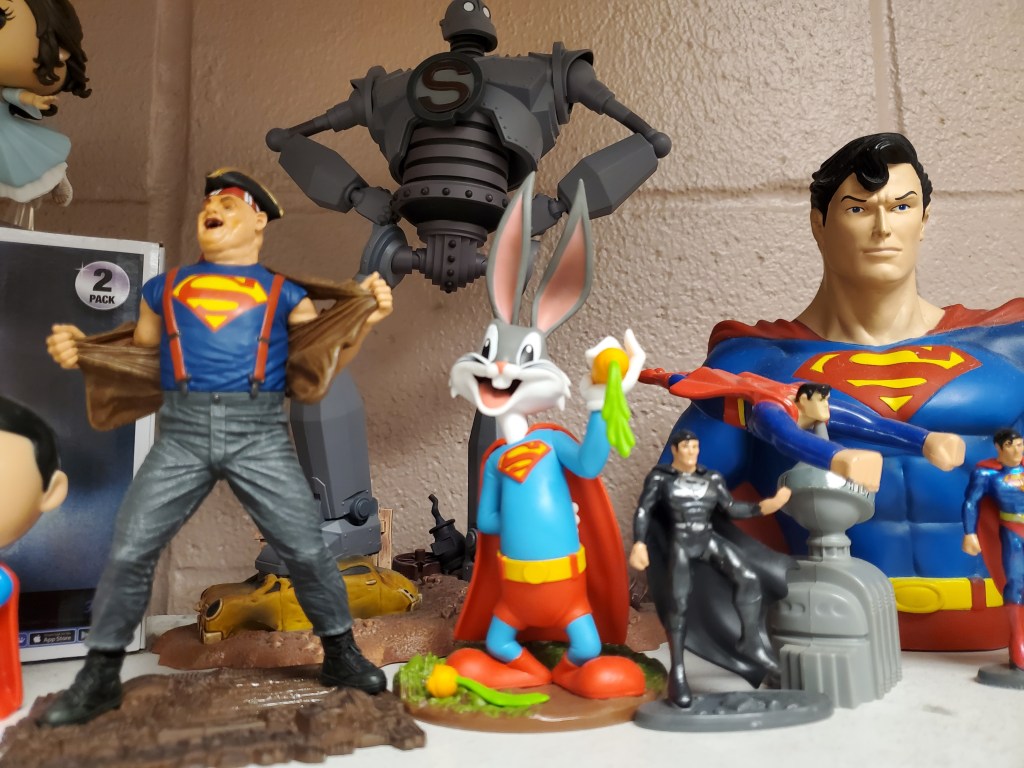
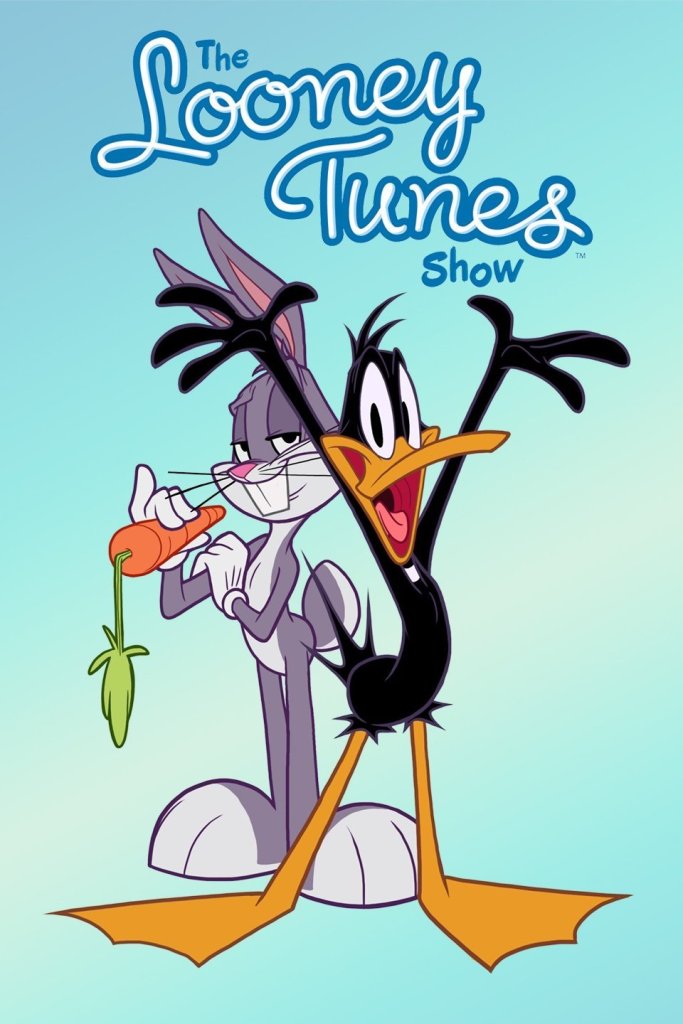


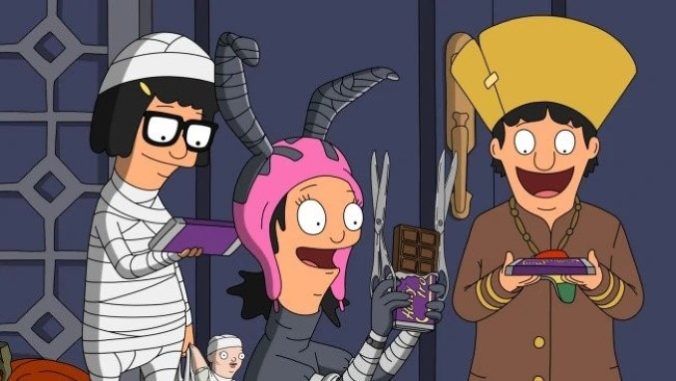
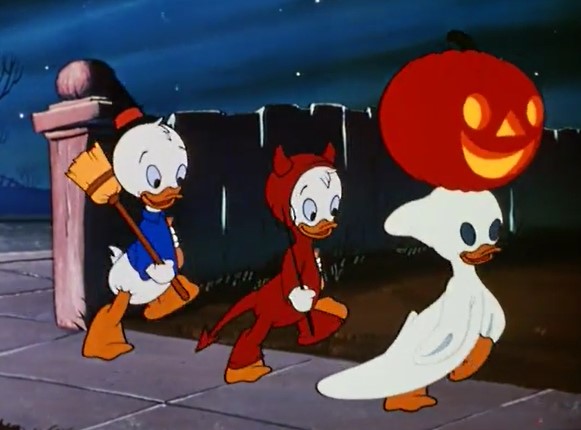
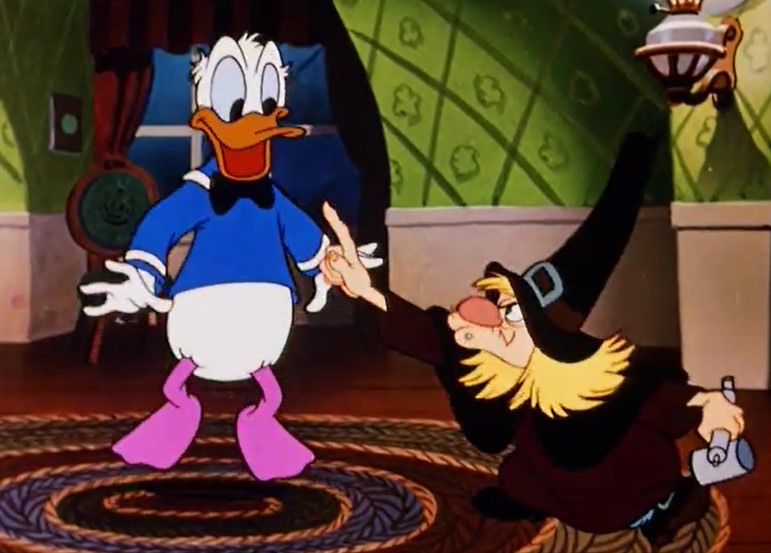

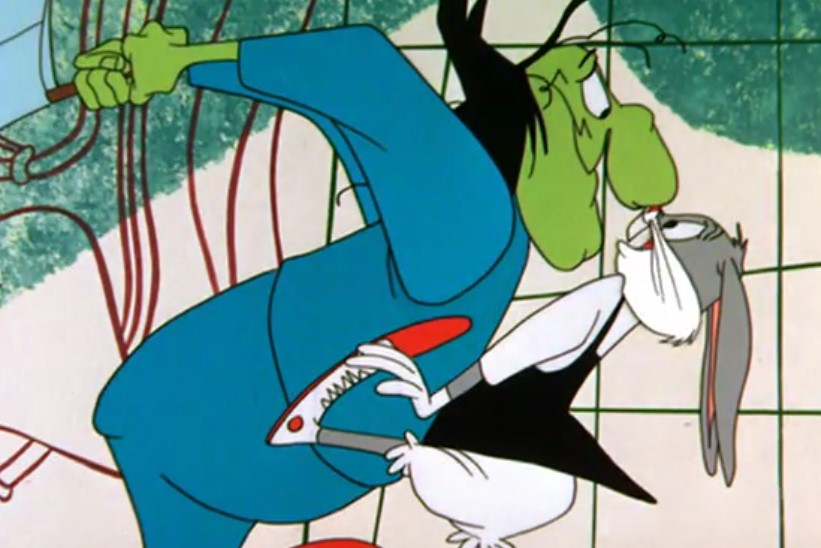
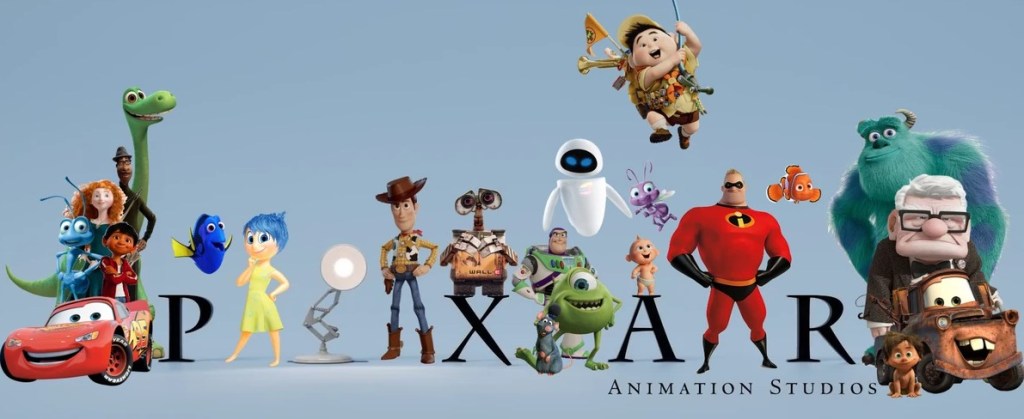


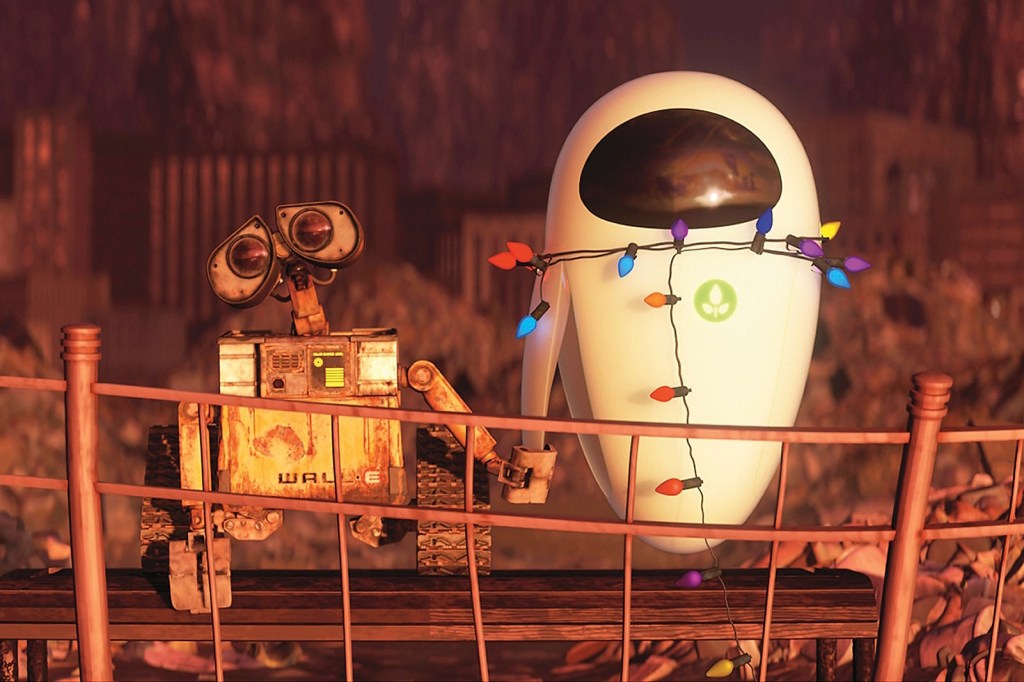

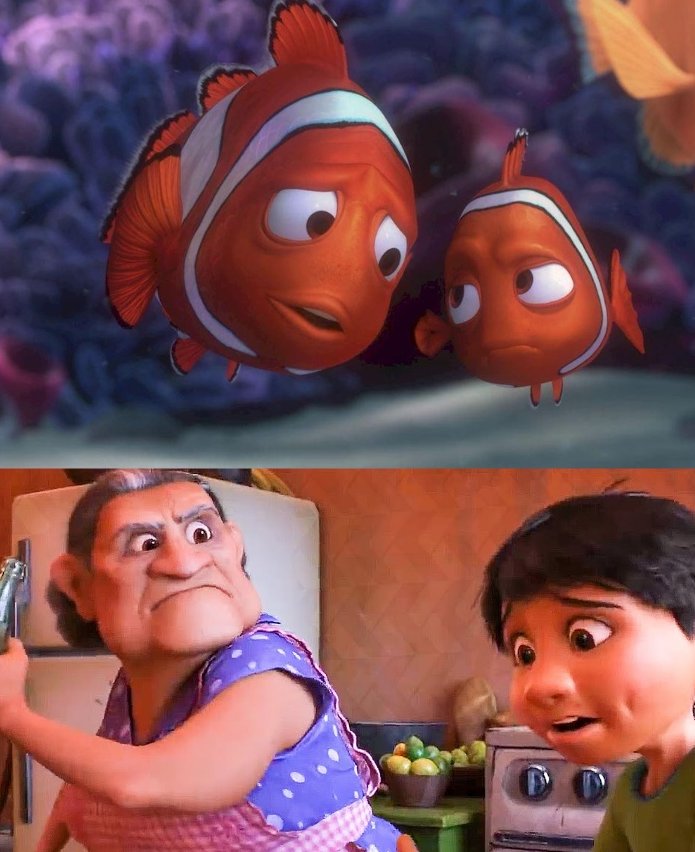
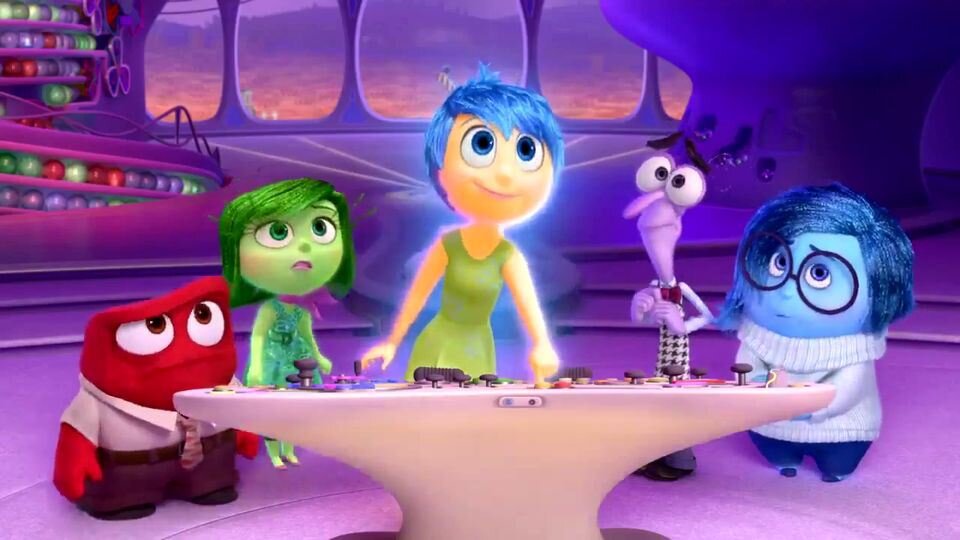




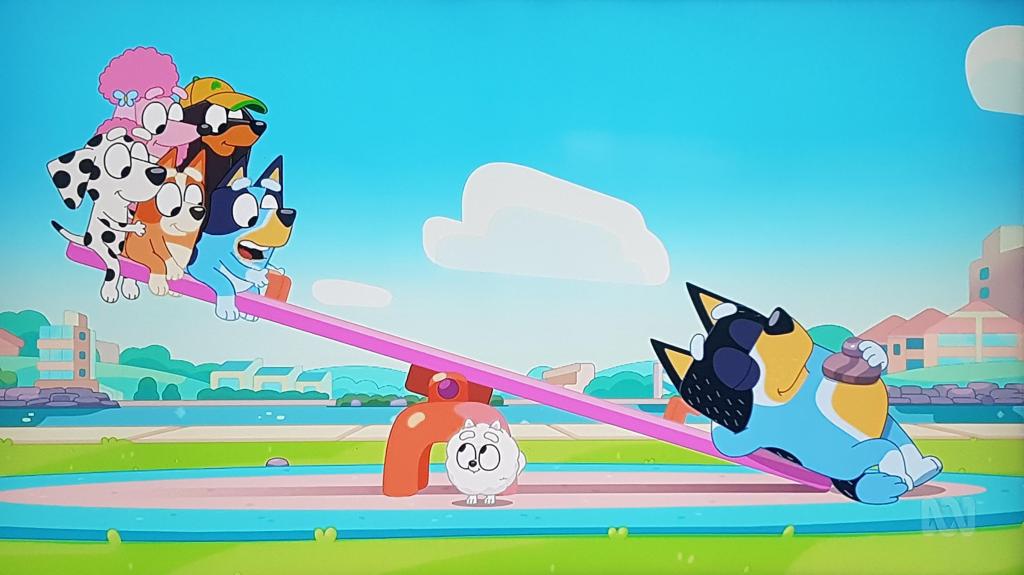
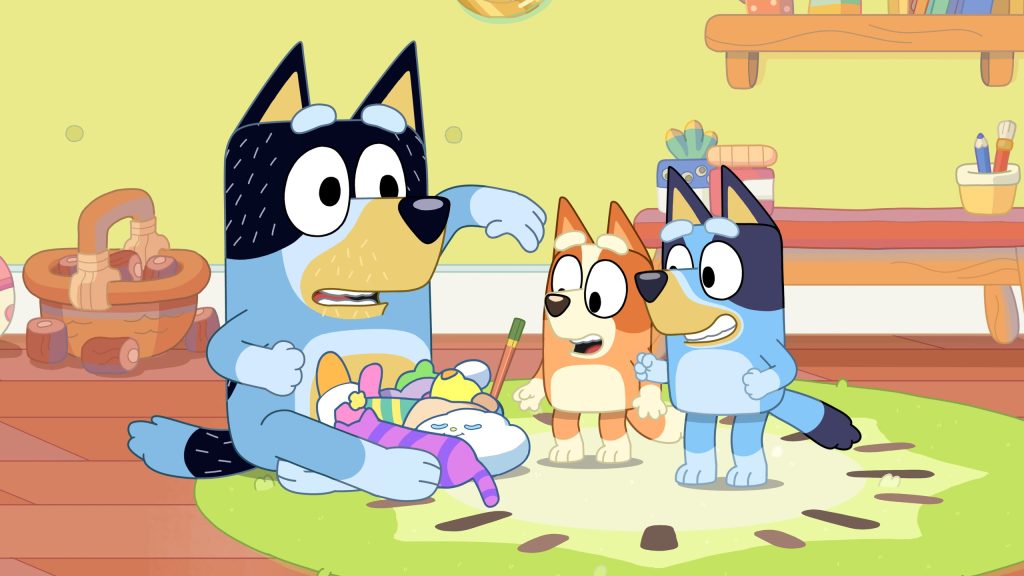


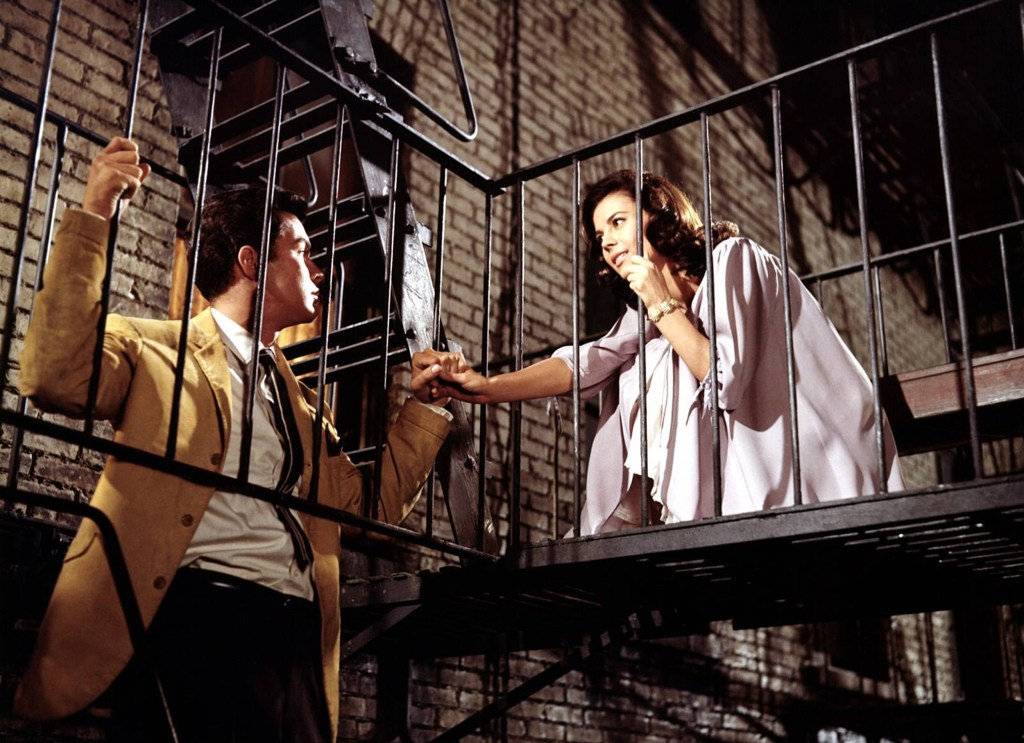


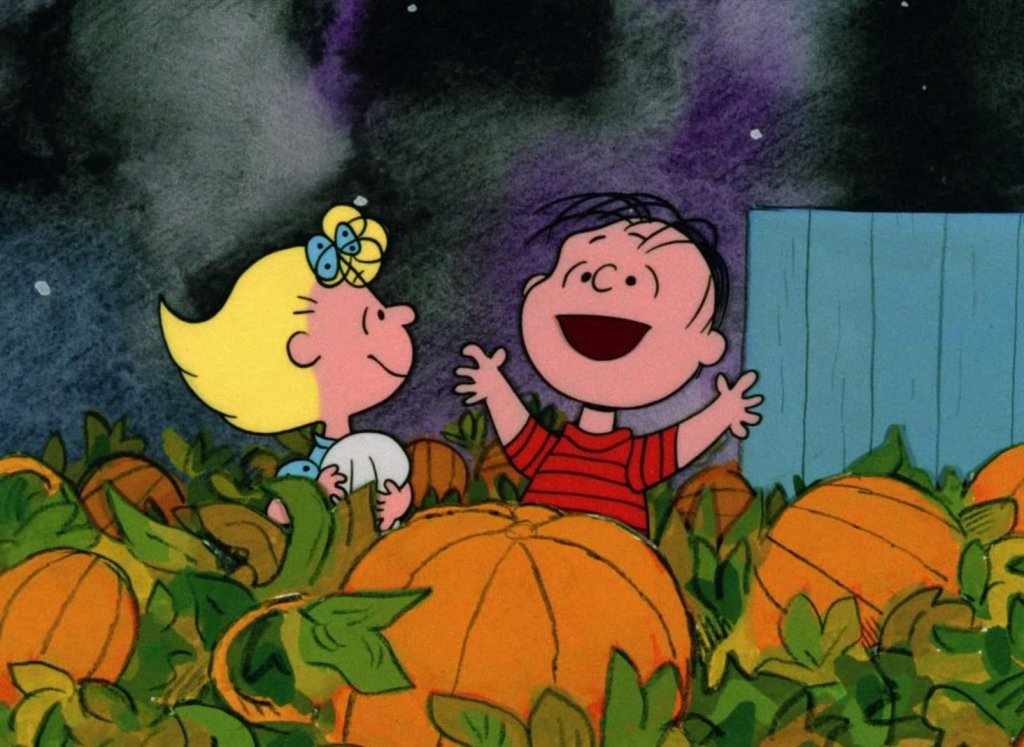
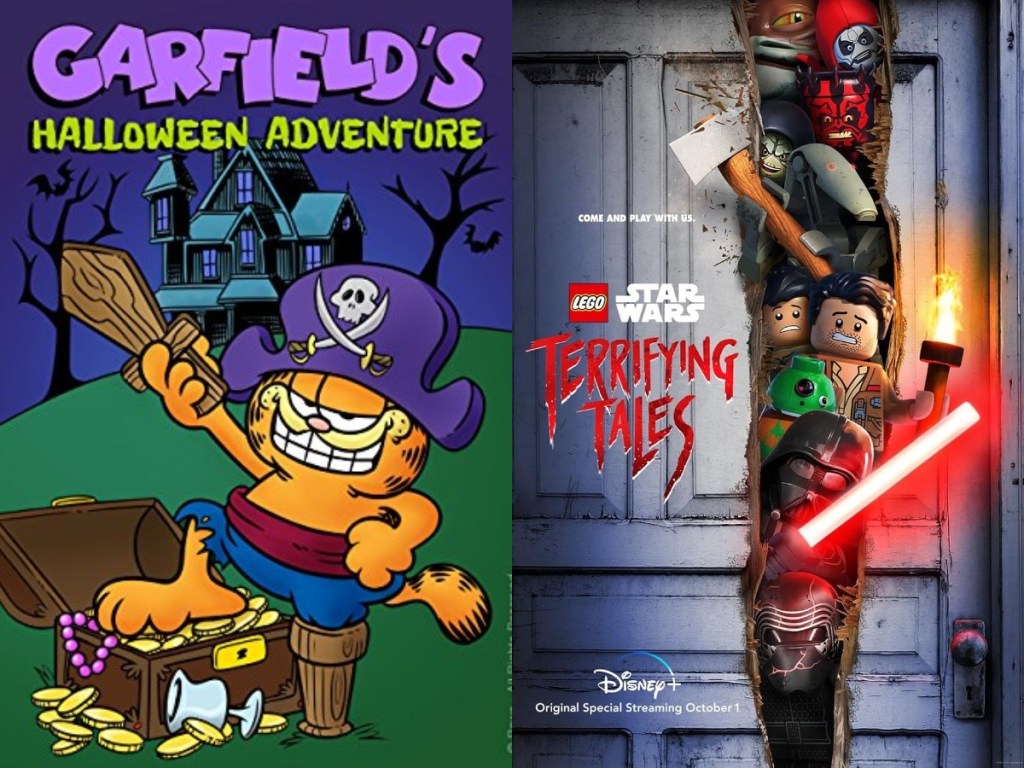
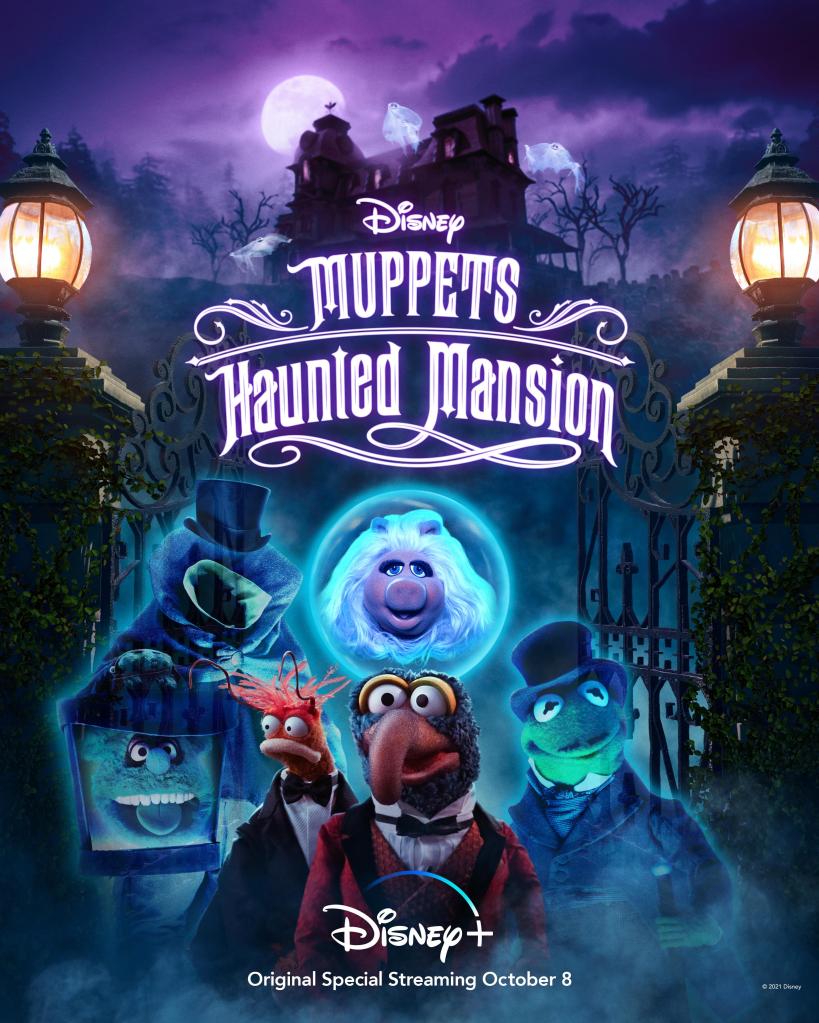


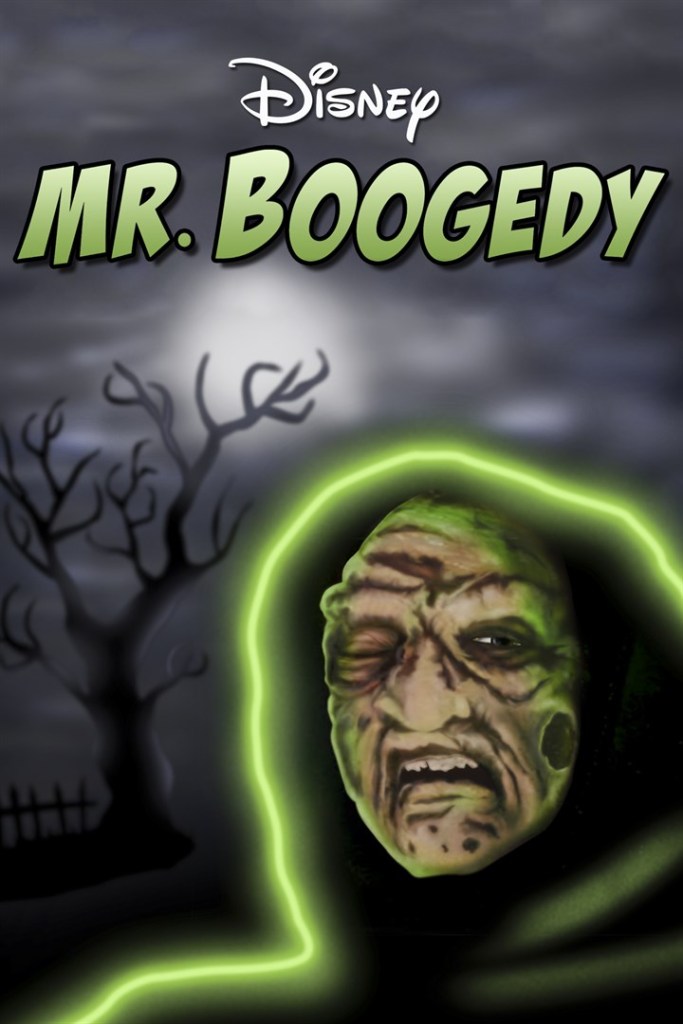
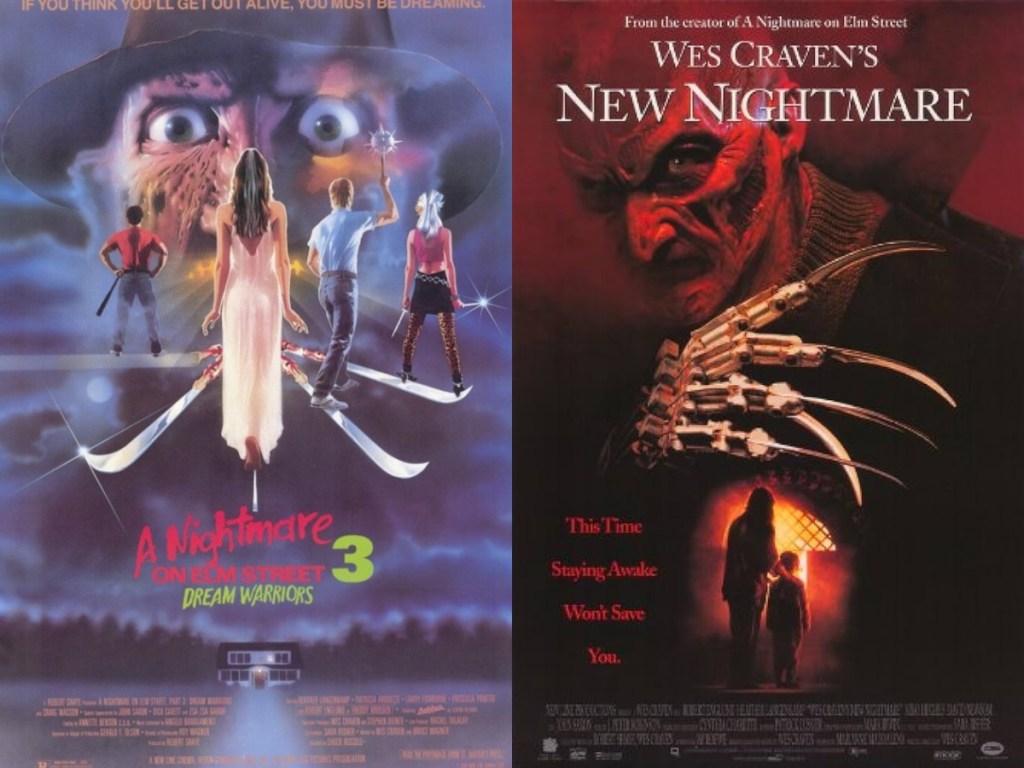


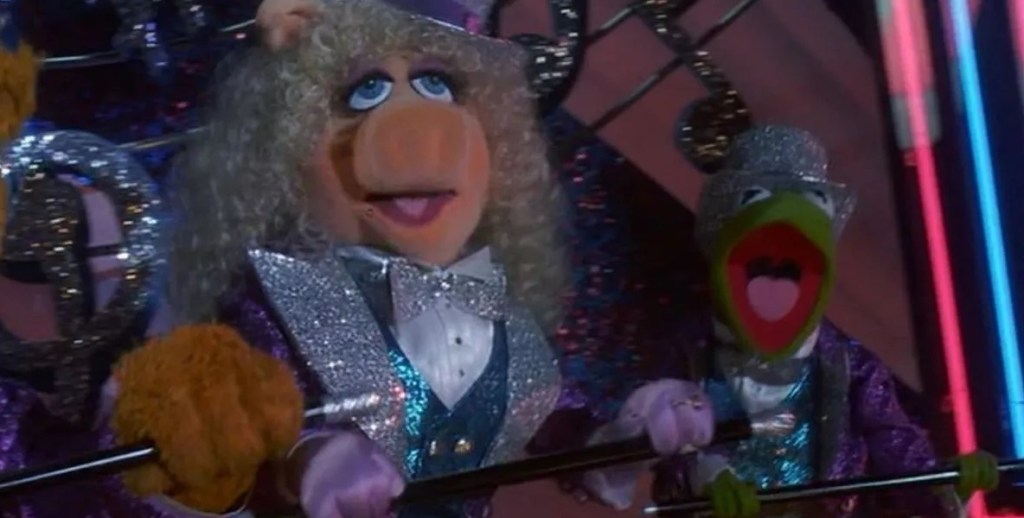
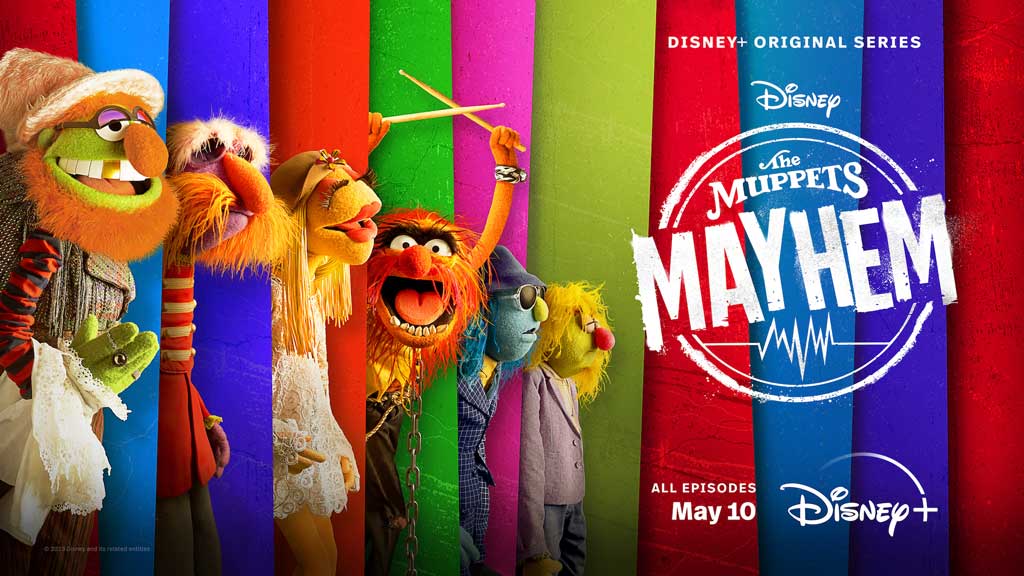
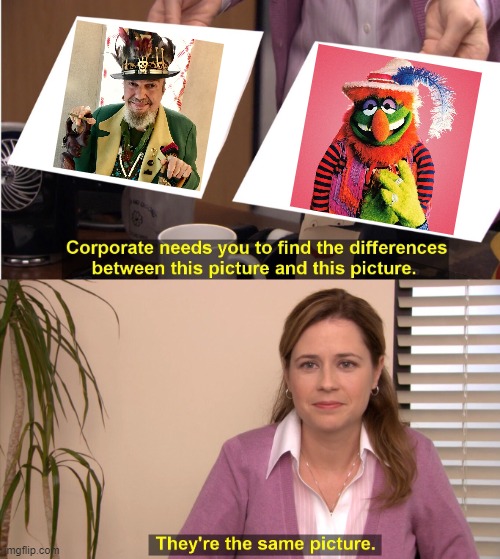

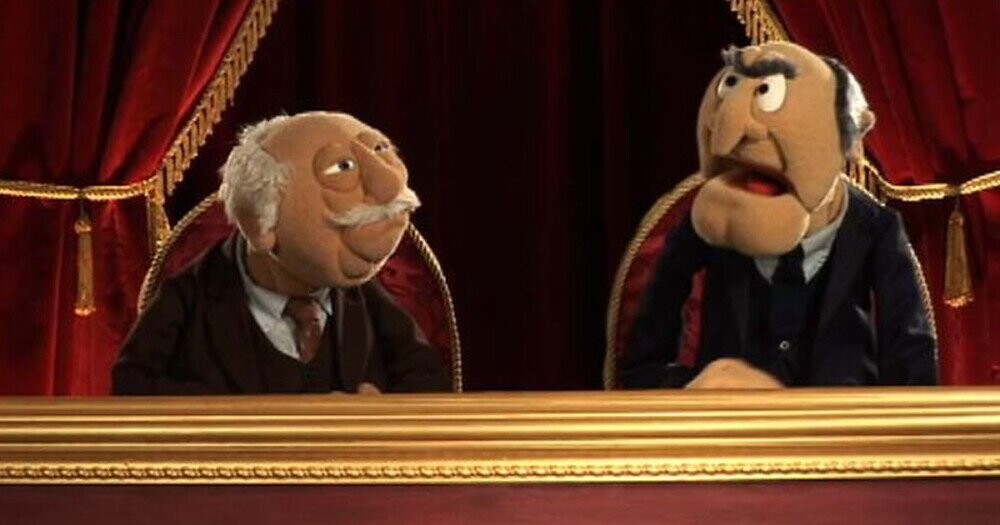
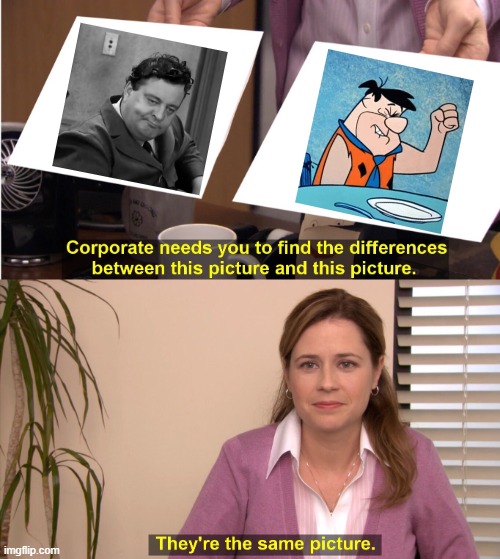
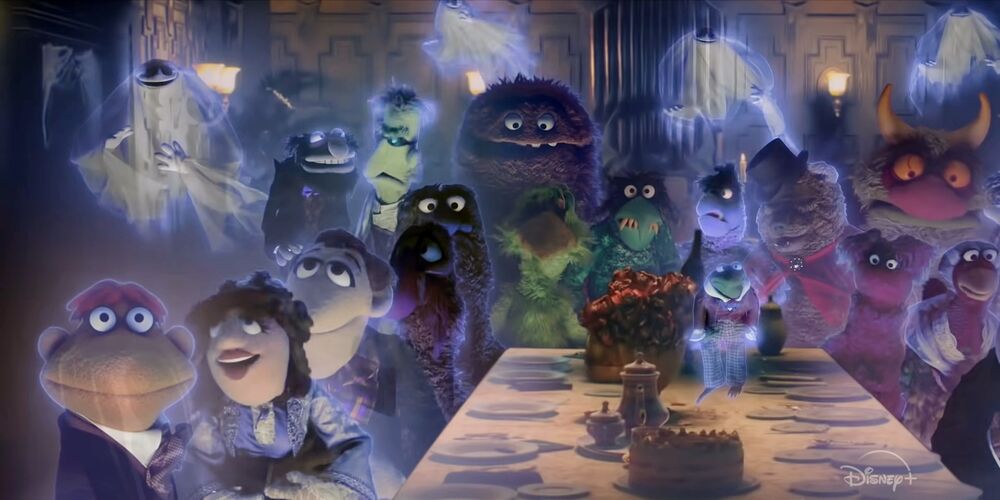




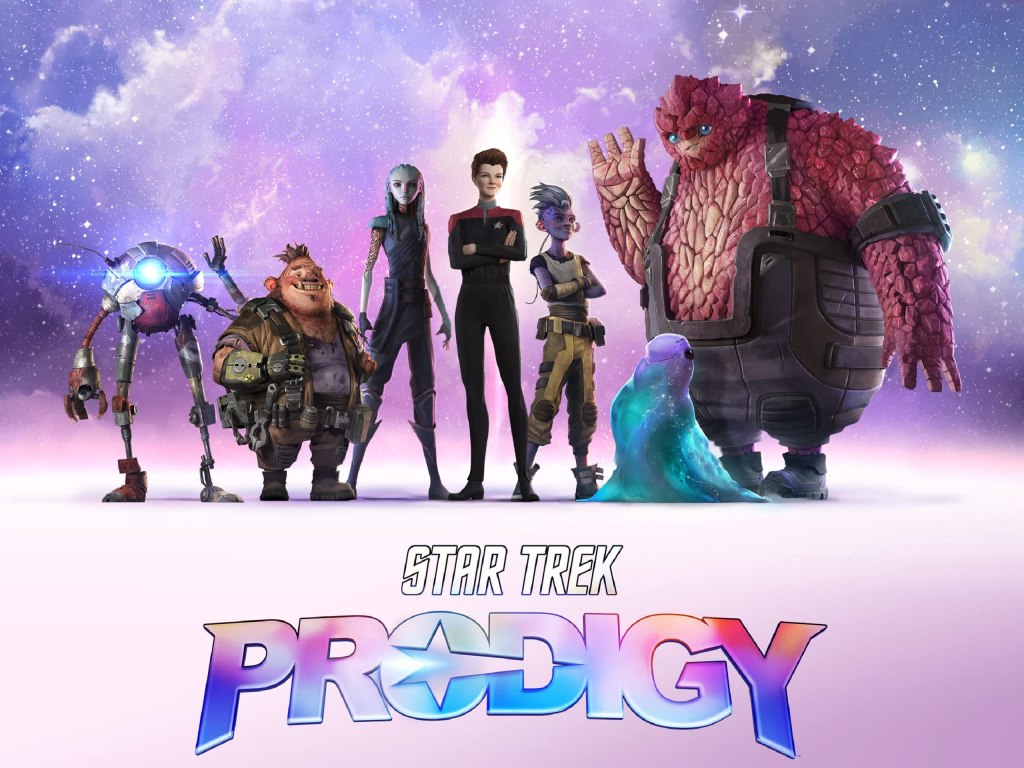
 Blake M. Petit