A few days ago, between eating entirely too much barbecue and trying to figure out if there was room for apple pie, my sister and I were talking about movies and TV shows we’d recently watched with our kids. She mentioned a Disney+ original film called Crater, a science fiction adventure about a bunch of kids living on a lunar mining colony. I’d heard of the film before, and I thought it would be something that my son might have an interest in, at least the spaceship parts, and made a note to check it out soon. Unfortunately, “soon” didn’t turn out to be soon enough, because the next day word came down that Crater was being removed from the platform less than two months after its release, and would no longer be available anywhere.

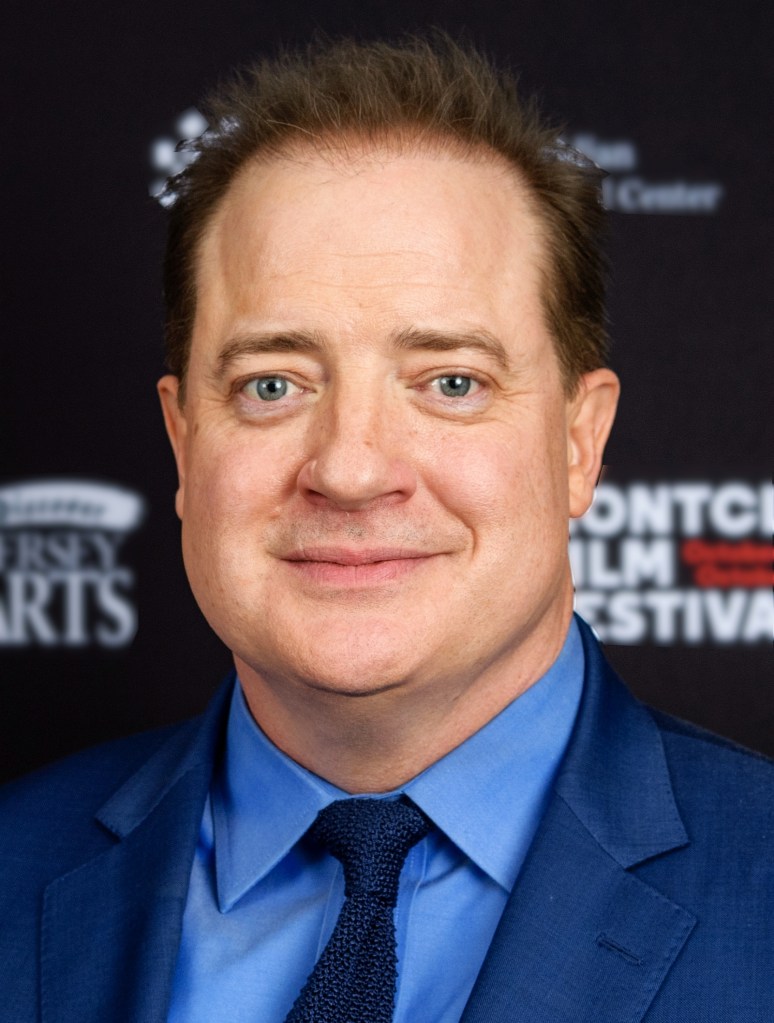
This isn’t the only Disney+ original to get this treatment. The Willow series, canceled after just one season, was also unceremoniously axed, as well as the quirky documentary The World According to Jeff Goldblum, among others. Nor is Disney+ the only streaming platform to do such a thing in recent months. Netflix has removed shows such as Hemlock Grove, Hulu quietly evaporated Y: The Last Man, and before they dropped the “HBO” from their name, HBO Max made headlines by removing a lot of content, including the almost-finished but now never-to-be-seen Batgirl movie starring Leslie Grace and the most beloved man on the Internet, Brendan Fraser.
There have been various reasons given for these cancellations: merchandising revenue losses, a lack of viewers, to avoid paying royalties or residuals to the people involved, or most egregiously, some of them were cut so that the studio could use the massive cost of production as a tax write-off to counteract losses elsewhere in the company. Whatever the specific reason, they all boil down to the same thing: the studio believes they can somehow make more money by erasing these films and TV series and pretending they never existed than they can by allowing them to remain on the streamer.
I am not an economist. I don’t pretend to understand exactly how these things work. What I’m seeing is that we are once again seeing creative work being strangled in the name of the bottom line.
Now let me be clear about this: no, I’m not an economist, but I’m not an idiot either. I know that it’s called show business for a reason, and I accept that the people putting out the money have to make money back if they’re going to keep doing it. There are few things in the universe I find stupider than when someone says that an artist or a writer should just do their creative work “for the art” and not worry about the money, as if artists and writers are somehow immune to the need to eat. These things need to turn a profit one way or another, and I’m okay with that in principle. I just wish they would find some way to do it that doesn’t come at the expense of the people who make the damn things.
I write. I try to write every day. And I’m not doing it just because it feels good to push buttons on a keyboard, I do it because I want people (like you) to read what I have to say. When I hear about things like what happened to Crater, I’m thinking about the people who wrote the movie, the director who steered the ship, the actors who performed in it, the set designers and special effects artists and musicians and everybody else who bled for that film, believing that their work would be out there for the world to watch whenever they wanted…except now it’s not available anywhere. That has to be gut-wrenching. Even if a movie or TV show is canceled because it’s objectively terrible, I feel for the people involved. Nobody tries to make a bad movie, after all. I can’t imagine anybody who walks on to a set thinking, “Let’s make this puppy suck.” They’re doing what they can to make an entertaining product so that it will be seen. Even the infamous 1994 Fantastic Four movie isn’t immune to this principle. The movie was literally rushed out as quickly as possible so that the studio wouldn’t lose the rights to the franchise, never having any intention of actually releasing it…but none of the people making the movie knew that. They did the best they could, and honestly, crappy special effects aside, they’ve done better than anyone else with the FF in live action so far.

The issue here is that streaming services are bleeding money. None of them, not even the juggernauts, are making enough to cover the costs of the original content they’re creating, and that’s largely in part to the way the streaming universe has bifurcated. It wasn’t so bad when it was just Netflix, Hulu, and Prime Video, and pretty much everything you wanted to find was on one of those if it was anywhere. But then we saw the tentacles begin to reach out as nearly every studio or network decided to create its own service instead of signing with one of the existing streamers: Disney+, Max, Paramount+, Britbox, AMC+, Shudder, ESPN+, Screambox, Apple TV+, Peacock, MGM+…not only did it quickly get unwieldy, but it’s terribly frustrating how over fifty percent of them just stole the “Plus” from Disney rather than trying to come up with an original name.

There are simply too many streamers for the average person to keep up with. Even if they had the money for them all (which the average person does not), keeping track of what’s streaming where or what services have the shows and movies you actually want to watch is getting to be a full-time job. What’s more, there’s the question of signing up for a service just for one series or one movie – nobody sane would do that, right? So instead, people sign up for the free trial and binge what they want, then cancel once they’re finished. The streamers obviously don’t make money that way, and if they don’t make their money they’re not going to keep doing it.
Let’s look at the biggest recent example. Paramount+ (previously CBS All-Access) was, frankly, the house that Star Trek built. The big selling point for the streamer when it launched was that it had every episode of every Star Trek series, and that furthermore, it was going to be launching several new Trek series, bringing it back to television for the first time since the cancellation of Star Trek: Enterprise twelve years prior. And for a few years, it was working out okay…until a few weeks ago when Paramount announced that the animated series Star Trek: Prodigy was being canceled, that the almost-finished second season would not be shown on the service, and that the existing first season would be removed. And before you could blink your eyes, the crew of the USS Protostar was GONE.
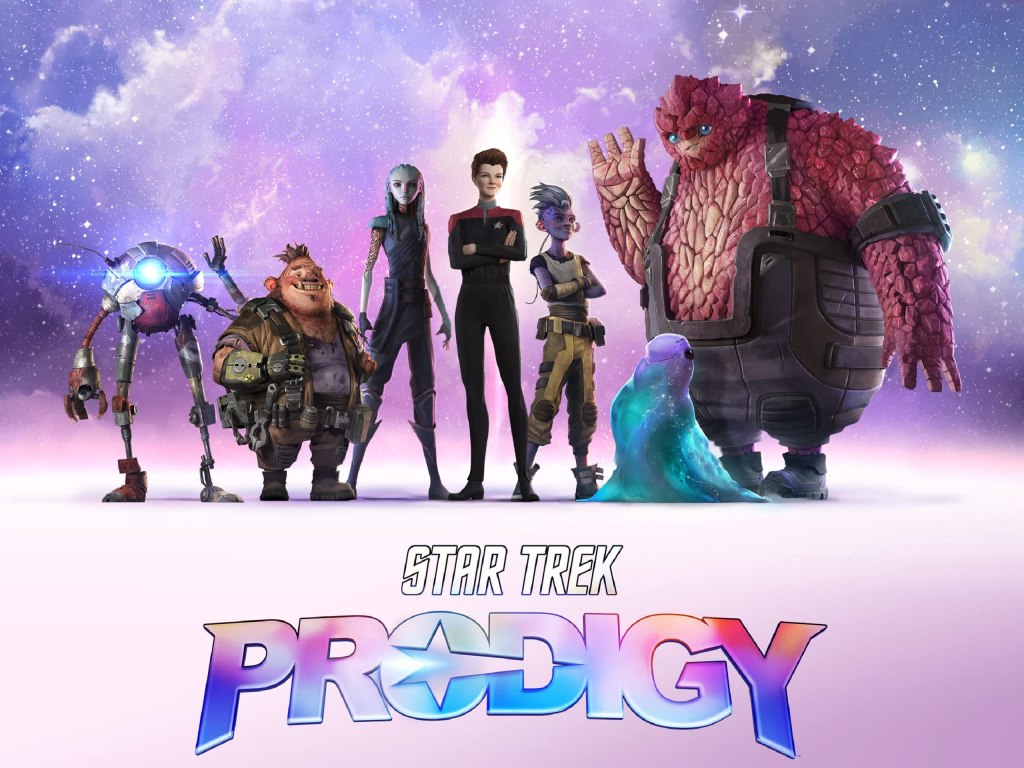
Now everyone who reads this column knows I’m a Trek nerd. In fact, my inaugural Geek Punditry column was all about how awesome the first season of Prodigy was. So nobody is going to be surprised to learn I’m upset about this. But I’ll bet I’m nowhere near as upset as the cast and crew of that series.
Something funny happened once Prodigy was removed, though. Within 48 hours, the Blu-Ray of the first season was sold out at Amazon, Target, Walmart, Best Buy…pretty much anywhere you can buy Blu-Rays. Sadly, the Blu-Ray only had the first half of the first season, not the second set of 10 episodes, not the cliffhanger ending that may never be resolved now. But the fans mobilized and actually spent the money, which is what Paramount wanted in the first place.
Streaming is a great thing in terms of convenience. It’s fantastic to be able to pull up any episode of Star Trek (except for those 20 episodes of Prodigy) from my remote control without worrying about changing discs or tracking down when it’s going to be broadcast. But as if we didn’t know it already, the unstable landscape of the streaming world means that no matter how much you love something, it can be taken away at the whim of some studio accountant. Supporting the things you love, while important, is only ever going to be part of the equation. What I think we’ve all learned here is that having a permanent way to keep them is more important than ever.
Blake M. Petit is a writer, teacher, and dad from Ama, Louisiana. His current writing project is the superhero adventure series Other People’s Heroes: Little Stars, a new episode of which is available every Wednesday on Amazon’s Kindle Vella platform. After he heard about Prodigy getting the ax, he added all of the Star Trek Blu-Rays he didn’t already own to his Amazon wish list. Can you blame him?

