Geek Punditry #26: Bargain Bin Gold

Last weekend I got to do one of my favorite things, and something I rarely get to indulge in anymore: comic book bargain bin diving. I’m a comic nerd, of course, and like any nerd I’ve got my favorites, both when it comes to modern comics and to the classics. I’m trying to fill a run of DC’s Star Trek comics (try to act surprised) and I’ll never turn up my nose at a Disney Duck comic or anything from Archie, pre-2010 or so. But in addition to those special things I’m searching for, I also like…weird stuff. I mean obscure comics, books that most people have probably never heard of before, things that remind me of my childhood, things that have a crazy title, movie adaptations for movies that you wouldn’t believe had ever been adapted, or even just anything that’s got a bizarre cover. If I can find it for under a buck, I’ll throw it into the cart.

This kind of bargain bin excavation is something I love, but it’s not something I get to do all the time, with a five-year-old son for whom “patience” is a foreign concept and a wife with a busy work schedule. But last weekend, with Erin’s blessing, I headed to a small local show in Slidell, Louisiana, where I spent a couple of hours bouncing from vendor to vendor, most of that time sifting through the dollar bins for some of this unexpected, bizarre gold. This week, I’ve decided to share with you some of the crazier finds that I made in this most recent hunt.
“But Freeeeed, I wanna be in the shooooooow!”

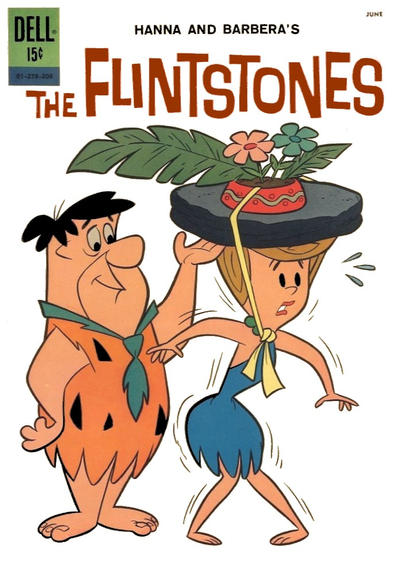
First off I’d like to turn your attention to Flintstones #5, published by Dell Comics way back in 1962. Comics based on cartoons are one of my go-to grabs in these bargain bin digs. I’ve always been a fan of the Flintstones, and these Dell comics were great – five full stories and a couple of one-pagers for twelve cents? Sign me up. Story #3 in this issue introduced me to “Perry Gunnite,” an old-fashioned detective comic strip set in the world of Bedrock. Perry appeared in a single episode of the cartoon but, evidently, spun off into his own series in the comics. That find enough would have made this book worth buying, but it was what I found in the fourth story that made this a comic I’ll never forget. 

In “The Champ Chowhound” we are introduced to Wilma Flintstone’s cousin Muncher, visiting from out of town and eating Fred and Wilma out of house and home. They want to get rid of him, but he can’t afford to go home and will not accept Fred’s “charity” offer to buy him a bus ticket. So the Flintstones embark upon a set of increasingly elaborate ruses to send him packing. First, Fred claims to have “found” a bus ticket back to Muncher’s home town, but rather than hopping on the bus Muncher sets out to find its rightful owner, turning it over to the first person to claim it. Next they try to guilt him into leaving, pretending that Fred has lost his job and they can’t afford to feed him, but Muncher’s general good nature won’t allow him to abandon them in their time of need. Finally, Muncher signs up for a hog-calling contest in the hopes of winning the money to get Fred back on his car-stopping feet and getting himself the cash to go home.

On the surface, admittedly, this doesn’t seem to be a particularly mind-blowing story…and it’s not. Except for one thing. Regular readers of Geek Punditry will recall a couple of months ago when I mentioned that my wife and I have been binging I Love Lucy on Pluto TV. Pluto shows the entire series in order over and over again, and with 180 half-hour episodes that means if you watch it a lot, there’s a good chance you’ll catch the same episodes every four days or so. Were it not for the fact that I’ve seen these episodes repeatedly and recently, this Flintstones comic would not stand out for me. But it does. Because I recognized that whoever wrote this comic completely ripped off a season three episode of I Love Lucy almost BEAT FOR BEAT. In the previous episode, “Tennessee” Ernie Ford came to visit the Ricardos. As this episode began, he was still crashing on their couch and tearing at their every last nerve. 

And from there, it is exactly the same story as the Flintstones comic. Ernie won’t take a bus ticket, so Ricky pretends to find one, but Ernie returns it to the “rightful” owner. Ricky pretends to be out of work, even going so far as to have the Mertzes pretend to be evicting them. (It’s a wonder that the writer of the comic book resisted the urge to have Barney and Betty fill this role, but as the comic was only five pages long I guess they couldn’t squeeze it in.) The biggest deviation is that, rather than have a contest to end the story, Ernie arranges for the crew to appear on the TV show Millikan’s Chicken-Mash Hour doing a hootenanny to get them out of the red. 

The Lucy episode is credited to the series’ prolific writing team of Bob Carroll Jr., Madelyn Pugh, and Jess Oppenheimer. Most Dell comics at the time had no credits given, although the Grand Comic Book Database credits the artwork to Kay Wright. The writer may have been lost to history, but I wish I knew the name of the person who had the audacity to steal a plot wholesale from an 8-year-old TV show for a comic book based on a cartoon, which makes me wonder if anybody overseeing the current IDW My Little Pony comics has double-checked to make sure nobody is knocking off the final season of Parks and Recreation. 

My favorite part is the end, where Moses shows up to talk to him about the Testament Initiative.

The next bizarre book I pulled from a bargain bin last weekend was an oddity called Jesus, the Man With the Miracle Touch. I’d never heard of this book before, nor its publisher (“Cosmics”), although a little time on Google indicated this publisher released just four comics, all religious-themed one-shots in the late 80s. The story is a fairly straightforward retelling of the Biblical life of Jesus, albeit highly condensed into 32 comic book pages. The book also doesn’t have any credits, which is a shame, because I really quite like the art style. Whoever did this book easily could have been working on Harvey or Archie Comics, or maybe something from Marvel’s Star line of young readers comics at the time. (More about that later.) Mostly, though, I bring this up because when I was at the convention and handed the stack of books to the guy at the booth, as he counted them, he looked over at his co-worker and yelled, “Hey! Somebody is buying the Jesus book!”

“Thanks, Blue Robin!”
“I’m not Robin.”
“How’s Alfred?”
“I’m not–fine. He’s fine.”

At one time, especially when I was a kid in the 80s, “public service announcement” comics were a fairly big thing. There’s an infamous Marvel comic where Spider-Man and Power Pack taught you about the dangers of child abuse and another where Spidey teamed up with Storm and Luke Cage because that’s the natural trio to warn you about ill effects of smoking. I, of course, have both of these in my collection. Meanwhile, DC farmed out the Teen Titans for three anti-drug specials. This weekend I picked up the second of the three, in which the Teen Titans and their pal “Protector” try to help Protector’s cousin, who has moved to Blue Valley, developed a crush on a friend of Wally West, and (gasp!) has fallen into the world of drugs. The Titans, of course, have to help get him out of it.

When I was a kid, I remember getting what turned out to be the third of the Teen Titans specials (although I didn’t know it at the time, as these books didn’t have traditional comic book numbering or anything), and I remember being baffled by it. I knew who the Teen Titans were, of course, but who was this guy in the blue costume and cape with no powers? He was…kinda like Robin, but he wasn’t. That same “Protector” is in this book, although here we find out he’s got an actual secret identity, Jason Hart…so my fifth-grade headcanon of Dick Grayson wearing a brown wig and using a different name for…reasons…I suppose has turned out to be inaccurate. Looking back as an adult, I wonder if Dick Grayson was tied up in some sort of licensing rights surrounding the Batman due to the movies or something. It might not be the case – after all, the first of these comics came out in 1983 and the first Tim Burton Batman movie wasn’t until 1989. Then again, some of these things have a long timeline. If there’s anyone with more information on this, I would be very anxious to hear it. 

(UPDATE: Reader Trey Ball has informed me that the licensing deal that prevented Robin being from used in the comics was actually due to the Superfriends, TV show, which for 1983 definitely makes more sense than the Batman movie. The anti-drug comic was produced in association with Keebler, but Nabisco had a licensing agreement with the Superfriends characters. Thanks, Trey!)

The last book I’m going to discuss today comes from Marvel Comics, specifically their Star Comics line from the 80s. (Have you ever noticed how many weird comic books have their roots in the 80s? Something in the air back then, I swear.) Star Comics was Marvel’s attempt to crack into comics specifically for young readers. The most famous alumnus of the line these days is Peter Porker, the Spectacular Spider-Ham, star of big screen movies, animated shorts, and my heart. But the line also included lots of licensed comics such as Heathcliff, Care Bears, Madballs, and ALF, as well as several original characters that were created and produced by writers and artists Marvel poached away from the likes of Harvey and Archie Comics. Royal Roy was a kind of Richie Rich knock-off, Top Dog was about a kid who found a talking dog who also happened to be a spy, and Planet Terry was an elementary school Flash Gordon with a clever pun in the title that I didn’t catch until some 20 years later. 
I love finding obscure, weird comics, and bargain bins are my favorite place to do it. This week I'm here to share some recent finds as Geek Punditry presents "Bargain Bin Gold!"
This is what happens when you pee swimming in the ocean one too many times.

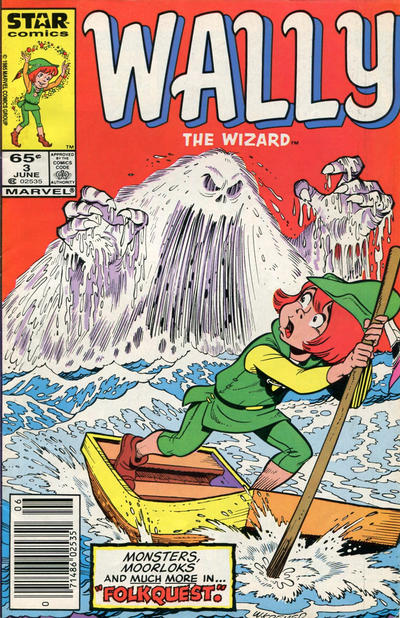
But the book I got this week was Wally the Wizard #3, written and drawn by Archie Comics superstar Bob Bolling. In this issue Wally, apprentice to the Wizard Marlin (Merlin had the power to know the future and thus trademarked his name in the 8th century specifically to avoid being portrayed in Star Comics), discovers that his parents are in the company of a pack of Vikings. He rounds up his buddy, the Viking orphan Vikk, and sets out to find them. Bolling did countless wonderful comics for Archie, especially lots of the Little Archie series, which is no doubt what Marvel had in mind when they picked him up to work on the Star line. This issue, though, makes it seem like he needed a nap. 

The truth is, none of the Star-original comics were all that great, although I do have a fondness for Top Dog. None of them lasted more than a couple of years, but some of the licensed books (Heathcliff and ALF, specifically) had long runs. But you know, that’s okay. In this day and age, when comic book publishers seem to think the solution to a dwindling readership is to publish 75 different covers of the same book to sell to the same readers they’ve had for decades, it’s nice to remember that there was at least a time when one of the major publishers was trying something to get kids reading comics again.

Some comic collectors are in it for investments. They spend all their time looking for flawless copies to slab and flip, speculating that a book is going to go up in price because someone announced a movie deal, treating it like a business. I do not understand these people. But I know I’m never going to encounter them sifting through a dollar bin, because the books in those boxes aren’t for them. They’re for people like me – people who see comics as fun, as a little escapist entertainment. And especially, people who like to uncover stuff that others have probably forgotten about. I may not get there often anymore, but the next time I get around to a convention or a used bookstore or anywhere I can sift for cheap, weird comics, I’ll come back with another installment of Bargain Bin Gold.

Blake M. Petit is a writer, teacher, and dad from Ama, Louisiana. His current writing project is the superhero adventure series Other People’s Heroes: Little Stars, a new episode of which is available every Wednesday on Amazon’s Kindle Vella platform. To date, the greatest thing he’s ever pulled from a bargain bin was the four issue run of Roy Thomas’s Alter Ego, a great comic from the 80s (of course) that you should totally hunt down if you can. 
Geek Punditry #25: Artificially Entertaining

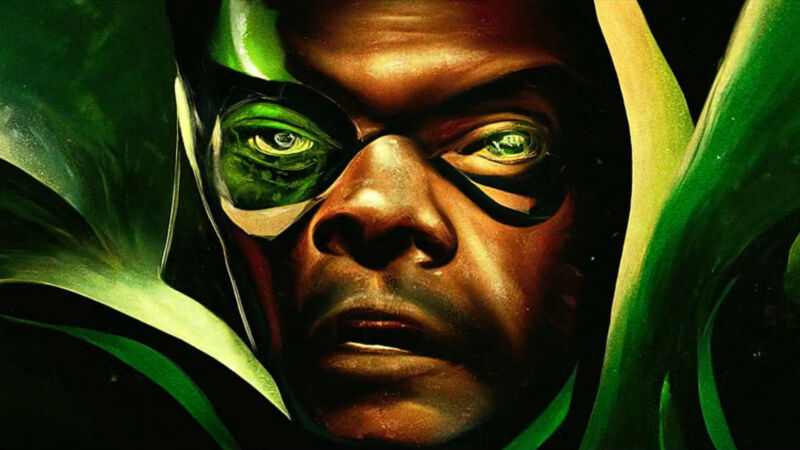
In this week’s episode of “Things People Are Outraged Over on the Internet,” we’re going to talk about Marvel’s Secret Invasion. The new miniseries dropped its premiere episode this week, bringing back Samuel L. Jackson’s Nick Fury as the star of an espionage thriller about the Skrulls – a race of shapeshifting aliens – infiltrating Earth and subtly influencing world events by pretending to be human, a clever analogue for what happens when Californians move to Texas. But the thing that has people upset isn’t the content of the show, it’s the opening credits sequence, in which the bizarre and unsettling images shown to the viewer turned out to have been created, at least in part, by an AI image algorithm.

Bet you couldn’t even tell.

AI has become a hot button topic in creative endeavors. Not so long ago, the world of comic and commercial art was consumed with a debate over how AI functions, with many programs essentially scraping the internet for existing artwork and using that as a basis to synthesize new images. Some people argue that this isn’t all that different from a human artist drawing inspiration from the works of other artists, while others say that this amounts to plagiarism on the part of the person using the AI to generate “new” work. While I’m not an expert on any of these matters, I find them fascinating and a little bit scary, not only as a fan of media, but as a writer and as a high school teacher as well. AI is becoming more and more prevalent, and the fact of the matter is that we as a society are going to have to decide what the place for things like the Secret Invasion opening sequence is.

For what it’s worth, the US Copyright Office has already laid down a ruling. Earlier this year, following a debate over a comic book created with AI art, the Copyright Office ruled that only work made “by humans” is eligible for copyright. So the next time your neighbor tries to show you that painting made by having his dachshund dip his little weiner legs in paint and walk across a canvas, feel free to steal the painting and put it on a T-shirt. 

Back to Secret Invasion, though. When word got out that the intro sequence was made using AI, there was something of an internet firestorm. Artists were pretty angry about it, saying that the AI had cost graphic artists work, and the studio responsible for it quickly tried to “clarify” the announcement that it was AI animation. Method Studios, the company that made the sequence, released a statement to the Hollywood Reporter which read, in part, “AI is just one tool among the array of tool sets our artists used. No artists’ jobs were replaced by incorporating these new tools; instead, they complemented and assisted our creative teams.” If that doesn’t clear things up for you, congratulations! You’re normal. One of the things that makes AI so controversial is the confusion over how exactly it works, and for those of us who don’t entirely understand it all, statements like this one do absolutely nothing to illuminate the issue.

Speaking purely from an artistic standpoint, I get what the makers of the show were going for. A lot of AI art is, for lack of a better term, “unearthly.” For all the things it can do well, a lot of the images you get from an AI generator like OpenAI are still a little “off” when it comes to creating realistic images of people. You get people with extra fingers, noses where they shouldn’t be, or faces that look like they went right up to the edge of the Uncanny Valley and bungee jumped in. That unearthly quality is actually quite appropriate for the story behind Secret Invasion, which is (again) about alien shapeshifters that are ALMOST human, but not quite. So yeah, I get the idea. But just because I understand the idea doesn’t make it a good one, particularly considering the current climate in Hollywood when it comes to AI. 

In addition to the aforementioned controversy that consumed the world of comic books not that long ago, I feel like somebody at Marvel Studios should have opened the blinds of their office windows and looked at all of the writers currently marching in picket lines. The Writer’s Guild of America went on strike on May 2, and for almost two months Hollywood has not been allowed to generate new scripts or make any changes to existing ones. They could go ahead and film scripts that are already finished, but nothing new is being made. A lot of film and TV productions have had to freeze production, including some of Marvel’s own upcoming shows like Daredevil: Born Again. And while there are many, many issues at play here in the writer’s strike, one of the big ones is the proposed use of artificial intelligence in Hollywood productions. The fact that apparently NOBODY on the Secret Invasion team thought about this at any point in the seven weeks since the strike began and said, “Hey, maybe we should change up the title sequence” is truly baffling.  

This is what AI sees when it looks out the window. Uncanny.

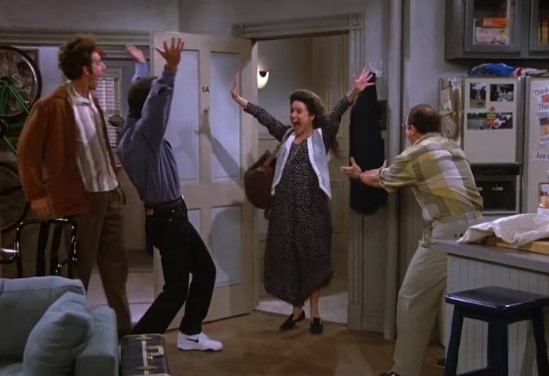
Writers, as you may imagine, aren’t keen on the idea of AI being used to turn out scripts. Of course, many of you have probably seen posts on the internet where people used AI to write a script for, say, an episode of Seinfeld, and what it returned was something that was full of cliches and tropes related to the material, but laughably inept. It was funny because of how close it was, but wasn’t close enough to pass for the real thing. The same thing goes for a lot of the AI artwork we’ve mentioned. “Ha ha!” you say. “An algorithm will never be able to produce work of the same quality as a human being!”

Elaine: Hello, Jerrald. Shall we resume our frequently-alluded to previous relationship?
Jerry: Perhaps, after I have finished enjoying Superman and breakfast cereal.
George: Women despise me.
Kramer: I have entered the room!

Except that ten years ago, it was unfathomable that an algorithm would be able to produce something as close as those fake Seinfeld scripts, or that almost-but-not-quite real image of a Skrull used in Secret Invasion. And here’s the other thing, guys: the AI isn’t going to get any dumber. It’s just going to get better at it. And while some people will still argue (and I hope they’re right) that no AI will ever be able to produce something as good as a work of art created entirely by a human being…that’s not the point. With most of the media we consume being turned out by giant corporations (remember Secret Invasion is owned by Marvel, which is owned by Disney, which is owned by the Skrull Empire), the question is will it get good enough? At what point will CEOs say, “Why are we paying writers when we can just have the computer spit out a script that people will come and see anyway, even if it’s stale and derivative and just a Xerox copy of a thousand better ideas?”

Because if that remains an option, you know they will.

“No,” the corporate types say. “AI is just a tool, and artists have always had to learn to use new tools to create their own art. It’s no different.”

It is different, though. A typewriter is a tool that allows people to put words on the page faster. An airbrush is a tool that allows painters to have very precise control of their lines. Photoshop is a tool that allows for different effects to be made on preexisting images, carefully and intentionally manipulated by the person using the software. But never before has it been possible to say to one of these tools, “Hey, give me a picture of Santa Claus wearing a Star Trek uniform” and then just sit back and wait 0.8 seconds for the work to be done. 

Nailed it.

As I mentioned before, I’m a high school teacher, and I actually teach an entire unit about Artificial Intelligence in which we touch upon many aspects of the concept. The idea is that it’s a high-interest subject that’s going to be very relevant to the lives of my students (most of whom are in the 16 to 18-year-old age range) that is very controversial, allowing for them to learn to write arguments to defend their positions on a complicated topic, no matter what that position may be. The upshot of it is that I’ve learned way more about AI than I ever thought possible, and some of it scares the bejeezus out of me. When I started teaching this unit a few years ago, the conclusion that many students arrived at was that the integration of AI into society would eliminate many low-level jobs and that our economy would have to pivot to something that’s more craft-based – in other words, giving more importance to the arts. Writing, painting, making things by hand, things that AI can’t do. Hah. Boy, were we wrong.

Another thing that’s come up is the problem of academic dishonesty, of students using AI the way that the studio bosses will, and just having them whip up their schoolwork for them. In the past, it’s been relatively easy to catch someone plagiarizing an essay. You just pop the text into Google and you can find it in seconds. I’ve caught students copying from Sparknotes, from Wikipedia…one time a kid turned in a book report that had been copied verbatim from the back of the DVD case of the movie version of the book. It’s almost funny. But with AI doing the work, the student still isn’t learning squat, but it’s a lot harder to catch.

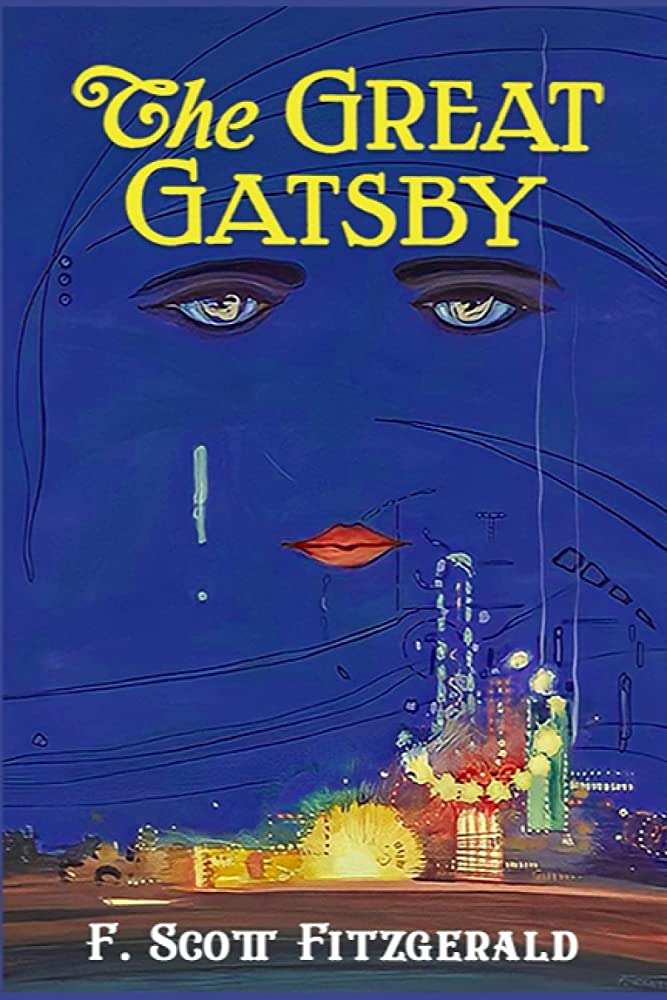
“In conclusion, the best part of The Great Gatsby was when Leo Titanic held up his champagne and made that meme.”

Last week, as an experiment, I played around a little with ChatGPT, probably the best-known of the AI algorithms that are being used in this fashion. I fed it an essay prompt regarding Kate Chopin’s classic “The Story of an Hour,” a story that’s less than four pages long, and as such makes for a great subject for a quick writing exercise. The essay that ChatGPT spit back to me (so fast that my hand hadn’t even left the keyboard yet) answered the question fully, on-point, and if a student were to turn it in to me the only clue I would have had that it was plagiarized would be if I simply didn’t think the kid in question was capable of work that good…and I’d have no way to prove it. 

Now I’m not bringing this up because I want anyone to suggest solutions to the problem. We (and by we, I mean the teachers and school district I’m a part of) are already discussing the issue and looking for ways to deal with it. I bring it up just to illustrate the point. Some people will say, “Well why does it matter if the kid knows ‘The Story of an Hour’? When are they ever going to use that information in real life?” They won’t, you moron, that’s not why we write essays. We write essays so that students will know how to construct an argument, and having the computer do it for you is just going to leave you unable to do it yourself. (These are probably the same people who whine that they were never taught “how to do taxes” but also slept through every basic math class they ever took.)

Now to be fair, AI can be used as a tool. Not long ago I had a very interesting discussion with a comic book writer/artist of my acquaintance who told me some of the ways he was using it – to help with research, for example, or to evaluate his own work. And there’s definitely merit to that. I played around with ChatGPT some more and tried it in the ways he suggested. As a research assistant, I determined that it can definitely give me better and more nuanced details than a simple Google search can. On the other hand, some of these AI programs have been known to make up information out of whole cloth that SOUNDED correct in order to answer the query. Some of them have even written citations for sources that do not exist, which is kinda hilarious to me. 

Then there was the question of using it to polish your own writing. I fed ChatGPT the first two pages of a new story I’m working on and asked what it thought. It gave me a response that was very complimentary, telling me that the characters were well-illustrated and that I’d done a good job of painting a picture of the two teenagers having a conversation on that page. Then it gave me tips for improving my sentence structure.

I was gobsmacked, not just by the entirely accurate critique of my structure problem, but by how well it understood what I was trying to write about. It said, and I quote, “Overall, the passage you wrote has an engaging and descriptive style that draws the reader into the narrator’s perspective and world…There is a conversational tone to the narration, which adds authenticity and relatability to the character’s voice. The passage effectively blends introspection, self-reflection, and storytelling to create a strong narrative voice.” I’m quoting this, by the way, not to brag about how awesome I am, but because if I were to read this in a review of my work written by a human being I would have been terribly flattered, and when I realized I was equally flattered by the AI…well, I was a little embarrassed. Fortunately, nobody would ever know I felt that way even momentarily unless I did something stupid like post it on the internet. 

AI is an increasingly complicated issue, and I’m not trying to settle the debate, merely to illustrate how I feel about it. There’s no getting rid of it at this point, the box is open and Pandora has run away to hide under the bed and point a finger at Epimetheus to try to deflect blame. Since we can’t eliminate it, then, the only thing to do is to try to figure out how to use it responsibly. 

As for what exactly that means, your guess is as good as mine. 

UPDATE: A Facebook conversation about this topic with artist Jesse Elliott has led to him posting his thoughts on the issue on his own blog. Please head over there and read his perspective!

Blake M. Petit is a writer, teacher, and dad from Ama, Louisiana. His current writing project is the superhero adventure series Other People’s Heroes: Little Stars, a new episode of which is available every Wednesday on Amazon’s Kindle Vella platform. Just for giggles, after he finished writing this column he showed it to ChatGPT to ask its opinion. It returned a seven-point critique that basically said, “Hey, ya did pretty good.” ChatGPT is at least genial. If it takes over the world it will do so very politely. 

Geek Punditry #24: Searching For a New Style

Just a few weeks ago, I wrote about experimental storytelling, looking for movies, books, or other media that found a new, innovative way to tell a story. As tends to happen, shortly after I wrote that column, I stumbled across something that absolutely would have been under discussion had I been aware of it at the time. It’s kind of like getting home from the supermarket and realizing you forgot an essential ingredient for the cake you’re making for my wife’s birthday, and I better haul ass back over there before she gets home. As a purely hypothetical example. 

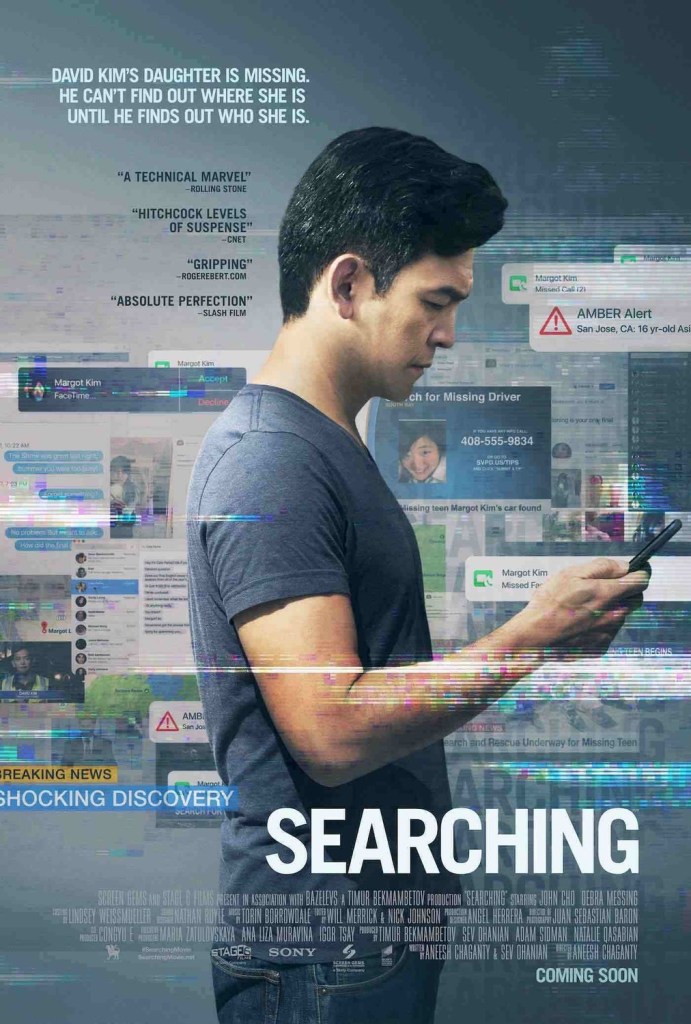
Last week I watched Searching, a 2018 film starring John Cho and Debra Messing, directed by Aneesh Chaganty, and written by Chaganty and Sev Ohanian. The film is a mystery and thriller about a father (Cho) whose teenage daughter (Michelle La) disappears, and the only clues he can find to her disappearance are those he can plumb from the depths of her laptop computer. Fortunately, despite the setup, they resisted the urge to do a Taken knock-off. The interesting thing about Searching is that the entire story is told through the screens of phones and computers. All you – as the audience – ever see is what appears on that screen. 

John Cho checks his Reddit upvotes: THRILLER!

This isn’t the first movie to use that conceit, of course. I can think of at least three movies from the past decade told via computer screens: Open Windows (2014), Unfriended (2014), and Host (2020). Those three movies all have far more in common with each other than Searching, though. First of all, those are all horror movies. Second, the things we see on the screen in those films are mostly open Windows for Skype, Zoom, or other such teleconferencing aps. Although there is some playing with the format, in many ways they’re an evolution of the found footage craze.

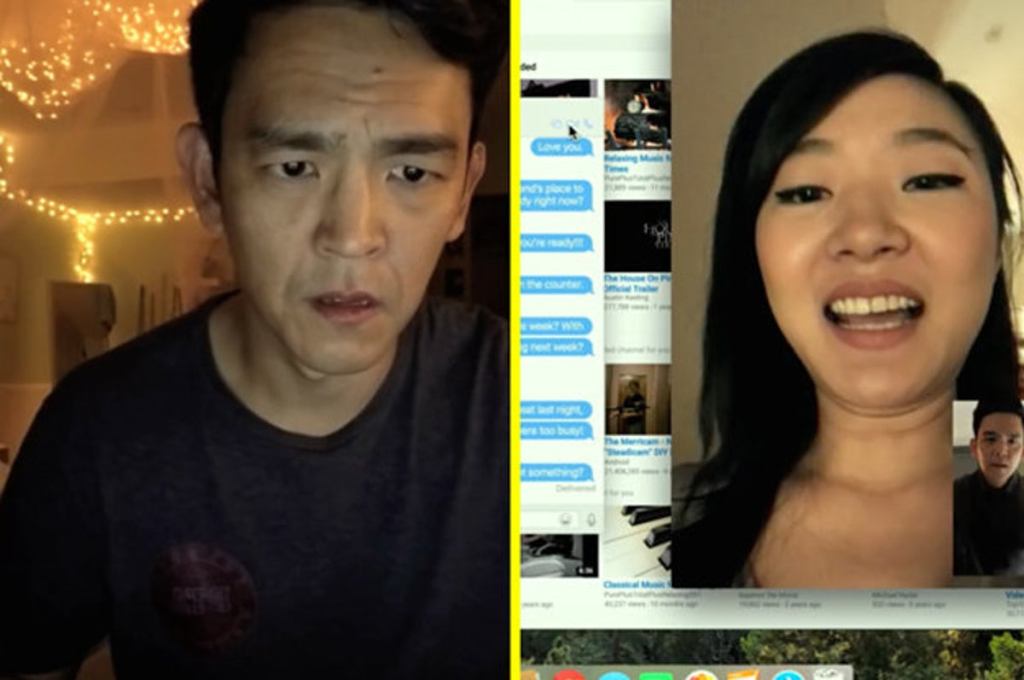
Searching is different. We still see the actors on screen fairly frequently (there’s a lot of Facetime happening in this movie, plus security footage, TV news broadcasts, and other justifications to put them on camera), but that’s not the usually compelling part of the film. The interesting thing is seeing Cho’s character using the information on his daughter’s laptop to track her down: old vlogs, emails, and different social media and other accounts that, over the course of the film, paint a picture of the girl he raised. It helps the audience to understand her, and from a storytelling standpoint, it also helps Cho to realize he no longer really knows his daughter the way he believed he did. The mystery is good. It’s compelling. But the format is what I really want to talk about today.

Although some of those earlier movies I mentioned do some of the things we see in Searching, it’s the way the movie uses the digital space that makes it stand out. We’re watching this mystery solved as the different elements are revealed to Cho. It’s not exactly realtime, there are jumps and lapses and the whole film takes place over the course of about a week, but it almost feels like realtime. We get to see things from Cho’s perspective – a text message he types then deletes unsent, for example – that reveal things about the character. In a conventional movie, this is all the stuff that happens before the scene where the detective shows up and says, “I found some information about your daughter, Mr. Kim.” In this movie, that stuff is the story. You wouldn’t think a scene focused on someone trying to change their Gmail password would be tense and compelling, but I’ll be damned if Chaganty didn’t make it work.

The face of every parent checking out their teenager’s browser history.

At least part of it, I think, is that it feels so relatable. We’ve all used social media, we’ve all done Google searches…we actually know what it is that Cho’s character is doing throughout the film, so we’re anxious to see the result. Occasionally, our familiarity with the language of computers clues us in to information that may not be immediately obvious to the detective himself if he’s not looking at the right area of the screen. And most importantly, in this digital age we live in, it seems very possible that REAL mysteries are solved this way now. All of this together made it a film that was fun to watch.

This raised a question, though. Did I like Searching because it was a good story, or did I like it just because it was an original gimmick? There are a lot of storytelling gimmicks that are cool the first time you see them, but get stale quickly. 3-D is the best example I can think of. Sure, there’s a visceral thrill to seeing a 3-D movie…or at least, there was the first 500 times it was done. But I have yet to see a movie in which 3-D actually improved the story, and that’s what it will take to convert me. I call it the “Wizard of Oz” moment. That was the movie that demonstrated that color could be used to make a story better than it would be in black and white. I haven’t seen 3-D’s Wizard of Oz moment.

And that’s what I needed to answer about the way Searching was told. Was this “on-screen” narrative technique something that could add new elements to the vocabulary of cinema, or was it just a one-off trick that would grow stale if repeated? There’s no way to answer that without trying it again.

And so they did.

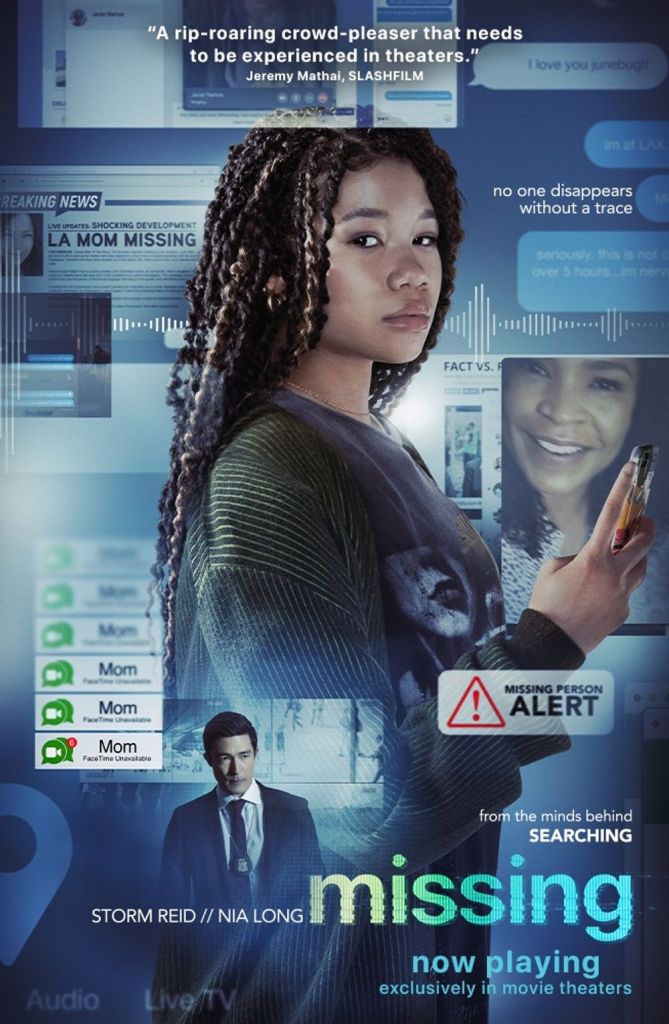
Earlier this year we got Missing, a sort-of sequel to Searching written and directed by Nicholas D. Johnson and Will Merrick. I say “sort of” because, although it continues the use of the on-screen narrative, the stories really aren’t connected in any way. It’s a new cast, a new mystery, and except for a few times where the characters reference a Netflix “true crime” series they watch that (in-universe) depicts the events of the first movie, there’s no connection between the two whatsoever. In Missing we follow the efforts of a daughter (Storm Reid) trying to track down her mother (Mia Long), who never comes home from a vacation in Columbia with her boyfriend (the terribly-underutilized Ken Leung).

Storm Reid checks her Reddit upv — what, they can reuse the poster but I can’t reuse the joke?

Okay, so it’s another missing person movie. But complaining about that would be like going to see a Chucky movie and complaining that they’re using that talking doll again. It’s just the conceit of the franchise. The question is whether the sequel can tell a satisfying story, now that the audience has seen and is used to the trick of following the events on the computer screen. And from my perspective, at least, the answer was yes.

Except for the missing person angle, Missing really doesn’t borrow from Searching in the plot department. First of all, using the teenager as the protagonist (and, for purposes of the story, the main detective) makes us approach the story in a different way. Her resources weren’t quite as vast as those of an adult, and she was less likely than an adult may be to sit back and wait for the police to take care of matters happening in another country. This leads to an unlikely friendship between Reid’s character and Joaquim de Almeida, who she contacts using an app to hire someone for minor chores and turns him into her man on the ground in the country where her mother disappeared, but she can’t follow. The way the two of them work together from thousands of miles apart to unlock clues is entertaining and leads to some touching moments.

There are, admittedly, a few times where it seems like the filmmakers are aping Searching a little too closely, but they wind up using those as opportunities for plot twists and surprises. Without getting into spoiler territory for either film, I feel like anyone who has seen Searching will have certain expectations that make it almost impossible to identify the villain of Missing until the reveal. Storm Reid’s character and circumstances are different enough from those of John Cho that it doesn’t feel any more derivative than any other two missing person movies you might watch. 

Like all sequels, there is an imperative to escalate the story. The scope is broader – the movie goes international this time – and the climax is told more through security camera footage, making it a bit more traditionally “cinematic” than the first film. Even then, though, the story manages to use the concept and the characters to their advantage, providing a key piece of information that would have been a little dull if they tried the same trick in a conventional movie. The important thing here is that, once again, the style worked. And if it works twice, that’s a good indicator that it may not just be a gimmick, it may be a legitimately new way to tell a story.

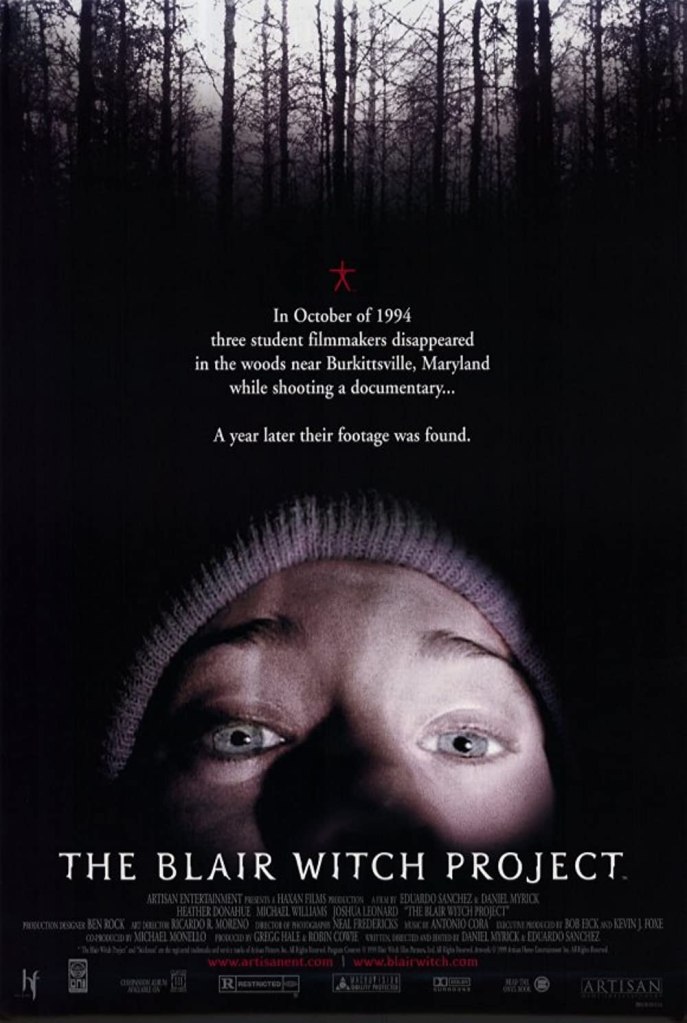
I think, to me at least, that’s the difference between a gimmick and a new storytelling technique: repeatability. The aforementioned found footage movies are a perfect example. The Blair Witch Project wasn’t the first found footage movie, but it catapulted the concept into the mainstream. Several years later Paranormal Activity brought it back. Both of them inspired dozens of imitators that were found wanting, but that doesn’t mean found footage itself can’t work. It just needs to be applied to the right project. Although there have been found footage films in numerous genres, the most popular and successful examples have usually been horror movies, which lend themselves to that format very well. Similarly, this “on-screen” narrative works very well for a mystery, because what you’re really watching is somebody trying to piece together a puzzle. Do I want to watch a thousand crappy mystery movies about someone using their kid’s laptop to track them down? No. But now that the format is out there and proven, I am very interested to see what other kinds of stories can be told this way.

She was actually crying in this scene because they made her watch the sequel.

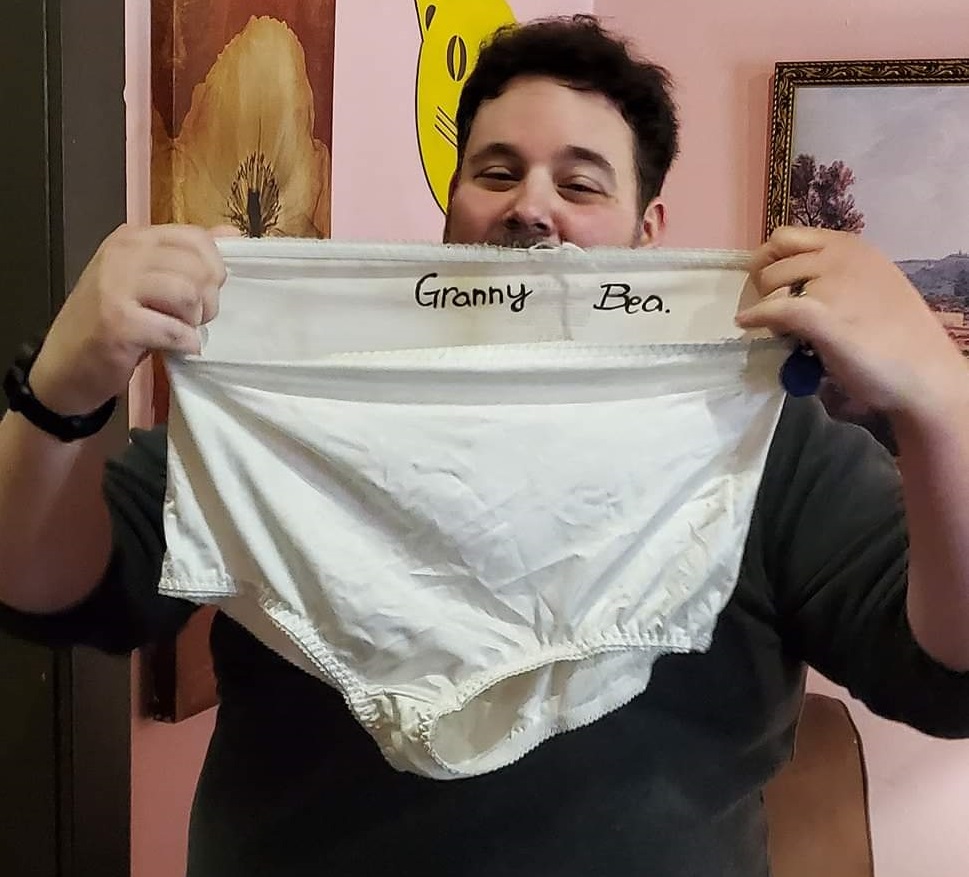
And that doesn’t just mean in movies, either. The more I think about this setup, the more I think it could make for a very compelling video game. It would be a sort of digital equivalent to an escape room. In fact, it reminded me of the last time I played an escape room on a family vacation to Hot Springs. In the game, we used a deceased relative’s computer to sift through documents and emails to figure out where in the room to look for clues. For my nieces and nephew, the high point of the game was when I retrieved a hidden clue tied to a pair of ancient granny panties from an air duct, but for me I really enjoyed the way the game was put together, which I think would translate digitally very well. 

This photograph is the reason I can never run for political office outside of Chicago.

I can imagine a game where the player takes the role of the detective, similar to John Cho and Storm Reid in their respective films, and has to crack some sort of mystery. As the game begins you are presented with a laptop interface with a video clip that you’re instructed to play to set up the story, then you use the information on the computer to crack the case. This would, admittedly, be a pretty substantial undertaking. The game would have to come preloaded with documents, files, video and audio clips, emails, social media platforms…it’d be a task to plan the whole thing out and produce all of the clues necessary, not to mention figure out a way to guide the player through it in a way that creates a satisfying experience, but I honestly think it would be a lot of fun. 

I should mention here that I am not a gamer, I haven’t owned a video game console since my parents got a Sega Genesis I shared with my brother and sister, so it’s entirely possible that what I just described already exists. If it does, I don’t know about it, but I would be very interested if you could point me in that direction. In fact, I imagine at least three of you have already posted an angry response to point out my ignorance of some game that fits the pattern exactly. (“Clearly you’ve never played Leisure Suit Larry 19: Larry’s Hard Drive.”) If so, just send me a gentle notification, will you? Especially if it’s a mobile game.

I’m happy to find something that I hadn’t encountered before. Storytelling is one of my favorite things in the world (it comes #3 after my family and the return of the McRib), so any time someone can show me a way to do it that I haven’t seen before, I’m fascinated. I’m just crossing my fingers that the storytellers who see Searching and Missing and think “I can do that” learn the right lessons instead of just hitting copy and paste. 

Blake M. Petit is a writer, teacher, and dad from Ama, Louisiana. His current writing project is the superhero adventure series Other People’s Heroes: Little Stars, a new episode of which is available every Wednesday on Amazon’s Kindle Vella platform. It’s kind of amazing how much better the security was on John Cho’s kid’s laptop than in the entire Louisiana Office of Motor Vehicles. 

Geek Punditry #23: The Next Star Wars?

Like most sane people, here’s a phrase I don’t say very often: Quentin Tarantino has a point. 

I know, but bear with me.

In a recent conversation with Deadline, Tarantino said that streaming movies – as opposed to movies that have a theatrical release – aren’t really a part of the cultural zeitgeist. “It’s almost like they don’t even exist,” Tarantino said, and I think he’s on to something there. Think about it – of all the movies that have gone straight to a streaming service over the last few years, bypassing a theatrical release, how many of them that weren’t already based on an existing Intellectual Property have had any sort of major cultural footprint? When’s the last time you heard someone talking about Netflix’s The Adam Project, Prime’s The Map of Tiny Perfect Things, or Shudder’s Blood Relatives? These are all good movies. They’re movies I would recommend to people. But they simply aren’t part of the cultural conversation. I’m not saying that Free Guy is a better movie for Ryan Reynolds than The Adam Project was, but based on the fact that one has 661,000 views on Letterboxd as opposed to 302,000 for the other, I AM saying that more people are aware of the former. 

This isn’t to say Tarantino is right about everything, of course. For one thing, I don’t care for feet. But more germane to the topic, later in the same interview he says that all television is “soap operas,” that he doesn’t think about a few weeks after he watched the last episode. That’s silly on the face of it – shows like The X-Files or Breaking Bad have been gone for some time, but still have huge fan bases. And some new streaming shows have cracked into the mainstream, like Stranger Things or Bridgerton. Somehow it’s easier for TV shows to build fan bases than movies, possibly for some of the reasons I discussed back when I was talking about the problem with binge-watching

“Why can’t I remember what happened on the last episode of The Goldbergs?”

Back to the movies, though. I thought about this, trying to come up with the most culturally significant streaming-first movie I could think of – even asked the question on a writer’s thread I’m a part of, and was given exactly one suggestion: the Netflix sci-fi thriller Bird Box. That’s a good example. It was a big hit, people really got into it when it came out, and it’s got a hefty 894,000 views on Letterboxd. But that was five years ago. Before you read this column, when’s the last time you thought about Bird Box? There was a discussion of a sequel when the film first came out, but it hasn’t happened yet, although Netflix DID announce a spin-off film, Bird Box Barcelona, which is going to drop in July and be forgotten by August. 

Early contender for “Best Picture you definitely watched this year but don’t remember anything about.”

There’s a permanence to theatrical movies that streaming films don’t enjoy, possibly because streaming is just easier. Going to the movies is a commitment. You have to drive down there, plan your snacks, buy a ticket or commit petty larceny to enter, and then devote your time. That guy you went to school with who saw Star Wars in the theater 27 times made it a LIFESTYLE CHOICE. Whereas watching something 27 times on streaming just requires you to click a button and be too lazy to look for something else.

But the more I thought about the problem, the more I realized that Tarantino wasn’t quite right. (What are the odds?) It’s true that streaming movies haven’t hit the way that blockbuster movies of the past have, but then again…have any theatrical movies hit that hard either? Sure, there are successful movies, but they’re all sequels, remakes, or based on existing IPs. When was the last truly original blockbuster movie?

As of this writing, Box Office Mojo lists the top ten movies of 2023 so far as:

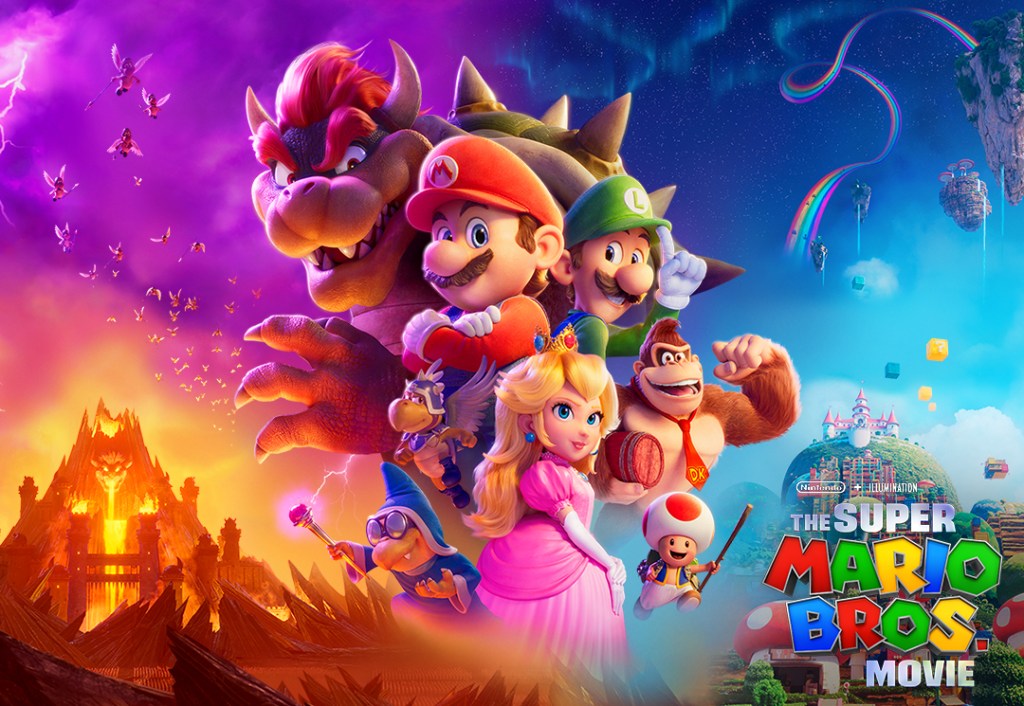
1. The Super Mario Bros. Movie

2. Guardians of the Galaxy Vol. 3

3. Avatar: The Way of Water

4. Ant-Man and the Wasp: Quantumania

5. The Little Mermaid

6. John Wick Chapter 4

7. Spider-Man: Across the Spider-Verse

8. Creed III

9. Fast X

10. Puss in Boots: The Last Wish

“It’s a-me, a license to print money!”

In other words, eight sequels, one remake, and one movie based on what is arguably the most famous video game franchise in human history. The top movie on the list that’s an actual original idea is M3GAN at #12, which is actually a holdover from 2022 that took in $95 million after the calendar flipped. The highest-grossing film released in 2023 with no previous IP to drawn on is Cocaine Bear at #16. 

I’m not saying anything negative about any of these movies, I want to stress that. I’m just saying that if you’re looking for something new to add to the cultural zeitgeist, this is not the place to look.

Several years ago, a friend of mine tried to argue that the then-upcoming Pirates of the Caribbean sequel Dead Man’s Chest would launch the film into a legitimate franchise, that it would turn it into that generation’s Star Wars. And while there were five Pirates films (with a sixth one occasionally teased by Disney), I don’t think there’s anyone that would argue it has had the level of cultural penetration that Star Wars has. You can see Star Wars shirts, toys, books, comics, and other assorted paraphernalia everywhere you look. If you say the phrase “May the Force be with you,” everybody immediately knows what you’re talking about. Hell, in certain company saying “I love you” without following it immediately with “I know” will feel strange. What’s the last new franchise you can say that about?

Star Wars, by the way, is an arbitrary metric. One could easily point to any number of franchises with deep cultural penetration – Star Trek, James Bond, A Nightmare on Elm Street… all things that are easily recognizable even if somebody isn’t a fan of that particular franchise. However, Star Wars is arguably the new franchise that has had the greatest impact worldwide in the last 50 years or so, so that’s what I’m going to use. People have been trying to make the next Star Wars for years, but it’s just not working.

People often argue that there are no new ideas in Hollywood, but that’s not true. The ideas are there, it’s just that – as I’ve pointed out before – the people who are in charge of the budgets are afraid to spend money on something that isn’t proven. That’s why they want sequels, remakes, or movies based on preexisting IPs. Comic books, in the past 20 years, have become very lucrative IP farms, which is why Disney bought Marvel in the first place. If a novel is really popular, it can break in. (Bird Box and Bridgerton, I should point out, were both novels before Netflix got them.) In VERY rare examples, a filmmaker may become a big enough name in his own right to get the budget to do something both new AND big, which is where the first Avatar movie came from, built not on any existing franchise but on the name of writer/director James Cameron.

This movie only exists because you saw Titanic 27 times.

Avatar is a really bizarre example. It looked, when the first movie was released in 2009, like it had that kind of Star Wars potential for cultural impact. The Way of Water is the sequel to the highest-grossing movie of all time, and like M3GAN it actually came out last year, but made so much money after Jan. 1 that it currently occupies the #3 spot for the 2023…but so what? For the 13 years in-between movies, nobody was talking about it. Nobody was wearing t-shirts or buying merch outside of Disney’s Animal Kingdom, and I defy anybody to give me one memorable quote from the first movie that isn’t just being used to mock the word “unobtanium.” The amount of money that a movie makes proves a lot of people see it, but it doesn’t necessarily demonstrate anything about the franchise’s longevity.

Many other sci-fi franchises have been attempted over the years, most of them falling flat for one reason or another. In 2012 Disney released John Carter, an adaptation of the Edgar Rice Burroughs novel that virtually invented the kind of planetary science fiction that has been a staple of the genre ever since. None of the major Star franchises could exist without it: not Wars, not Trek, not Search. But while I will defend that film to my dying breath (I think it was a great movie with loads of potential) it fell victim to terrible marketing and a Disney studio that simply didn’t know what to do with it. They even saddled it with a horribly bland title because they were afraid that boys wouldn’t want to watch a movie with the title of the original novel (A Princess of Mars) and that girls wouldn’t want to watch the proposed alternate title (John Carter of Mars). The movie bombed, the franchise died.

The next year Lionsgate tried to do the same thing with another of my favorite novels, Ender’s Game. Despite featuring Harrison Ford and a pre-stardom Hailee Steinfeld, though, the movie fell flat. It’s just as well – the sequels to the novel don’t at all lend themselves to a Star Wars-style franchise. The direct sequels dive into deeply philosophical and spiritual science fiction, meditations on the soul and the nature of sentience itself, with relatively few sci-fi “Pew Pews.” The spinoff Ender’s Shadow series DOES feature “Pew Pews,” but not in space, focusing on the geopolitical chaos left behind after humanity was temporarily united in the face of an alien invasion. 

The first rule of Dead Franchise Club is you do not talk about Dead Franchise Club.

So maybe sci-fi isn’t what’s going to bring us the next Star Wars. What about fantasy? There have been three pretty successful fantasy franchises since the turn of the millennium: Lord of the Rings, Harry Potter, and Game of Thrones. But all three of those are based on books that came out in the 20th century and spent years – decades in the case of Lord of the Rings – building up an audience that would carry over. And while there is certainly no shortage of references to those franchises in toys, clothing lines and other assorted paraphernalia, while nobody would look at you like an alien anymore for dropping a reference to any of them, are they Star Wars? They’re CLOSE, but follow-ups to the original series of Lord of the Rings and Harry Potter have been divisive (actually, that IS pretty Star Wars), while the follow up to Game of Thrones was pretty well received so far, but a lot of people are still angry over the ending of the original TV series or the lack of ending of the novels. They might make it there, but they aren’t there yet.

From left: the new Luke Skywalker, Han Solo, and Princess Leia.

I’m about to say something controversial, something that will infuriate certain people such as my sister…but I think the most original franchise in the last 23 years to truly make its way into the cultural consciousness is Universal’s The Fast and the Furious. Or Fast and Furious. Or The Fast Saga. Look, they can’t even really agree on a NAME for the franchise, but everyone knows what it is, and the fanbase is gargantuan.

“I don’t need the Force. I got FAMILY.”

The Fast and the Furious came out in 2001, and although it borrows its name from a mostly-forgotten 1954 film starring John Ireland, I’m not going to count it as a remake. First of all, the stories have absolutely nothing in common except that both include cars, and second, 99 percent of you had no idea the 1954 film even existed until you read this paragraph, so it’s clearly not cashing in on nostalgia the way most remakes do. 

Anyway, it’s been 22 years since the first Fast movie came out, and if the tenth movie that was released earlier this month is any indication, it’s not slowing down (bah-dump-bump!). It’s already cracked the top 10 films of the year, and although Vin Diesel says that Fast X is the first film in a story-ending trilogy, Universal Studios is very, very quick to remind people that this is the end of the story of Dominic Toretto and NOT the franchise as a whole. There’s already one spinoff and a Netflix cartoon, with at least two more spinoffs planned, including a second film about Dwayne Johnson’s Luke Hobbs character and another “female-centric” spinoff that is currently wandering Hollywood in search of a better title. 

Although the movies started out as mid-grade, clunky action films, somewhere around the fourth or fifth movie they hit some sort of power up and became high-grade clunky action films. Where we started with a story about a cop who was trying to bring down a group suspected of hijacking and robbing big rig trucks, we now have a franchise about ridiculously skilled street drivers being used as Mission: Impossible-level super spies, saving the world and looking good while doing it. At the point where the movies stopped making any attempt at having any logic or coherence behind them, they also became ridiculously fun to watch. And if nothing else, that’s what has made this preposterously unlikely franchise so endearing. It remembers something that most other attempts at world-building have forgotten: namely that blockbuster movies are supposed to be fun, dammit!

When I say “the next Star Wars” I hope there’s no confusion. I’m not trying to REPLACE Star Wars, or anything else for that matter. I love what I love, and I don’t want any of it to go away. But there’s always room for something new, and that’s what I’m hoping for. And when it comes to “new,” we need to do better.

Blake M. Petit is a writer, teacher, and dad from Ama, Louisiana. His current writing project is the superhero adventure series Other People’s Heroes: Little Stars, a new episode of which is available every Wednesday on Amazon’s Kindle Vella platform. He could not remember the title of Bridgerton while writing this, and wound up having to text some friends asking “What’s the name of that show you all watch that’s like a horny Downton Abbey?”

Geek Punditry #22: Share Your Perfect Movie

A little over a year ago, in an effort to get people on Facebook to talk about something positive rather than simply despising each other as loudly as possible, I asked the following question: “What are some movies (sequels notwithstanding) that are virtually flawless in all respects, that there is no way you can imagine them possibly being improved upon, and that any discussion of remaking them would be the purest hubris?”

The goal behind this was simply to get some good-natured conversation going for a change, to get people talking about “perfect” movies that they love, but I was quickly amazed by the variety of answers I started to receive. It was also telling to me how widely spread the responses were. Plenty of classic movies got mentioned, as well as a lot of modern popular hits, but then there were the obscure movies like the Japanese drama An Autumn Afternoon or the pre-blockbuster Eddie Murphy action movie 48 Hrs. Now when I say a “perfect” movie, to me that means that there is no legitimate criticism or room for improvement, that everything about the movie is as good as it could possibly have been in the time and place in which it was made. This is, of course, inherently subjective, but that’s the point. I can give the definition to anyone, but it’s seeing what movies they think qualify that really became intriguing to me.

So I wound up doing what I usually do when I’m talking about movies and I get caught up in it: I went to Letterboxd and made a list. (Side note: I love Letterboxd. It’s one of my favorite places on the internet. It’s a social media platform where movie lovers can write reviews, share lists, and talk about movies. It’s a wonderful place for movie fans. It’s what Goodreads should be for books, if Goodreads wasn’t owned by Amazon now and every other click on the site didn’t attempt to divert you to spend money.) I listed every movie that someone suggested as being “perfect,” according to their own criteria, and I ranked them based on how many people suggested each one. I thought today it would be fun to walk through the list of suggestions I’ve collected since last year, talk about them a little, and then throw open the door for more. This list is a never-ending work in progress, so I’m always happy to hear what you think deserves a place here.

“It’s flawless.”
“But doesn’t his own mom hit on–“
“FLAWLESS.”

So far, 339 separate movies have been suggested by at least one person. Of those, I’ve seen 237 of them, and although I definitely don’t agree with all of them, that’s okay. The point is to see what SOMEbody thinks is perfect, not EVERYbody. The top choices, however, are pretty tough to argue with. The #1 choice, “nominated” by 12 separate people (myself included) is Back to the Future. The last time I mentioned Marty McFly and the Doc in this column, it was when I talked about Pop Culture Comfort Food – the whole trilogy is something I can throw on to make myself feel better on a bad day, but there’s something about that first movie that’s practically sorcery. Writer Bob Gale and director Robert Zemeckis found a way to weave together sci-fi time travel gobbledygook with a story that’s funny and uplifting, with a musical score by Alan Silvestri that I’d put among the top five of all time. I don’t want to get too deep into what makes this movie perfect because, let’s be honest here, you probably already know. I don’t think I’ve ever met anybody who doesn’t love the original Back to the Future, and if I did, I don’t think I could trust them.

The only reason that anyone uses the phrase “as you wish” anymore.

The second movie on my ranked list is also one of my comfort films (although when I wrote about it before I was talking more about the book than the film): Rob Reiner’s adaptation of William Goldman’s The Princess Bride. Eleven people suggested this one – a romantic comedy that’s full of classic quotes and unforgettable characters. It’s a fairy tale that makes everyone believe in love without making it seem like something that can only exist in fairy tales. It’s the reason people who aren’t wrestling fans know who Andre the Giant was. And sure, there are some bits about it that crack a little under scrutiny: in the fight between Westley and Inigo, for example, it’s horribly obvious when Cary Elwes is replaced by a stunt double to do flips on a bar, and the edges of the hidden mat are clearly visible when he lands a few seconds later. But I wouldn’t change those if I could – even those things are part of the film’s charm. Even the things that aren’t perfect IN The Princess Bride are perfect FOR The Princess Bride. It’s pretty telling that among the very few things that people on the internet can agree about is that NOBODY wants to see a remake of this movie.

Moving down the list from this point, a modern psychologist or anthropologist could really start to paint a portrait of the kind of people I associate with on social media, because The Shawshank Redemption and The Big Lebowski got seven votes each. These are two films that are enormously popular among people my age, movies that came out during those high school and college years in which many of us formally adopt the pop culture influences that become permanent parts of our identities. Shawshank is one of my personal favorite films, a film that takes the setting of a brutal New England prison and weaves a story about undying hope that is, in its own way, as inspiring as The Princess Bride itself. It’s a little hobby of mine to tell people who don’t already know that it’s based on a book by Stephen King, especially if they don’t like horror and they think that’s all he can write. 

Add in The Matrix and you’ve got 74 percent of college dorm walls circa 1999.

The Big Lebowski was my generation’s Rebel Without a Cause, a movie that was elevated to a lofty position based on the Rule of Cool. People saw in Jeff Bridges’s character a sort of carefree slacker god. “The Dude” became a role model, and while the lifestyle he enjoys in the film isn’t really something that works in the real world, that doesn’t particularly matter when it comes to making us fall in love with a movie, does it?

There are two kinds of people: people who love The Iron Giant and people who…I don’t know…probably murder kittens in their sleep.

The Iron Giant got six mentions, and if there’s any movie that deserves more it’s this one. The story, about an alien robot who falls to Earth and learns what it means to be human, resonated with me instantly. It’s the best Superman movie without Superman in it that you’ve ever seen, and it’s easily the most animated performance Vin Diesel has ever given. 

Next up, we get clumps of movies with the same number of votes. Five people each voted for Alien (the original), Clue, The Godfather, and Groundhog’s Day, and I would not argue with any of them. Four votes each go to Casablanca, Heathers, Labyrinth, The Lord of the Rings: The Fellowship of the Ring, Raiders of the Lost Ark, and my wife Erin’s favorite movie, Jaws. Again, there’s nothing here that I would really disagree with, except to say that I think some of those deserve a higher rating (which you, dear reader, are invited to provide if you’re so inclined).

Two movies made perfect by way of subtraction.

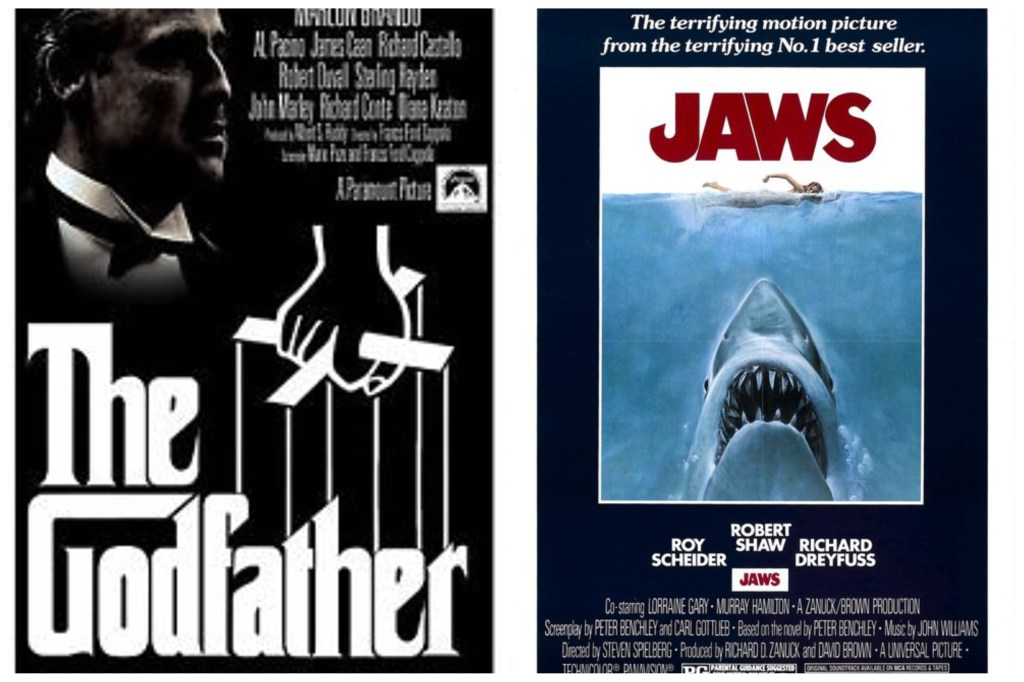
I do want to point out here that The Godfather and Jaws both occupy places on a very small but important list: movies that are better than the book they’re based on. The standard argument is that the book is better, and I agree that it’s usually true, but these two pretty darn perfect movies both got that way by jettisoning parts of the respective books that would have hurt the films. In the case of The Godfather, a long and rather uncomfortable subplot about Johnny Fontaine and his sexual conquests is reduced to little more than a cameo for the character in the film. The subplot is unpleasant to read and really has nothing to do with the story of the Corleone family, which is what the story is really about. In the case of Jaws, there’s a subplot about Ellen Brody having an affair with Matt Hooper, which is obviously the sort of shenanigans that the wife of the police chief worried about a killer shark and the marine biologist who has been called in to help capture said shark are going to get down to in between measuring the bite radius on the remains of the victims. I don’t know, maybe it had something to do with the 70s, the idea of throwing in unnecessary storylines about people gettin’ down, but thank goodness the filmmakers had the good sense to leave those parts out of the respective films. Had they gone in intact, I don’t know that I could support either of those movies being on this list.

I’m not going to go through the entire list here – there are still over 300 movies that I haven’t mentioned yet. But I invite you to read the list yourself and let me know if you agree or disagree. The list is a work in progress. I’ve added several movies myself since I first drafted it (Everything Everywhere All at Once being the most recent film that I’ve seen to make the cut) and I’ve periodically asked for more suggestions. Now I’m asking you. Are you irritated that your favorite movie didn’t get mentioned? Hey, mention it yourself! You think a movie that’s down at position #187 deserves to be higher? Give it a nomination and it’ll move up. You’re angry because you don’t think #163 deserves to be on the list at all? Well, sorry to say it, but that’s not going to change. Even if you don’t like it – even if I don’t like it – somebody called it perfect, and that’s all it takes to get on the list.

You can make suggestions here on the blog, on the Letterboxd list itself, or on whatever social media platform you used to follow the link. And remember the ground rules: first, no “joke” suggestions. Sarcasm doesn’t always translate that well on the internet, and if I think you’re suggesting something ironically, I’m just going to throw it out. Second, no BULK suggestions. Don’t just say, for instance, “all the James Bond” movies, because there are 26 of them and if you say “all of them” I’m going to question your critical thinking skills. And finally, be specific. Some stories have been told more than once, some titles have been used multiple times. Don’t just say Hamlet, tell me WHICH Hamlet – preferably the year of release, but at least tell me who the actors are so I know which version you’re voting for.

If nothing else, it’s a chance to see what movies people love, what movies matter to people, and to make your voice heard at least a little. And for the chance to talk about what people enjoy, I think that’s worth the few moments of thought.

Blake M. Petit is a writer, teacher, and dad from Ama, Louisiana. His current writing project is the superhero adventure series Other People’s Heroes: Little Stars, a new episode of which is available every Wednesday on Amazon’s Kindle Vella platform. TV shows don’t count for this experiment, unfortunately, or else his son would no doubt have forced a thousand episodes of Paw Patrol onto the list.